

We may earn a commission when you buy through links on this page, at no extra cost to you. Learn more.
Nelson wine tasting introduces visitors to some of New Zealand’s most distinctive coastal wines, particularly Pinot Noir, Chardonnay, Sauvignon Blanc, and aromatic white varieties. Located at the northern end of the South Island, Nelson combines abundant sunshine, cool maritime influences, and varied soils to produce expressive wines with freshness and texture. Its boutique wineries, welcoming cellar doors, and picturesque vineyard landscapes make it an excellent destination for discovering smaller New Zealand producers.
Nelson is sometimes overshadowed by neighboring Marlborough, but its wine identity is quite different. Rather than concentrating on one internationally recognized grape variety, the region offers an interesting combination of elegant whites, structured Chardonnay, fragrant Pinot Noir, and distinctive aromatic wines. Visitors can explore historic vineyards in the Moutere Hills, sample fresher styles on the Waimea Plains, and discover coastal producers near Tasman Bay. Understanding these differences makes a wine-tasting visit considerably more rewarding.
Understanding Nelson’s Wine Region and Its Distinctive Terroir
Nelson’s wine identity comes from the relationship between abundant sunshine, coastal conditions, and contrasting vineyard soils. Its northern South Island location provides a relatively sheltered environment where grapes can develop ripe flavors while retaining refreshing acidity.
The region has a long agricultural history. German settlers planted some of Nelson’s first wine grapes during the mid-1800s, building on an established tradition of orchards and productive farmland. However, the modern wine industry took shape during the 1970s, when pioneering producers including Seifried Estate and Neudorf Vineyards helped establish the area’s reputation for quality wine.
Nelson’s position near the Tasman Sea is important to its growing conditions. Coastal influences moderate temperatures, while plentiful sunshine supports fruit development. Cooler conditions later in the growing season help preserve acidity and aromatic character. This combination allows producers to make wines that can be ripe and expressive without becoming excessively heavy.
The region is relatively compact, but its vineyard environments are not uniform. The Moutere Hills, Waimea Plains, and Tasman Coast offer different combinations of soil, exposure, and maritime influence. These differences can be recognized in the glass, especially when comparing Chardonnay and Pinot Noir from separate vineyard locations.
Moutere Hills: Richness and Structure
West of Nelson city, the Moutere Hills are characterized by rolling terrain and gravel-threaded clay soils. The area is slightly warmer and wetter than the Waimea Plains. Its soils are associated with wines that have greater richness, texture, and structural depth.
Moutere Hills Pinot Noir often has more weight and darker fruit characteristics than examples from lighter vineyard sites. Chardonnay can show complexity, concentrated flavors, and a more substantial palate. Sauvignon Blanc and aromatic varieties also benefit from the area’s distinctive mineral character.
Waimea Plains: Freshness and Bright Fruit
The Waimea Plains have stony alluvial soils and a strong maritime influence. The name Waimea comes from a Māori expression meaning river garden, reflecting the area’s agricultural heritage.
Compared with Moutere Hills wines, Waimea examples are generally lighter and fresher. Sauvignon Blanc often displays lively fruit and mineral notes, while Pinot Noir can be more delicate and perfumed. Chardonnay combines expressive fruit with freshness, making the area particularly interesting for visitors who enjoy balanced rather than heavily textured wines.
Tasman Coast: A Different Coastal Expression
The Tasman Coast adds another dimension to the regional picture. The wine-growing strip extends approximately 30 kilometers from Māpua Inlet toward Riwaka. Its maritime conditions interact with different geological features, including Moutere clay and limestone around Riwaka.
This combination supports a diverse selection of wine styles. Visitors exploring coastal producers can encounter wines that reflect both the region’s cool maritime influence and its varied soils. The coastal area also provides opportunities to combine vineyard visits with beaches, seafood restaurants, and the scenery around Tasman Bay.
For a broader understanding of how New Zealand’s regional differences influence wine styles, the Wine Regions collection provides useful context for comparing Nelson with other growing areas.
The Nelson Grapes and Wines Worth Prioritizing
Pinot Noir, Chardonnay, and Sauvignon Blanc are the essential starting points for a Nelson tasting. Pinot Gris, Riesling, and Gewürztraminer add further variety, giving visitors an opportunity to compare several expressions of cool-climate winemaking within a relatively small region.
Nelson Sauvignon Blanc is particularly interesting for visitors familiar with the more overtly aromatic wines associated with Marlborough. Regional examples often emphasize texture, freshness, mineral character, and restrained tropical fruit rather than relying entirely on intense passion fruit or grassy aromas.
Pinot Noir: The Signature Red
Pinot Noir is one of Nelson’s most important red varieties. It suits the region’s moderate climate and can develop fragrant fruit characteristics while retaining acidity and relatively fine tannins.
Typical aromas include cherry, plum, raspberry, and sometimes floral or earthy notes. Moutere Hills examples can be deeper and more structured, with darker fruit and greater palate weight. Waimea Plains Pinot Noir often emphasizes red fruit, perfume, and a lighter overall impression.
When comparing two bottles, pay attention to the balance between fruit, acidity, tannin, and texture. Pinot Noir generally has low-to-medium tannin and relatively high acidity, which helps explain why it can accompany a wide range of foods. It is also a useful introduction to understanding how vineyard location influences the character of a wine.
Chardonnay: Texture, Depth, and Freshness
Chardonnay deserves particular attention during a Nelson wine visit. The region produces wines with pure fruit expression, depth, and the potential to develop additional complexity with bottle age.
Depending on the producer and winemaking approach, a Nelson Chardonnay may show citrus, apple, stone fruit, subtle spice, or creamy textures. Some examples emphasize freshness and restrained oak, while others have greater richness and a fuller palate.
Comparing Moutere Hills and Waimea Plains Chardonnay is especially revealing. The former can be more substantial and structured, while the latter often emphasizes citrus brightness and a fresher mineral impression. Both styles demonstrate why Chardonnay is such an important part of the region’s identity.
Sauvignon Blanc: A More Restrained Style
Nelson Sauvignon Blanc offers an appealing alternative to more intensely aromatic New Zealand examples. Tropical fruit remains important, but it is frequently accompanied by fresh herbs, citrus, and mineral notes.
Expect aromas of lime, grapefruit, passion fruit, and sometimes freshly cut herbs. On the palate, acidity gives the wine its refreshing character, while texture and restrained fruit expression can make it particularly versatile with food.
Pinot Gris, Riesling, and Gewürztraminer
Nelson’s aromatic white wines provide another reason to explore beyond the familiar varieties. Pinot Gris can combine rich fruit with poised acidity, creating wines that range from relatively crisp and dry to fuller-bodied expressions.
Riesling offers a different balance of citrus, floral aromas, and high acidity. Depending on the producer, it can be dry, off-dry, or sweeter. Gewürztraminer brings more pronounced aromatic character, with possibilities including lychee, rose petals, ginger, and fragrant spices.
These varieties are particularly useful when tasting with food. Riesling’s acidity works well with citrus-seasoned seafood, while an off-dry version can complement dishes with moderate chili heat. Gewürztraminer can accompany aromatic Asian-inspired dishes, provided the food’s sweetness and spice are considered.
| Wine variety | Typical tasting characteristics | What to compare |
|---|---|---|
| Pinot Noir | Cherry, plum, floral notes | Structure and tannin |
| Chardonnay | Citrus, apple, stone fruit | Texture and oak influence |
| Sauvignon Blanc | Lime, passion fruit, herbs | Minerality and freshness |
| Pinot Gris | Pear, apple, spice | Body and acidity |
| Riesling | Citrus, flowers, stone fruit | Sweetness and acidity |
| Gewürztraminer | Lychee, rose, ginger | Aromatic intensity |
One useful approach is to taste the same grape from different parts of Nelson rather than moving randomly between unrelated styles. Comparing two Pinot Noirs or two Chardonnays makes differences in vineyard conditions and winemaking easier to recognize.
Nelson Wineries and Cellar Doors to Include in Your Visit
Nelson’s cellar doors provide opportunities to sample regional wines, speak with producers, and discover small family-owned estates. Seifried Estate, Neudorf Vineyards, Moutere Hills Vineyard, and Flaxmore Vineyards are particularly useful starting points for exploring the area’s winemaking traditions.
Unlike some larger wine destinations, Nelson’s appeal lies partly in its relatively intimate tasting experiences. Visitors can encounter independent producers, small vineyard sites, and winemakers who are closely involved in explaining the wines. Many cellar doors also connect wine with local food, art, or the surrounding countryside.
Seifried Estate
Seifried Estate is an important name in Nelson’s wine history. Hermann and Agnes Seifried planted their first vineyard in the region in 1973, helping establish the modern wine industry.
The estate offers an opportunity to explore a broad regional portfolio and understand how different grape varieties perform in Nelson’s growing conditions. Visitors interested in the development of New Zealand wine should include Seifried among their priorities because of its pioneering role.
Its location on the Waimea Plains also makes it useful for comparing wines from the flatter, stony agricultural landscape with those produced in the more elevated Moutere Hills.
Neudorf Vineyards
Neudorf Vineyards was planted in 1978 and is one of the best-known producers associated with the Moutere Hills. Its portfolio includes Pinot Noir, Pinot Gris, Chardonnay, Riesling, Sauvignon Blanc, and Albariño.
The estate is particularly interesting for visitors who want to understand the relationship between vineyard management and wine character. Its Moutere vineyards are dry-farmed and organically managed, making the producer a useful reference point when discussing vineyard practices.
Chardonnay and Pinot Noir are especially worthwhile varieties to explore here. Compare their texture, fruit concentration, and structure with wines from the Waimea Plains to appreciate how different growing environments can shape the finished wine.
Moutere Hills Vineyard
Moutere Hills Vineyard combines wine tasting with a restaurant experience in Upper Moutere. The estate produces wines from its vineyards and offers food prepared using locally sourced ingredients.
This is a particularly attractive choice for visitors who prefer a relaxed lunch rather than a succession of short tasting appointments. The opportunity to enjoy a meal alongside regional wines makes it easier to understand how the wines perform with food.
Flaxmore Vineyards
Flaxmore offers a more personal cellar-door experience. Tastings are conducted with one of the vineyard’s owners, who can discuss the wines and share information about the history of the area.
The combination of wine, local knowledge, and a vineyard setting makes it an interesting stop for visitors who enjoy learning directly from producers. It is particularly suitable for travelers who prefer conversation and detailed explanations rather than a large commercial tasting room.
Other Producers Worth Discovering
Riwaka River Estate is a boutique, family-owned producer associated with the Resurgence wine label. Its smaller-scale approach provides another perspective on the diversity of Nelson winemaking.
Heaphy Vineyard offers a cellar door and café where visitors can sample wines alongside food such as wood-fired pizza and tapas. This combination makes it a practical stop for those planning a leisurely afternoon.
Abel offers a different type of experience through private tastings that can include a vineyard walk and a visit to the winery with a winemaker. This format is particularly appealing to visitors interested in understanding the production process from vineyard to bottle.
For a wider selection of producers, the New Zealand Wine Nelson regional overview provides information about the region’s grape varieties, subregions, and producers. The regional winery listings are also useful when deciding which cellar doors best match your interests.
How to Make the Most of a Nelson Wine Tasting
A successful tasting visit is about more than sampling as many wines as possible. Comparing varieties, taking notes, and understanding the differences between vineyard locations will provide a much clearer picture of Nelson’s wine identity.
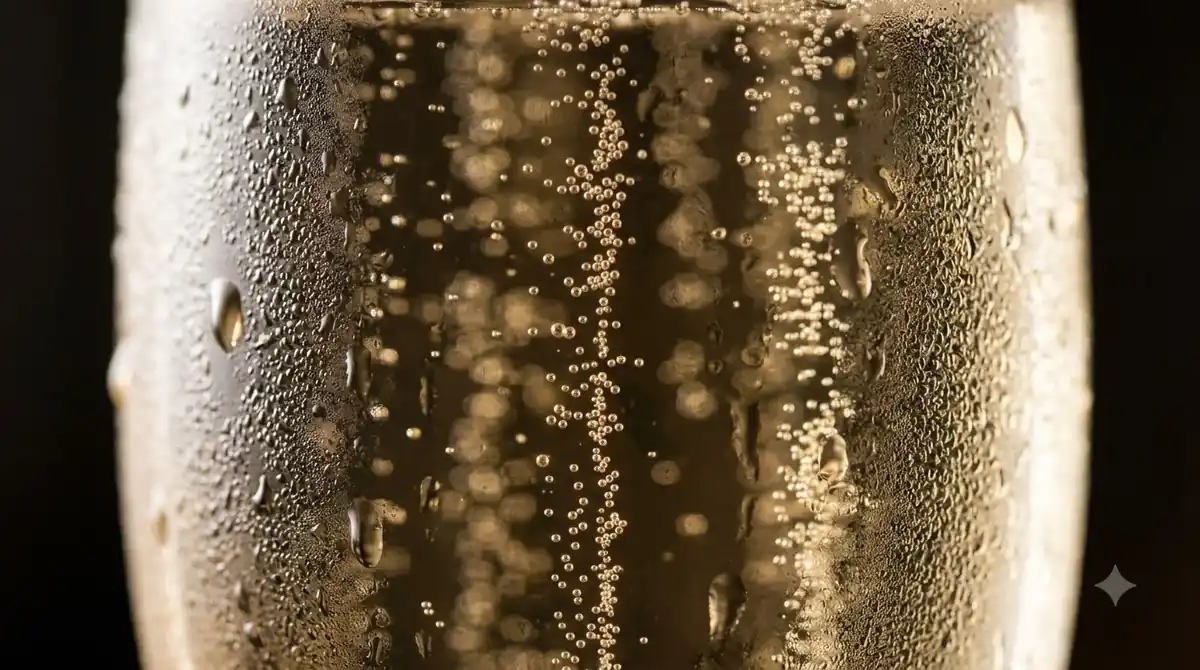
Start with lighter wines before moving toward fuller-bodied styles. A sensible tasting progression might begin with sparkling wine or Sauvignon Blanc, continue with Pinot Gris and Chardonnay, and finish with Pinot Noir. If a producer offers several examples of the same grape from different vineyards, tasting them together can be particularly informative.
Use a Consistent Tasting Method
Begin by examining the wine’s appearance. Look at its color and clarity, noting whether a white wine is pale lemon, deeper gold, or somewhere between the two. Pinot Noir can range from relatively translucent ruby to deeper garnet shades.
Next, smell the wine before taking a small sip. Try to identify broad aroma families rather than immediately searching for elaborate tasting descriptors. Citrus, orchard fruit, stone fruit, red berries, herbs, flowers, and spice are useful starting points.
When tasting, pay attention to acidity, tannin, body, alcohol, and finish. A Sauvignon Blanc might feel crisp and refreshing, while a Moutere Hills Chardonnay may seem rounder and more textured. A Pinot Noir might have delicate tannins but a persistent finish.
These observations are more useful than trying to identify every possible aroma. They also help explain why two wines made from the same grape can feel remarkably different.
Ask Questions at the Cellar Door
Talking with winery staff can make a tasting much more educational. Ask which vineyard supplied the grapes, what distinguishes the producer’s different wines, and whether the wine was fermented or matured in oak.
For Pinot Noir, ask about the vineyard location, fruit handling, and maturation choices. For Chardonnay, questions about barrel fermentation, lees contact, and oak maturation can help explain differences in texture and flavor.
With Sauvignon Blanc, ask whether the winemaker aimed for an especially aromatic style or a more restrained expression with greater texture. These questions provide useful context for comparing Nelson wines with examples from other New Zealand regions.
Take Notes and Compare Carefully
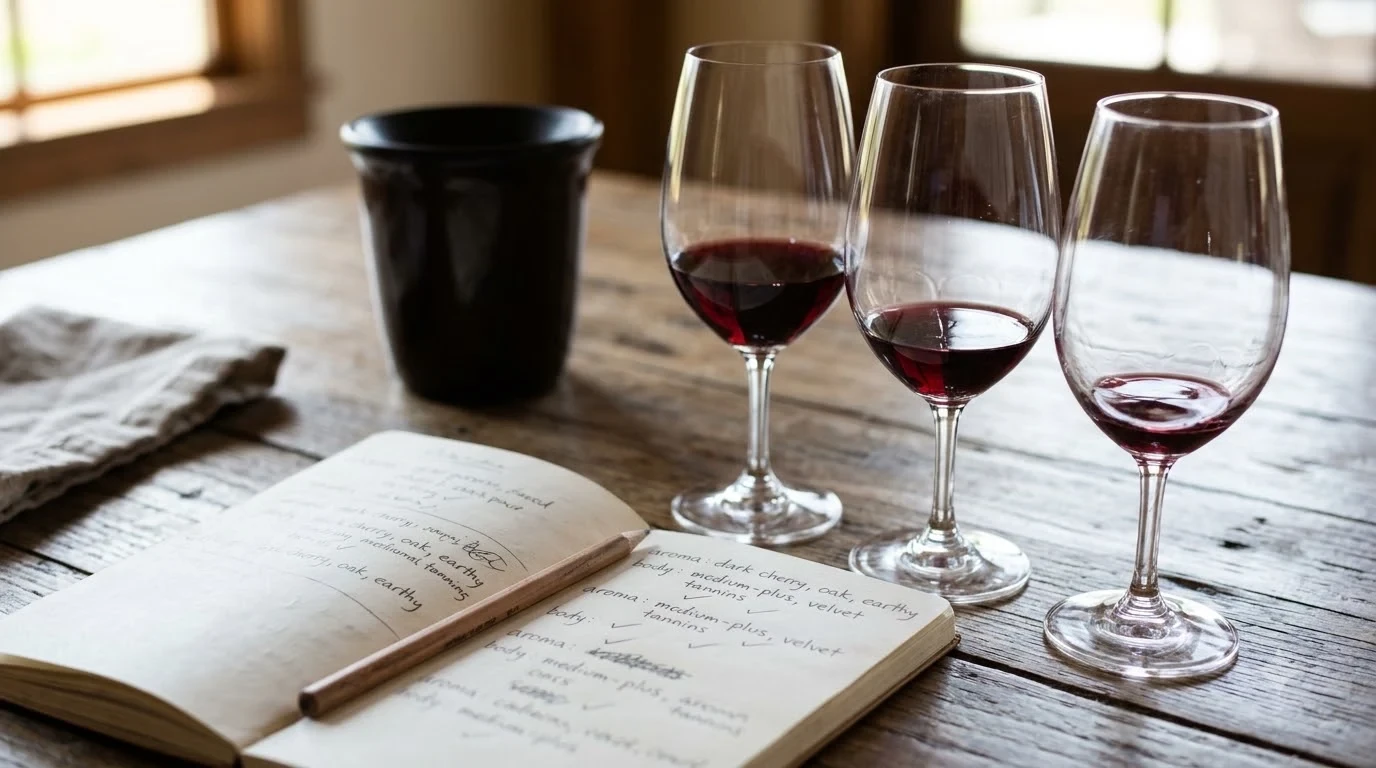
A small notebook or phone note is enough to record the producer, grape variety, vineyard location, and your impressions. Record whether a wine feels light, medium-bodied, or full-bodied, and whether its acidity is low, moderate, or high.
For a more meaningful comparison, taste at least two wines of the same variety. A Moutere Hills Pinot Noir and a Waimea Plains Pinot Noir make a useful pairing because they allow you to focus on regional differences without changing grape variety.
Similarly, compare two Chardonnays before moving to Sauvignon Blanc. This helps prevent the more aromatic character of one variety from dominating your impressions of another.
Tip: Ask for a comparison of the producer’s Moutere Hills and Waimea Plains wines whenever both are available. Tasting the same grape variety from two different vineyard environments is one of the easiest ways to understand Nelson’s regional character.
Understand Tasting Temperatures and Serving Sizes
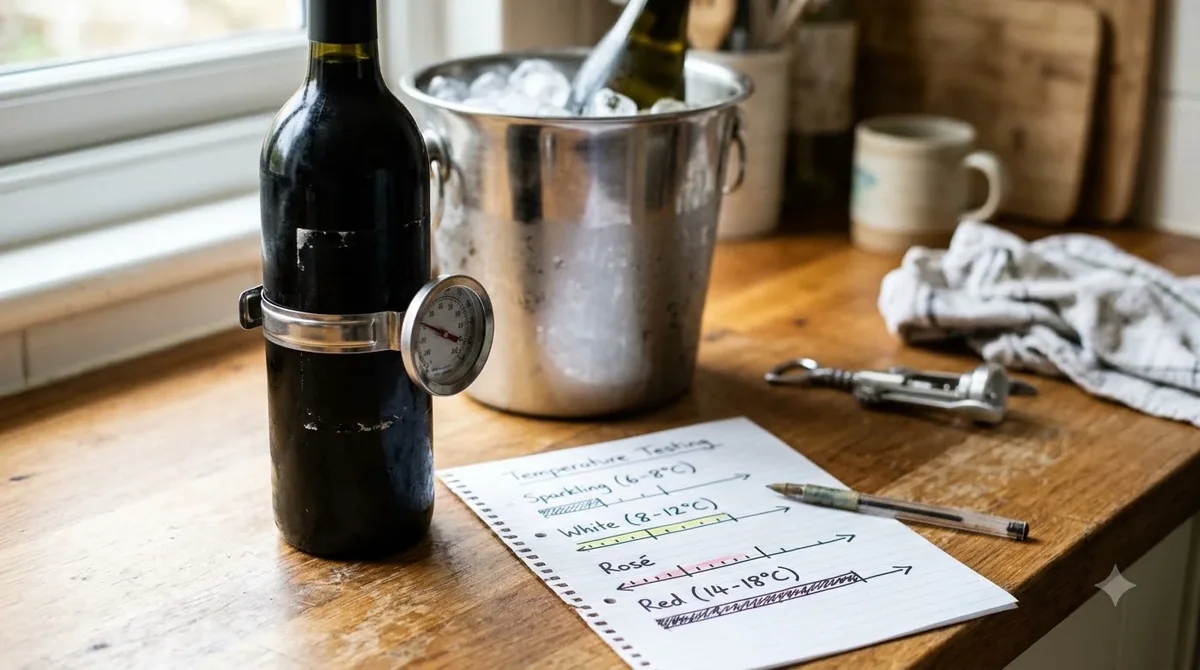
Serving temperature can significantly affect how a wine smells and tastes. Light white wines and rosé are generally best served at 45–50°F, while fuller-bodied whites such as richer Chardonnay are better around 50–55°F.
Light reds, including many Pinot Noirs, can be served at 55–60°F. This slightly cooler temperature helps preserve freshness and aromatic detail. Fuller-bodied reds are generally more suitable at 60–65°F.
A standard wine pour is approximately 5 ounces, and a 750-milliliter bottle contains about five standard glasses. During a tasting visit, smaller samples make it easier to compare more wines without becoming overwhelmed by alcohol or palate fatigue.
Nelson Food Pairings: Local Seafood, Cheese, and Regional Produce
Nelson’s wine culture is closely connected with its agricultural and coastal surroundings. Fresh seafood, locally produced cheeses, seasonal vegetables, and regional ingredients provide natural partners for its Chardonnay, Sauvignon Blanc, and Pinot Noir.
Food also makes regional wine differences easier to understand. A crisp white wine can refresh the palate after a rich seafood dish, while a textured Chardonnay can complement creamy sauces. Pinot Noir provides a versatile option for poultry, mushrooms, and dishes with moderate richness.
Seafood and Sauvignon Blanc
Sauvignon Blanc is a natural partner for many seafood dishes. Its high acidity works particularly well with fresh oysters, grilled fish, shellfish, and salads dressed with citrus or vinaigrette.
For example, simply prepared Tasman Bay seafood with lemon and fresh herbs complements the grape’s citrus and herbal character. The acidity also helps refresh the palate between bites.
Chardonnay offers another option, especially when seafood is served with richer sauces. A fuller-bodied example can accompany grilled fish, scallops, and creamy preparations without overwhelming the dish.
Pinot Noir and Salmon
Nelson Pinot Noir is especially interesting alongside salmon. Its acidity, red-fruit character, and relatively gentle tannins can complement the richness of oily fish better than heavily tannic reds.
Grilled salmon with crisp skin is a particularly appealing match. A lighter Waimea Plains Pinot Noir can emphasize freshness, while a more structured Moutere Hills example may suit a richer preparation with mushrooms or roasted vegetables.
Pinot Noir also works well with roast chicken, duck, pork, and mushroom-based dishes. The key is to match the weight of the wine with the intensity of the food.
Chardonnay and Richer Dishes
Chardonnay’s versatility makes it one of the easiest Nelson wines to pair with meals. Fresh, citrus-driven examples work well with seafood, chicken, and lightly seasoned vegetables.
Fuller styles can accompany creamy pasta, roasted poultry, and dishes involving butter or mild cheeses. Their greater texture helps them stand up to richer preparations without losing their freshness.
Aromatic Whites and Spiced Cuisine
Riesling and Gewürztraminer can be especially successful with Asian-inspired cuisine. Riesling’s high acidity helps balance dishes featuring ginger, citrus, and aromatic herbs.
Off-dry Riesling and Gewürztraminer can also work with moderately spicy food because a little residual sweetness helps balance chili heat. However, alcohol and tannin can amplify the perception of chili, so particularly hot dishes generally benefit from lower-alcohol, refreshing wines.
When pairing wine with dessert, select a wine that is at least as sweet as the dish. A sweeter Riesling can work with fruit-based desserts, while a drier wine may taste thin or sharply acidic beside a very sweet pudding.
Planning a Nelson Wine-Tasting Trip
Nelson is a practical wine destination for visitors who want to combine cellar doors with outdoor activities and local food. Its compact geography makes it possible to explore multiple vineyard areas, although spending separate days in the Moutere Hills and Waimea Plains provides a more relaxed experience.
Begin by deciding whether the trip will focus on wine education, scenic vineyards, food, or a combination of these experiences. The best itinerary is not necessarily the one with the largest number of tasting appointments. Allowing time for conversations, meals, and vineyard scenery makes the experience more enjoyable.
Allow Time for the Waimea Plains
The Waimea Plains are a convenient starting point for visitors staying near Nelson city. Their proximity to the city makes it relatively straightforward to visit producers without spending the entire day traveling between vineyards.
Seifried Estate is an interesting stop for learning about Nelson’s modern wine history and tasting wines from an established producer. Other nearby cellar doors provide opportunities to explore Sauvignon Blanc, Chardonnay, Pinot Gris, and Pinot Noir.
Take time to appreciate the landscape as well as the wine. The area’s open agricultural setting, orchards, and coastal influence provide useful context for understanding its distinctive fresh and aromatic styles.
Spend Another Day in the Moutere Hills
The Moutere Hills deserve a dedicated visit, particularly for travelers interested in Chardonnay and Pinot Noir. Their rolling countryside and clay-rich soils create a different atmosphere from the flatter Waimea Plains.
Neudorf Vineyards and Moutere Hills Vineyard are useful stops for comparing wines from the area. Flaxmore Vineyards adds a more personal tasting experience, while Abel can provide a closer look at the relationship between vineyards and winemaking.
Allow enough time for a proper lunch. Moutere Hills Vineyard is particularly suitable for combining wine with locally sourced food, while other producers offer opportunities for more intimate cellar-door visits.
Explore the Tasman Coast and Great Taste Trail
The coastal area around Māpua and Riwaka offers another way to experience Nelson’s wine culture. Its vineyards can be combined with scenic drives, coastal walks, and visits to local food producers.
The Great Taste Trail is particularly relevant to visitors interested in cycling. It connects Nelson with rural communities, orchards, cafés, galleries, and wine producers across the Waimea Plains and Tasman Bay. Some sections are suitable for recreational cycling, allowing visitors to explore the countryside at a slower pace.
Tourism New Zealand’s Nelson winery and Great Taste Trail information provides useful background for planning a visit that combines vineyard stops with other regional attractions.
Choosing the Right Season
Nelson’s relatively sunny, moderate climate makes wine tourism possible throughout the year. Summer, from December through February in New Zealand, is attractive for visitors who want to combine wine tasting with beaches, cycling, and outdoor dining.
Autumn, from March through May, is another appealing period. The vineyard landscape changes as the growing season ends, and harvest activity can provide additional insight into the winemaking process. However, winery activities and cellar-door schedules vary, so visitors should arrange appointments where necessary.
Spring offers greener vineyard scenery and opportunities to enjoy outdoor activities without the busiest summer travel period. Winter is generally quieter, making it potentially suitable for visitors who prefer a slower pace and more intimate tasting experiences.
For a wider New Zealand wine itinerary, Nelson can also be compared with other destinations. Willcox wine tasting offers a useful contrast with the high-desert vineyards of Arizona, while Alsace wine tasting provides a different perspective on aromatic white wines and European regional traditions. Those interested in structured Italian reds can also explore Bolgheri wine tasting.
Frequently Asked Questions
Is Nelson considered a small wine region in New Zealand?
Yes. Nelson is a boutique-producing region compared with major New Zealand wine areas such as Marlborough. Its smaller scale contributes to its identity as a destination for discovering independent producers and distinctive vineyard sites. Visitors can often explore several producers without undertaking long journeys between major wine-growing areas.
What is the approximate latitude of the Nelson wine region?
Nelson’s vineyards are located at approximately 41–42 degrees south latitude. This southern position contributes to its cool-climate wine identity, although sunshine and maritime influences allow grapes to achieve good ripeness. The region’s geographical position also makes it an interesting comparison with other South Island wine districts.
Does Nelson produce sparkling wine?
Yes. Nelson producers make sparkling wines, including examples produced using traditional bottle-fermentation methods. Méthode traditionnelle sparkling wine undergoes its second fermentation in the bottle, which can contribute finer bubbles and additional complexity. It is worth asking individual cellar doors which sparkling styles they currently offer.
What is the connection between Nelson wine and organic viticulture?
Organic and environmentally conscious vineyard practices are part of Nelson’s producer landscape. Neudorf Vineyards, for example, identifies its Moutere vineyards as organically managed and dry-farmed. Visitors interested in sustainable viticulture can ask producers about certification, soil management, water use, and vineyard biodiversity.
Can Nelson wines age in the bottle?
Some Nelson wines have meaningful aging potential, particularly well-structured Chardonnay and selected Pinot Noir. Riesling can also develop interesting bottle-aged characteristics, with citrus and floral notes gradually giving way to more complex aromas. The ideal aging period depends on the wine’s structure, vintage conditions, and winemaking approach.
Nelson wine tasting is an excellent introduction to the diversity of New Zealand’s smaller wine regions. From the structured Chardonnay and Pinot Noir of the Moutere Hills to the bright aromatic wines of the Waimea Plains and Tasman Coast, each area offers something distinctive. Take time to compare producers, enjoy the regional food, and explore the surrounding landscape, and Nelson will reward you with a memorable and informative wine experience.
More in Wine Regions
 Willcox Wine Trail: Discover Arizona’s High-Elevation Wine CountryUpdated Nov 20, 2026
 Yakima Valley Wine Region: Find the Best Styles to TryUpdated Nov 20, 2026
 Vosne Romanee Wine Tasting: Identify Aromas and Choose Better PairingsUpdated Nov 20, 2026
 Yakima Valley Wine Festival: Find the Best Seasonal Wine EventsUpdated Nov 20, 2026
 Wales Vineyards: Discover Cool-Climate Wines and Where to VisitUpdated Nov 20, 2026
 Yountville Wine Festival: Discover Napa Wines and Local FoodUpdated Nov 20, 2026