

We may earn a commission when you buy through links on this page, at no extra cost to you. Learn more.
Nelson wine is boutique cool-climate wine produced on the sunny northern tip of New Zealand’s South Island, best known for restrained Sauvignon Blanc, structured Chardonnay, silky Pinot Noir, and crisp aromatic whites. Accounting for roughly 2.8 percent of New Zealand’s total vineyard area, the Nelson Geographical Indication sits along Tasman Bay and divides into two primary sub-regions: the clay-and-gravel Moutere Hills and the stony alluvial Waimea Plains. According to New Zealand Winegrowers, high sunshine hours paired with moderating sea breezes give the wines vivid fruit purity alongside brisk natural acidity.
While neighboring Marlborough commands international supermarket shelves with high-volume Sauvignon Blanc, Nelson operates on an intimate, artisanal scale dominated by family-owned estates and dedicated winemakers. Exploring this northern pocket of the South Island reveals how subtle shifts in soil composition—from ancient seabed clays to river gravels—shape vastly different expressions of the exact same grape varieties within a few miles of the coast.
Overview of the Nelson Wine Region
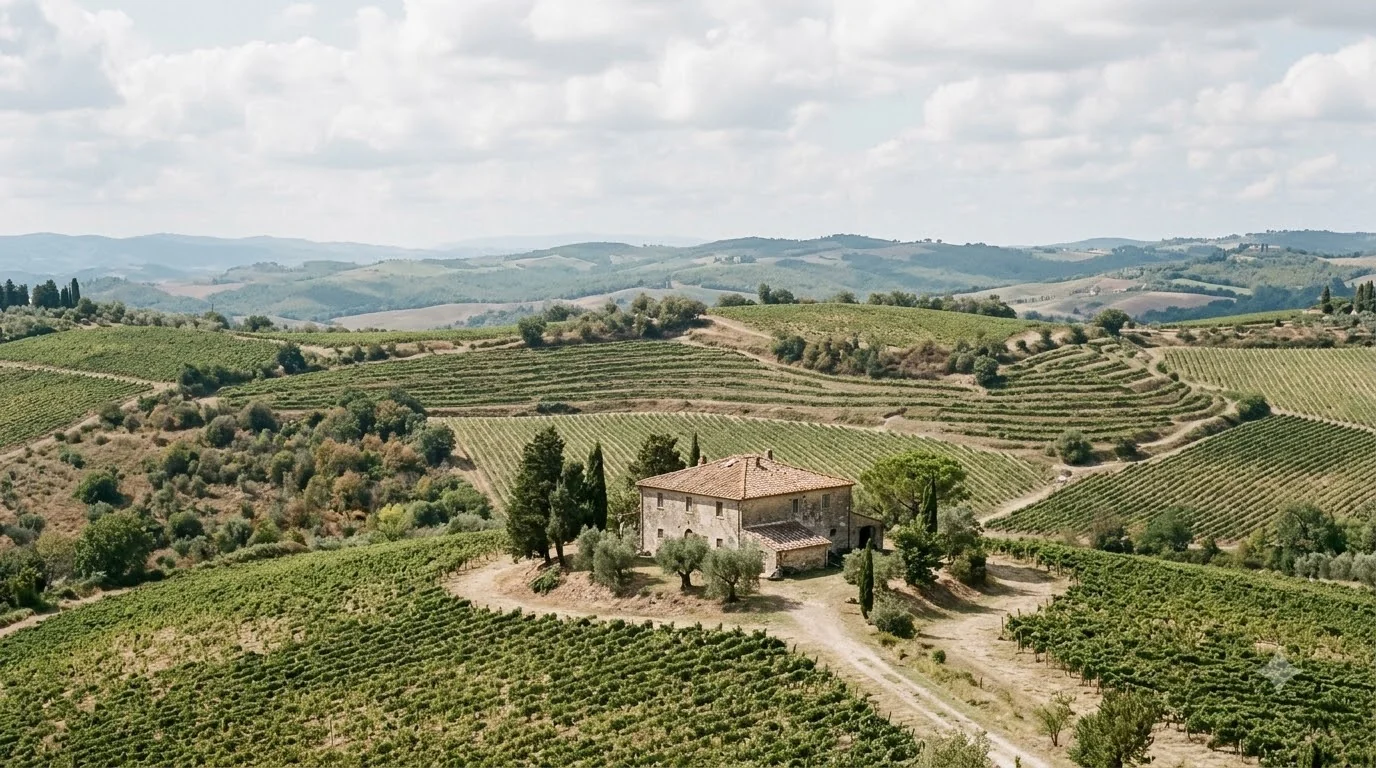
Tucked into the northwest corner of New Zealand’s South Island along the shores of Tasman Bay, Nelson is a sheltered maritime region framed by the rugged mountains of Kahurangi and Abel Tasman National Parks. Officially registered as a protected Geographical Indication in 2018, the region spans roughly 1,077 producing hectares and represents a small, quality-driven fraction of national output.
The defining environmental advantage of New Zealand Winegrowers’ Nelson region is its rare pairing of abundant sunshine and cool coastal air. Nelson regularly logs some of the highest annual sunshine totals in the country—often exceeding 2,400 hours—allowing grapes to reach full physiological ripeness over a long, dry autumn. At the same time, afternoon sea breezes rolling off Tasman Bay and cool nighttime temperatures preserve sharp natural acidity, preventing the wines from ever feeling heavy or jammy.
Modern commercial viticulture began here in 1973 when Hermann and Agnes Seifried planted vines on the Waimea Plains, followed in 1978 by Tim and Judy Finn establishing Neudorf Vineyards in Upper Moutere. Rather than expanding into massive corporate vineyards, the region grew alongside Nelson’s thriving orchard, hop-farming, and arts communities, keeping production focused on small-batch, estate-grown bottles. For readers comparing boutique wine regions across the globe, Nelson offers a quiet counterbalance to industrial-scale winemaking.
Sub-Regions: Moutere Hills vs. Waimea Plains
Although the entire winegrowing zone is compact enough to drive across in under an hour, Nelson splits into two distinct informal sub-regions—the Moutere Hills and the Waimea Plains—whose contrasting soils dictate wine weight, texture, and aroma.
Located inland to the west, the Moutere Hills consist of rolling clay-over-gravel ridges formed on an ancient seabed. These dense, water-retentive clay soils sit on warmer, north-facing slopes that encourage deep root systems, often allowing growers to farm without irrigation. Wines from Moutere are prized for structural authority: Pinot Noir shows fine-grained tannins and earthy complexity, while Chardonnay develops remarkable concentration, depth, and multi-year cellar potential.
Closer to the coastline and south of Nelson city, the Waimea Plains feature flat terrain composed of stony alluvial river gravels and flinty silt. Because these free-draining stones sit directly in the path of cooling maritime breezes, grapes ripen into lighter, brighter, and more immediately aromatic styles. Waimea Sauvignon Blanc, Riesling, and Pinot Gris display lifted floral perfumes, crisp citrus drive, and a distinct wet-stone mineral finish.
| Sub-Region | Terrain & Dominant Soils | Climate Influence | Signature Wine Profile |
|---|---|---|---|
| Moutere Hills | Rolling north-facing slopes; ancient seabed clay over gravel | Slightly warmer daytime temperatures; sheltered inland pockets | Textured, concentrated Chardonnay; structured, earthy Pinot Noir |
| Waimea Plains | Flat coastal plains; free-draining stony alluvial river gravels | Direct cooling sea breezes off Tasman Bay | Vibrant, crisp Sauvignon Blanc, Pinot Gris, and Riesling with flinty minerality |
Key Grapes and Wine Styles
Sauvignon Blanc accounts for roughly 60 percent of Nelson’s vineyard plantings, followed by Pinot Noir, Pinot Gris, Chardonnay, and aromatic white varieties such as Riesling and Gewürztraminer.
According to Wine Folly’s regional breakdown of New Zealand Sauvignon Blanc, Nelson’s cooler, coastal climate yields a noticeably more restrained expression than neighboring Marlborough. Rather than aggressive green bell pepper or pungent herbaceousness, Nelson Sauvignon Blanc leans toward ripe tropical fruit—passionfruit, guava, and white peach—balanced by fresh herbal nuances, crisp acidity, and a chalky or flinty mineral backbone.
Chardonnay and Pinot Noir represent the region’s critical benchmarks, especially from the clay soils of Upper Moutere. Nelson Chardonnay combines pure stone-fruit and citrus intensity with taut acidity and subtle French oak integration, delivering an elegance that rivals classic Burgundian villages like Aloxe-Corton wine while retaining unmistakable South Island brightness. Meanwhile, Nelson Pinot Noir avoids heavy extraction in favor of silky red cherry, wild thyme, warm baking spice, and supple tannins.
Aromatic whites also thrive in Nelson’s long, sunny autumns. Producers craft dry, off-dry, and late-harvest styles of Riesling, textured Pinot Gris with baked pear and spice notes, and fragrant Gewürztraminer, alongside emerging plantings of Albariño and Grüner Veltliner.
Notable Producers to Know
Because family-owned boutiques define Nelson’s wine landscape, a handful of pioneering estates and dedicated single-vineyard growers have established the region’s reputation for quality.
Neudorf Vineyards, founded in 1978 by Tim and Judy Finn in Upper Moutere, is widely regarded as Nelson’s benchmark producer. Farming dry-grown clay-and-gravel hillsides, Neudorf gained international acclaim for its Moutere Chardonnay and Tom’s Block Pinot Noir, proving that Nelson wines can age gracefully for a decade or more.
Seifried Estate, established on the Waimea Plains in 1973 by Hermann and Agnes Seifried, holds the distinction of being the South Island’s oldest commercial vineyard. Remaining family-operated across generations, Seifried produces a wide spectrum of varietals—from crisp Sauvignon Blanc and Zweigelt to botrytized Sweet Agnes Riesling—under labels including Seifried, Aotea, and Old Coach Road.
Other respected names documented by regional wine authorities include Greenhough Vineyard, Brightwater Vineyards, Waimea Estates, Kahurangi Estate (home to 1973 Riesling vines), Flaxmore Vineyards, Rimu Grove, Kina Beach Vineyard, and Gravity Winery. Many of these wineries operate on tiny production runs, meaning their single-vineyard bottlings are best experienced directly at the cellar door or through specialized importers.
Tip: When shopping for Nelson bottles in the US, check the back label for sub-regional clues—look for “Moutere” when you want rich, barrel-aged Chardonnay or structured Pinot Noir, and “Waimea” when you prefer zesty, mineral-driven whites.
Visiting Tips for Nelson Cellar Doors
Visiting Nelson offers a relaxed, personal alternative to busier wine trails, with cellar doors clustered conveniently along the Moutere Highway and across the Waimea Plains just southwest of Nelson city.
Because the distances between the coast and the inland hills are short, travelers can easily sample both sub-regions in a single day, though spending two days allows time to pair wine tasting with the area’s local art galleries, orchard farm stalls, and hop-growing valleys. Much like planning a leisurely route for Beaune wine tasting in France or touring historic Augusta vineyards in Missouri, pacing your itinerary around small, appointment-friendly estates yields the most rewarding conversations with the people making the wine.
Cyclists frequently explore the region via Tasman’s Great Taste Trail, an off-road coastal and countryside bike route that links Nelson, Richmond, Brightwater, and the coastal village of Māpua with several nearby cellar doors. Since many boutique tasting rooms operate with seasonal hours or require advance reservations during quieter months, calling ahead before setting out ensures every gate is open.
How to Buy and Serve Nelson Wine
Outside New Zealand, Nelson wines appear in smaller quantities than Marlborough labels, so knowing what to look for on retail shelves and how to serve each style will help you get the most out of every bottle.
Because boutique estates prioritize single-vineyard and small-lot releases, specialty independent wine shops and online fine-wine merchants carry a far broader selection of Nelson producers than big-box grocery chains. Look closely at vintage dates: Waimea Sauvignon Blanc, Pinot Gris, and dry Riesling shine brightest within one to three years of harvest when their citrus and floral aromatics are at peak vibrancy, whereas Moutere Chardonnay and Pinot Noir reward three to eight years of cellar aging.
Serve Nelson Sauvignon Blanc, Riesling, and Pinot Gris well chilled at 45°F to 50°F (7°C to 10°C) in a standard white wine glass to highlight their crisp acidity and coastal salinity. For barrel-fermented Moutere Chardonnay, a slightly warmer temperature of 50°F to 55°F (10°C to 13°C) in a wider-bowled glass lets its stone-fruit depth and subtle oak nuances unfold. Serve Nelson Pinot Noir lightly chilled at 55°F to 60°F (13°C to 15°C) alongside local-inspired pairings such as pan-seared salmon, roasted lamb rack, or soft washed-rind cheeses.
Frequently Asked Questions
How is Nelson wine different from Marlborough wine?
Nelson sits just northwest of Marlborough on New Zealand’s South Island, but it is smaller, slightly cooler along the coast, and focused on boutique family-owned wineries rather than large-scale commercial production. Its Sauvignon Blanc tends to be more restrained and tropical with softer herbal notes, while clay soils in the Moutere Hills give Nelson a stronger reputation for age-worthy Chardonnay and structured Pinot Noir.
What is the most famous grape in the Nelson wine region?
Sauvignon Blanc is the most widely planted grape in Nelson, making up roughly 60 percent of the region’s total vineyard area. However, wine critics and collectors equally prize Nelson for its barrel-fermented Chardonnay, silky Pinot Noir, and aromatic white wines like Riesling and Pinot Gris.
What are the two main sub-regions of Nelson?
Nelson is divided into the Moutere Hills and the Waimea Plains. The Moutere Hills feature rolling clay-over-gravel slopes that produce rich, textured Chardonnay and structured Pinot Noir, while the flatter, stony alluvial soils of the Waimea Plains yield lighter, crisper Sauvignon Blanc and aromatic whites.
When was winegrowing established in Nelson, New Zealand?
Modern commercial winegrowing in Nelson began in 1973 when Hermann and Agnes Seifried planted the South Island’s first commercial vineyard on the Waimea Plains. Tim and Judy Finn followed in 1978 by establishing Neudorf Vineyards in Upper Moutere, and Nelson was formally registered as a protected Geographical Indication in 2018.
From dry-grown clay hillsides in Upper Moutere to breezy gravel plains along Tasman Bay, Nelson proves that New Zealand’s South Island holds far more nuance than a single blockbuster grape. Seeking out a bottle from this sunny coastal enclave rewards curious drinkers with pure fruit, vibrant natural acidity, and genuine small-estate craftsmanship.
More in Wine Regions
 Willcox Wine Trail: Discover Arizona’s High-Elevation Wine CountryUpdated Nov 20, 2026
 Yakima Valley Wine Region: Find the Best Styles to TryUpdated Nov 20, 2026
 Vosne Romanee Wine Tasting: Identify Aromas and Choose Better PairingsUpdated Nov 20, 2026
 Yakima Valley Wine Festival: Find the Best Seasonal Wine EventsUpdated Nov 20, 2026
 Wales Vineyards: Discover Cool-Climate Wines and Where to VisitUpdated Nov 20, 2026
 Yountville Wine Festival: Discover Napa Wines and Local FoodUpdated Nov 20, 2026