

We may earn a commission when you buy through links on this page, at no extra cost to you. Learn more.
The navarra wine region is a diverse wine-producing area in northern Spain known for Garnacha rosé, expressive red wines, and increasingly interesting white wines. Its five production areas stretch from the cooler foothills near the Pyrenees to the warmer, drier landscapes of the Ebro Valley. Garnacha and Tempranillo are central to its identity, while Chardonnay, Cabernet Sauvignon, Merlot, and other varieties add considerable diversity. Understanding its geography and grapes makes it easier to find a Navarra wine that suits your taste.
Navarra offers a different perspective on Spanish wine. Although it shares a broader northern Spanish wine culture with neighboring Rioja, it has developed its own identity through a combination of traditional Garnacha cultivation, distinctive rosé production, and international grape varieties. Its wines range from fresh, fruit-driven bottles intended for early drinking to structured reds with considerable depth. The region’s varied climates and soils also explain why two wines carrying the same Navarra designation can taste remarkably different. For anyone exploring Spanish wine beyond familiar names, Navarra is an especially rewarding place to start.
Where Navarra Is Located and What Makes Its Climate Different
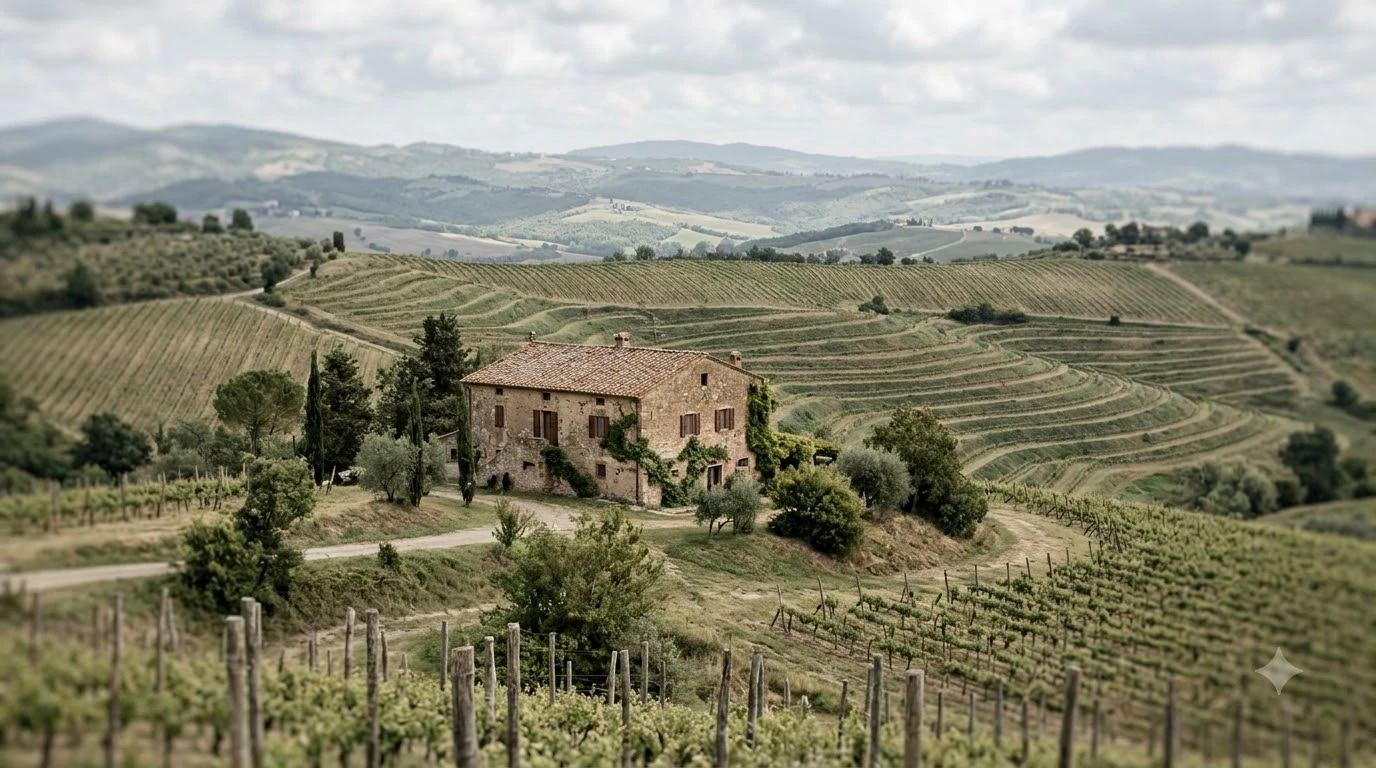
Navarra’s defining characteristic is geographical diversity within a relatively compact wine-producing area. Its vineyards experience Atlantic, continental, and Mediterranean influences, creating different growing conditions from the northern mountains to the southern Ebro Valley.
The Navarra Denomination of Origin covers an area in northern Spain extending approximately 100 kilometers from the surroundings of Pamplona toward the Ebro River. The region sits between the Pyrenees and the warmer landscapes of northeastern Spain. This position creates an interesting combination of mountain influence, continental temperature changes, and Mediterranean warmth. According to the Navarra regulatory council, the designation encompasses more than 8,000 hectares of vineyards. The council’s official overview of the Navarra Denomination of Origin explains how these geographical contrasts contribute to the area’s wine identity.
The northern areas generally receive more rainfall and experience cooler conditions. Their proximity to the Pyrenees and Atlantic-influenced weather helps preserve freshness in the grapes. Moving south, temperatures become warmer and rainfall generally decreases. The vineyards around the Ebro Valley experience more Mediterranean and continental characteristics, encouraging fuller-bodied wines and reliable grape ripening.
These climatic differences matter because grape varieties respond differently to heat, rainfall, and temperature changes. Garnacha performs particularly well in warmer environments, producing ripe fruit flavors while retaining useful acidity. Tempranillo also benefits from suitable growing conditions, developing ripe fruit and the structure necessary for both young wines and barrel-aged bottlings. Chardonnay can express a fresher character in cooler locations, while warmer sites may produce broader, more generous styles.
Soils also vary across the designation. Limestone, clay, gravel, alluvial deposits, and stony ground contribute to the region’s range of vineyard conditions. The hills around Tierra Estella contain rocky and limestone-rich soils, while some southern areas have sandier and poorer soils. These differences influence drainage, water availability, and vine development.
Another important geographical reference is the Bardenas Reales landscape in southern Navarra. This striking, semi-arid environment illustrates how dramatically the region changes from north to south. Vineyards growing near this landscape experience a very different environment from those situated closer to the wetter northern valleys.
For wine drinkers, the practical lesson is that Navarra should not be treated as one uniform style. A Garnacha from a cooler northern location may emphasize freshness and red fruit, while one from a warmer southern vineyard may show more concentrated fruit and a fuller texture. Understanding the region’s geography provides a useful starting point for exploring its bottles.
The Five Wine-Growing Areas of Navarra
Navarra has five recognized production areas: Baja Montaña, Valdizarbe, Tierra Estella, Ribera Alta, and Ribera Baja. Each has different geographical and climatic characteristics that influence the wines produced there.
Baja Montaña lies in northeastern Navarra, where varied terrain, valleys, and foothills create distinctive vineyard conditions. Garnacha is particularly important here, and the area has a strong association with rosé production. Its wines can show vibrant fruit, attractive color, and refreshing acidity. Red Garnacha is also worth exploring, particularly for drinkers interested in wines that express the grape beyond its traditional rosé role.
Valdizarbe is the smallest and most humid of the five areas. Located in the northern part of the designation, it has an Atlantic influence and receives more rainfall than the drier southern zones. Vineyards occupy slopes and terraces around the Arga River. Its conditions encourage wines with freshness and balanced structure, making the area interesting for both white and red wine exploration.
Tierra Estella occupies the western part of Navarra and has a varied landscape of hills, mountains, rivers, and plains. Tempranillo is especially important here, while Chardonnay is also cultivated. The village of Villa de Monjardín is one of the recognizable wine destinations in the area. Limestone-rich and rocky soils contribute to the distinctive character of its vineyards.
Ribera Alta occupies the central part of the region and includes the surroundings of Olite, one of Navarra’s best-known wine towns. According to Spain’s official tourism website, the area contains almost 5,000 hectares of vineyards. Its relatively warm conditions allow several varieties to ripen successfully, including Garnacha, Tempranillo, and international grapes.
Ribera Baja lies farther south and extends into the Ebro Valley. It is the driest of the five production areas and experiences warmer, more Mediterranean conditions. Garnacha has an important presence here, and the climate can support ripe, concentrated red wines. It is a useful area to explore when looking for a richer interpretation of Navarra’s traditional red grapes.
| Production area | Geographical position | Key characteristic | Wine styles to explore |
|---|---|---|---|
| Baja Montaña | Northeast | Foothills and varied terrain | Garnacha rosé and red |
| Valdizarbe | North-central | Smallest and most humid area | Fresh whites, rosés, and reds |
| Tierra Estella | West | Hills and limestone-rich soils | Tempranillo and Chardonnay |
| Ribera Alta | Central Navarra | Olite and warmer transitional conditions | Garnacha and Tempranillo |
| Ribera Baja | South | Driest and warmest conditions | Ripe Garnacha and structured reds |
These five areas help explain why Navarra has such a broad range of wines. A bottle from Valdizarbe may offer a different balance of freshness and fruit from one produced in Ribera Baja. The distinction is particularly useful when comparing wines made from the same grape. Rather than choosing only by variety, consider the production area as another indication of the style you might encounter.
Garnacha, Tempranillo, and the Other Important Grapes
Navarra’s wine identity begins with Garnacha and Tempranillo, but its vineyards also include several international and regional varieties. The combination allows producers to make traditional rosés, approachable reds, more structured blends, and a growing selection of distinctive whites.
Garnacha, also known internationally as Grenache, is the region’s emblematic grape. It has a long history in Navarra and remains particularly important for both rosé and red wine. The official Navarra wine organization identifies Garnacha as a leading variety, with its historical presence especially strong in the northeastern and southern production areas.
In rosé production, Garnacha is valued for its aromatic fruit, color, and ability to retain refreshing acidity. Its red wines can show ripe strawberry, raspberry, cherry, and sometimes herbal or spicy characteristics. Depending on vineyard conditions and winemaking, the wines may be light and approachable or considerably more concentrated. Some producers also make aged Garnacha bottlings that demonstrate the grape’s ability to develop complexity.
Tempranillo is another central variety. Widely associated with Spanish red wine, it can produce wines with red and dark fruit, moderate-to-firm tannins, and enough structure for aging. In Navarra, it appears in both varietal wines and blends. Tierra Estella is particularly associated with the grape, although it is cultivated throughout the designation.
Several international red varieties also contribute to Navarra’s range:
- Cabernet Sauvignon: Adds structure, darker fruit characteristics, and firmer tannins. It can contribute depth to blends or appear in varietal bottlings.
- Merlot: Usually produces softer, rounder wines with plum and black cherry characteristics. Its relatively approachable tannins make it useful in blends.
- Syrah: Can contribute dark fruit, pepper, and savory characteristics, particularly in warmer growing conditions.
- Graciano: Offers pronounced acidity, deep color, and firm tannins. It is often useful for adding structure to red blends.
- Pinot Noir: Provides an alternative red wine style, typically emphasizing red fruit, freshness, and comparatively restrained tannins.
White wines are another important part of Navarra’s identity. Chardonnay is the most representative white variety according to the regional wine organization. It produces both young wines and barrel-fermented examples. Depending on the style, expect citrus, apple, pear, and stone-fruit flavors, with oak-aged versions potentially adding toast, vanilla, and a richer texture.
Other white varieties include Viura, Sauvignon Blanc, Garnacha Blanca, Moscatel de Grano Menudo, Malvasia, and Oneca. Viura can produce fresh, relatively restrained wines, while Sauvignon Blanc offers more pronounced citrus and herbal notes. Moscatel de Grano Menudo is particularly interesting for aromatic wines, including sweeter expressions.
The Navarra regulatory council reports that native varieties occupy more than 70% of its vineyard area. This is an important distinction: although international varieties are part of the region’s modern wine identity, its historical grapes remain central to its character.
For further comparisons between grape varieties and their regional expressions, explore our broader Wine Regions resource. It provides a useful framework for understanding why similar grape varieties can produce different wines in different parts of Europe.
What Navarra Wines Taste Like and Which Styles to Try
Navarra produces red, white, rosé, and sweet wines, with Garnacha rosé among its best-known specialties. The most useful way to understand the region is to consider each style separately rather than assuming every Navarra bottle tastes alike.
Navarra rosé
Rosé has traditionally been one of Navarra’s strongest categories. The region is particularly associated with Garnacha-based rosado, a Spanish term for rosé wine. These wines are commonly dry, fresh, fruity, and attractive in color. Typical aromas include strawberry, raspberry, red cherry, and citrus.
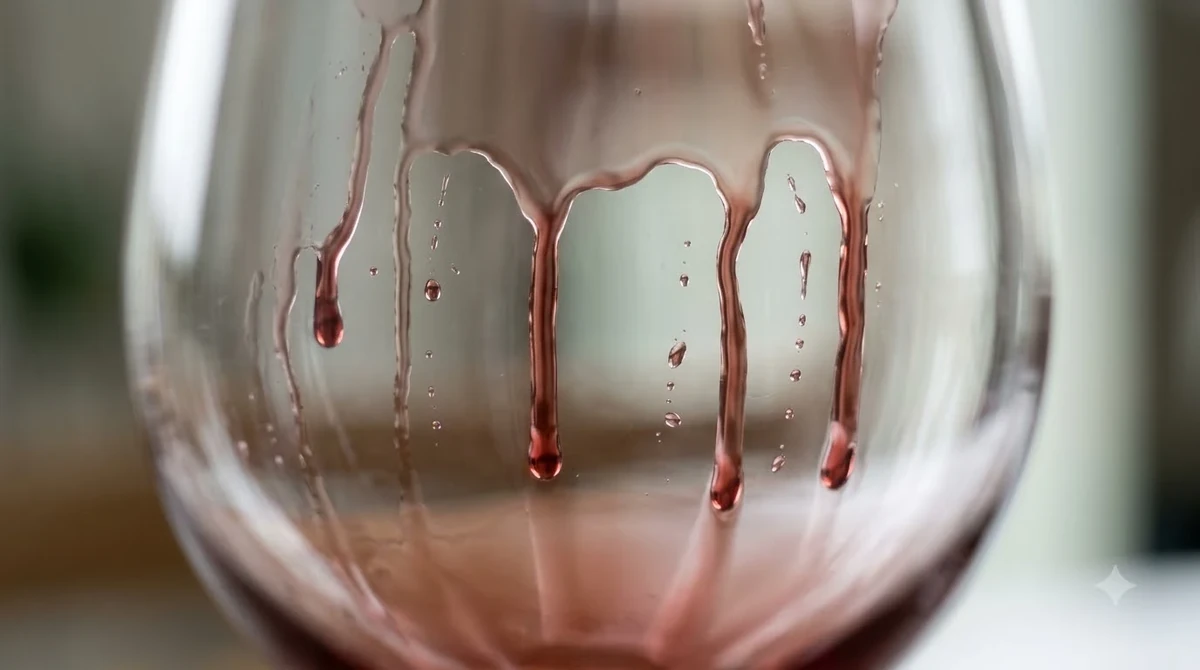
Many Navarra rosés are made using the saignée method, also called bleeding. Producers allow crushed red grapes to remain in contact with their skins for a limited period. Some of the juice is then separated from the skins, carrying color and aromatic compounds into the wine. The resulting rosé can have greater color intensity and a more pronounced fruit character than a very pale, lightly extracted style.
Do not assume that Navarra rosé is sweet simply because it has generous fruit aromas. Dry rosé is a major part of the region’s identity. Its combination of acidity and red-fruit flavors makes it especially versatile at the table.
Navarra red wine
Red Navarra wines range from light, youthful expressions to structured wines with oak influence. Garnacha-based examples often emphasize ripe cherry, raspberry, and spice, while Tempranillo can show plum, red berries, and more noticeable tannin. Cabernet Sauvignon and Merlot frequently contribute additional structure and dark-fruit flavors.
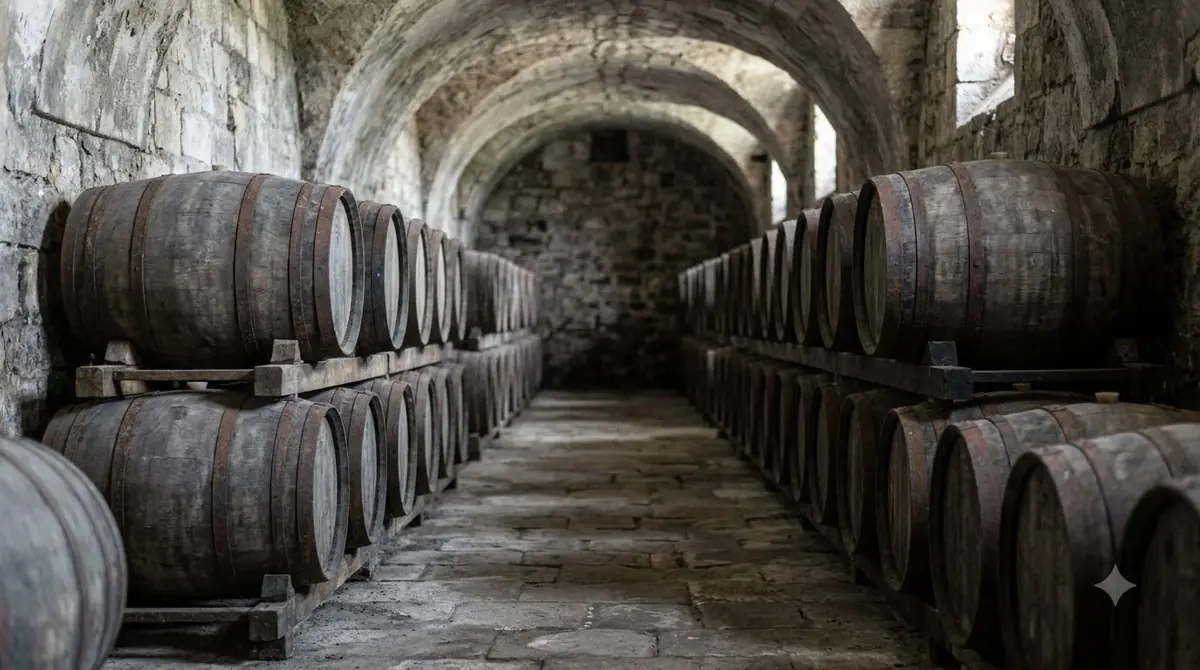
Young reds are generally fruit-focused and can be enjoyed without extended aging. Reserva-style bottlings and other oak-aged wines may show more developed flavors, including vanilla, cedar, tobacco, and dried fruit. The precise character depends on the grapes, vineyard location, barrel treatment, and time spent aging.
When choosing a red, consider the structure you prefer. Garnacha is a good starting point for people who enjoy expressive fruit and moderate tannins. Tempranillo offers a familiar Spanish red-wine profile, while Cabernet Sauvignon-based blends may appeal to drinkers who prefer firmer structure.
Navarra white wine
Chardonnay is the principal starting point for Navarra white wine. Unoaked examples can emphasize apple, pear, citrus, and freshness. Barrel-fermented versions may have more weight and flavors of toasted nuts, vanilla, and baked apple.
Sauvignon Blanc offers another direction, particularly for people who enjoy aromatic whites with citrus, herbs, and higher acidity. Viura is a useful alternative for drinkers who prefer a less intensely aromatic wine. Moscatel-based wines can be particularly fragrant and may be made in sweeter styles.
Sweet and aromatic wines
Navarra also produces sweet wines, including expressions made from Moscatel. These wines can offer floral aromas, orange blossom, citrus peel, and ripe stone fruit. Their sweetness makes them particularly suitable for dessert pairings, provided the wine is at least as sweet as the food.
The region’s diversity means there is no single flavor profile that defines every bottle. A dry Garnacha rosé, a barrel-fermented Chardonnay, and an aged Tempranillo can be very different experiences while all representing Navarra.
How to Pair Navarra Wine With Food
Navarra’s range of wine styles makes food pairing straightforward. Fresh rosé works with vegetables, seafood, and lighter meats, while Garnacha and Tempranillo reds are natural companions for grilled dishes, roasted meats, and Spanish-inspired meals.
Start with Garnacha rosé if the meal includes tapas or a selection of different dishes. Its acidity and fruit can complement Spanish tortilla, grilled vegetables, olives, mild cheeses, and seafood preparations. A dry rosé also works well with tomato-based dishes because its freshness helps balance the food’s acidity.
For seafood, choose a fresh Navarra Chardonnay or Sauvignon Blanc. These wines can accompany grilled prawns, white fish, shellfish, and seafood rice. A lighter Garnacha rosé is another possibility, particularly when the dish includes tomatoes, peppers, or herbs. Avoid pairing strongly tannic reds with oily fish because the combination can create an unpleasant metallic impression.
Tempranillo is a natural choice for roasted lamb, grilled pork, beef, and dishes containing paprika. Its fruit and structure work well with browned meat and savory sauces. Garnacha reds are particularly appealing with roasted chicken, pork chops, grilled sausages, and vegetable stews.
For richer dishes, consider Cabernet Sauvignon or a structured red blend. The tannins in these wines interact favorably with protein and fat, which can make the wine feel softer. A Merlot-based wine is a useful alternative when the dish is flavorful but you prefer a less aggressive tannin profile.
Cheese pairings depend on intensity. Fresh rosé and white wines work well with fresh goat cheese and young sheep’s milk cheese. Medium-bodied Garnacha can accompany semi-aged cheeses, while structured Tempranillo or Cabernet-based wines are better suited to mature, harder cheeses.
Spicy dishes require a little more care. High alcohol and tannin can intensify the sensation of chili heat. If a dish contains substantial fresh chili, choose a fresher, lower-alcohol white or rosé rather than a powerful, tannic red. For sweet dishes, select a wine that is at least as sweet as the dessert so the wine does not taste harsh or sour.
Tip: When serving several Navarra wines with one meal, begin with a fresh white or rosé, move to a lighter Garnacha red, and finish with a more structured Tempranillo or Cabernet-based wine. This progression allows the stronger flavors and tannins to arrive after the more delicate wines.
Navarra’s food culture also provides plenty of regional inspiration. The wider Navarrese culinary tradition includes vegetables, peppers, lamb, pork, and dishes influenced by both mountain and Mediterranean cooking. These ingredients help explain why the region’s rosés and reds are so versatile at the table.
How to Choose, Serve, and Store Navarra Wine
The easiest way to buy Navarra wine is to begin with the grape variety and desired style, then use the production area and aging information to narrow the selection. Correct serving temperatures and storage also make a noticeable difference to the wine’s aroma and balance.
For a first bottle, dry Garnacha rosé is an excellent introduction. It communicates an important part of Navarra’s wine identity and generally works with a wide range of food. If you prefer red wine, try a Garnacha-based bottling for ripe fruit and a relatively approachable structure, or choose Tempranillo for a more traditional Spanish red-wine experience.
For white wine drinkers, Chardonnay is a sensible starting point. Decide whether you prefer a fresh, unoaked style or a richer barrel-fermented version. Sauvignon Blanc is another useful choice for those who enjoy citrus and herbal aromas. If sweetness is your preference, explore Moscatel-based wines.
Pay attention to the production area when comparing bottles. A wine from Valdizarbe may offer a fresher expression, while one from Ribera Baja may have riper fruit because of the warmer, drier conditions. Tierra Estella is an interesting area to investigate for Tempranillo and Chardonnay, and Baja Montaña is particularly relevant when exploring Garnacha rosé.
Serving temperature should reflect the wine’s structure rather than simply whether it is red or white. Light reds benefit from a slight chill, while fuller-bodied reds need a little more warmth to express their aromas.
| Navarra wine style | Suggested serving temperature | Typical food pairing |
|---|---|---|
| Dry Garnacha rosé | 45–50°F | Tapas, seafood, salads |
| Fresh Chardonnay | 45–50°F | Grilled fish, chicken |
| Barrel-fermented Chardonnay | 50–55°F | Roast poultry, creamy dishes |
| Light Garnacha red | 55–60°F | Roasted vegetables, pork |
| Medium-bodied Tempranillo | 60–65°F | Lamb, grilled beef |
| Full-bodied Cabernet blend | 60–65°F | Steak, mature cheese |
| Sweet Moscatel | 43–50°F | Fruit desserts, pastries |
These temperatures are useful starting points rather than strict rules. Serving a full-bodied red too warm can make its alcohol seem more prominent, while an excessively cold white can hide its aromas. A short period in the refrigerator can help bring a warm bottle into the appropriate range.
Pour approximately 5 ounces per glass. A standard 750 ml bottle provides about five servings at that pour size. This is useful when planning a meal with multiple Navarra styles, particularly if you want to compare rosé, white, and red wines without opening unnecessarily large quantities.
Storage is equally important. Keep unopened bottles away from direct sunlight, temperature fluctuations, and excessive heat. Bottles intended for extended storage should generally lie on their sides, in a cool location near 55°F. Once opened, refrigerate still wines and aim to finish them within approximately three to five days. Sparkling wines generally retain their best qualities for one to three days after opening, with a suitable closure.
Some young, full-bodied Navarra reds benefit from decanting for 30 to 60 minutes before serving. This can help soften the initial impression of concentrated fruit and tannin while allowing the wine’s aromas to develop. Lighter Garnacha and rosé usually need no decanting.
Finally, explore Navarra alongside other lesser-known European wine areas. Regions such as the Savoie wine region demonstrate how mountain geography can influence freshness, grape selection, and wine styles. Comparing these regions with Navarra is a useful way to understand the relationship between climate, place, and the finished wine.
Frequently Asked Questions
Is Navarra part of Rioja?
No. Navarra and Rioja are separate wine-producing regions with their own geographical boundaries and designations of origin. Navarra has its own regulatory council and five recognized production areas. Although both regions produce important Spanish red wines, their wine identities and regional classifications are distinct.
What does Navarra mean in Spanish wine terminology?
Navarra refers to the northern Spanish region and its protected wine designation, rather than a particular grape variety or winemaking technique. The designation identifies wines produced according to its geographical and production requirements. The word rosado, frequently seen on Spanish labels, means rosé and describes a wine style rather than a regional classification.
What is the difference between rosado and rosé?
Rosado is the Spanish word for rosé, so the two terms describe the same broad wine category. The difference is primarily linguistic and reflects the language used on the label. Navarra rosados are particularly associated with Garnacha and can range from pale pink to more intensely colored expressions.
Can Navarra wine be aged for several years?
Yes. Although many Navarra rosés and young reds are intended for relatively early drinking, selected structured reds can develop with bottle age. The aging potential depends on grape variety, vineyard quality, acidity, tannin, concentration, and winemaking decisions. Tempranillo and carefully produced Garnacha reds are particularly interesting categories to investigate for more mature bottles.
Is Garnacha the same grape as Grenache?
Yes. Garnacha is the Spanish name for the grape known as Grenache in France and several other wine-producing countries. The variety is also associated with the name Cannonau in Sardinia. Its different regional expressions reflect variations in climate, soil, vineyard practices, and winemaking rather than different grape species.
The Navarra wine region deserves attention for much more than its traditional Garnacha rosé. Its five production areas, combination of native and international grapes, and contrasting northern and southern climates create an impressive range of wine styles. Start with a dry Garnacha rosado, explore a Tempranillo or Garnacha red, and then compare the region’s Chardonnay and aromatic whites. These bottles offer an enjoyable introduction to one of northern Spain’s most diverse wine-producing regions.
More in Wine Regions
 Willcox Wine Trail: Discover Arizona’s High-Elevation Wine CountryUpdated Nov 20, 2026
 Yakima Valley Wine Region: Find the Best Styles to TryUpdated Nov 20, 2026
 Vosne Romanee Wine Tasting: Identify Aromas and Choose Better PairingsUpdated Nov 20, 2026
 Yakima Valley Wine Festival: Find the Best Seasonal Wine EventsUpdated Nov 20, 2026
 Wales Vineyards: Discover Cool-Climate Wines and Where to VisitUpdated Nov 20, 2026
 Yountville Wine Festival: Discover Napa Wines and Local FoodUpdated Nov 20, 2026