

We may earn a commission when you buy through links on this page, at no extra cost to you. Learn more.
Naoussa vineyards are among Greece’s most important red wine-growing areas, producing distinctive, age-worthy wines from the indigenous Xinomavro grape on the southeastern slopes of Mount Vermio in northern Greece. Located in the Imathia region of Central Macedonia, this historic wine district is known for its mountain-influenced climate, varied soils and structured red wines. Its combination of high acidity, firm tannins and savory aromas makes Naoussa an especially interesting destination for wine enthusiasts who appreciate traditional European reds.
Greece has a long winemaking history, but Naoussa deserves particular attention for the relationship between its landscape and its signature grape. The region offers considerable variation between vineyard sites, even though Xinomavro remains the defining variety. Understanding its villages, growing conditions and winemaking traditions helps explain why bottles from this corner of Macedonia can taste so distinctive and develop beautifully with age.
Where Naoussa’s Vineyards Are Located
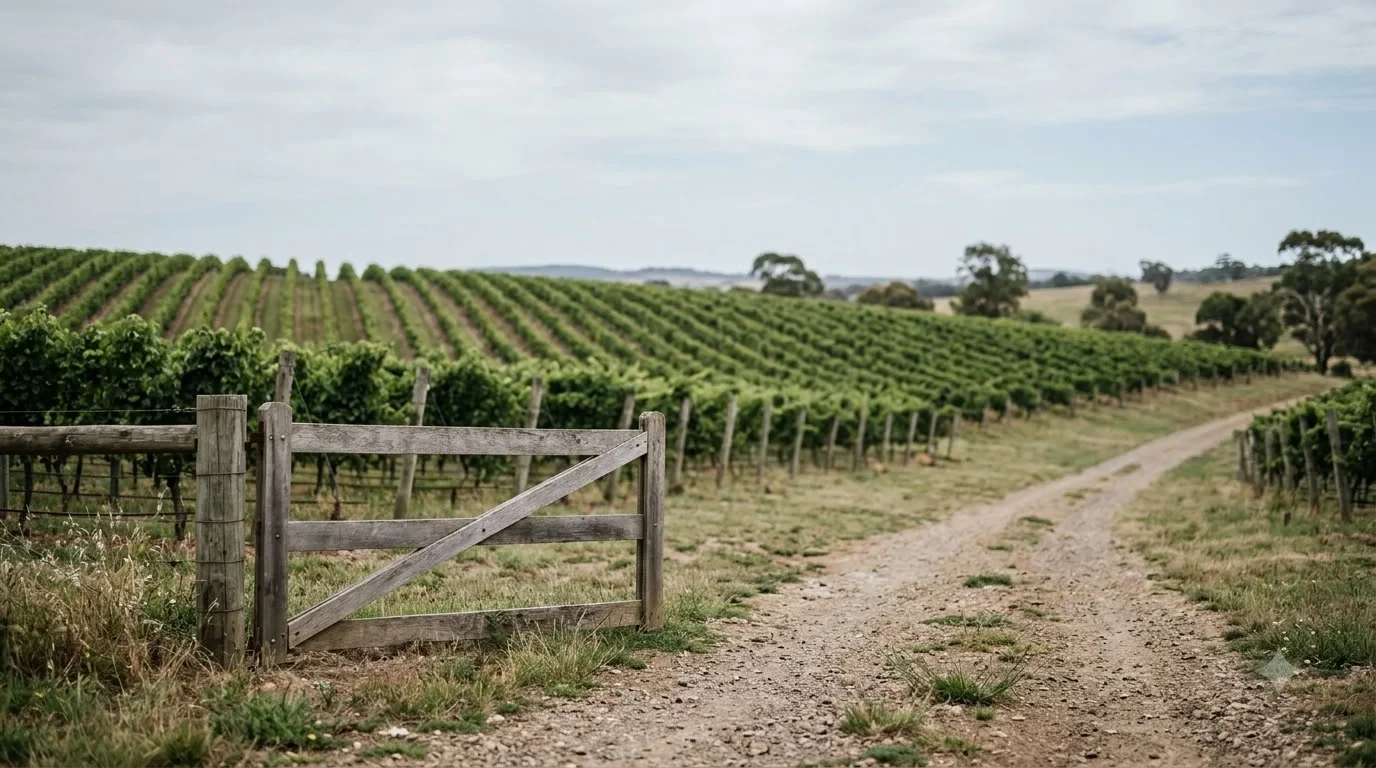
Naoussa is situated in the Imathia regional unit of Central Macedonia, in northwestern Greece. Its vineyards occupy the southeastern slopes of Mount Vermio, where mountain exposure, elevation and protection from cold northern winds help shape the growing environment.
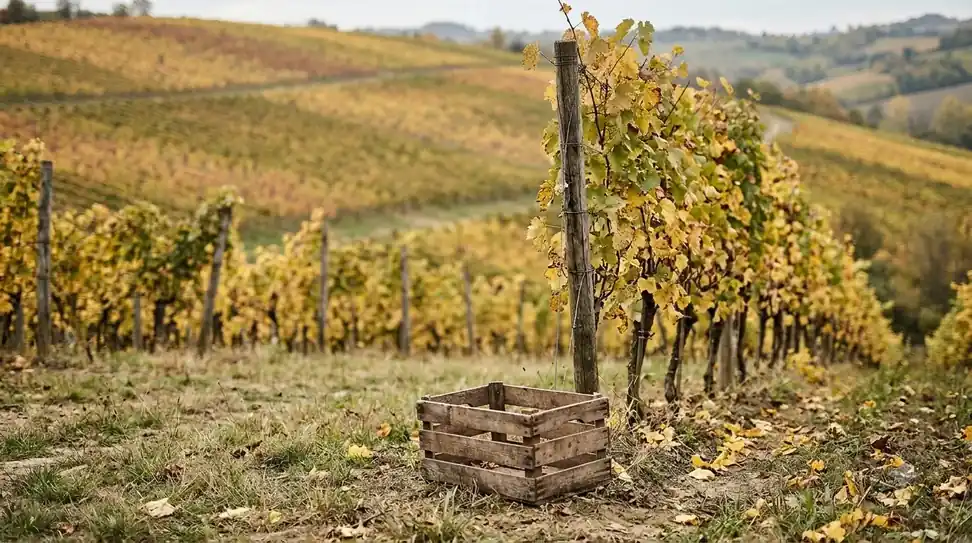
The town of Naoussa gives its name to the Protected Designation of Origin (PDO) appellation. However, the wine-growing zone extends beyond the town itself, incorporating surrounding communities including Trilofos, Fytia, Stenimachos, Kopanos, Lefkadia, Marina, Polla Nera and Giannakohori. Rodochori is another locality associated with the wider wine landscape.
Published estimates of the vineyard area differ according to the source and geographical measurement used. The regional winemakers’ association describes approximately 700 hectares, while the municipal tourism authority reports approximately 600 hectares. These figures provide a useful indication of the relatively compact scale of the appellation rather than a reason to assume that every published estimate measures precisely the same land.
The vineyards are generally found at elevations between approximately 150 and 350 meters according to the regional winemakers’ association. Wines of Greece describes a broader range extending to approximately 450 meters. This variation matters because elevation affects temperatures, growing-season conditions and the pace at which grapes ripen.
Mount Vermio is an important geographical influence. Its southeastern-facing slopes receive beneficial sunlight, while the mountain landscape provides shelter from cold northern winds. The surrounding terrain also creates different exposures, gradients and local growing conditions, giving producers opportunities to make wines with distinct personalities.
Naoussa is not simply a continuous expanse of grapevines. Vineyards alternate with fruit orchards, natural vegetation and other agricultural land. This mixed landscape is part of the area’s agricultural character and helps explain why individual vineyard surroundings can differ considerably.
The appellation is also relatively accessible to visitors exploring northern Greece. The town provides a convenient starting point for learning about local wine culture, visiting producers and discovering the surrounding countryside. Wine enthusiasts interested in comparing geographically distinct growing regions can also explore Tasmania vineyards, where a cooler island climate creates a very different set of wine-growing conditions.
Climate, Elevation and Soil Differences
Naoussa combines a Mediterranean climate with mountain influences, including cold winters, warm summers and seasonal rainfall. Its varied elevations and soils contribute to differences in grape development and the structure of finished Xinomavro wines.

The regional winemakers’ association describes frequent rainfall throughout much of the year, with summer being the principal period when drought conditions can occur. Cold northern winds are particularly associated with winter. The southeastern orientation of the vineyards helps provide sunlight while the mountain slopes offer protection from those colder winds.
These conditions matter for Xinomavro because the variety needs sufficient time to reach maturity. Its naturally high acidity and substantial tannins are important elements of its identity. Growing conditions influence how those characteristics develop alongside fruit ripeness and aromatic complexity.
Elevation creates another layer of variation. A vineyard at 150 meters does not necessarily experience the same temperatures or ripening conditions as a higher site approaching 400 or 450 meters. Differences in exposure, slope and surrounding vegetation also influence how individual parcels perform.
Understanding Naoussa’s soils
Soil diversity is one of the region’s defining characteristics. The mountainous areas around Giannakohori and Fytia are described as having sandy-clay loam soils, while flatter sections tend toward sandy clay. These differences affect drainage, water retention and the conditions under which vines grow.
Wines of Greece identifies at least 25 soil types in the Naoussa area, grouped into five principal categories. That diversity helps explain why wines made from the same grape can show different expressions depending on vineyard location.
Clay-rich soils can contribute to a setting in which vines have access to retained moisture, although the actual effect depends on soil depth, structure and local weather. Sandy components influence drainage and the movement of water through the ground. Limestone and calcium carbonate are also important elements of the region’s soil profile.
It is important not to assume that one soil type automatically produces a superior wine. Vineyard performance reflects the combination of soil, altitude, aspect, vine management and seasonal weather. A producer working with two neighboring parcels may therefore choose different harvesting dates or extraction approaches to preserve the character of each site.
For wine drinkers, the practical lesson is that Naoussa should not be treated as a single uniform flavor profile. Its wines share the identity of Xinomavro, but individual vineyard locations can introduce meaningful differences in freshness, tannin and aromatic expression.
Xinomavro: The Signature Grape of Naoussa
Xinomavro is the essential variety behind Naoussa’s international reputation. PDO regulations require Naoussa wines to be red wines made from this indigenous Greek grape, giving the appellation a clear varietal identity.
The name Xinomavro is commonly translated as sour-black, reflecting the grape’s naturally sharp acidity and dark-skinned appearance. Despite that name, finished wines are not necessarily deeply colored. Some examples have a relatively pale ruby appearance, particularly when compared with fuller-colored Mediterranean red varieties.
The grape’s most recognizable structural characteristics are high acidity and firm tannins. Young Naoussa wines can therefore feel quite demanding, especially when served without food. Their structure is one of the reasons they are frequently compared with Nebbiolo-based wines from Italy, although Xinomavro has its own distinctive aromatic identity.
Typical aromas and flavors
Young Xinomavro commonly displays red-fruit characteristics, including sour cherry and raspberry, alongside savory notes. Tomato, dried herbs, olive, spice and earthy impressions may also appear, depending on the wine’s production method and vineyard origin.
With bottle age, the aromatic profile can become more complex. Dried fruit, leather, tobacco, earthy notes and developed savory characteristics may emerge. These changes help explain why well-made Naoussa wines can reward patient cellaring.
Oak maturation is another influence. Some producers use oak to support the wine’s structure and development, while others prefer approaches that emphasize fruit, freshness and vineyard character. The amount of new oak, the size of the vessel and the duration of maturation all influence the final result.
Although PDO Naoussa is exclusively associated with Xinomavro, this does not mean every bottle tastes identical. Differences in harvest timing, fermentation, extraction, oak treatment and bottle aging can produce noticeably different expressions of the same variety.
How Naoussa compares with other Greek appellations
Naoussa is not the only important Greek appellation for Xinomavro. PDO Amynteo also focuses on the variety, but its higher-altitude plateau setting and proximity to lakes create a different growing environment. Amynteo additionally permits several wine styles, including rosé and naturally sparkling wines.
Other northern Greek appellations use Xinomavro in blends. PDO Goumenissa combines it with Negoska, while PDO Rapsani uses Xinomavro alongside Stavroto and Krasato. These differences in appellation rules are important when selecting Greek wines because the grape composition and resulting wine style can vary significantly.
For a broader understanding of how geography and grape selection influence wine styles around the world, the Wine Regions resource provides useful context for comparing appellations and their distinctive characteristics.
Important Naoussa Villages and Vineyard Areas
Naoussa’s villages provide a useful starting point for understanding the region’s vineyard diversity. Although the appellation does not have formally established village-level sub-appellations, growers and wine enthusiasts recognize differences between several important localities.
Giannakohori is particularly interesting for its higher-altitude vineyards and reputation for fresh, structured Xinomavro. Its mountainous setting creates growing conditions that can emphasize acidity, aromatic detail and a firm framework. The area is also associated with some of the region’s prominent modern wine producers.
Fytia is another important vineyard locality. Its mountainous soils are described as sandy-clay loam, and the combination of terrain and exposure contributes to the broader diversity of Naoussa wines. Comparing wines from Fytia with those from lower locations can reveal how local conditions influence the grape.
Trilofos is recognized for a relatively softer expression of Xinomavro. This does not mean the wines lose the variety’s characteristic acidity or structure, but their fruit and tannin balance may feel different from more austere examples.
Gastra is associated with a more tannic expression, according to Wines of Greece. This distinction is useful for understanding how individual communities can develop recognizable reputations even without formal sub-appellation status.
Other localities, including Stenimachos, Kopanos, Lefkadia and Marina, contribute to the geographical range of the PDO. Their inclusion illustrates why a bottle labeled Naoussa can represent grapes from different parts of the appellation rather than a single village or vineyard.
Producers to know
Several wineries have helped establish the reputation of Naoussa wines. Boutari is historically significant because the first modern Greek wine was bottled in Naoussa in 1905 under the Naoussa Boutari name.
Kir-Yianni is another important producer associated with the region. Its Naoussa wines provide opportunities to explore how vineyard selection and winemaking choices influence Xinomavro. Single-vineyard and broader regional bottlings can offer different perspectives on the same grape.
Domaine Thymiopoulos is also closely associated with the modern development of Naoussa wine. Its work has helped draw international attention to expressions of Xinomavro that emphasize freshness, site character and a less traditionally heavy approach.
VAENI Naoussa, an agricultural viticultural and winemaking cooperative, offers another perspective on regional production. Its representative Naoussa PDO wine specifications provide useful technical information about vineyard planting, harvesting, fermentation and maturation.
When comparing these producers, it is useful to look beyond reputation. Consider the vineyard origin, vintage, oak treatment, alcohol level and intended drinking window. These details can help explain why two bottles from the same appellation may have different structures and drinking experiences.
How Naoussa Vineyards Produce Their Wines
Naoussa’s winemaking traditions combine careful vineyard management with decisions about harvest timing, fermentation and maturation. The result is a range of wines that retain Xinomavro’s defining acidity and tannins while reflecting different producer preferences.
Harvest generally takes place during September and October. Exact timing depends on seasonal conditions, vineyard elevation and the desired balance between fruit maturity and acidity. Higher or cooler sites may develop differently from warmer lower-altitude parcels.
Selective harvesting is important for quality. VAEN describes transporting grapes in containers holding 20 kilograms to reduce crushing and oxidation before processing. Careful handling helps preserve the condition of the fruit between the vineyard and the winery.
Fermentation and extraction
Extraction is an important decision for Xinomavro because the grape already has considerable tannic structure. Producers must manage the contact between grape skins and fermenting juice to obtain the desired balance of color, tannin and flavor.
VAEN’s published production description specifies an extraction period of five to six days at temperatures between 28 and 30°C for its representative Naoussa wine. This is a producer-specific example rather than a universal requirement for every winery in the appellation.
Following alcoholic fermentation, malolactic fermentation can help shape the finished wine’s acidity and texture. Producers then decide how much maturation is appropriate for the wine’s intended style.
Oak and bottle maturation
Oak maturation is a significant part of traditional Naoussa production. The regional winemakers’ association states that dry PDO Naoussa wines are matured in oak barrels for at least one year. This requirement provides an important reference point when understanding the appellation’s traditional red wine style.
VAEN’s representative wine specifications describe 12 months in barrel followed by six months in bottle. The cooperative also gives a typical cellar period of three to five years for this particular wine. Other wines may have different maturation periods and aging potential.
Extended bottle aging can help integrate tannins and allow more developed aromas to emerge. However, not every Naoussa wine needs decades in a cellar. Drinking windows depend on the producer, vintage, vineyard origin and winemaking approach.
The following figures provide a practical reference for understanding the vineyard and production specifications published by VAEN. They describe one representative production example, not mandatory figures for every Naoussa winery.
| Production detail | Published figure |
|---|---|
| Planting density | 2,700–3,500 vines per hectare |
| Maximum grape production | 10,000 kg per hectare |
| Typical harvest period | September–October |
| Extraction period | 5–6 days |
| Extraction temperature | 28–30°C |
| Barrel maturation | 12 months |
| Bottle maturation | 6 months |
| Example alcohol content | 12.5% ABV |
| Example total acidity | 5.6 g/L |
| Example pH | 3.4 |
These technical details illustrate how vineyard practices and cellar decisions work together. They also provide a useful framework for comparing Naoussa wines with other Greek reds. A wine with extended oak maturation may feel more developed and integrated, while a younger release may emphasize brighter fruit and more pronounced tannins.
Food Pairings and Serving Naoussa Xinomavro
Naoussa Xinomavro is particularly suited to savory dishes with substantial protein and fat. Its high acidity and firm tannins make it an excellent partner for lamb, beef, duck, rich tomato preparations and aged hard cheeses.
Food pairing is especially important with young examples. Tannins can seem quite firm without the right accompaniment, while protein and fat help soften their impression on the palate. The wine’s acidity also provides a useful contrast to rich dishes.
Best foods to serve with Naoussa red wine
Lamb: Roast lamb with rosemary, garlic and Mediterranean herbs is a natural pairing. The savory flavors complement Xinomavro’s earthy and herbal characteristics, while the meat’s fat helps soften the tannins.
Beef: Slow-braised beef, grilled steak and traditional meat stews work particularly well. Dishes such as Greek stifado, prepared with beef, onions and aromatic spices, provide the depth needed to match a structured Naoussa red.
Duck: Roast duck breast and duck confit are suitable choices, especially for wines with some bottle age. Their richness balances the grape’s acidity and tannic structure.
Hard cheeses: Aged Parmigiano-Reggiano, Manchego and other firm, savory cheeses make useful companions. Their protein and fat help moderate the sensation of tannin, allowing the wine’s fruit and savory flavors to become more apparent.
Mushrooms: Wild mushroom risotto and mushroom-based dishes work well with mature Xinomavro. The earthy, savory qualities of the food can complement the developed aromas of an aged bottle.
Tomato dishes: Tomato-based pasta, meat ragù and roasted tomatoes are particularly interesting because Xinomavro’s natural acidity can match the acidity of the sauce. This follows an important pairing principle: acidic food generally needs a wine with equal or higher acidity.
Foods that require more care
Very sweet dishes can make a dry Naoussa red seem even more austere and tannic. Chili-heavy meals are also challenging because alcohol and tannins can amplify the perception of heat.
Oily fish such as sardines and mackerel are less reliable partners for heavily tannic Xinomavro. The combination can create an unpleasant metallic impression. Lighter Xinomavro styles may work better with grilled tuna, salmon or Mediterranean sea bass.
Serving temperature and storage
VAENI recommends serving its representative Naoussa wine at 16–18°C, equivalent to approximately 61–64°F. This falls within the general serving range for full-bodied red wines and allows the wine to show its aromatic detail without becoming excessively warm.
Young, firmly structured bottles may benefit from 30–60 minutes of decanting before serving. This gives the wine time to open and allows some of its more restrained aromas to become apparent. Older bottles should be handled more carefully because extended exposure to air can diminish delicate developed aromas.
A standard 750 ml bottle provides approximately five 5-ounce glasses. Store unopened bottles on their sides in a cool, dark location near 55°F, away from direct sunlight and major temperature fluctuations.
Tip: If a young Naoussa Xinomavro seems unusually firm, serve it with roast lamb, braised beef or aged hard cheese rather than drinking it alone. Try a serving temperature of approximately 60–64°F and allow 30–60 minutes of decanting time for a particularly structured young bottle.
For wine enthusiasts interested in comparing other regions built around distinctive indigenous grapes, Uruguay vineyards offer a contrasting introduction to South American wine, particularly the country’s relationship with Tannat. Those exploring European red wine traditions can also compare the regional identity of Chianti Classico vineyards, where Sangiovese plays the defining role.
Visiting Naoussa and Exploring Its Wine Heritage
Naoussa offers more than an opportunity to discover a distinctive Greek red wine. Its historic town, surrounding villages, mountain scenery and active winery community make it an appealing destination for travelers interested in the relationship between wine and place.
The region’s modern wine history is particularly significant. The municipal tourism authority records 1905 as the year when the first modern Greek wine was bottled in Naoussa under the Naoussa Boutari name. This milestone helped establish the town’s place in the development of modern Greek winemaking.
The region received another important recognition in 1971, when PDO Naoussa was established. The designation formalized the connection between the geographical area, Xinomavro and the wine produced under its regulations.
In 1987, Naoussa was declared an International City of Wine and Vine by the International Organisation of Vine and Wine. This recognition further emphasized the town’s longstanding relationship with viticulture and its importance within the broader Greek wine industry.
Wineries and wine tourism
Visitors can explore wineries offering vineyard walks, cellar tours and tastings. These experiences provide an opportunity to understand how differences in elevation, exposure and soil influence the wine.
Booking ahead is a sensible approach, particularly when planning to visit smaller producers or requesting a tasting of older vintages. Winery schedules and visitor arrangements can vary, so travelers should confirm opening times and availability before making the journey.
A useful visit includes wines from different parts of the appellation. Comparing a regional blend with a village-focused or single-vineyard bottling can help reveal differences in structure and aromatic character. Tasting a young wine alongside a mature bottle is another effective way to understand Xinomavro’s aging potential.
BIBON: A center for Greek wine knowledge
One particularly interesting attraction is BIBON, identified by the municipal tourism authority as Greece’s first Wine Library. It was established by the Boutaris Foundation in collaboration with the Veria Public Central Library and the nonprofit organization Future Library.
The institution brings together wine literature, research resources and educational material. Its location is also historically significant because the building served as the first residence and winery of the Ioannis Boutaris family in Naoussa until the middle of the 20th century.
For visitors who want more than a tasting experience, BIBON offers an additional perspective on the history, science and cultural importance of Greek wine. It provides a useful way to connect the region’s historic production traditions with contemporary viticulture and research.
Autumn is an especially appealing time to explore the surrounding vineyards because it coincides with harvest activity and changing landscape colors. However, winery visits are not limited to the harvest season. Different seasons offer different perspectives on vineyard work, from winter pruning to the development of the summer canopy.
Whether the purpose is to discover historic producers, compare Xinomavro expressions or learn more about the area’s wine culture, Naoussa provides a rewarding introduction to one of Greece’s most distinctive wine regions. For further regional background, the Wines of Greece PDO Naoussa profile explains the appellation’s geography, grape requirements and principal wine styles.
Frequently Asked Questions
Is Naoussa wine always made from Xinomavro?
Yes, PDO Naoussa red wine must be made from Xinomavro under the appellation’s production rules. The name Naoussa on a wine label therefore identifies a specific protected geographical origin rather than simply indicating a general Greek red wine style. Producers may make other wines outside the PDO category, but those wines should not be confused with PDO Naoussa.
How far is Naoussa from Thessaloniki?
Naoussa is approximately 90 kilometers west of Thessaloniki, making it a practical destination for a wine-focused excursion from Greece’s second-largest city. Actual travel time depends on the route and traffic conditions. Visitors can use Thessaloniki as a starting point for exploring the vineyards and surrounding communities.
Can Naoussa Xinomavro be used to make rosé wine?
PDO Naoussa is specifically a red wine appellation, so rosé wines made from Xinomavro cannot be labeled as PDO Naoussa. However, Xinomavro is used for rosé production in other Greek wine-growing areas, including PDO Amynteo. These wines provide a different way to experience the grape’s natural acidity and red-fruit character.
What does the word Xinomavro mean in English?
Xinomavro is commonly translated as sour-black, referring to the grape’s naturally high acidity and dark-colored berries. The name reflects the variety’s distinctive structural characteristics rather than describing the sweetness of the finished wine. Most PDO Naoussa examples are dry red wines.
Is Naoussa considered an important historic wine destination in Greece?
Yes. The town’s documented modern wine history includes the Naoussa Boutari bottling of 1905 and the establishment of the PDO designation in 1971. Its International City of Wine and Vine recognition followed in 1987. These milestones make Naoussa an important part of Greece’s modern wine heritage.
Naoussa’s vineyards demonstrate how a distinctive indigenous grape, mountain-influenced growing conditions and centuries of agricultural heritage can create a recognizable wine identity. For anyone interested in structured, aromatic red wines with serious aging potential, Xinomavro deserves a place on the tasting list. Exploring different villages, producers and vintages is one of the most rewarding ways to appreciate the character of northern Greek wine.
More in Wine Regions
 Willcox Wine Trail: Discover Arizona’s High-Elevation Wine CountryUpdated Nov 20, 2026
 Yakima Valley Wine Region: Find the Best Styles to TryUpdated Nov 20, 2026
 Vosne Romanee Wine Tasting: Identify Aromas and Choose Better PairingsUpdated Nov 20, 2026
 Yakima Valley Wine Festival: Find the Best Seasonal Wine EventsUpdated Nov 20, 2026
 Wales Vineyards: Discover Cool-Climate Wines and Where to VisitUpdated Nov 20, 2026
 Yountville Wine Festival: Discover Napa Wines and Local FoodUpdated Nov 20, 2026