

We may earn a commission when you buy through links on this page, at no extra cost to you. Learn more.
The ideal muscat serving temperature ranges from 38°F to 60°F (3°C to 15°C), depending entirely on the wine’s sweetness, carbonation, and fortification level. Light, sparkling styles like Moscato d’Asti taste crisper when chilled to 38°F–46°F (3°C–8°C), while dry still white Muscats shine between 45°F and 50°F (7°C and 10°C). Richer fortified and dessert styles, such as Muscat of Alexandria or Rutherglen Muscat, require slightly warmer cellar temperatures of 50°F–60°F (10°C–15°C) to let their complex nutty and dried-fruit aromas open up.
Because the Muscat family encompasses more than 200 distinct grape varieties crafted into everything from bone-dry table whites to syrupy, barrel-aged dessert wines, a single thermostat setting does not fit every bottle. Serving a delicate frizzante too warm makes its residual sugar feel heavy, whereas chilling an aged fortified Muscat straight out of a standard kitchen refrigerator mutes the caramelized, floral aromatics that make the grape famous.
What Muscat Wine Is and Why Temperature Matters
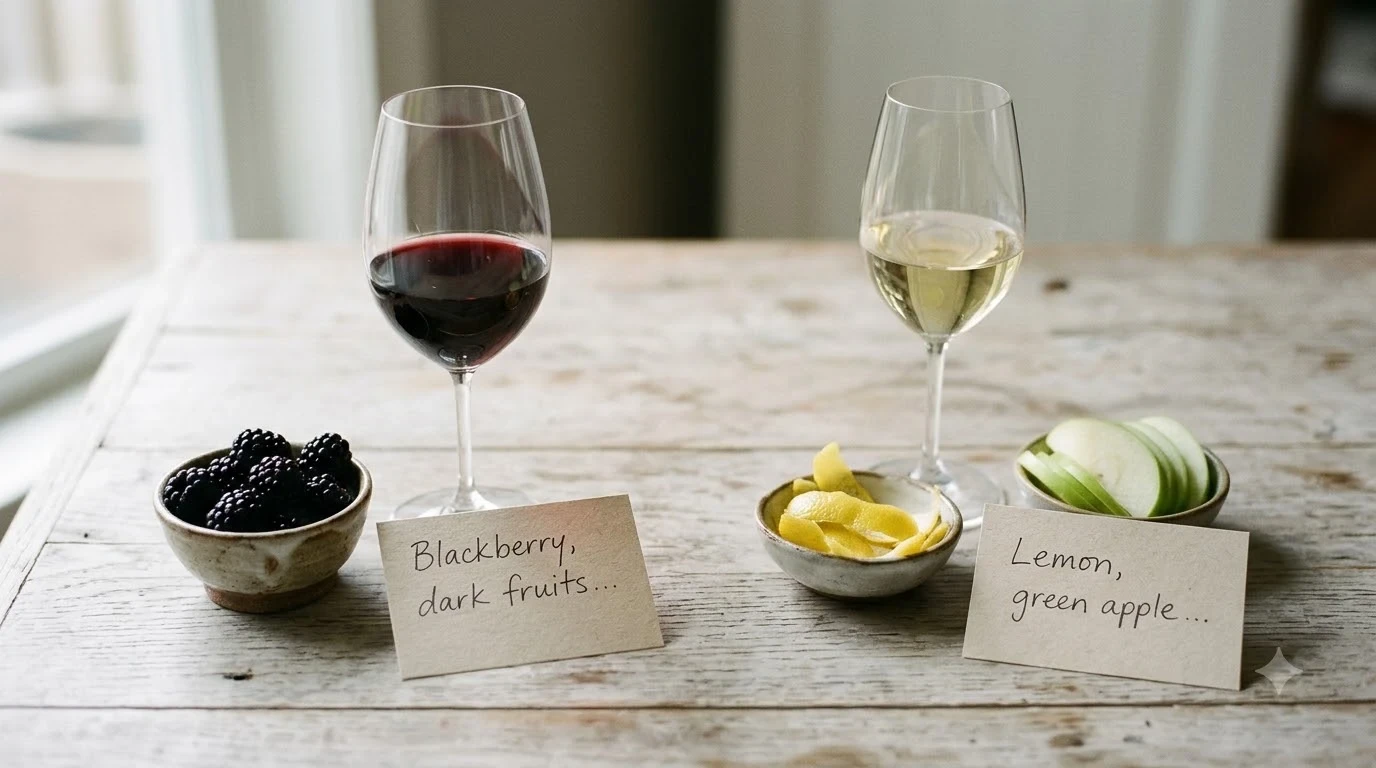
Muscat is one of the oldest cultivated wine grape families in the world, prized for naturally high levels of aromatic compounds called terpenes—specifically linalool and geraniol—that give the wine an unmistakable perfume of orange blossom, honeysuckle, ripe peach, and mandarin zest. While many American shoppers associate the grape exclusively with sweet Italian Moscato, winemakers across France, Spain, Greece, Austria, Australia, and California vinify Muscat in dry, off-dry, sparkling, late-harvest, and fortified styles. Exploring different expressions across Wine by Type shows just how dramatically structure and alcohol vary within this single botanical family.
Temperature acts as a volume dial for four competing elements in your glass: sweetness, acidity, carbonation, and alcohol heat. Cold temperatures suppress human perception of sweetness while sharpening acidity and keeping dissolved carbon dioxide trapped in the liquid, which is why bubbly, low-alcohol Muscats need a deep chill. Conversely, warmth encourages volatile aroma molecules to evaporate out of the bowl and hit your olfactory receptors, though too much heat makes high-alcohol fortified Muscats smell sharp or spirituous.
Standard home refrigerators typically sit around 37°F to 40°F, which is colder than most still wines want to be. Pulling a bottle straight from the kitchen fridge and pouring immediately works nicely for fizzy styles, yet still and fortified bottles benefit from resting on the counter for 15 to 30 minutes before dinner so their floral layers can unfold.
Muscat Serving Temperature by Style
Because residual sugar and alcohol by volume swing from 4.5% in lightly sparkling Piedmontese bottles to 18% in fortified Australian stickies, matching your chill time to the specific style on the label is essential.
| Muscat Style | Ideal Temperature (°F) | Ideal Temperature (°C) | Typical ABV | Fridge Chill Time (from 70°F) |
|---|---|---|---|---|
| Sparkling & Frizzante (Moscato d’Asti, Asti Spumante) | 38°F–46°F | 3°C–8°C | 4.5%–6.5% | 2 to 2.5 hours |
| Dry Still Muscat (Alsace, Austrian Muskateller) | 45°F–50°F | 7°C–10°C | 11.5%–13.5% | 1.5 to 2 hours |
| Pink & Red Muscat (Black Muscat) | 46°F–50°F | 8°C–10°C | 5.5%–12% | 1.5 to 2 hours |
| Light Fortified & Vin Doux Naturel (Beaumes de Venise, Samos) | 50°F–55°F | 10°C–13°C | 15%–16% | 45 to 60 minutes |
| Rich Dessert & Aged Fortified (Muscat of Alexandria, Rutherglen) | 55°F–60°F | 12°C–15°C | 17%–18% | 30 to 45 minutes |
For lightly sparkling bottles like Moscato d’Asti DOCG, keeping the liquid between 38°F and 46°F preserves its gentle spritz—usually bottled around 1.7 to 2.5 bar of pressure—and balances its high natural grape sugar with lively acidity. If a bottle of Moscato d’Asti warms past 52°F on a summer patio, the bubbles dissipate quickly and the peach and apricot fruit can taste syrupy rather than refreshing.
Dry still versions made from Muscat Blanc à Petits Grains in Alsace or Gelber Muskateller in Austria sit comfortably in the 45°F to 50°F zone. At this moderate chill, the wine retains a brisk, mouthwatering snap while releasing delicate notes of Meyer lemon, white flowers, and fresh herbs without feeling overly cold on the palate.
Fortified styles occupy the upper end of the thermometer. As Wine Folly’s grape guide notes, dessert expressions made from Muscat of Alexandria perform best at 55°F to 60°F, where warmer air unlocks deeper layers of dried fig, toasted nuts, marmalade, and caramel that would otherwise remain locked behind cold alcohol and dense sugar.
Where Muscat Grows and How Origin Shapes Serving
Geography and local winemaking traditions directly dictate which style ends up in your cellar, giving you reliable clues on how cold to serve a bottle just by reading the region on the front label.
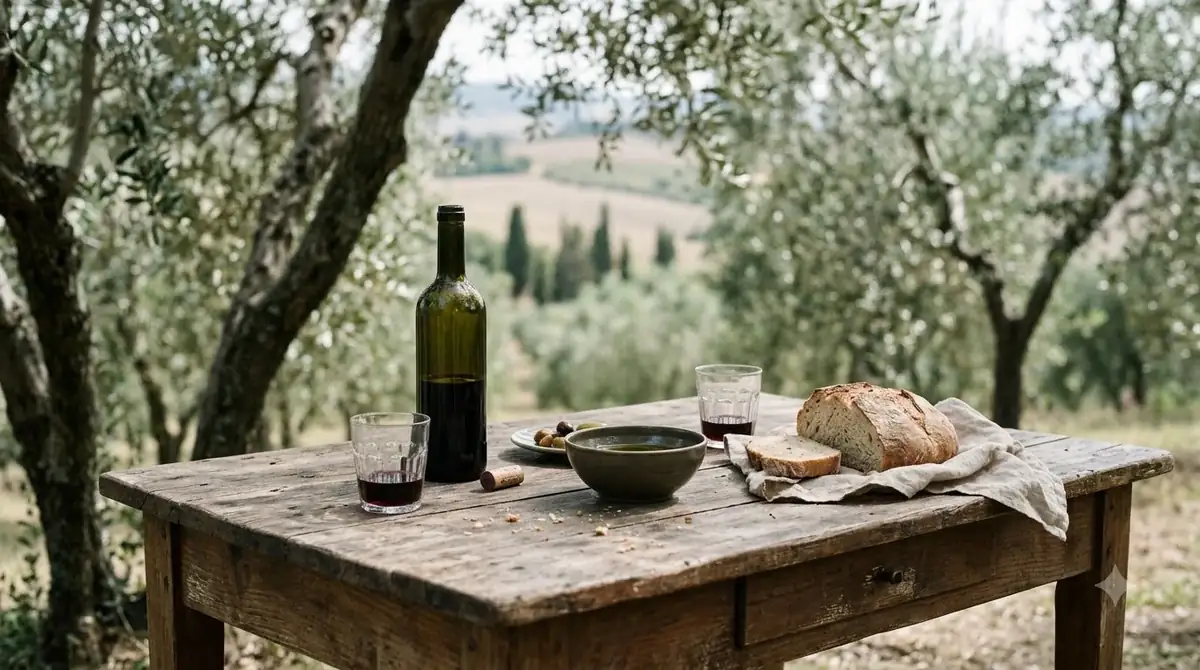
In northern Italy’s Piedmont region, steep sandstone and marl hills around Asti, Santo Stefano Belbo, and Canelli produce the world’s benchmark frizzante and spumante styles from Moscato Bianco. Bottled young—sometimes within weeks of harvest to trap fresh floral terpenes—these low-alcohol wines are built for immediate refreshment and belong in an ice bucket alongside lighter aromatic beverages, much like the chill profiles covered in our guide to sake serving temperature.
Across the border in France, Muscat takes two markedly different paths. Cooler vineyards in Alsace turn Muscat Blanc à Petits Grains and Muscat Ottonel into dry, food-friendly table whites that thrive around 48°F. Meanwhile, sun-drenched southern appellations like Muscat de Beaumes de Venise in the Rhône Valley and Muscat de Rivesaltes in Roussillon arrest fermentation with neutral grape spirit to create sweet Vin Doux Naturel, which tastes more nuanced closer to 52°F.
Further afield, Greece’s Aegean island of Samos crafts honeyed, apricot-scented Muscats, while Australia’s Rutherglen region in Victoria ages fortified Muscat in warm solera-style barrels for years. Those oxidative, molasses-tinged Australian bottles behave closer to tawny Port or aged sauternes serving temperature preferences, rewarding a gentle cellar chill rather than an aggressive ice bath.
How to Chill, Glassware, and Pouring Techniques
Getting a bottle from room temperature to the exact target degree does not require specialized sommelier gear, provided you plan ahead and choose stemware that captures aromatics.
If your bottle has been sitting in a 70°F pantry, placing it in a standard refrigerator takes roughly two hours to drop down to 45°F. When guests arrive unexpectedly, submerging the bottle up to its neck in an ice-water bath—half ice, half cold water, plus a generous handful of table salt to lower the freezing point—brings a sparkling or dry Muscat down to 42°F in just 15 to 20 minutes. Avoid stashing bottles in the kitchen freezer unless you set a loud timer for 15 minutes, as frozen liquid can push out corks or shatter glass.
Glassware plays an equally important role in preserving temperature and concentrating perfume. For Moscato d’Asti and Asti Spumante, skip narrow Champagne flutes that choke off the grape’s signature floral bouquet; instead, use a tulip-shaped sparkling glass or an all-purpose white wine glass with a slightly tapered rim. Keep pours modest—around 4 to 5 ounces for sparkling and dry whites, and 2.5 to 3 ounces for fortified Muscats—so the wine stays within its ideal temperature window before you finish the glass.
Tip: Hold your wine glass by the stem or base rather than cupping the bowl—body heat from your palm can raise the temperature of a chilled Muscat by 4°F to 5°F in under ten minutes.
Food Pairing by Serving Temperature
Serving temperature and food pairing work hand in hand, because the warmth or chill of the wine alters how its sugar and acidity interact with salt, spice, and fat on your plate.
When served ice-cold between 38°F and 46°F, sparkling and frizzante Muscats act as a cooling counterweight to fiery Southeast Asian and Sichuan dishes. The combination of low alcohol (around 5.5% ABV), brisk chill, and gentle residual sugar tames capsaicin heat in Thai larb, chili-garlic noodles, or spicy papaya salad without amplifying the burn the way high-alcohol reds do. That same icy sweetness also pairs cleanly with brunch favorites like fresh fruit tarts, panettone, and almond cake.
Dry still Muscats poured at 45°F to 50°F bring snappy citrus acidity to delicate, savory starters. Try an Alsace or Austrian bottle alongside steamed asparagus with hollandaise, crab cakes, sushi, or herb-flecked goat cheese salads, where the wine’s floral nose tricks the brain into sensing richness even though the palate finishes crisp and dry.
Warmer fortified Muscats served at 50°F to 60°F shine at the end of a meal alongside salty, pungent, or deeply roasted flavors. Salty blue cheeses like Roquefort or Gorgonzola create a classic sweet-and-savory contrast, while dark chocolate desserts, pecan pie, baklava, and roasted figs echo the wine’s caramelized orange-peel and hazelnut undertones—a pairing dynamic shared with spiced honey wines explored in our mead serving temperature breakdown.
How to Choose a Bottle and Store Leftovers
Shopping for Muscat becomes straightforward once you know how to spot sweetness and style cues on the label before you ever reach for a corkscrew.
Check the alcohol by volume printed in small type on the front or back label, as ABV is the single most reliable indicator of both sweetness and ideal serving temperature. Bottles listing 4.5% to 7% ABV almost always retain high natural grape sugar and gentle carbonation, signaling an ice-cold serve. Bottles between 11.5% and 13.5% ABV have fermented most of their sugar into alcohol, indicating a dry or off-dry table wine suited for standard white-wine chilling, whereas 15% to 18% ABV flags a fortified dessert wine.
Once opened, store unfinished bottles tightly sealed in the refrigerator regardless of style. Sparkling Moscato d’Asti loses its delicate frizzante pressure quickly, so reseal it with a sparkling wine stopper and drink it within 1 to 3 days. Still dry Muscats stay vibrant for 3 to 5 days in the fridge, while high-sugar fortified styles resist oxidation far longer, keeping their nutty richness for 2 to 4 weeks chilled—just remember to set fortified bottles on the counter for 20 minutes before pouring your next glass.
Frequently Asked Questions
Can you serve Muscat wine at room temperature?
Serving Muscat at standard 70°F room temperature is not recommended for any style. Warm temperatures flatten the bubbles in sparkling Moscato, make sweet styles taste cloying and syrupy, and cause high-alcohol fortified bottles to smell overly sharp. Even the richest aged fortified Muscats should be served slightly cool, no warmer than 60°F (15°C).
How long should you put Moscato in the fridge before serving?
A room-temperature bottle of Moscato needs roughly 2 to 2.5 hours in a standard home refrigerator to reach its ideal 38°F to 46°F serving window. If you are short on time, submerging the bottle in a bucket filled with equal parts ice and cold water chills it to the proper temperature in about 15 to 20 minutes.
Why does my Muscat taste flat or lack aroma straight out of the fridge?
Standard kitchen refrigerators run around 37°F to 40°F, which is cold enough to mute the volatile floral compounds in still and fortified Muscats. If your wine smells closed off or tastes overly tart, let the poured glass rest in your hand or on the table for 10 to 15 minutes so it warms closer to 48°F–55°F and releases its aromas.
Should red or pink Muscat be served chilled?
Yes, both pink Moscato and red Black Muscat should be served chilled between 46°F and 50°F (8°C to 10°C). Because these styles carry low tannins and bright berry, rose-petal, and violet notes, a light chill keeps their fruit vibrant and prevents residual sugar from feeling heavy on the palate.
Dialing in the right muscat serving temperature comes down to matching your chill to the bottle’s bubbles, sweetness, and alcohol level. Keep fizzy, low-alcohol bottles crisp and icy, give dry table whites a moderate fridge chill, and let fortified dessert styles warm slightly toward cellar temperature so every floral and honeyed note shines.
More in Wine Types & Grapes
 What Does Ruby Port Taste Like? Flavor Notes, Styles, and Serving TipsUpdated Nov 21, 2026
 What Does Ribolla Gialla Taste Like? Crisp White and Amber Styles ExplainedUpdated Nov 21, 2026
 What Does Semillon Taste Like? Flavor Profile, Styles & PairingsUpdated Nov 21, 2026
 What Does Scuppernong Taste Like? Flavor, Styles, and Pairing GuideUpdated Nov 21, 2026
 What Does Saperavi Taste Like? Flavors, Styles, and Pairing GuideUpdated Nov 21, 2026
 What Does Natural Wine Taste Like? Flavors, Styles, and Serving TipsUpdated Nov 21, 2026