

We may earn a commission when you buy through links on this page, at no extra cost to you. Learn more.
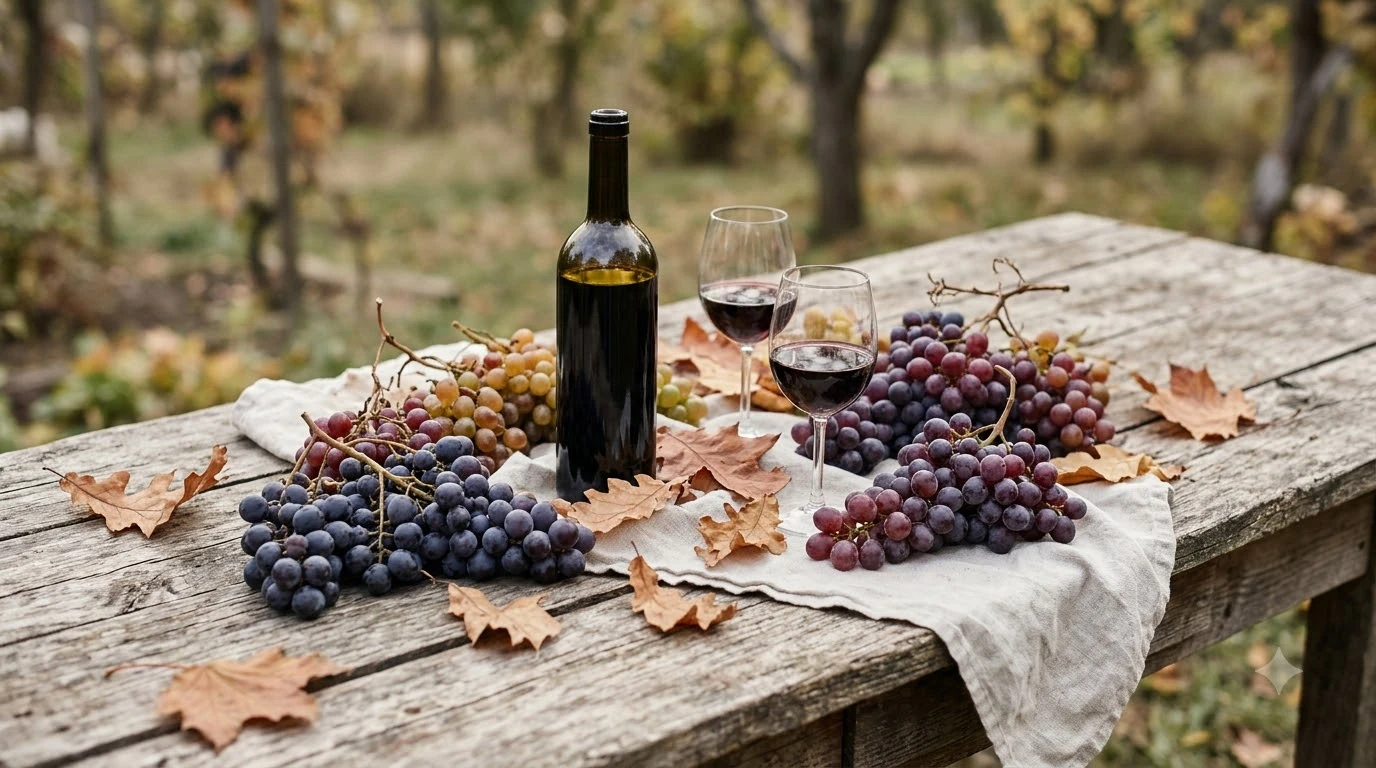
Muscadine sangria is a chilled, fruit-infused wine punch built around wine made from muscadine grapes (Vitis rotundifolia), a thick-skinned grape species native to the American Southeast. Because traditional muscadine wines already carry high residual sweetness and bold aromas of ripe banana, honey, and wildflower, this regional take on sangria requires far less added sugar than versions made with dry European wines. Standard recipes combine one 750-milliliter bottle of red Noble or golden Scuppernong muscadine wine with a splash of brandy, tart citrus juice, sliced seasonal orchard fruit, and a crisp sparkling topper.
Where classic Iberian sangria relies on dry, tannic Spanish reds and generous spoonfuls of sugar or simple syrup to achieve balance, a pitcher built on Southern muscadine flips the formula on its head. Winemakers across North Carolina, Georgia, and the Gulf Coast produce wines brimming with jammy, tropical, and floral aromatics that act as an instant flavor foundation. Understanding how this native grape behaves in the glass makes it easy to dial in the acidity, alcohol strength, and maceration time for a refreshing crowd-pleaser.
What Makes Muscadine Wine Unique in Sangria
Muscadine wine brings unmistakable aromatic intensity and natural sweetness to a sangria pitcher because it is fermented from Vitis rotundifolia rather than the European Vitis vinifera species behind Cabernet Sauvignon or Pinot Grigio. Understanding those botanical and winemaking differences helps explain why a muscadine base behaves differently once fruit and spirits enter the mix.
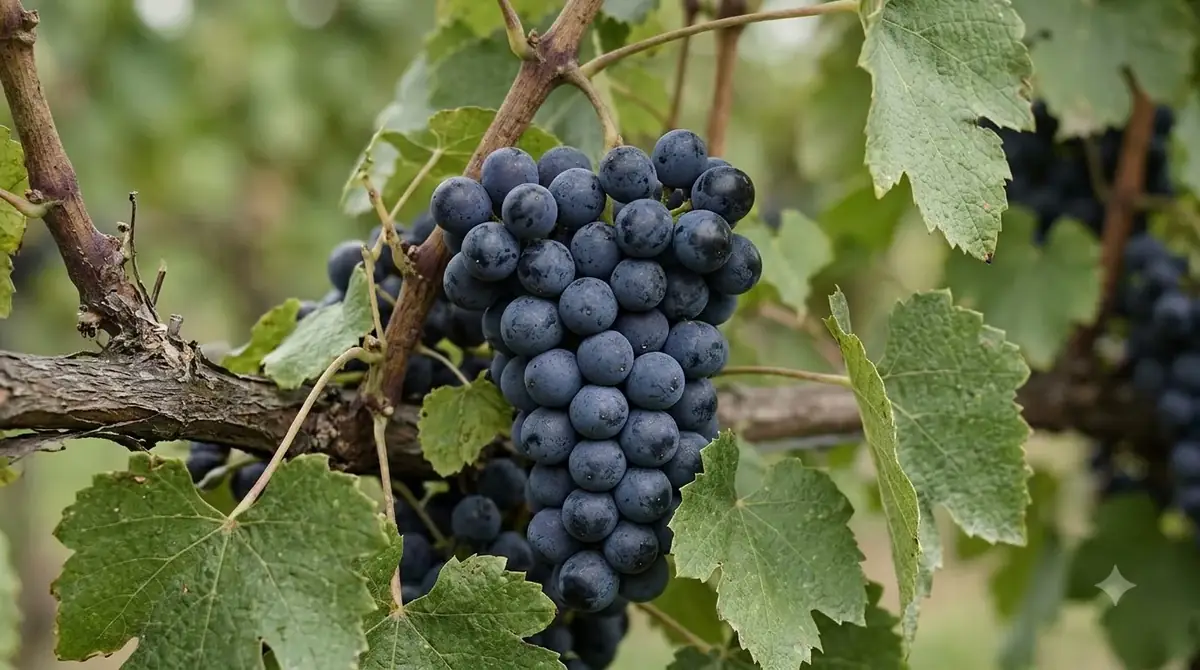
Native to the warm, humid coastal plains from Delaware down to Florida and west to Texas, muscadines are thick-skinned, tough-seeded berries that grow in small, loose clusters rather than tight bunches. According to Wine Folly’s guide to muscadine wine, Vitis rotundifolia actually possesses two more chromosomes than European wine grapes, and ripe berries naturally harvest at lower sugar levels of 10 to 15 Brix compared to 20 Brix or higher for vinifera varieties. To bring finished wines up to roughly 10 to 11.5 percent alcohol by volume, Southern cellars routinely chaptalize the must and stop fermentation early, leaving pronounced residual sugar in the bottle.
In the glass, that winemaking style translates into a punchy bouquet of ripe banana, yellow apple, wildflower honey, and subtle earthy muskiness, backed by medium body and moderate acidity. While European reds lean on firm grape tannins for structure, muscadines offer softer grip and immediate, upfront fruitiness. When poured over ice and macerated with fresh produce, a sweet red Noble or bronze Scuppernong acts almost like a pre-sweetened cordial, allowing home bartenders to skip heavy syrups and focus instead on bright citrus and dry spirits.
Core Ingredients and Proportions
Balancing a batch of muscadine sangria comes down to offsetting the base wine’s generous residual sugar with sharp acid, a dry fortifying spirit, and unsweetened carbonation. The ingredient table below outlines a reliable single-pitcher formula built around one standard 750-milliliter bottle of wine.
| Component | Standard Amount | Recommended Choice | Role in the Pitcher |
|---|---|---|---|
| Base Wine | 1 bottle (750 ml) | Sweet or semi-sweet Noble (red) or Scuppernong / Carlos (white) | Provides foundational tropical, jammy, or honeyed fruit character |
| Fortifying Spirit | 1/3 to 1/2 cup | Unflavored grape brandy, bourbon, or dry triple sec | Adds warmth, depth, and shelf stability without extra sugar |
| Fresh Citrus Juice | 1/3 cup | Freshly squeezed lemon, lime, or tart grapefruit juice | Cuts through the grape’s natural sweetness and lifts aromatics |
| Sliced Fresh Fruit | 2 to 2.5 cups | Peaches, blackberries, Granny Smith apples, and citrus wheels | Infuses natural juice and absorbs wine for garnishing glasses |
| Sparkling Topper | 1 to 1.5 cups | Chilled club soda, seltzer, or dry sparkling wine | Lightens the palate and adds effervescence just before pouring |
Notice what is missing from this table compared to conventional sweet red wine sangria formulas: granulated sugar, honey, and simple syrup. Because most commercial muscadine bottlings are finished in a sweet or off-dry style, adding extra sweetener on top of macerating peaches or berries quickly pushes the drink into cloying territory. If you happen to track down one of the newer bone-dry muscadine releases, stirring in one to two tablespoons of simple syrup or peach nectar easily restores roundness.
Choosing the right fortifying spirit also shapes the final profile. Classic Spanish-style grape brandy smoothly bridges the gap between fresh fruit and fermented grape juice, while a splash of wheated bourbon introduces vanilla and oak notes that complement Southern orchard fruits. Stick with unflavored club soda or brut sparkling wine for the final topper rather than lemon-lime soda, which adds unnecessary corn syrup and masks the distinct wildflower character of the grape.
Step-by-Step Preparation Method
Assembling muscadine sangria takes less than ten minutes of active prep, though setting aside time for cold maceration is what marries the sharp citrus, spirit, and sweet wine into a cohesive drink. Follow the sequence below to extract maximum fruit flavor without turning the garnishes mushy.
- Combine the liquid base first: Pour one chilled 750-milliliter bottle of muscadine wine, 1/3 cup of fresh lemon or lime juice, and 1/3 to 1/2 cup of brandy into a large glass pitcher, stirring gently until integrated.
- Prep firm and delicate fruits separately: Thinly slice one tart green apple, one medium orange, and one ripe peach, placing them directly into the wine mixture. Hold softer berries like blackberries or sliced strawberries aside if you plan to chill the batch overnight.
- Chill and macerate: Cover the pitcher tightly and refrigerate for at least 2 to 4 hours, or up to 24 hours, so the citrus oils and stone fruit juices diffuse into the wine.
- Add soft berries and effervescence at service: Fold in fresh berries and 1 to 1.5 cups of cold club soda right before serving, then ladle into ice-filled stemmed glasses with a generous spoonful of soaked fruit.
Resting the pitcher in the refrigerator does more than lower the temperature; it allows the higher-proof brandy to extract essential oils from the citrus peels while gentle osmosis draws juice out of the apples and peaches. Stopping maceration around the 24-hour mark ensures the fruit retains a pleasant bite rather than breaking down into pulp.
Tip: Freeze fresh blackberries, halved muscadines, or peach wedges for two hours before hosting and use them in place of standard ice cubes so your pitcher stays cold without diluting the wine.
Red vs. Golden Muscadine Variations
Muscadine grapes range in skin color from pale bronze-green to deep purple-black, giving home mixologists two distinct flavor palettes when building a pitcher. Knowing which varieties fall into each camp makes it straightforward to match your sangria to the season and menu.
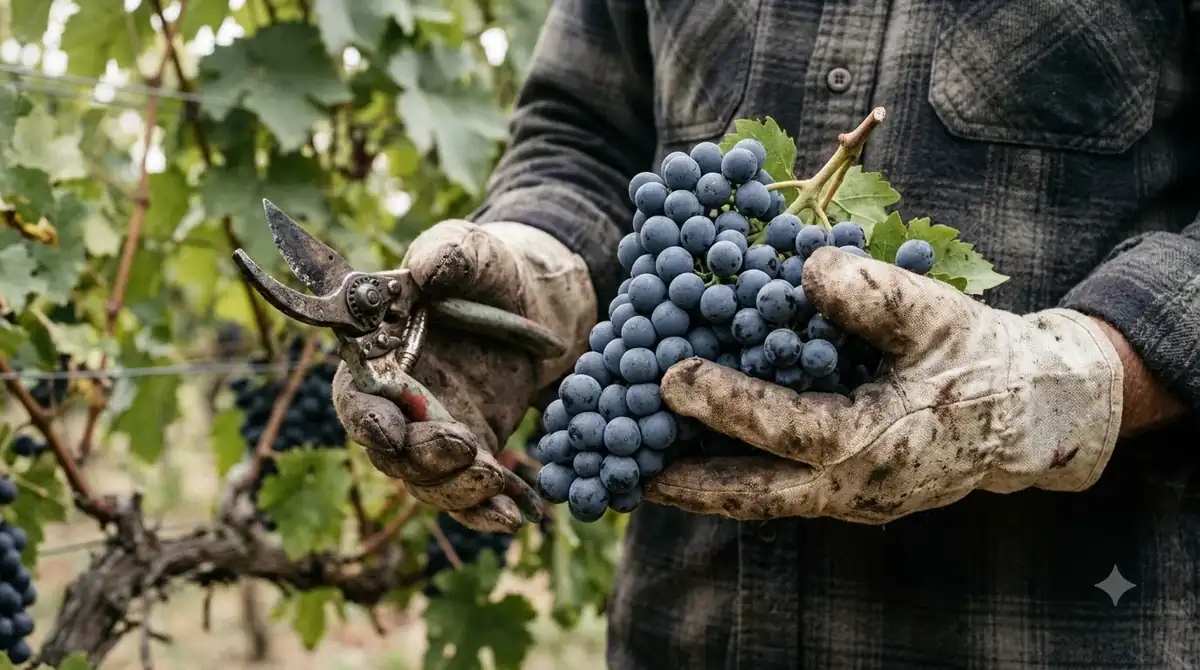
Dark-skinned Noble is the flagship red cultivar across Southern vineyards, yielding ruby-hued wines packed with grape-jam, cranberry, and plum notes alongside gentle skin astringency. A red muscadine sangria pairs naturally with darker, bolder garnishes: think blackberries, blood orange wheels, pomegranate arils, and a cinnamon stick or sprig of fresh rosemary. Because Noble carries a touch of middle-palate tannin, it stands up well to a full half-cup of bourbon or aged brandy without tasting hot.
On the lighter end of the spectrum, bronze Scuppernong and golden Carlos grapes produce fragrant white wines reminiscent of ripe peach, pear, lime peel, and honeysuckle. According to the North Carolina Winegrowers Council, modern Southern wineries craft Scuppernong and Carlos in styles ranging from traditional sweet porch-sippers to crisp, off-dry bottlings. Using these golden varieties creates a bright, floral sangria akin to white Zinfandel sangria that shines alongside sliced yellow peaches, green apples, key limes, and fresh mint leaves.
Serving Temperature, Glassware, and Food Pairings
Proper chilling and thoughtful food pairings keep muscadine sangria refreshing rather than heavy, especially during warm-weather gatherings. Because muscadine wines oxidize faster than tannic European reds and lose aromatic snap when warm, temperature management is essential from prep to pour.
Serve your finished pitcher cold—ideally between 40 and 45 degrees Fahrenheit—over plenty of fresh ice in large stemless wine glasses or sturdy goblets. As covered in our guide on whether sangria should be chilled, keeping the base wine and sparkling topper cold prior to mixing slows ice melt and preserves carbonation. Wide-bowled glasses give you plenty of room to scoop soaked peaches and citrus slices alongside the liquid, and setting out long cocktail spoons or reusable skewers lets guests enjoy the boozy fruit easily.
At the table, the sweet-tart profile of muscadine sangria makes it an effortless match for smoky, salty, and mildly spicy dishes. Red Noble batches cut cleanly through slow-smoked pulled pork, baby back ribs with vinegar-based barbecue sauce, and charcuterie boards featuring sharp aged cheddar or salty country ham. Golden Scuppernong or Carlos pitchers pair wonderfully with blackened shrimp tacos, fried green tomatoes, spicy Caribbean jerk chicken, or stone-fruit desserts like warm peach cobbler.
How to Choose a Bottle for Sangria
Selecting the right muscadine bottle starts with checking the sweetness designation on the back label and understanding how the grape fits within broader wine types. While European wines are categorized primarily by region or dry varietal structure, Southern muscadine labels typically organize bottles by sweetness level and grape color.
Look for bottles labeled “Semi-Sweet,” “Off-Dry,” or “Sweet” depending on how much fresh fruit juice you plan to add. Semi-sweet bottlings offer the widest margin of error, giving you authentic muscadine aromatics with enough natural acidity that a squeeze of lemon brings instant balance. If you buy a traditional sweet Scuppernong or Noble—the most common style found in grocery stores and regional tasting rooms—lean toward tart mixers like Granny Smith apples, fresh lime juice, and dry brut sparkling wine rather than sweet orange juice.
Freshness matters more with muscadine than with almost any other wine category. Because Vitis rotundifolia wines are low in protective tannins and oxidize quickly once bottled, avoid dusty bottles sitting near bright store windows and aim for the most recent vintage available, ideally within one to two years of harvest. Once opened, any unused sangria base without the sparkling topper should be kept tightly sealed in the refrigerator and finished within two days.
Frequently Asked Questions
What is the difference between muscadine and Scuppernong wine in sangria?
Scuppernong is actually a specific bronze-skinned variety of the muscadine grape species rather than a separate fruit. In sangria, Scuppernong creates a golden, white-style pitcher with honeyed peach and floral notes, while dark-skinned muscadines like Noble produce a deep ruby red sangria with jammy berry and plum flavors.
Do you need to add sugar to muscadine sangria?
No, most traditional muscadine wines already contain significant residual sugar and require no added sweetener. Adding fresh lemon or lime juice along with unflavored club soda balances the wine’s natural sweetness, though you can stir in a tablespoon of simple syrup if you use a rare dry-style muscadine bottle.
How long should muscadine sangria chill before serving?
Chilling the mixed wine, brandy, and firm fruit for 2 to 4 hours gives the flavors plenty of time to meld. You can refrigerate the base up to 24 hours ahead of time, as long as you wait to add soft berries and sparkling water until right before pouring.
Is muscadine wine the same thing as Moscato?
No, muscadine and Moscato come from completely different grape species despite their similar-sounding names. Moscato is made from the European Vitis vinifera grape Muscat Blanc, whereas muscadine comes from Vitis rotundifolia, a thick-skinned native North American species with bolder tropical and wildflower aromas.
Whether you start with a ruby pitcher of Noble or a sunlit batch of bronze Scuppernong, muscadine sangria turns one of America’s oldest native wine grapes into an effortless, crowd-pleasing punch. By leaning on fresh citrus, dry spirits, and crisp carbonation rather than heavy syrups, you let the grape’s signature orchard and wildflower character shine in every chilled glass.
More in Wine Types & Grapes
 What Does Ruby Port Taste Like? Flavor Notes, Styles, and Serving TipsUpdated Nov 21, 2026
 What Does Ribolla Gialla Taste Like? Crisp White and Amber Styles ExplainedUpdated Nov 21, 2026
 What Does Semillon Taste Like? Flavor Profile, Styles & PairingsUpdated Nov 21, 2026
 What Does Scuppernong Taste Like? Flavor, Styles, and Pairing GuideUpdated Nov 21, 2026
 What Does Saperavi Taste Like? Flavors, Styles, and Pairing GuideUpdated Nov 21, 2026
 What Does Natural Wine Taste Like? Flavors, Styles, and Serving TipsUpdated Nov 21, 2026