

We may earn a commission when you buy through links on this page, at no extra cost to you. Learn more.
The muller thurgau grape is a white variety created in Germany in 1882, known for its light body, mild acidity and fruity-floral aromas. It ripens early and produces easy-drinking wines that suit everyday meals. Most bottles are meant to be enjoyed within a few years of harvest, not aged for decades.
This guide explains where the grape came from, what its wines taste like, and how to choose and store a bottle. It also covers the food pairings that bring out its gentle character. If you are new to white wine, this variety is a practical place to start.
What Is the Muller Thurgau Grape?
The muller thurgau grape is a white wine grape that is widely planted in Germany and in several other European countries. Its wines are usually light and approachable, with a soft texture and a noticeable fruitiness. Many people know it under the name Müller-Thurgau, and in some German-speaking markets the wine appears as Rivaner on the label.
Think of the grape as a friendly, everyday white rather than a complex, age-worthy wine. It rarely shows the sharp mineral edge of Riesling, and it tends to be less structured than Chardonnay. That makes it a useful bridge for drinkers who want something fresh and aromatic without strong tannin or heavy oak.
The grape is also a good example of how a variety can be valued for accessibility. Its wines are designed to be easy to understand on first taste, which is one reason they remain popular with casual drinkers and with people cooking simple, lightly seasoned meals at home.
Origin and History of the Muller Thurgau Grape
The grape was developed in the late 1800s, and its origin is well documented. According to the Wines of Germany grape variety profile, the variety was created in 1882 at Geisenheim by Professor Hermann Müller, who came from Thurgau in Switzerland. The same profile describes it as the second most important white grape in German viticulture after Riesling.
Müller set out to combine the intensity of Riesling with an earlier ripening habit. Modern genetic work points to a cross between Riesling and Madeleine royale as the parentage. For years the grape was thought to descend from Riesling and Silvaner, and the name Rivaner comes from that older belief, blending the two names.
Over the twentieth century, plantings grew rapidly. Growers liked the vine because it was productive and adaptable, and it helped supply large volumes of medium-sweet German wine. Later, the market shifted toward drier styles and higher-quality sites, and the grape lost ground to Riesling. It still holds an important place in the German vineyard.
Flavor Profile and Aromas of Müller-Thurgau
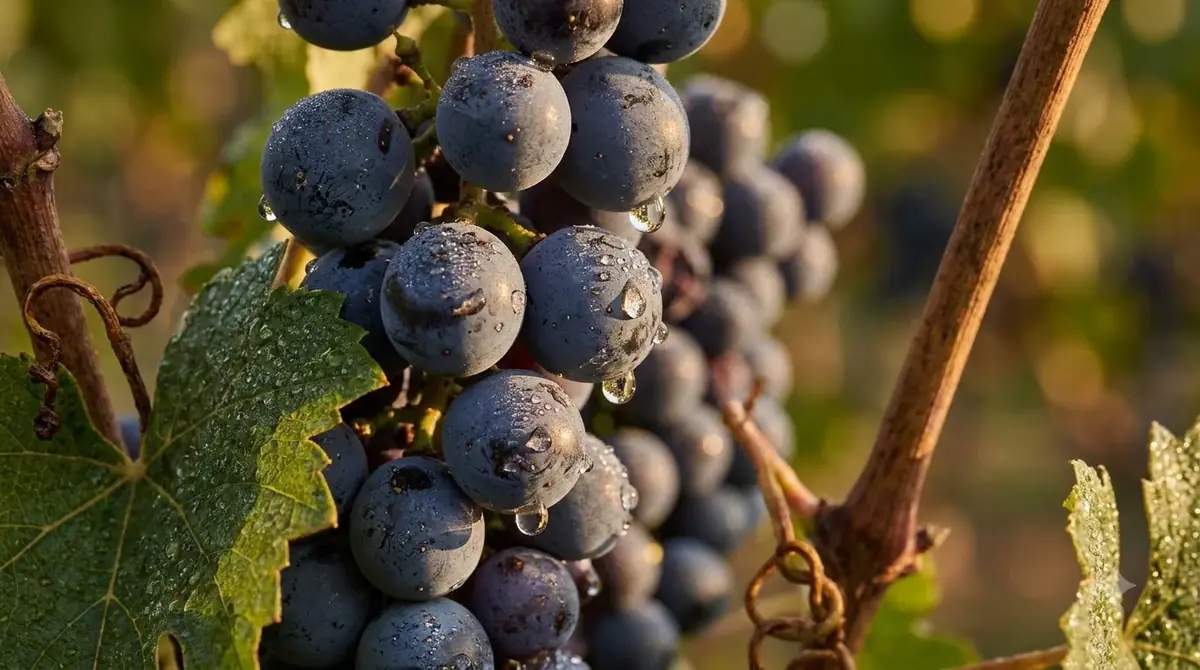
Müller-Thurgau wines are usually pale yellow with a light to medium body. The aroma is the main attraction, with delicate notes of fruit, flowers and fresh herbs. Reviewers often describe apple and pear, along with a faint muscat-like perfume.
The acidity is generally mild, which makes the wine feel soft and rounded. Wines from cooler northern sites can show sharper acidity, so the balance can vary from region to region. The overall impression is gentle rather than tart, which is why the style appeals to people who find very crisp whites too austere.
Wines are commonly fermented and held in stainless steel, a method that helps preserve freshness and the varietal aroma. You can look for these traits on a back label or in a producer’s tasting notes.
| Trait | Typical Müller-Thurgau character |
|---|---|
| Color | Pale to light yellow |
| Body | Light to medium |
| Aromas | Apple, pear, flowers, fresh herbs, a hint of muscat |
| Acidity | Mild, sometimes firmer in northern wines |
| Aging potential | Best drunk young, within the first few years |
Where Müller-Thurgau Is Grown and Which Styles to Expect
The grape is planted across many German wine regions, and it is especially prominent in Rheinhessen. According to the Wikipedia entry on the variety, Germany remains its strongest home, while smaller plantings appear in Austria, Hungary, Italy, England and parts of the United States. In Germany, the grape grows in a range of climates and soils, which helps explain its wide reach.
Style depends a lot on the producer and the region. Most wines are dry or off-dry, meaning they carry a small amount of residual sugar. The word Rivaner on a German label usually signals a dry, youthful, fresh wine. Terms such as halbtrocken or feinherb point to a slightly sweeter profile, so check the label if sweetness matters to you.
Some producers make sur lie versions, which age the wine on fine lees before bottling. These can add a little texture and roundness. Because the grape is generally not built for long aging, the fresh, fruit-forward styles are usually the best choice for near-term drinking.
Food Pairings for Müller-Thurgau
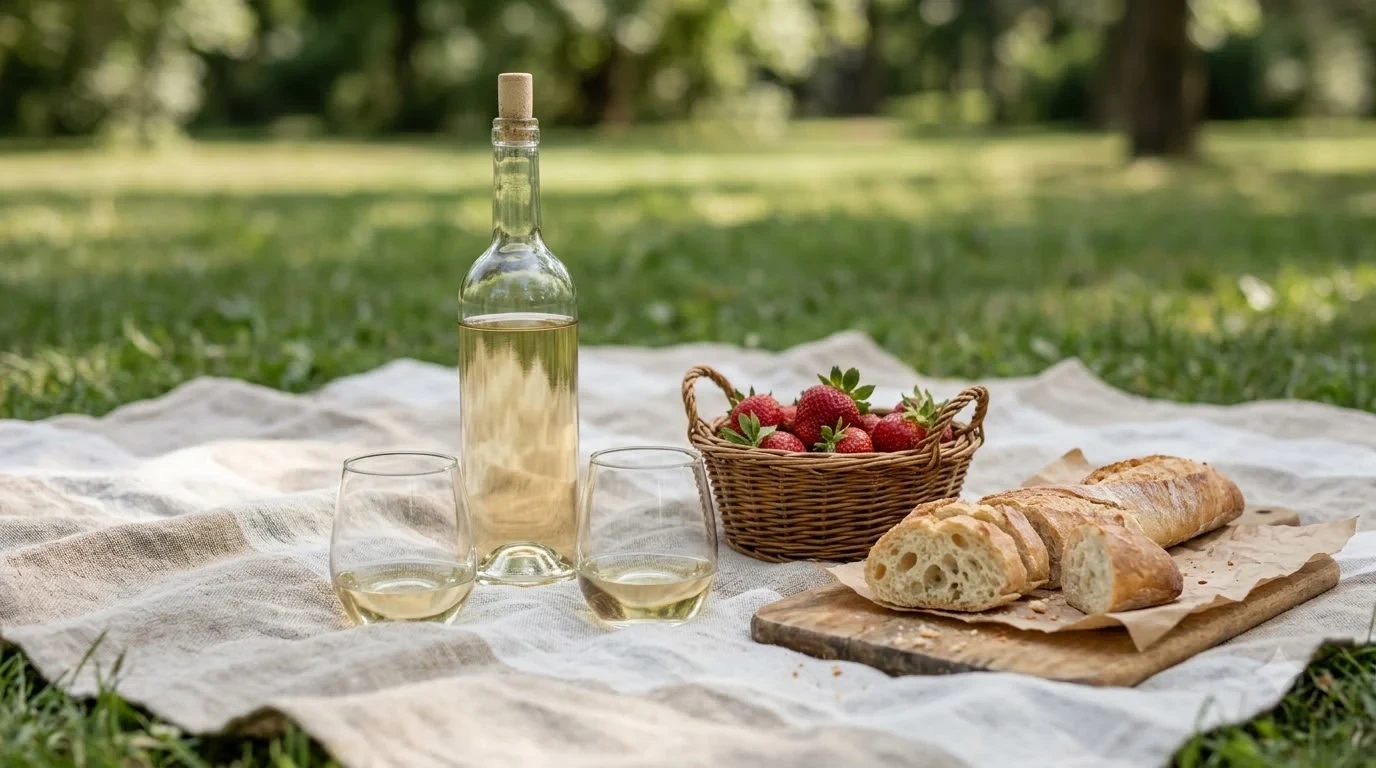
The wine is most at home with light, aromatic dishes. Its gentle acidity and fruit make it easy to match with food that is not heavily spiced or rich. Simple seafood, fresh salads, and mild cheeses are reliable choices for a glass on a weeknight.
Good pairings include grilled white fish, chicken with lemon and herbs, pork with apple, and salads with soft goat cheese. The wine also works with mildly spiced Asian dishes, especially those with a touch of sweetness, because its fruitiness can soften heat. Very spicy food or heavy cream sauces can overwhelm its delicate aromas.
When you cook with the wine, choose one you would happily drink at the table. A simple white works well in sauces for fish or poultry. For a bigger picture of pairing logic, the Wine by Type guide explains how light whites and other styles match different meals.
How to Buy and Store Müller-Thurgau
When you shop, look for a recent vintage, since the grape is meant to be drunk fresh. Labels that mention Rivaner, dry or trocken point toward the crisp, easy style. Read the back label for words like halbtrocken if you prefer a touch of sweetness. Producer names and regional names on the label can also help you find a style you enjoy.
Store unopened bottles in a cool, dark place away from heat and light. Once opened, keep the wine refrigerated and drink it within a few days, because the bright fruit fades with air. Avoid storing these wines for many years, since most are not built to improve with age.
If you enjoy the style, you may also like other aromatic white grapes. The colombard grape offers a similar fresh, low-tannin profile, and the catarratto grape is another white variety worth exploring. Trying one or two alternatives helps you see how each grape shapes the glass.
Tip: Serve the wine chilled but not ice cold, so the aromas can show. Enjoy it responsibly, especially with food.
Frequently Asked Questions
Is muller thurgau grape wine sweet?
It depends on the bottle. Most wines are dry or off-dry, with only a small amount of residual sugar. Check the label for terms such as trocken, halbtrocken or feinherb to understand the sweetness level before you buy.
What does Rivaner mean on a German label?
Rivaner is another name used for Müller-Thurgau, and it is a short form of Riesling and Silvaner. On a label it usually suggests a dry, youthful and fresh wine. It is a helpful clue when you want a light, everyday white.
Can muller thurgau grape wine be aged?
Generally, no. The grape is usually made for drinking within the first few years after harvest, and most wines are not considered to improve with age. Buy recent vintages if you want the freshest fruit and aroma.
What foods go well with this white wine?
Light dishes work best, such as grilled fish, chicken with herbs, salads and mild cheeses. The wine can also match mildly spiced Asian food. Very rich or very spicy dishes tend to overpower its delicate aromas.
The muller thurgau grape is a practical choice for anyone who wants a fresh, fruity white with a gentle profile. Start with a recent, dry bottle to see whether the style suits you. For more background on grape types, visit the Wine by Type section.
More in Wine Types & Grapes
 Zinfandel Sugar Content: Dry Red vs. White Zinfandel GramsUpdated Nov 21, 2026
 Best Zinfandel Substitute Options for Sipping and CookingUpdated Nov 21, 2026
 Zweigelt Food Pairing: Best Dishes, Cheeses, and Serving TipsUpdated Nov 21, 2026
 Zinfandel Tannins Explained: How Structure Shapes Every BottleUpdated Nov 21, 2026
 Zinfandel Sweetness Level: Dry Red vs. Sweet White Zin ExplainedUpdated Nov 21, 2026
 Xinomavro Food Pairing: Best Dishes, Styles, and Serving TipsUpdated Nov 21, 2026