

We may earn a commission when you buy through links on this page, at no extra cost to you. Learn more.
Mulderbosch wine is a South African range from Stellenbosch best known for expressive Sauvignon Blanc, textured Chenin Blanc, Cabernet Sauvignon rosé, and structured red blends. Its wines pair ripe fruit with freshness, and several bottlings use lees contact or measured oak aging to build texture. This guide explains the main styles, how to choose a bottle, and what to serve with it.
Mulderbosch is a useful name for drinkers exploring the Cape Winelands because its portfolio moves beyond one grape. Sauvignon Blanc offers a vivid starting point, Steen op Hout shows a rounder side of Chenin Blanc, rosé gives Cabernet Sauvignon a bright expression, and Faithful Hound takes a Bordeaux-inspired route. Vintage and market availability vary, so it helps to understand each wine’s style rather than assume every release is identical.
Mulderbosch’s Stellenbosch Roots and Wine Style
Mulderbosch grew out of the Stellenbosch wine district, where warm, dry growing conditions meet cooling maritime air and varied soils. The district’s proximity to False Bay and its slopes help explain why the region produces both ripe reds and whites with lively acidity.
The Mulderbosch story took shape in 1989, when Larry Jacobs acquired a neglected portion of the Nooitgedacht farm and partnered with winemaker Mike Dobrovic to restore the property and plant vineyards. Their first wines were Sauvignon Blanc and Chardonnay. That origin helps explain why Sauvignon Blanc remains central to the producer’s identity, alongside a wider selection of white and red styles.
Stellenbosch lies about 40 kilometers east of Cape Town, and False Bay is roughly 20 kilometers south, according to the wine.co.za regional profile. Afternoon southeasterly breezes cool vineyards after sunny mornings; white grapes are often planted closer to the ocean where that influence is stronger. Granite and sandstone soils are common, and their clay content can help retain water while allowing drainage. These are regional conditions, not a claim that every Mulderbosch parcel shares one soil or exposure.
The range is shaped by aromatic whites, freshness balanced with texture, Cabernet Sauvignon rosé, and red blends built from Bordeaux varieties. Producer technical sheets identify Henry Kotzé as winemaker for the featured Sauvignon Blanc, Chenin Blanc, rosé, and Faithful Hound vintages discussed below. Readers exploring producers by country and style can use this broader guide to wine brands as a reference.
Sauvignon Blanc: The Signature White
Mulderbosch Sauvignon Blanc is the natural first bottle to consider if you like citrus, tropical fruit, and savory herbal notes in a dry white wine. The 2024 Stellenbosch bottling is listed at 12.5% alcohol, with 2.1 grams per liter of residual sugar and 5.6 grams per liter of total acidity.
The producer’s 2024 notes describe guava, papaya, melon, blackcurrant, and fynbos-like herbal notes. Fynbos is the distinctive shrubland vegetation of the Cape, and its aromatic associations can make a wine seem more savory or botanical than a straightforward tropical-fruit Sauvignon Blanc. Expect bright fruit balanced by a fresh, slightly saline impression; the emphasis can shift with the growing season.
Texture is part of the style. For 2024, 50% of the blend spent nine months on lees in neutral 500-liter French oak barrels. Lees are spent yeast cells left after fermentation; contact with them can add breadth and a creamier mouthfeel without obvious oak flavor. The producer’s 2024 Sauvignon Blanc technical sheet lists the blend and analysis. Serve it at 45–50°F, and pour about 5 ounces in a standard white-wine glass.
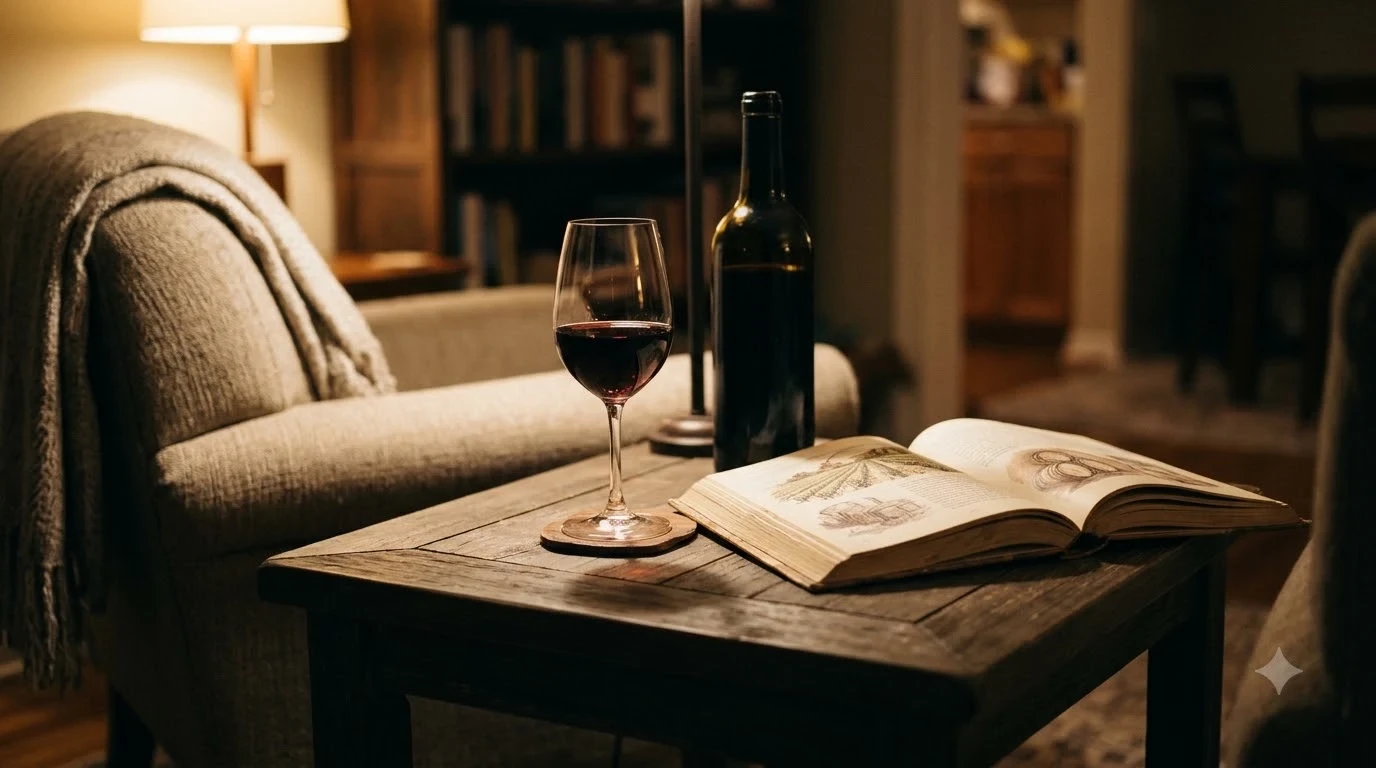
Pair this high-acid white with oysters, grilled shrimp, ceviche, goat cheese, green salads, asparagus, or white fish with lemon and herbs. Its acidity can stand up to citrus, vinaigrettes, and other bright flavors. With very spicy dishes, use caution because alcohol can intensify chili heat; a milder preparation or cooling dairy is a more comfortable match.
Chenin Blanc and Other White Wines
Mulderbosch’s Steen op Hout Chenin Blanc is the better route for drinkers who want more breadth than a crisp Sauvignon Blanc. The 2024 Stellenbosch release combines ripe orchard-fruit character with lees-derived texture while retaining enough acidity to keep the wine balanced.
The producer lists green fig, ripe peach, apricot, pear, and pineapple among the 2024 aromas, with flinty and lightly spiced notes adding a savory dimension. Its analysis is 13.5% alcohol, 2.7 grams per liter of residual sugar, 5.6 grams per liter of total acidity, and a pH of 3.39. Those figures describe a dry wine; ripe-fruit language refers to aroma and flavor, not necessarily sugar.
For this vintage, 30% matured in neutral 500-liter and 300-liter barrels, plus some 1,500-liter foudres, for nine months in barrel and in tank on gross lees. A foudre is a large wooden vessel, which generally gives less wood influence per liter than a small barrel. The combination allows the wine to show rounded texture without losing its fruit profile.
Chenin Blanc can work with roast chicken, pork loin, seared scallops, creamy mushroom dishes, mildly spiced curries, or aged Gouda. Its acidity helps cut through butter and cream, while ripe fruit can complement a little sweetness in a glaze. For a dish with lemon or a sharp vinaigrette, make sure the food does not overwhelm the wine; acidic food needs a wine with equal or higher acidity. Mulderbosch has also released other white varieties, including Chardonnay, though the lineup depends on market and vintage.
Cabernet Sauvignon Rosé and Sparkling Options
Mulderbosch Cabernet Sauvignon Rosé is made from a red grape but handled to create a fresh pink wine rather than a tannic red. The 2022 technical sheet lists 12.5% alcohol, 5.7 grams per liter of residual sugar, and 5.5 grams per liter of total acidity.
The producer says the Cabernet Sauvignon vineyards are managed for rosé and picked early to preserve acidity and bright fruit. After pressing, the juice is fermented cool with aromatic yeasts, then bottled early to protect freshness. The 2022 notes mention red and black berries, cinnamon, spice, and earthy fynbos character. Wine Enthusiast’s review of the 2016 Cabernet Sauvignon Rosé awarded 87 points and described red cherry, plum, strawberry, and a fresh finish supported by acidity; that is a snapshot of an earlier vintage, not a promise that every release tastes the same.
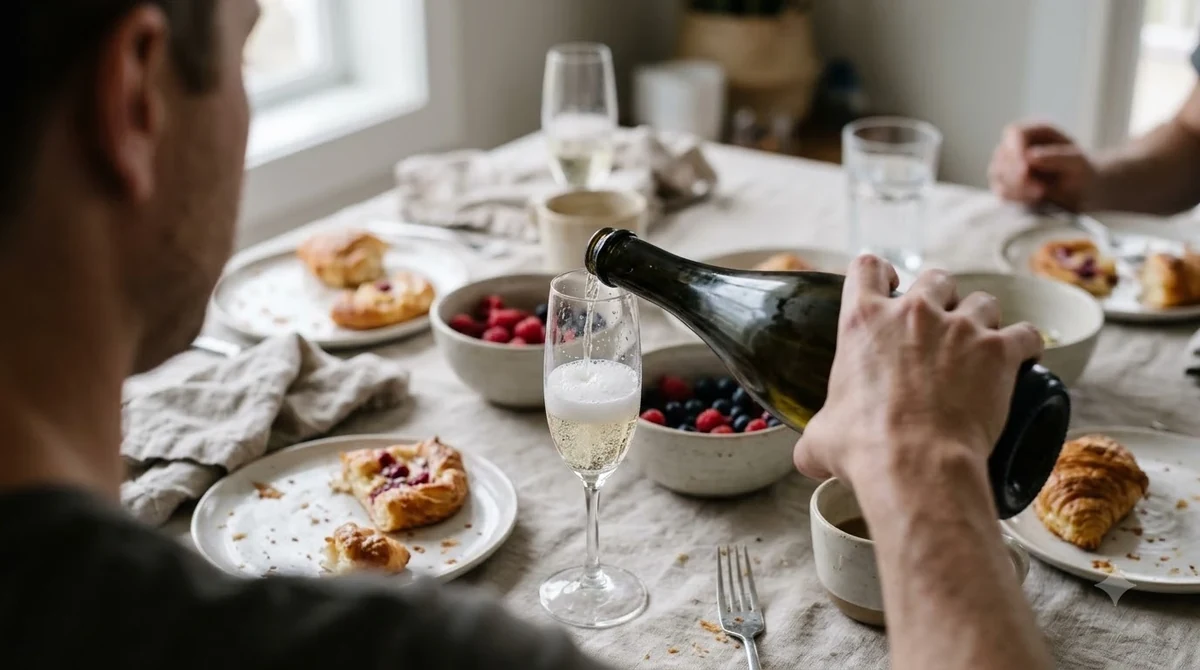
Mulderbosch has also released a Cabernet Sauvignon Sparkling Rosé. Its 2021 technical sheet says the bubbles are added by an in-line carbonation process, so it should not be confused with traditional-method sparkling wine, where the second fermentation takes place in the bottle. Serve sparkling wine at 40–50°F. Rosé works with grilled salmon, tuna, charcuterie, tomato salads, roast vegetables, and picnic foods; serve still rosé at 45–50°F to retain its fruit and herbal character.
Rosé can bridge the gap between white-wine freshness and the fruit of a light red. Acidity is useful with salty or fatty foods, but very hot chili sauces can make alcoholic wines seem hotter. Chill the bottle before serving rather than freezing it, since extreme cold can mute fruit and herbal aromas.
Faithful Hound and the Red-Wine Range
Faithful Hound is Mulderbosch’s Bordeaux-style red blend, bringing together Cabernet Sauvignon, Cabernet Franc, Petit Verdot, Merlot, and Malbec. The 2022 Stellenbosch vintage contained 37% Cabernet Sauvignon, 25% Cabernet Franc, 18% Petit Verdot, 18% Merlot, and 2% Malbec.
That combination brings dark fruit, structure, and some mid-palate softness. Cabernet Sauvignon contributes firm tannin and blackcurrant-like fruit; Merlot can add a rounder element; Cabernet Franc may bring herbal or floral notes; Petit Verdot contributes color and structure; Malbec can add dark-fruit depth. In 2022, 80% of the blend aged for 14 months in neutral, third-fill-or-older French oak barrels, while 20% aged in tank on lees. Producer notes describe bramble berry, baked rhubarb, ripe plum, licorice, and earthy fynbos, with polished tannins.
The blend can be considered alongside other wines inspired by Bordeaux varieties, including wines associated with Baron Philippe de Rothschild, though the producers and regions are distinct. Mulderbosch’s red reflects Stellenbosch fruit and South African growing conditions. Faithful Hound is best with lamb, steak, grilled mushrooms, or firm cheeses; salt and fat soften tannin, helping a structured red feel more composed with savory food.
Serve it at 60–65°F, cooler than a warm room, and pour about 5 ounces in a generous red-wine glass. A young, full-bodied red can benefit from 30–60 minutes in a decanter, which softens the first impression and lets aromas develop. Older bottles may need gentler handling because sediment can form, so decanting is not an automatic step for every vintage.
How to Choose, Pair, Serve, and Store a Bottle
Choose a Mulderbosch wine by the meal and the texture you enjoy, not simply by color. Sauvignon Blanc is the crispest starting point, Steen op Hout Chenin Blanc offers more palate weight, Cabernet Sauvignon Rosé is the flexible chilled option, and Faithful Hound is the structured red for richer food.
The table compares published technical figures from specific vintages. Residual sugar and acidity are measured in grams per liter; alcohol is ABV. Values are not fixed across all years, and other releases may differ.
| Wine and vintage | Alcohol | Residual sugar | Total acidity | pH |
|---|---|---|---|---|
| Sauvignon Blanc 2024 | 12.5% | 2.1 g/L | 5.6 g/L | 3.32 |
| Steen op Hout Chenin Blanc 2024 | 13.5% | 2.7 g/L | 5.6 g/L | 3.39 |
| Cabernet Sauvignon Rosé 2022 | 12.5% | 5.7 g/L | 5.5 g/L | 3.60 |
For a simple menu, match Sauvignon Blanc with oysters or lemony fish, Chenin Blanc with roast chicken or creamy vegetables, rosé with grilled salmon or charcuterie, and Faithful Hound with lamb or steak. Oily fish is usually a poor match for tannic red wine, so choose white or rosé instead. If the meal contains chili, keep the heat moderate because alcohol and tannin can make it feel stronger. Serving temperatures make a real difference: light whites and rosé at 45–50°F, fuller whites at 50–55°F, light reds at 55–60°F, and full reds at 60–65°F. Sparkling wine is best at 40–50°F.
Tip: Chill the Sauvignon Blanc and rosé before guests arrive, then take Faithful Hound out of cool storage about 20–30 minutes before serving. A 750 ml bottle gives about five standard 5-ounce pours.
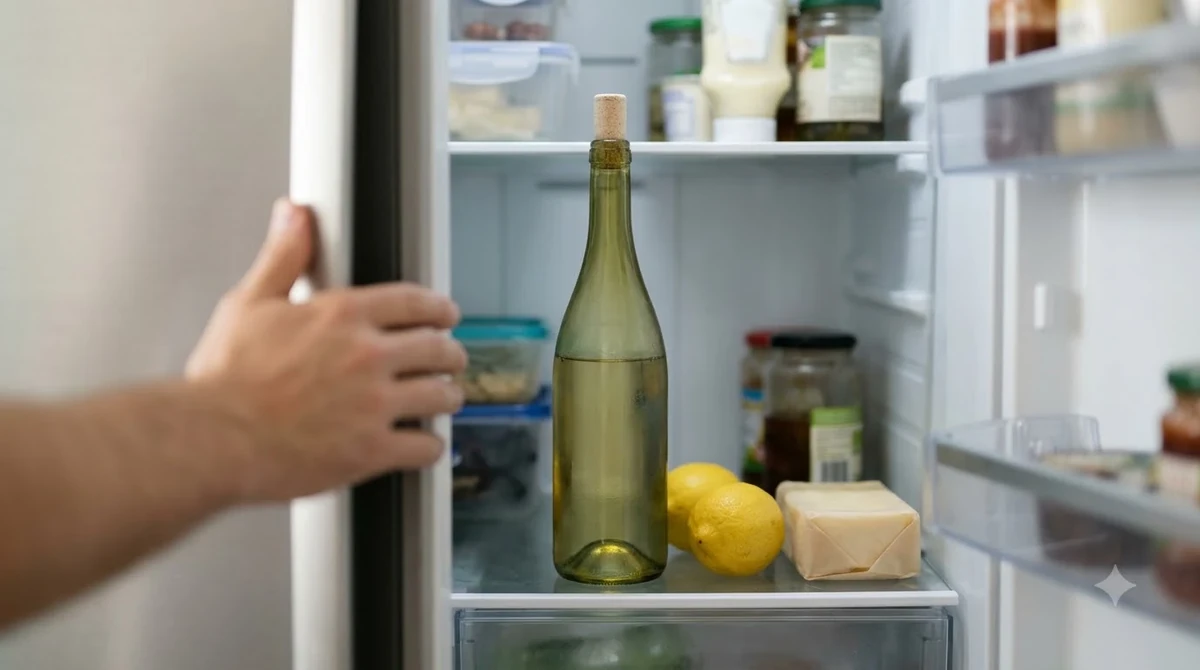
Store unopened bottles away from direct light and heat, ideally near 55°F; keep cork-finished bottles on their sides. After opening, refrigerate still wines and use a stopper; many keep for about 3–5 days, while sparkling wine is generally best within 1–3 days with a proper stopper. When shopping, compare grape variety, vintage, alcohol level, and any barrel or lees information rather than relying on a single tasting adjective.
Frequently Asked Questions
The core range includes distinct styles: the 2024 Sauvignon Blanc is 12.5% ABV, while the 2024 Steen op Hout Chenin Blanc is 13.5% ABV. These answers cover label language, vintage variation, and production details that are easy to overlook.
What does “Steen op Hout” mean on a Mulderbosch label?
“Steen” is an older Afrikaans name for Chenin Blanc, while “op hout” refers to wood. The phrase signals Chenin Blanc with some maturation in wooden vessels, not a guarantee that the wine tastes strongly of oak. The 2024 release used neutral barrels and large foudres for part of its maturation.
Is Mulderbosch Sauvignon Blanc always made in the same way?
No. The share and duration of lees maturation can change with the vintage. The producer’s 2022 sheet describes one-third of the blend aged on lees in neutral 500-liter barrels for six months, while the 2024 sheet lists half the blend for nine months.
Does Faithful Hound contain only Cabernet Sauvignon?
No. Faithful Hound is a Bordeaux-variety blend rather than a single-grape Cabernet bottling. The 2022 vintage also received 91/100 at the Decanter World Wine Awards, a distinction tied to that release rather than a permanent label rating.
Is Mulderbosch Cabernet Sauvignon Rosé sweet?
The 2022 release received 88/100 from both James Suckling and Tim Atkin. Those scores are vintage-specific critical assessments, not sweetness classifications; the wine is made with early-picked Cabernet Sauvignon and cool fermentation to retain freshness.
What is the difference between sparkling rosé and Cap Classique?
Cap Classique is South Africa’s traditional-method sparkling-wine category, in which the second fermentation takes place in the bottle. The 2021 Mulderbosch Sparkling Rosé lists 12.5% alcohol and 4.7 grams per liter of residual sugar, alongside its in-line carbonation process. The terms should not be treated as interchangeable on a wine list.
Mulderbosch is a good entry point for exploring Stellenbosch because its wines show several expressions of the region, from bright Sauvignon Blanc to textured Chenin Blanc and Cabernet-led reds. Start with the white or rosé style that suits the meal, then try Faithful Hound when the menu calls for more structure. Comparing vintages and serving each bottle at the right temperature will reveal more than relying on the brand name alone.
More in Wine Brands
 Underwood Wine Price: Compare Bottles, Cans, and Pack SizesUpdated Nov 21, 2026
 Zenato Wine Price: Compare Styles and Choose the Right BottleUpdated Nov 21, 2026
 Zuccardi Wine Price: Compare Bottles and Find the Right RangeUpdated Nov 21, 2026
 Yellow Tail Moscato Review: Taste, Sweetness and Serving TipsUpdated Nov 21, 2026
 Wolf Blass Yellow Label Review: Choose Your Best StyleUpdated Nov 21, 2026
 Wolffer Estate Rose Review: Choose the Right Bottle for Your TableUpdated Nov 21, 2026