

We may earn a commission when you buy through links on this page, at no extra cost to you. Learn more.
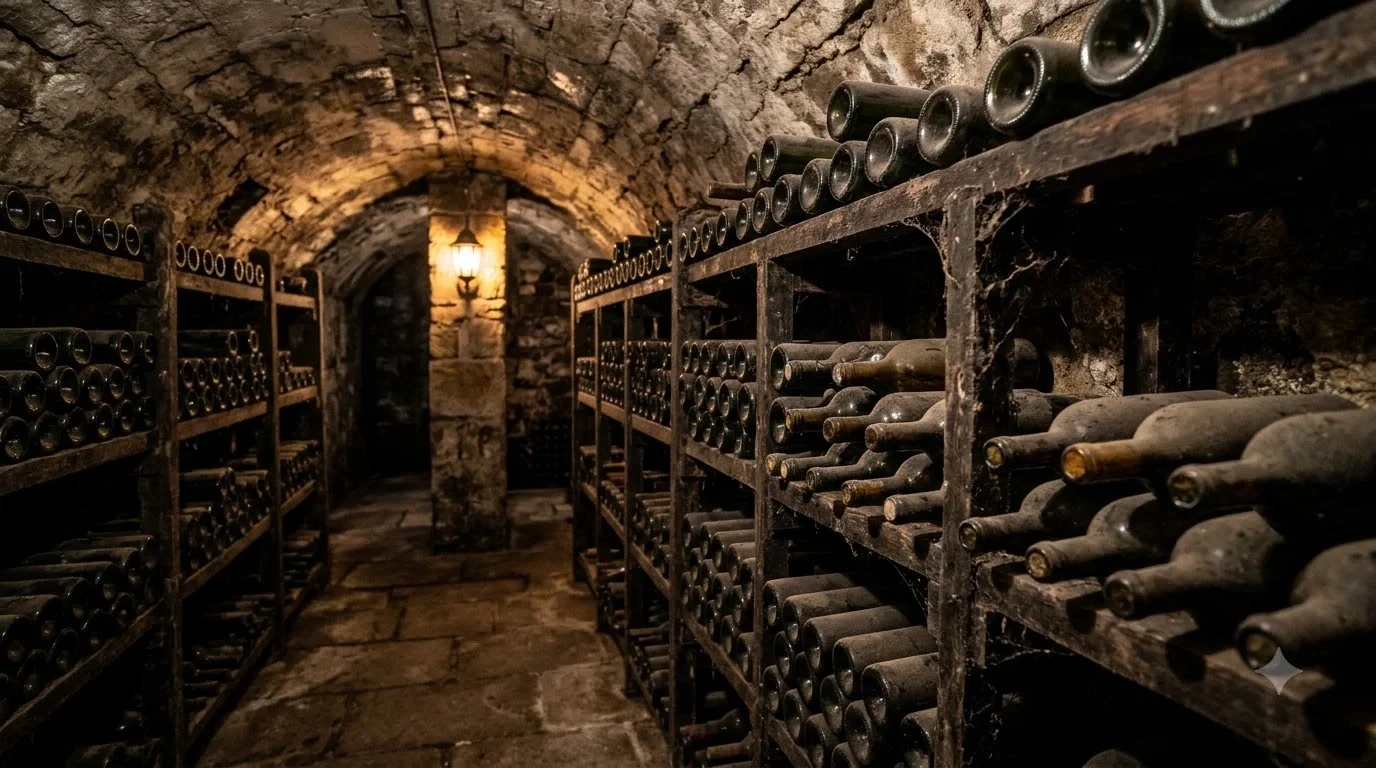
The best mudgee wineries include Lowe Family Wine Co, Logan Wines, First Ridge Wines, Di Lusso Estate and De Beaurepaire Wines, offering excellent opportunities to discover regional Shiraz, Chardonnay, Italian varieties and distinctive French-inspired wines. Mudgee, in New South Wales, has a winemaking history dating to 1858 and more than 35 cellar doors. Whether you prefer structured reds, fresh whites, organic wines or relaxed vineyard lunches, the region offers several worthwhile destinations. The right choice depends on the grapes you enjoy, the tasting experience you want and how much time you have for exploring.
Mudgee is particularly appealing to wine buyers who want to discover producers rather than simply purchase familiar supermarket labels. Its established Shiraz and Cabernet Sauvignon sit alongside increasingly interesting alternatives such as Barbera, Sangiovese, Vermentino and Fiano. A cellar door visit also provides an opportunity to compare individual winemaking styles, ask about vineyard conditions and select bottles that suit your preferences. This guide explains where to start, what to taste and how to choose wines worth bringing home.
Who This Is For: Choosing the Best Mudgee Wineries
The best Mudgee wineries depend on what you want from a wine purchase and cellar door experience. First-time visitors should consider producers with broad tasting selections, while experienced enthusiasts may prefer smaller estates specializing in particular grapes or winemaking methods.
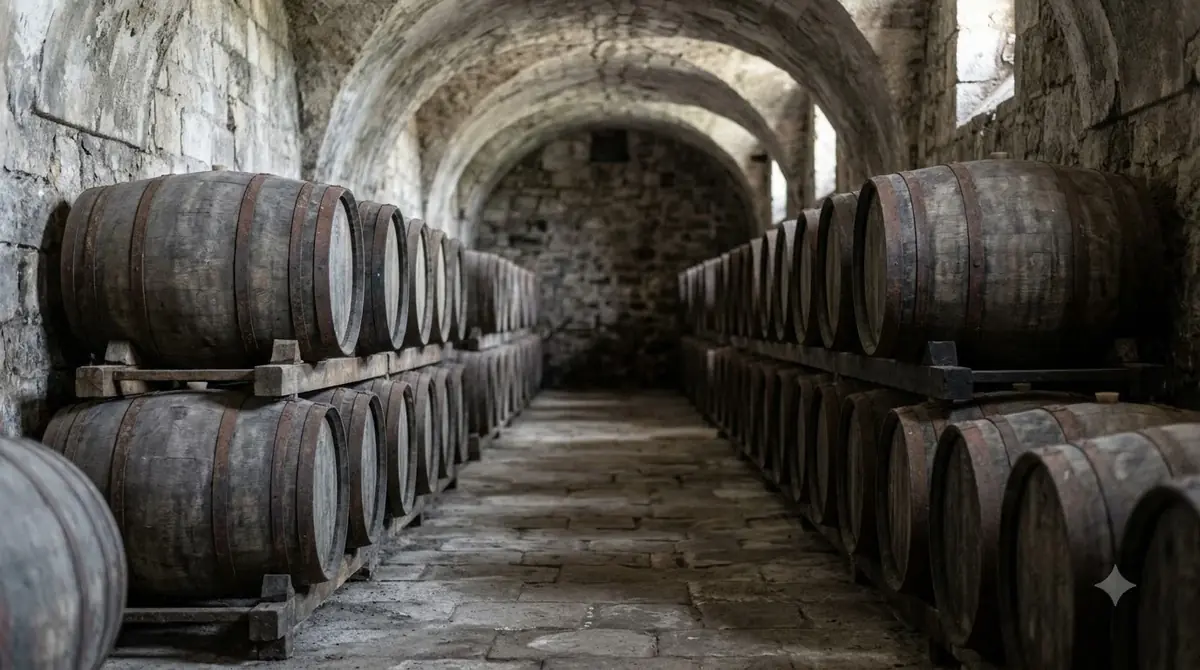
Lowe Family Wine Co is an excellent starting point for visitors interested in organic and biodynamic viticulture. Its cellar door operates within the working winery at Tinja Farm, with views across vineyards toward the surrounding Mudgee hills. Personal tasting experiences, grazing hampers and opportunities to explore the farm make it particularly suitable for visitors who want more than a quick sampling session. Its combination of wine, food and agricultural surroundings also makes it appealing to people who enjoy understanding how vineyard practices influence the finished bottle.
Logan Wines is another strong choice for a first visit. Its hilltop tasting room at Apple Tree Flat offers broad countryside views, wines from both Mudgee and Orange, and locally sourced cheese plates. The seven-day opening schedule listed by the Mudgee Wine Association makes it a practical option for visitors planning a weekend or weekday trip.
For buyers who enjoy discovering less familiar grapes, First Ridge and Di Lusso deserve particular attention. Both emphasize Italian varieties, offering alternatives to the Cabernet Sauvignon and Shiraz that dominate many Australian wine shelves. Their selections provide a useful introduction to the range of styles produced in the region.
Visitors who prefer French-inspired wines should consider De Beaurepaire Wines in nearby Rylstone. Its estate focuses on French varieties and balanced, age-worthy wines. The vineyard is particularly interesting for buyers who enjoy exploring the relationship between vineyard location, soil and grape variety.
For additional regional comparisons, readers can also explore our guides to the best Temecula wineries and best Paso Robles wineries. These California destinations offer useful contrasts with Mudgee’s Australian regional wine styles.
Key Factors to Compare Before Choosing a Winery
Comparing wineries involves more than deciding which tasting room looks attractive. Grape selection, vineyard practices, tasting arrangements and food availability all influence whether a producer is a good match for your wine preferences.
| Winery | Best For | Notable Wine Focus | Visitor Experience |
|---|---|---|---|
| Lowe Family Wine Co | Organic and biodynamic wines | Estate wines and small batches | Personal tastings and grazing hampers |
| Logan Wines | Broad regional selection | Mudgee and Orange wines | Hilltop tasting room and cheese plates |
| First Ridge Wines | Italian grape varieties | Barbera, Sangiovese, Fiano and Vermentino | Scenic cellar door |
| Di Lusso Estate | Italian-style wine exploration | Italian varieties and blends | Cellar door and lunch restaurant |
| De Beaurepaire Wines | French-inspired styles | French varieties and estate wines | Guided tastings and masterclasses |
| Gooree Park | Wine and heritage experiences | Estate whites and reds | Historic stable-based tasting rooms |
| Petersons of Mudgee | Picnics and varied wine styles | Sparkling, white and red wines | Garden and lawn areas |
| Grattai Grove | Small-batch estate wines | Cabernet Sauvignon and newer plantings | Appointment-based tastings |
One of the most important considerations is grape variety. Mudgee has a strong reputation for Shiraz, but Wine Australia’s regional statistics also identify Chardonnay, Pinot Gris or Grigio, Merlot and Cabernet Sauvignon as significant varieties. According to Wine Australia’s 2024 regional crush figures, Shiraz represented 28 percent of the grapes processed, while Chardonnay accounted for 23 percent. Pinot Gris and Pinot Grigio represented another 12 percent. These figures help explain why the region offers both substantial red wine selections and worthwhile white wine alternatives. The Wine Australia Mudgee regional profile provides additional information about local varieties, growing conditions and vineyard characteristics.
Production methods are another useful comparison. Lowe Family Wine Co is particularly relevant for shoppers interested in organic and biodynamic vineyard practices. First Ridge offers an opportunity to investigate Italian grape varieties, while De Beaurepaire provides a different perspective through its French-inspired approach. Asking whether a bottle is estate-grown, blended or produced using particular vineyard practices can help explain differences between otherwise similar wines.
Food and tasting arrangements matter as well. Logan offers cheese plates, Lowe provides grazing hampers, and Di Lusso has a lunch restaurant. De Beaurepaire offers guided experiences, including a 60-minute masterclass covering 10 wines. These details can help determine whether a winery is appropriate for a short tasting or a longer visit.
Finally, consider accessibility and opening arrangements. First Ridge accepts ordinary tasting visitors without advance reservations, although bus groups of six or more must arrange their visit. Grattai Grove requests visitors to contact the estate to organize tastings. A winery with limited appointment availability may be an excellent choice for a planned visit but less suitable for an unstructured afternoon.
Tip: Choose two or three wineries with different specialties rather than visiting several producers that concentrate on the same grapes. Comparing a Mudgee Shiraz, an Italian-style red and a French-inspired wine provides a much clearer picture of the region’s diversity.
Step-by-Step: How to Choose and Buy Mudgee Wines
A successful winery visit starts with a clear idea of what you want to discover. Following a simple tasting and purchasing process makes it easier to compare producers, identify good bottles and avoid buying wines simply because the surroundings are attractive.
-
Decide which wine styles interest you.
Begin with two or three categories. For example, choose Shiraz, Chardonnay and an alternative Italian grape such as Barbera. If you already enjoy Cabernet Sauvignon or Riesling, include those varieties in your tasting priorities. A short list makes comparisons more useful than sampling unrelated wines without a clear objective.
-
Select wineries that match those preferences.
Start with Logan for a broad regional selection, Lowe for organic and biodynamic wines, or First Ridge for Italian varieties. Add Di Lusso if you want to explore Italian-inspired wines alongside lunch. De Beaurepaire is a useful choice if French-style wines are a priority.
-
Check opening arrangements before leaving.
Review the individual cellar door’s published schedule and tasting conditions. First Ridge lists regular opening days and accepts walk-in tastings, whereas Grattai Grove asks visitors to arrange tastings by contacting the estate. De Beaurepaire requires bookings for its experiences.
-
Taste wines in a consistent order.
Begin with sparkling wines and lighter whites before moving to fuller whites and reds. Taste younger, lighter reds before more structured examples. This sequence makes differences in acidity, tannin, body and fruit intensity easier to recognize.
-
Compare the wines using specific characteristics.
Look for acidity, tannin, body, fruit character and finish. With Shiraz, compare whether the wine emphasizes fresh red and dark fruit or a richer, more concentrated profile. With Chardonnay, consider whether it is fresh and citrus-driven or fuller and creamier.
-
Ask the producer practical questions.
Find out whether the wine is estate-grown, how long it was matured and whether the producer recommends drinking it young or allowing it to develop. For Cabernet Sauvignon and Shiraz, ask about tannin structure and the expected drinking window. For aromatic whites, ask about freshness and release timing.
-
Choose bottles for different occasions.
Rather than buying several similar reds, consider a balanced selection. A bottle of Chardonnay or Vermentino can work for lighter meals, while Shiraz or Cabernet Sauvignon may suit richer dishes. Include an unfamiliar grape variety if the tasting reveals something particularly interesting.
For shoppers who want a broader foundation before visiting a winery, our wine-buying guide explains the basic principles of evaluating grape varieties, wine styles and bottle choices. Understanding these fundamentals helps make cellar door conversations more productive.
It is also useful to keep brief notes after each tasting. Record the producer, grape variety, vintage and a few descriptive characteristics. A wine that seems memorable during a visit may be difficult to identify later if several wineries have been sampled.
Types and Wine Styles Explained in the Mudgee Region
Mudgee is best known for structured Australian reds, but its wine identity extends well beyond Shiraz and Cabernet Sauvignon. Its changing altitude, varied vineyard conditions and growing interest in international varieties create a diverse selection for wine buyers.
Shiraz: The Regional Red to Start With
Shiraz is one of Mudgee’s signature grapes and a logical starting point for anyone exploring the region. The wines can range from elegant, bright and fruit-driven examples to fuller-bodied bottles with concentrated dark fruit and substantial structure. Wine Australia’s regional profile specifically identifies Shiraz as a leading variety.
When comparing bottles, pay attention to tannin, acidity and alcohol rather than relying on richness alone. Some examples may emphasize fresh blackberry and plum, while others can show darker fruit, spice and oak influence. A fuller-bodied Shiraz is particularly suitable for grilled beef, lamb and slow-cooked meat dishes.
Cabernet Sauvignon and Merlot: Structured Red Alternatives
Cabernet Sauvignon is another important Mudgee variety. Its naturally high tannin makes it a useful choice for people who enjoy structured reds with dark fruit and the potential to develop in the bottle. The region also produces Merlot, which generally has softer tannins and a rounder profile.
For a food pairing, consider Cabernet Sauvignon with grilled steak or lamb. Merlot can be more adaptable with roast chicken, burgers and moderately rich dishes. When choosing between the two, consider whether you prefer firm structure or a softer drinking experience.
Chardonnay: A Major White Wine Category
Chardonnay is an important part of Mudgee’s wine production. Regional producers make a range of styles, from fresh and fruit-focused examples to richer wines with greater texture. This diversity makes Chardonnay particularly useful for buyers who want a white wine suitable for different meals and occasions.
Look for citrus, apple and stone-fruit characteristics in fresher styles. Fuller examples may show more texture and creamy notes, particularly where winemaking choices include malolactic fermentation or oak maturation. Serve lighter Chardonnay around 45 to 50 degrees Fahrenheit and fuller-bodied examples around 50 to 55 degrees Fahrenheit.
Riesling and Other Aromatic Whites
Riesling is another variety worth exploring. Wine Australia describes Mudgee Riesling as ranging from dry to slightly sweeter styles, with refreshing citrus characteristics. Its naturally high acidity makes it especially useful alongside seafood, salads and dishes featuring citrus-based sauces.
Vermentino, Pinot Grigio and Fiano offer further options for buyers seeking refreshing alternatives to Chardonnay. First Ridge is particularly interesting because its range includes all three varieties. These grapes also provide an opportunity to compare Italian-inspired white wine styles without leaving the Mudgee region.
Italian Varieties: A Distinctive Reason to Visit
One of the more interesting aspects of Mudgee is its established interest in Italian varieties. First Ridge produces Barbera, Sangiovese and Montepulciano alongside Fiano, Vermentino and Pinot Grigio. Di Lusso also specializes in a broad selection of Italian grape varieties and blends.
These wines are particularly useful for buyers who enjoy exploring regional alternatives. Barbera often offers lively acidity and approachable fruit, while Sangiovese can provide savory character and refreshing acidity. Montepulciano generally offers a deeper red-fruit profile and more substantial body. These wines can work particularly well with tomato-based pasta, pizza and grilled vegetables.
To understand why such a broad range of grapes grows in the region, consider its growing conditions. The Mudgee Wine Association describes elevations from 450 to 1,100 meters, with volcanic earth and sandy loam over clay subsoils. Warm growing-season conditions, cooler nights and local vineyard differences help create opportunities for different varieties and styles.
Common Mistakes When Visiting Mudgee Wineries
The most common mistakes involve treating every cellar door as interchangeable and making purchasing decisions without considering the wine itself. A little planning can make a substantial difference, particularly when comparing several wineries in one day.
Choosing Only Famous Red Varieties
Many visitors arrive expecting to taste Shiraz and Cabernet Sauvignon exclusively. Those grapes are important, but overlooking Chardonnay, Riesling and Italian varieties means missing much of the region’s diversity. First Ridge and Di Lusso are especially useful for exploring alternative grapes, while Lowe and Logan offer broader opportunities to compare different regional styles.
Assuming Every Winery Offers Walk-In Tastings
Cellar door arrangements vary. First Ridge accepts walk-in visitors for tastings, but De Beaurepaire requires bookings for its guided experiences. Grattai Grove organizes tastings through direct contact, and some smaller producers may operate by appointment. Checking arrangements before traveling helps avoid unnecessary delays.
Confusing the Winery Experience With Wine Quality
A spectacular view or attractive tasting room does not automatically mean a particular bottle will suit your preferences. The historic surroundings at Gooree Park and the hilltop setting at Logan add to the experience, but wine quality should still be evaluated through the glass.
Consider the characteristics that matter to you. If you dislike heavy tannins, a powerful Cabernet Sauvignon may be less appealing than a softer Merlot or a fresh white. If you prefer crisp wines, prioritize Riesling, Vermentino or Pinot Grigio rather than choosing a bottle simply because a producer is known for rich reds.
Buying Too Many Similar Bottles
Another frequent mistake is selecting several bottles with almost identical profiles. Purchasing multiple full-bodied Shiraz wines may make sense if that is your established preference, but first-time visitors will usually learn more by choosing different varieties.
A more balanced selection might include a regional Shiraz, a Chardonnay, a bottle of Riesling and an Italian variety. This provides greater flexibility for meals and allows you to compare the different expressions of Mudgee winemaking at home.
Ignoring the Journey Between Cellar Doors
Mudgee has more than 35 cellar doors, and they are spread across a regional landscape rather than concentrated in a single pedestrian district. Lowe, First Ridge, Logan, Di Lusso and De Beaurepaire are different destinations, so a realistic schedule matters.
Plan a manageable number of visits rather than trying to cover every producer in one afternoon. If you intend to sample wines at several locations, arrange a designated driver or an appropriate local transport option. This also leaves more time for conversations with cellar door staff.
Care and Storage Tips for Mudgee Wines
Buying a good regional wine is only part of the process; storing and serving it properly helps preserve its character. Temperature, light exposure and the amount of time a bottle remains open all influence how the wine performs after purchase.
Store Bottles at a Consistent Temperature
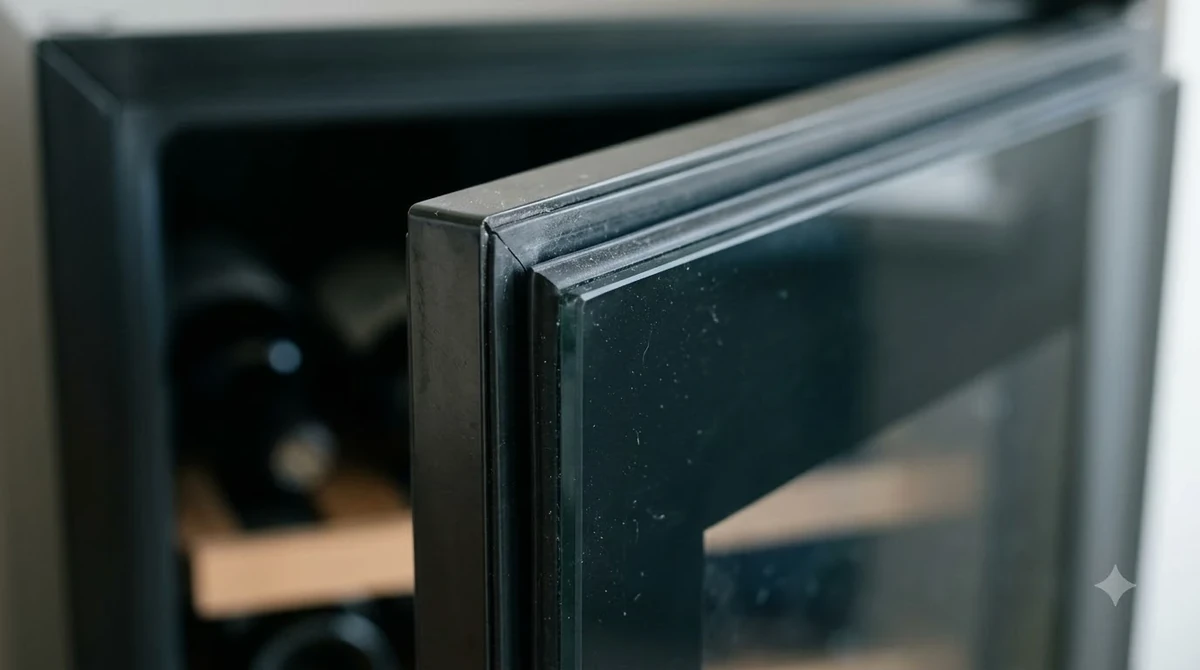
For longer-term storage, keep bottles in a cool, dark location close to 55 degrees Fahrenheit. Avoid places with large temperature fluctuations, such as kitchens, garages exposed to summer heat or shelves near windows. Excessive heat can accelerate wine development and damage delicate aromas.
Store cork-sealed bottles on their sides so the cork remains in contact with the wine. This helps reduce the risk of the cork drying out. Keep bottles away from direct sunlight and strong vibrations, especially if you intend to retain structured Cabernet Sauvignon or Shiraz for several years.
Serve Each Variety at the Appropriate Temperature
Serving temperature can change how a wine tastes. A red served too warm may seem heavy and alcoholic, while a white served too cold can lose much of its aromatic character.
- Shiraz and Cabernet Sauvignon: Serve at approximately 60 to 65 degrees Fahrenheit.
- Merlot and lighter reds: Serve at approximately 55 to 60 degrees Fahrenheit.
- Chardonnay: Serve lighter styles at 45 to 50 degrees Fahrenheit and fuller styles at 50 to 55 degrees Fahrenheit.
- Riesling and other light whites: Serve at approximately 45 to 50 degrees Fahrenheit.
- Sparkling wines: Serve at approximately 40 to 50 degrees Fahrenheit.
These ranges are practical starting points rather than rigid rules. A few minutes outside the refrigerator can help a particularly cold white reveal more of its aroma, while a slightly chilled red can taste fresher than one served at a warm room temperature.
Give Young Full-Bodied Reds Time to Breathe
Young, full-bodied Shiraz and Cabernet Sauvignon can benefit from decanting. Allow approximately 30 to 60 minutes of aeration before serving, particularly when the wine has firm tannins and concentrated fruit. This gives the wine an opportunity to open up and makes its aromatic characteristics easier to appreciate.
Older bottles require more care. Decanting can help separate sediment, but prolonged exposure to oxygen may reduce the freshness of a mature wine. For an older bottle, taste a small amount first and decide whether decanting is necessary.
Preserve Opened Bottles Properly
After opening a still wine, reseal the bottle and refrigerate it. Most opened still wines remain enjoyable for approximately three to five days, depending on their structure and exposure to air. Refrigeration slows oxidation even for red wines, which can be brought back toward their preferred serving temperature before drinking.
Sparkling wine generally keeps for approximately one to three days when properly sealed and refrigerated. Use a suitable sparkling-wine stopper rather than relying on the original cork. If you purchase several bottles during a Mudgee visit, avoid opening more than you can reasonably enjoy within their expected storage period.
Frequently Asked Questions
What is Mudgee most famous for producing?
Mudgee is particularly associated with Shiraz and Cabernet Sauvignon, although its wine identity is broader. The region also has a strong history of Chardonnay production and growing interest in Italian varieties. Its long-established vineyards make it one of Australia’s notable inland wine destinations.
How far is Mudgee from Sydney?
Wine Australia places Mudgee approximately three and a half hours northwest of Sydney. Actual journey time depends on the departure point, traffic and chosen route. Visitors should allow additional time for stops and regional roads when planning a weekend trip.
Are there wineries in Mudgee that offer wine clubs?
Some regional producers offer ongoing wine-club arrangements and direct purchasing opportunities. The Cellar by Gilbert, for example, lists The Collector Wine Club among its offerings. Ask individual wineries about membership terms, delivery areas and whether members receive access to limited-release bottles.
Can visitors find vegan wines in Mudgee?
Yes. Martins Hill Organic Wines identifies its wines as organic and vegan and describes its production as involving no added preservatives. Vegan suitability and organic certification are different considerations, so buyers interested in both should ask producers about their individual production and certification practices.
What is the best time of year to visit Mudgee wineries?
Autumn is particularly appealing to visitors interested in vineyard scenery and the harvest period, although exact harvest dates depend on the season and grape variety. Spring offers another attractive experience, with vineyard growth and seasonal flowering around some estates. Winter can be quieter, making it a useful time to arrange more personal cellar door experiences.
The best Mudgee wineries offer considerably more than familiar Australian Shiraz. From Lowe’s organic and biodynamic wines to First Ridge’s Italian varieties, Logan’s regional selection and De Beaurepaire’s French-inspired bottles, there is plenty to explore. Choose producers that match your preferred wine styles, compare several varieties and bring home a selection that captures the region’s diversity.
More in Wine Buying Guides
 Riesling Gift: Choose a Bottle They’ll LoveUpdated Nov 21, 2026
 Sweet Red Wine Gift: Choose a Bottle They’ll LoveUpdated Nov 21, 2026
 Malbec Gift: How to Choose a Memorable Bottle for Any OccasionUpdated Nov 21, 2026
 Sherry Gift Ideas That Match Every Wine LoverUpdated Nov 21, 2026
 Moscato Gift: How to Choose a Sweet Wine They’ll LoveUpdated Nov 21, 2026
 Merlot Gift: How to Choose a Bottle They’ll AppreciateUpdated Nov 21, 2026