

We may earn a commission when you buy through links on this page, at no extra cost to you. Learn more.
Mudgee vineyards are located in New South Wales, Australia, and are known for distinctive Shiraz, Cabernet Sauvignon, Chardonnay, and increasingly diverse modern wine styles. With a winemaking history dating to 1858, Mudgee combines elevated vineyard sites, warm sunny days, cool nights, and varied soils to produce wines with ripe fruit character and refreshing balance. Visitors can explore more than 35 cellar doors, discover established family wineries, and experience one of Australia’s historic inland wine regions.
Located approximately three and a half hours northwest of Sydney, Mudgee offers a different perspective on Australian wine from the better-known coastal regions. Its combination of established vineyards, independent producers, historic architecture, and agricultural landscapes makes it an appealing destination for wine enthusiasts. Whether you are interested in structured red wines, expressive whites, alternative grape varieties, or wine tourism, understanding the region’s geography and winemaking traditions helps explain what makes its bottles distinctive.
Where Mudgee Vineyards Are Located and How the Region Developed
Mudgee sits in central-western New South Wales, on the western slopes of the Great Dividing Range. Its location, historic town center, and surrounding agricultural communities give the region a character that combines traditional Australian wine production with a growing contemporary wine scene.
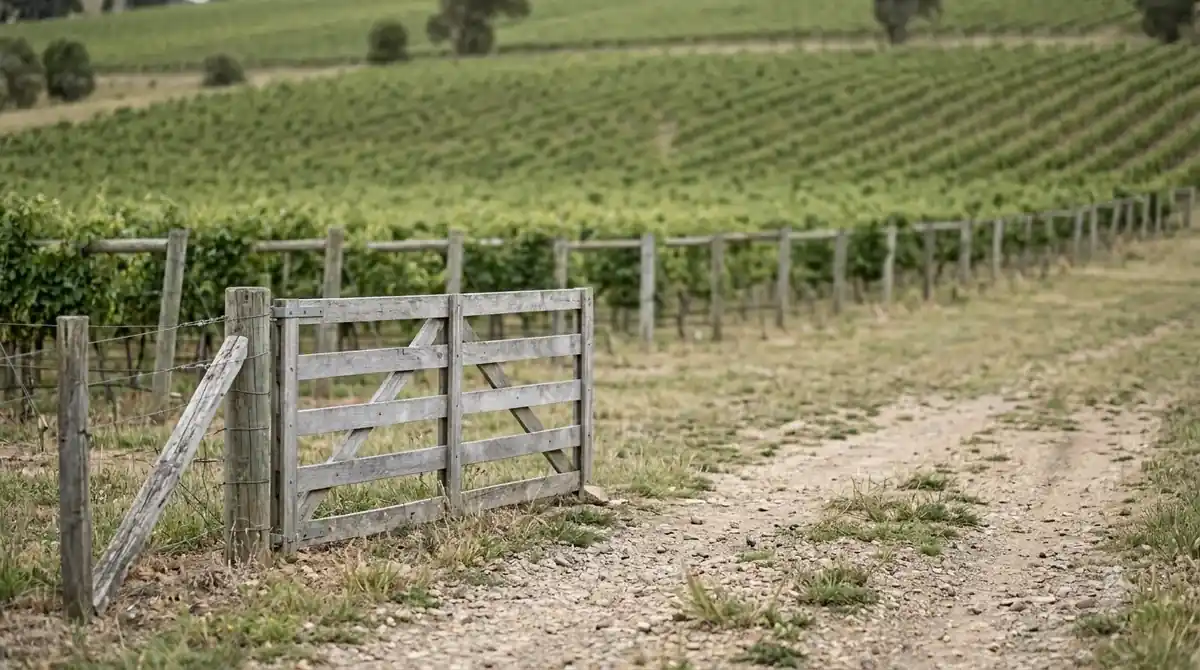
The main township of Mudgee is approximately 260 kilometers northwest of Sydney by road. The broader wine-producing district includes areas around Gulgong, Rylstone, Kandos, and other surrounding communities. Rolling hills, valleys, and elevated agricultural land provide a range of vineyard environments rather than one uniform growing area.
The region’s name is commonly associated with the Aboriginal word Moothi, interpreted as meaning “nest in the hills.” The surrounding landscape helps explain the expression: a series of hills creates smaller valleys and sheltered agricultural areas where vineyards and farms developed.
Commercial grape growing in Mudgee dates to 1858. This long history makes the region an important part of the Australian wine industry, particularly in New South Wales. Early growers established the foundations for the red and white varieties that remain central to the area’s identity.
Shiraz and Cabernet Sauvignon became important regional specialties, while Chardonnay developed a strong following among Australian wine drinkers. The area’s agricultural heritage also encouraged a practical approach to grape growing, with family operations and independent producers playing an important role in its development.
The modern Mudgee wine industry is considerably more diverse than its traditional reputation might suggest. Producers now work with Mediterranean and other European varieties, including Barbera, Sangiovese, Tempranillo, and Vermentino. These wines provide alternatives to familiar Australian Cabernet and Shiraz styles.
For readers comparing Australian wine destinations, Mudgee belongs in a broader exploration of Wine Regions. Its inland geography and established viticultural history distinguish it from coastal areas and cooler southern destinations such as Tasmania.
The region’s historic buildings also contribute to its appeal. Mudgee town features well-preserved sandstone architecture, independent businesses, restaurants, and accommodation. Visitors can combine winery visits with time exploring the town rather than treating cellar doors as isolated destinations.
Climate, Elevation, and Soils Shape the Wines
Mudgee’s defining growing conditions include warm sunny days, cool nights, relatively low humidity, and substantial variation in vineyard elevation. These conditions influence grape ripening, acidity, harvest timing, and the character of finished wines.
Wine Australia reports an elevation range of approximately 227 to 1,242 meters across the wider region, while the Mudgee Wine Association describes vineyard elevations of roughly 450 to 1,100 meters. Individual vineyards occupy different positions, so conditions can vary considerably between producers.
Warm summer and autumn afternoons help grapes develop ripe fruit flavors and phenolic maturity. Cooler nighttime temperatures provide a contrast that can help preserve freshness during ripening. This combination is particularly useful for varieties such as Cabernet Sauvignon and Shiraz, which benefit from sufficient warmth to develop structure and flavor.
Elevation is another important influence. Higher vineyard sites can experience cooler temperatures and different ripening patterns from lower areas. A producer growing Chardonnay at a higher elevation may pursue a different balance of fruit richness and freshness from a vineyard in a warmer position.
Frost is a significant consideration, especially during spring. Cold conditions can delay budburst, while a damaging frost event can affect young shoots and reduce the potential crop. Growers therefore need to manage vineyard exposure, frost risk, and the timing of seasonal development.
Rainfall is relatively limited compared with some coastal wine-growing areas. Wine Australia’s regional profile records approximately 466 millimeters of growing-season rainfall. Irrigation is essential at some sites, although favorable vineyard positions may require less intervention depending on soil characteristics and seasonal conditions.
Soils are varied but commonly include brownish sandy loam or slightly acidic loam over neutral clay subsoils. Some favored sites also contain shale, quartz, and seabed sandstone. The Mudgee Wine Association additionally describes volcanic earth and sandy loam over clay as features of the local soil environment.
Good drainage is particularly important for vineyard management. Soil structure affects water availability, vine growth, and the development of grape crops. Clay subsoils can influence moisture retention, while the upper soil layers contribute to drainage and root development.
These differences mean that Mudgee should not be understood as having one universal vineyard terroir. Elevation, aspect, soil composition, vine age, and seasonal weather all contribute to the characteristics of individual wines.
Tip: When comparing two Mudgee wines made from the same grape, consider the producer, vineyard elevation, and vintage conditions. These factors can explain differences in ripeness, acidity, body, and overall style more effectively than the grape name alone.
Shiraz and Cabernet Sauvignon Define the Red Wines
Shiraz and Cabernet Sauvignon are two of Mudgee’s most recognizable varieties. They produce wines with ripe dark fruit, substantial structure, and the concentration associated with the region’s traditional red wine reputation.
Shiraz is particularly important to local production. Wine Australia records that it accounted for 28 percent of the region’s crushed grape tonnage in 2024. The grape is well suited to Mudgee’s sunny growing conditions, where it can develop generous fruit flavors and a range of tannin structures.
Typical Mudgee Shiraz can show blackberry, plum, dark cherry, and black pepper characteristics. Some examples emphasize fresh fruit and approachable texture, while others are fuller-bodied, with concentrated flavors and more noticeable tannins.
Winemaking choices influence the final expression. Oak maturation may introduce notes of vanilla, toast, cedar, or baking spice, depending on the barrel type, age, and time in contact with the wine. Producers who prefer a fruit-forward approach may use oak more selectively.
Cabernet Sauvignon is another established regional specialty. Wine Australia’s figures place it at 10 percent of Mudgee’s crushed grape tonnage in 2024. Its natural tannin and acidity provide a framework for wines that can develop additional complexity with bottle age.
Typical Cabernet Sauvignon aromas include blackcurrant, blackberry, plum, cedar, and sometimes mint or herbal notes. Mudgee’s warm growing conditions can support ripe fruit character, while cooler nights help wines retain a degree of freshness.
Cabernet Sauvignon is generally more tannic than Merlot or Pinot Noir. This structure makes it a natural choice for grilled beef, lamb, mature hard cheese, and other foods with substantial protein and richness.
Merlot provides another important red wine option. It represented 11 percent of the region’s crushed tonnage in 2024. Compared with Cabernet Sauvignon, Merlot typically has softer tannins and more rounded fruit flavors, often including plum, black cherry, and ripe berry.
Some Mudgee producers also blend Cabernet Sauvignon and Shiraz or incorporate Merlot into regional red blends. These combinations allow winemakers to balance Cabernet’s firm structure with Shiraz’s fruit richness or Merlot’s softer texture.
For a simple introduction to the region, tasting three wines side by side can be particularly informative:
- Shiraz: Look for dark berry fruit, spice, and medium-plus to high tannin.
- Cabernet Sauvignon: Compare its firmer structure, blackcurrant character, and cedar-like complexity.
- Merlot: Notice the softer tannins, rounded texture, and plum-driven fruit.
These comparisons demonstrate how grape variety influences wine style even when the wines come from the same geographical area.
Chardonnay, Riesling, and Other White Wine Varieties
Mudgee’s white wines deserve attention alongside its established red wine reputation. Chardonnay remains a major variety, while Riesling, Pinot Gris, and Vermentino demonstrate the diversity of the region’s contemporary white wine production.
Chardonnay accounted for 23 percent of Mudgee’s crushed grape tonnage in 2024, making it one of the region’s most significant varieties. Its versatility allows producers to create wines ranging from fresh and fruit-driven examples to fuller-bodied wines with fermentation and maturation influences.
Typical Chardonnay aromas can include apple, pear, citrus, peach, and melon. Depending on ripeness and winemaking, the wine may also develop creamy textures, buttery notes, or subtle toast and vanilla characteristics from oak.
Oak treatment is not a requirement for Chardonnay. Stainless-steel fermentation can preserve a fresher fruit profile, while barrel fermentation and maturation can add texture and complexity. Some producers also use malolactic fermentation to soften acidity and introduce a creamier impression.
Riesling is another variety worth seeking out. Mudgee’s combination of sunshine and cooler nights can support wines with citrus fruit, aromatic freshness, and balanced acidity. Styles range from completely dry to slightly sweeter expressions.
Typical Riesling aromas include lime, lemon, green apple, and floral notes. With bottle age, some wines develop more complex aromas, including honeyed and mineral-like characteristics. Sweetness levels vary, so it is useful to understand the difference between dry and off-dry examples when selecting a bottle.
Pinot Gris and Pinot Grigio are closely related expressions of the same grape variety, with the names often reflecting different stylistic traditions. Wine Australia records their combined share at 12 percent of Mudgee’s crushed tonnage in 2024.
Pinot Grigio typically emphasizes freshness, light citrus, pear, and a crisp finish. Pinot Gris can be made in a richer style, with more noticeable stone fruit and a fuller mouthfeel. Neither name guarantees one precise winemaking approach, so tasting individual producers is useful.
Vermentino is another interesting option. This Mediterranean grape can produce aromatic wines with citrus, green apple, herbal, and sometimes saline-like impressions. It is particularly appealing alongside seafood, salads, and lighter Mediterranean dishes.
The region’s white wine selection is useful for people who prefer wines with refreshing acidity rather than the structure of full-bodied reds. Chardonnay provides the broadest stylistic range, while Riesling and Pinot Grigio offer particularly good options for fresh, food-friendly drinking.
Alternative Grapes and Modern Mudgee Wine Styles
Modern Mudgee winemaking extends beyond the established Shiraz, Cabernet Sauvignon, and Chardonnay categories. Producers are experimenting with Mediterranean and European grape varieties that suit the region’s sunny inland environment.
Barbera is one of the more interesting red varieties to explore. Originating in Italy, it is naturally associated with bright acidity and generous red fruit. Typical aromas include sour cherry, raspberry, and plum, making it an appealing alternative to heavily structured Cabernet Sauvignon.
Barbera’s acidity can also make it particularly useful at the dinner table. It works with tomato-based dishes, grilled sausages, pizza, and roasted vegetables. Its freshness helps balance richer foods without requiring especially heavy tannins.
Sangiovese offers another Italian connection. Best known as the principal grape of Chianti Classico, it generally produces wines with red cherry flavors, noticeable acidity, and moderate to firm tannins. Mudgee versions can provide an interesting Australian interpretation of this traditional variety.
Readers familiar with Chianti Classico vineyards may find it useful to compare the regional expressions of Sangiovese. Climate, soil, vineyard position, and winemaking decisions influence how the grape expresses itself in different countries.
Tempranillo brings a Spanish influence to the region. Depending on the style, it can show cherry, plum, dried herbs, and savory characteristics. Oak maturation may add cedar, tobacco, and spice. It is a good option for people who enjoy medium- to full-bodied reds without always wanting the powerful tannin of Cabernet Sauvignon.
Zinfandel is another variety identified among Mudgee’s newer plantings. It can produce ripe berry flavors, black pepper, and a fuller-bodied profile. Its style depends heavily on harvest decisions and winemaking techniques, particularly the management of ripeness and alcohol.
Vermentino demonstrates the same willingness to explore alternative grapes on the white wine side. Its citrus-driven flavors and fresh acidity provide an appealing contrast to richer Chardonnay styles.
These varieties do not replace Mudgee’s established specialties. Instead, they give producers additional ways to express the diversity of the region. They also offer visitors the opportunity to taste something less familiar while exploring established cellar doors.
For wine enthusiasts interested in international comparisons, other regional explorations such as Uruguay vineyards provide another perspective on how producers adapt European grape varieties to different growing environments.
The growing range of varieties also makes Mudgee particularly interesting for comparative tasting. Rather than focusing exclusively on one flagship grape, visitors can discover how the same regional climate supports varieties with different acidity, tannin, aromatic, and structural characteristics.
Visiting Mudgee Wineries and Planning a Cellar Door Tour
Mudgee is a rewarding destination for wine tourism because its cellar doors, restaurants, historic town center, and surrounding countryside can be combined into a relaxed itinerary. The regional association identifies more than 35 cellar doors, providing plenty of opportunities to explore different producers.
Many visitors travel from Sydney, with the drive taking approximately three and a half hours under normal road conditions. The journey makes Mudgee suitable for a long weekend, although a longer stay provides more time to explore the surrounding communities.
Well-known producers highlighted by regional tourism information include Lowe Wines, Robert Stein, Logan Wines, and De Beaurepaire Wines. Each offers a different opportunity to understand the area’s wines and the approaches used by individual producers.
Cellar door experiences vary. Some focus on guided tastings, while others offer relaxed sampling, vineyard views, food, or opportunities to purchase wines directly from the producer. It is sensible to check opening arrangements and tasting availability before setting out.
A first-time visitor should avoid trying to visit too many wineries in one day. Three or four carefully selected cellar doors allow enough time to appreciate the wines, ask questions, and enjoy the surrounding landscape without rushing.
A useful itinerary might begin with a morning tasting focused on Shiraz and Cabernet Sauvignon, followed by lunch and an afternoon visit concentrating on Chardonnay, Riesling, or alternative varieties.
Visitors interested in the region’s history can also explore Gulgong and the sandstone architecture around Mudgee. Rylstone and Kandos provide additional opportunities to discover the broader district beyond the central township.
Food is an important part of the experience. Local dining options range from relaxed farm-style meals to more formal winery restaurants. Pipeclay Pumphouse at Robert Stein is among the dining destinations identified by Visit NSW, while The Barn at Blue Wren Farm provides another option for visitors exploring the area.
Seasonal wine events are also worth considering. The Mudgee Wine + Food Festival and other regional activities provide opportunities to discover producers, local ingredients, and the wider food culture. Event dates and participating wineries vary, so advance planning helps.
Spring and autumn are attractive seasons for exploring vineyards, although each season offers a different experience. Autumn is particularly relevant to wine production because grape harvesting and the transition into cooler weather bring activity to the region’s wineries.
Summer can be warm, making early-day cellar door visits particularly comfortable. Winter offers a quieter atmosphere and a chance to enjoy fuller-bodied red wines alongside substantial meals.
Responsible transport planning is essential for a winery tour. Visitors who intend to taste wine at several cellar doors should arrange a designated driver, book a local tour, or organize another suitable form of transportation.
For practical visitor information, the official Visit NSW guide to Mudgee wineries highlights cellar doors, tasting experiences, and places to eat. It is a useful starting point for choosing producers and planning a visit.
Food Pairings, Serving Temperatures, and Buying Mudgee Wines
Mudgee wines work with a wide range of foods, from grilled meats and rich stews to seafood, salads, and cheeses. The best pairing depends on the wine’s acidity, tannin, body, sweetness, and overall intensity.
Shiraz is a natural partner for grilled lamb, beef short ribs, barbecue, and slow-cooked meat. Its dark fruit character and substantial structure can stand up to rich flavors, particularly when the dish includes herbs, pepper, or roasted vegetables.
Cabernet Sauvignon pairs particularly well with grilled steak, roast beef, and mature cheddar. Its higher tannin levels work well with protein and fat, which soften the perception of astringency. For a particularly structured Cabernet, choose dishes with enough richness to balance the wine.
Merlot offers more flexibility with roasted chicken, pork, mushroom dishes, and softer cheeses. Its medium tannins and rounded fruit make it suitable for meals that might be overwhelmed by a particularly powerful Cabernet Sauvignon.
For white wines, Chardonnay works with roast chicken, creamy pasta, grilled fish, and dishes involving butter or mild sauces. A richer, oak-influenced Chardonnay can handle more substantial food than a lighter stainless-steel version.
Riesling is especially useful with Asian-inspired dishes, fresh seafood, and spicy food when the wine has a touch of sweetness. Its high acidity helps balance richness, while a little residual sugar can soften the perception of chili heat.
Pinot Grigio is an easy match for salads, prawns, grilled vegetables, and light seafood dishes. Vermentino also works well with Mediterranean cooking, particularly grilled fish, lemon, herbs, and olive oil.
Barbera and Sangiovese are excellent choices for tomato-based dishes because their acidity can complement the acidity in the food. Try them with pizza, pasta with tomato sauce, grilled vegetables, and Italian-style cured meats.
Serving temperature has a significant effect on how a wine smells and tastes. Excessively warm reds can seem heavy, while very cold whites may conceal aromatic detail.
| Wine style | Suggested serving temperature | Food pairing |
|---|---|---|
| Mudgee Shiraz | 60–65°F | Grilled lamb or beef |
| Mudgee Cabernet Sauvignon | 60–65°F | Steak or mature cheddar |
| Mudgee Merlot | 55–60°F | Roast chicken or pork |
| Mudgee Chardonnay | 50–55°F | Roast chicken or creamy pasta |
| Mudgee Riesling | 45–50°F | Seafood or spicy dishes |
| Mudgee Pinot Grigio | 45–50°F | Salads or grilled prawns |
| Mudgee Vermentino | 45–50°F | Grilled fish or vegetables |
| Mudgee Barbera | 55–60°F | Pizza or tomato-based pasta |
For structured young Shiraz and Cabernet Sauvignon, decanting for approximately 30 to 60 minutes can help the wine open up. Older bottles may need more careful handling because prolonged exposure to air can diminish delicate aromas.
When buying Mudgee wine, consider the grape variety first, then the producer’s preferred style. A fruit-forward Shiraz will offer a different experience from a more structured, oak-matured example. Similarly, Chardonnay can range from fresh and citrus-driven to rich and creamy.
Bottle storage also matters. Keep unopened bottles on their sides when they have natural cork closures, in a cool and stable environment near 55°F. Avoid excessive temperature changes and direct sunlight.
After opening, refrigerate still wines and generally aim to finish them within three to five days. A sparkling wine is best consumed within one to three days, while proper sparkling-wine stoppers can help preserve its carbonation for longer.
For visitors who discover a favorite producer, purchasing directly from the cellar door can be a convenient way to explore additional vintages and varieties. Comparing wines from different producers is equally useful because Mudgee’s growing conditions support a wider range of styles than its traditional reputation alone suggests.
For additional regional background, Wine Australia’s Mudgee regional profile provides vineyard-area, altitude, rainfall, and grape-production information that helps explain the region’s wine styles.
Frequently Asked Questions
Is Mudgee an officially recognized Australian wine region?
Yes. Mudgee is a recognized Australian geographical indication for wine production in New South Wales. Its geographical designation identifies the wine’s regional origin, rather than guaranteeing a particular grape variety, production method, or quality level.
What does Mudgee mean in the local Aboriginal language?
The name is commonly associated with the Aboriginal term Moothi, meaning “nest in the hills.” The interpretation refers to the area’s surrounding hills and valleys. The region also acknowledges the Traditional Custodians of its land and their continuing cultural connections.
Does Mudgee produce sparkling wine?
Yes, sparkling wine is part of the broader range of wines that can be found among Australian regional producers. Styles can vary according to grape selection and production method. Traditional-method sparkling wines undergo their second fermentation in the bottle, while tank-method wines complete that fermentation in a pressurized tank.
Can Mudgee wines be aged in a home cellar?
Some can. Structured Cabernet Sauvignon and Shiraz are particularly suitable candidates for aging, depending on their concentration, acidity, tannin, and winemaking approach. Many fresh whites and lighter reds are designed for earlier enjoyment, although certain well-made Chardonnays and Rieslings can also develop interesting bottle-aged characteristics.
Is Mudgee part of the Hunter Valley wine region?
No. Mudgee and the Hunter Valley are separate wine-producing regions in New South Wales. Their climates, vineyard elevations, and growing conditions differ, which helps explain why Mudgee’s harvest generally occurs later than the Hunter Valley harvest.
Mudgee vineyards offer a distinctive combination of Australian wine heritage, elevated growing sites, established red wine specialties, and an increasingly diverse range of white and alternative varieties. From concentrated Shiraz and structured Cabernet Sauvignon to refreshing Riesling and Mediterranean-inspired Barbera, the region rewards exploration beyond its best-known bottles. Whether you are planning a cellar door visit or selecting wines to enjoy at home, Mudgee is an excellent introduction to the diversity of New South Wales wine country.
More in Wine Regions
 Willcox Wine Trail: Discover Arizona’s High-Elevation Wine CountryUpdated Nov 20, 2026
 Yakima Valley Wine Region: Find the Best Styles to TryUpdated Nov 20, 2026
 Vosne Romanee Wine Tasting: Identify Aromas and Choose Better PairingsUpdated Nov 20, 2026
 Yakima Valley Wine Festival: Find the Best Seasonal Wine EventsUpdated Nov 20, 2026
 Wales Vineyards: Discover Cool-Climate Wines and Where to VisitUpdated Nov 20, 2026
 Yountville Wine Festival: Discover Napa Wines and Local FoodUpdated Nov 20, 2026