

We may earn a commission when you buy through links on this page, at no extra cost to you. Learn more.
Moscato sugar content typically ranges from 70 to 150 grams of residual sugar per liter, which translates to roughly 10 to 22 grams of sugar in a standard 5-ounce glass. Classic Italian Moscato d’Asti averages around 100 to 150 grams per liter, placing it near the sweetness level of a standard soda. However, winemakers also produce dry, still expressions of Muscat grapes with fewer than 4 grams of sugar per liter, as well as fortified dessert styles that exceed 150 grams per liter.
Because US wine labels rarely print nutritional panels or residual sugar figures, figuring out how sweet a bottle of Moscato actually is can feel like guesswork. Understanding how grape sugars survive fermentation, how different regional styles vary, and how acidity shapes sweetness on your palate makes it much easier to pick the exact glass you want.
How Much Sugar Is in Moscato?
Most sweet Moscato wines contain between 70 and 150 grams of residual sugar per liter, making them noticeably sweeter than off-dry white wines like standard Riesling or Pinot Grigio. In a typical 5-ounce pour, that equals about 10 to 22 grams of natural grape sugar.
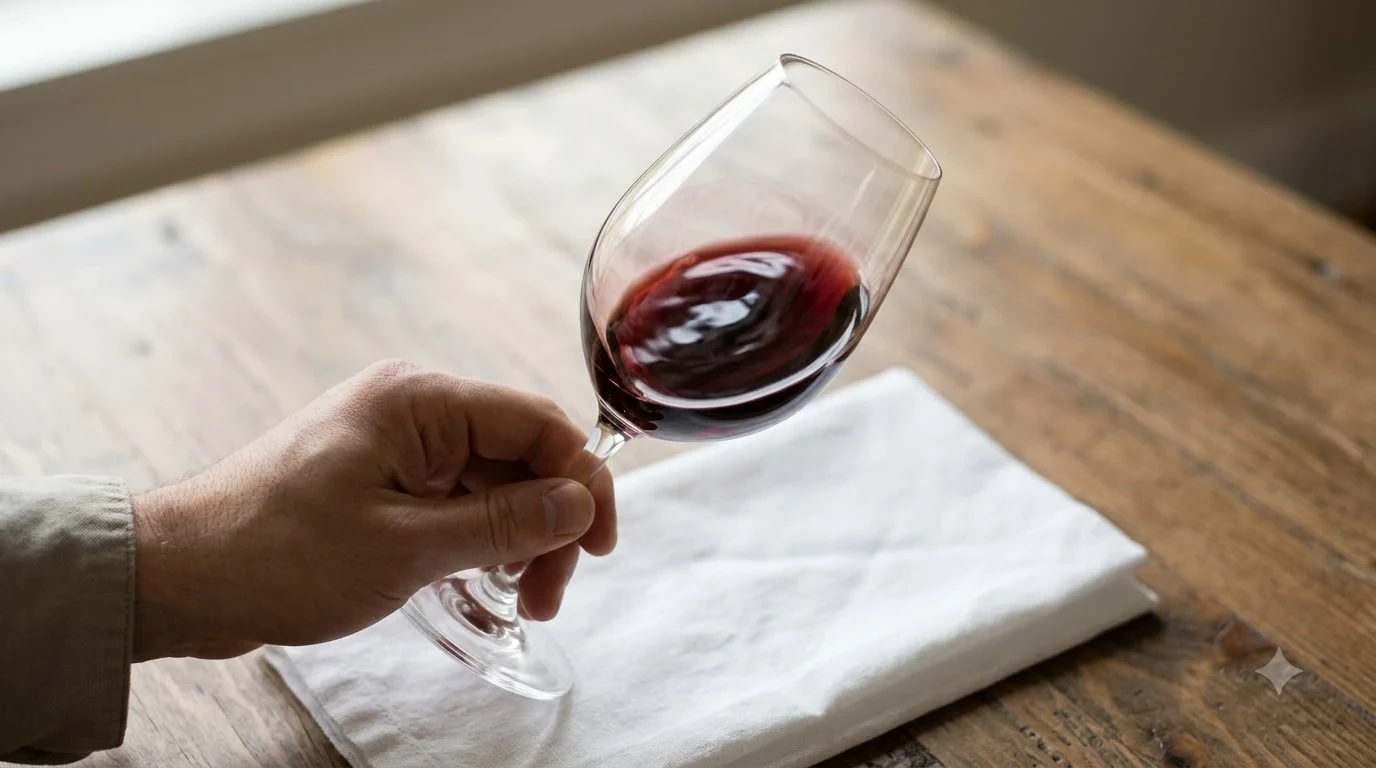
Winemakers measure sweetness in grams per liter (g/L) of residual sugar, which refers to the natural fructose and glucose left unfermented after yeast finishes its work. According to Wine Folly’s sugar in wine breakdown, a wine with 10 grams per liter has a 1 percent sweetness level, while wines above 35 grams per liter taste unmistakably sweet on the palate.
For perspective, a classic bottle of Moscato d’Asti sits around 100 to 150 grams per liter of residual sugar. Wine educators frequently point out that a standard can of Coca-Cola contains roughly 113 to 115 grams of sugar per liter, which means a traditional lightly sparkling Moscato carries a comparable concentration of natural fruit sugar. Commercial mass-market bottles made in California or Australia often land slightly lower, around 70 to 90 grams per liter, though still firmly in the sweet tier.
Because wine carries fewer calories per gram from sugar than from alcohol, a sweet Moscato does not automatically contain more total calories than a bone-dry red wine. A 5-ounce serving of Moscato d’Asti averages around 102 to 140 calories, depending on the exact balance of residual sugar and alcohol by volume.
Moscato Sugar Content by Wine Style
Not every bottle made from Muscat grapes tastes like liquid dessert; sugar levels shift dramatically depending on regional traditions and winemaking choices. Comparing the five primary expressions helps clarify what to expect before pulling the cork.
| Moscato Style | Residual Sugar (g/L) | Sugar per 5-oz Glass | Typical ABV | Sweetness Profile |
|---|---|---|---|---|
| Dry Muscat (Still) | 1 to 10 g/L | Under 1.5 g | 11% to 13% | Bone-dry to dry, floral aroma |
| Commercial Still Moscato | 70 to 100 g/L | 10.5 to 15 g | 7% to 9% | Medium-sweet to sweet, fruity |
| Moscato d’Asti (Frizzante) | 100 to 150 g/L | 15 to 22 g | 4.5% to 6.5% | Sweet, spritzy, high-acid balance |
| Asti Spumante | 80 to 120 g/L | 12 to 18 g | 7% to 9% | Sweet, fully sparkling |
| Moscato Dessert / Passito | 150 to 220+ g/L | 22 to 33+ g | 11% to 16% | Luscious, syrupy, concentrated |
The most famous expression is Moscato d’Asti DOCG from northwestern Italy, which combines gentle frizzante bubbles with 100 to 150 grams per liter of residual sugar. Its fully sparkling cousin, Asti Spumante, undergoes a slightly longer fermentation that converts a bit more sugar into alcohol, resulting in more vigorous bubbles and slightly lower residual sugar. If you want to explore how those numbers affect the buzz, our guide to moscato d asti alcohol content explains why lower alcohol and higher sweetness go hand in hand.
Outside northern Italy, winemakers produce still white Moscato and blush-toned Pink Moscato—often tinted with a splash of Merlot—that usually sit between 70 and 100 grams per liter. On opposite ends of the spectrum sit dry Muscat wines from Alsace or Austria, which ferment nearly all grape sugars away, and late-harvest or fortified Muscat dessert wines from southern Italy, Spain, and Australia that concentrate sugars well past 150 grams per liter.
Why Moscato Has So Much Residual Sugar
Winemakers do not add table sugar to sweeten Moscato; instead, they intentionally halt fermentation early so natural grape sugars remain in the wine. Stopping the yeast mid-process preserves fresh peach and orange blossom flavors while keeping alcohol levels low.
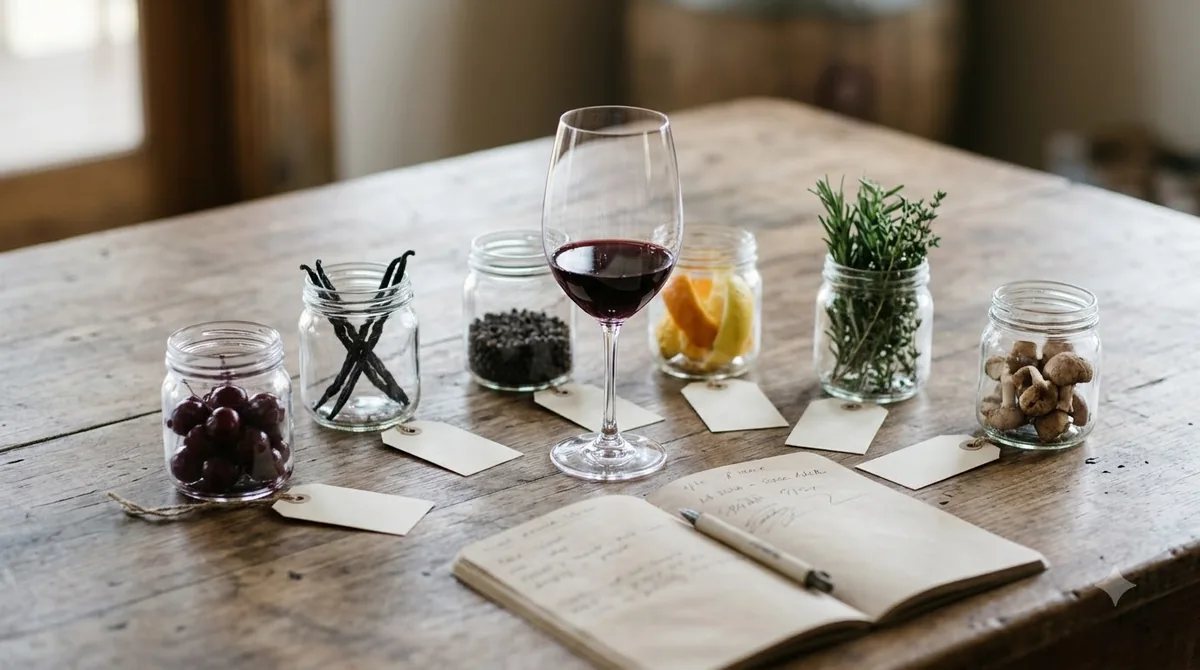
During standard winemaking, yeast cells consume natural fructose and glucose in pressed grape juice and convert them into ethanol and carbon dioxide. If the yeast consumes every bit of sugar, the resulting wine tastes dry and reaches roughly 12 to 14 percent alcohol by volume. As VinePair’s overview of residual sugar explains, winemakers control final sweetness by deciding exactly when to stop that yeast activity.
For Moscato d’Asti, producers ferment the must inside pressurized stainless-steel tanks known as autoclaves. Once the wine reaches roughly 5 to 5.5 percent alcohol and traps a gentle spritz of carbon dioxide, the winemaker rapidly chills the tank down to near freezing. The sudden cold puts the yeast into dormancy, and fine sterile filtration removes the dormant yeast cells before bottling so fermentation never restarts in the glass.
Because all of that sweetness comes directly from ripe Muscat Blanc grapes, the sugar is natural fruit sugar rather than added cane sugar or corn syrup. You can learn more about the ancient family of grapes behind these wines in our article on where is moscato from.
How Acidity and Bubbles Change the Taste of Sweetness
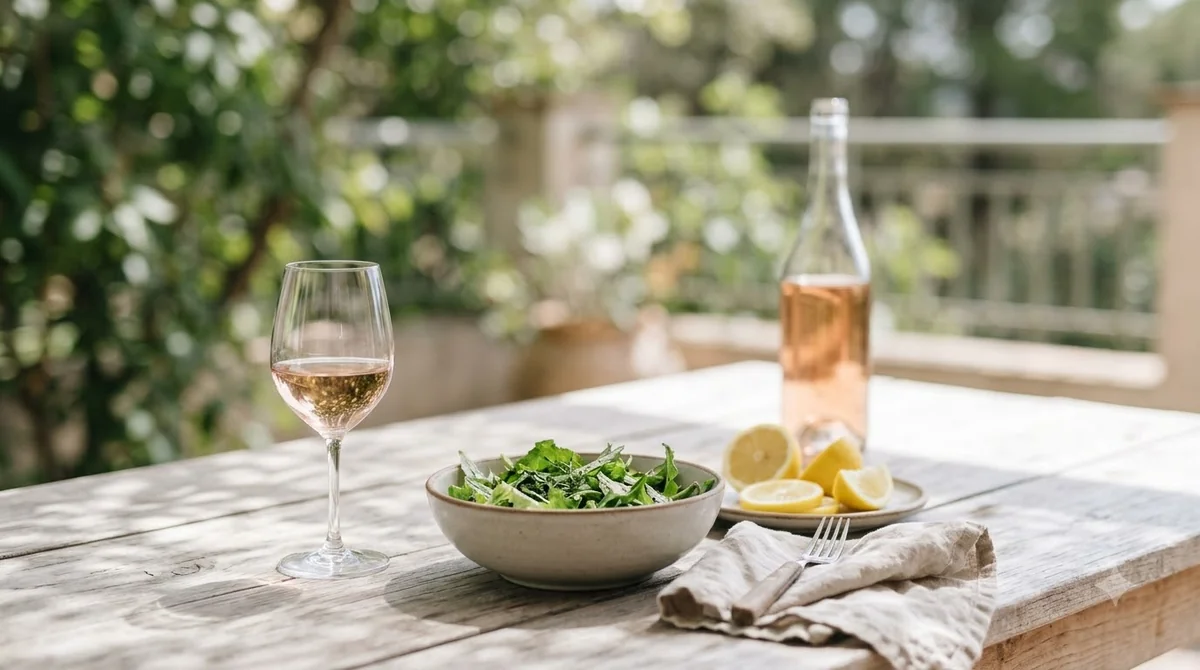
A glass of Moscato d’Asti can hold as much sugar per ounce as a soft drink without tasting cloying or heavy. High natural acidity, lively carbonation, and cold serving temperatures work together to keep the sweetness crisp and refreshing.
Human taste buds perceive sugar relative to sourness and bitterness rather than as an isolated number. In Piedmont’s hillside vineyards, Moscato Bianco grapes retain brisk tartaric and malic acidity alongside ripe tropical fruit aromas. That bright acidity acts like a squeeze of fresh lemon over ripe peaches, cutting straight through the 100-plus grams per liter of residual sugar so the finish feels clean rather than syrupy.
Effervescence amplifies that balancing act. Even the gentle frizzante prickle of Moscato d’Asti stimulates tactile receptors on the tongue and lifts floral aromas of white blossoms, apricot, and mandarin peel. When a sweet Moscato lacks sufficient acidity or carbonation—which can happen in warm-climate bulk wines—the exact same gram count of residual sugar tastes noticeably heavier and flatter.
Tip: Serve sweet Moscato well chilled between 43 and 48 degrees Fahrenheit. Warmer temperatures dull the wine’s crisp acidity and make residual sugar taste noticeably heavier on the palate.
How Moscato Compares to Other Sweet Drinks
Looking at sugar in grams per 5-ounce serving helps put Moscato into practical context alongside other wines, brewed beverages, and everyday drinks. Even sweet wines vary widely depending on serving size and production method.
Dry white wines such as Sauvignon Blanc or Pinot Grigio typically contain between 0 and 4 grams of residual sugar per liter, meaning a 5-ounce glass has less than a single gram of sugar. Off-dry German Kabinett Riesling or demi-sec sparkling wines generally fall between 17 and 45 grams per liter, delivering roughly 2.5 to 6.5 grams of sugar per glass. By comparison, a 5-ounce pour of Moscato d’Asti delivers around 15 to 22 grams of sugar.
Brewed rice beverages follow a different fermentation path altogether, where starch converts into sugar alongside yeast fermentation, and their sweetness spans from bone-dry to rich nigori styles—a breakdown covered in our guide to sake sugar content. Meanwhile, fortified dessert wines like tawny Port or cream Sherry often contain 100 to 140 grams per liter of sugar, though they are typically poured in smaller 2- to 3-ounce dessert servings rather than full wine glasses.
How to Tell How Sweet a Moscato Bottle Will Be
Because US federal labeling laws do not require wineries to print residual sugar numbers on the back label, shopping for a specific sweetness level takes a few quick visual clues. Checking the alcohol percentage and regional wording gives you the clearest signal in the store aisle.
First, look at the alcohol by volume (ABV) printed on the front or back label. Because fermentation converts grape sugar into alcohol, a lower ABV almost always means more sugar stayed behind in the bottle. Bottles sitting at 5 to 6.5 percent ABV are reliably sweet and lightly sparkling, whereas bottles listed at 11 to 13 percent ABV have fermented most of their sugar dry unless they are fortified dessert wines.
Second, scan the label for traditional European sweetness terms or winery technical sheets. Italian bottles labeled dolce indicate a sweet style, while French or Alsatian Muscat bottles labeled sec indicate a dry wine. Many quality-focused producers also publish vintage technical sheets online that list exact residual sugar in grams per liter alongside total acidity, making it simple to compare bottles across broader Wine by Type categories before you buy.
Frequently Asked Questions
How many grams of sugar are in a glass of Moscato?
A standard 5-ounce glass of sweet Moscato typically contains between 10 and 22 grams of residual sugar. Classic Italian Moscato d’Asti lands near the upper end of that range at roughly 15 to 22 grams per glass, while dry Muscat styles contain less than 1.5 grams.
Is sugar added to Moscato wine?
No, traditional Moscato gets all of its sweetness from natural grape sugars rather than added table sugar. Winemakers chill the tank early during fermentation to put the yeast to sleep, leaving unfermented fructose and glucose in the finished wine.
Does Moscato have more sugar than Pinot Grigio or Sauvignon Blanc?
Yes, sweet Moscato has substantially more sugar than dry white wines. While dry Pinot Grigio and Sauvignon Blanc usually contain fewer than 4 grams of sugar per liter, sweet Moscato commonly holds 70 to 150 grams per liter.
Are there dry Moscato wines with low sugar?
Yes, winemakers in regions like Alsace, Austria, and parts of Italy ferment Muscat grapes completely dry. These bottles typically contain fewer than 4 to 10 grams of residual sugar per liter and carry an alcohol level around 11 to 13 percent ABV.
Knowing the numbers behind Moscato sugar content takes the guesswork out of shopping for aromatic white wines. Whether you want a chilled, lightly sparkling bottle around 5.5 percent ABV for fresh fruit and spicy takeout or a crisp, dry Muscat for savory seafood, checking the alcohol percentage and regional style points you straight to the right pour.
More in Wine Types & Grapes
 Zinfandel Sugar Content: Dry Red vs. White Zinfandel GramsUpdated Nov 21, 2026
 Best Zinfandel Substitute Options for Sipping and CookingUpdated Nov 21, 2026
 Zweigelt Food Pairing: Best Dishes, Cheeses, and Serving TipsUpdated Nov 21, 2026
 Zinfandel Tannins Explained: How Structure Shapes Every BottleUpdated Nov 21, 2026
 Zinfandel Sweetness Level: Dry Red vs. Sweet White Zin ExplainedUpdated Nov 21, 2026
 Xinomavro Food Pairing: Best Dishes, Styles, and Serving TipsUpdated Nov 21, 2026