

We may earn a commission when you buy through links on this page, at no extra cost to you. Learn more.
The best monterey wineries include Folktale Winery, Bernardus Winery, Holman Ranch, Caraccioli Cellars, Wrath Wines, and Scheid Vineyards, offering everything from cool-climate Pinot Noir and Chardonnay to fuller-bodied Cabernet Sauvignon. Monterey County has several distinct wine-tasting areas, including Carmel-by-the-Sea, Carmel Valley, and the Monterey Wine Trail along River Road. The right choice depends on whether you prefer walkable tasting rooms, vineyard settings, sparkling wines, or a closer look at California’s coastal wine-growing conditions.
Monterey wine country is an excellent destination for exploring California wines beyond the better-known Napa and Sonoma regions. Its combination of ocean influence, mountain valleys, diverse vineyard sites, and independent producers creates a particularly interesting selection for wine enthusiasts. This guide highlights wineries and tasting rooms worth considering, explains what distinguishes the main wine regions, and offers practical advice for planning a rewarding visit.
Who This Is For: Choosing the Right Monterey Wine Experience
Monterey wine country suits visitors who want to explore several styles of California wine without limiting themselves to one grape variety or winery experience. The region is especially interesting for Pinot Noir and Chardonnay enthusiasts, although Cabernet Sauvignon, Merlot, Syrah, sparkling wine, and other varieties also deserve attention.
First-time visitors should start by deciding what kind of afternoon they want. Carmel-by-the-Sea is particularly convenient for people who prefer walking between tasting rooms, stopping for lunch, and exploring a coastal village. Its compact layout makes it possible to enjoy wine country without organizing an entire day around driving between vineyard properties.
Carmel Valley is a better fit for visitors who want a more traditional winery atmosphere. Its mountain surroundings, warmer conditions, garden patios, and tasting rooms create a different experience from the coastal village. Folktale Winery, Bernardus Winery, and Holman Ranch are useful starting points for exploring this area.
Wine enthusiasts interested in vineyard landscapes and cool-climate varieties should also consider the Monterey Wine Trail. This area includes River Road and the Santa Lucia Highlands, where elevated vineyards benefit from morning sunshine and cool afternoon ocean breezes. Producers such as Wrath Wines, Scheid Vineyards, and CRŪ Winery provide starting points for discovering the wines associated with this part of the county.
Monterey is also suitable for visitors with limited time. A tasting room along Cannery Row, such as A Taste of Monterey, provides an opportunity to explore regional wines without committing to a longer drive into the countryside.
Key Factors to Compare When Selecting Monterey Wineries
The best winery is not necessarily the one with the largest vineyard or most elaborate tasting room. Compare location, wine specialties, tasting environment, and transportation requirements before deciding where to spend your time.
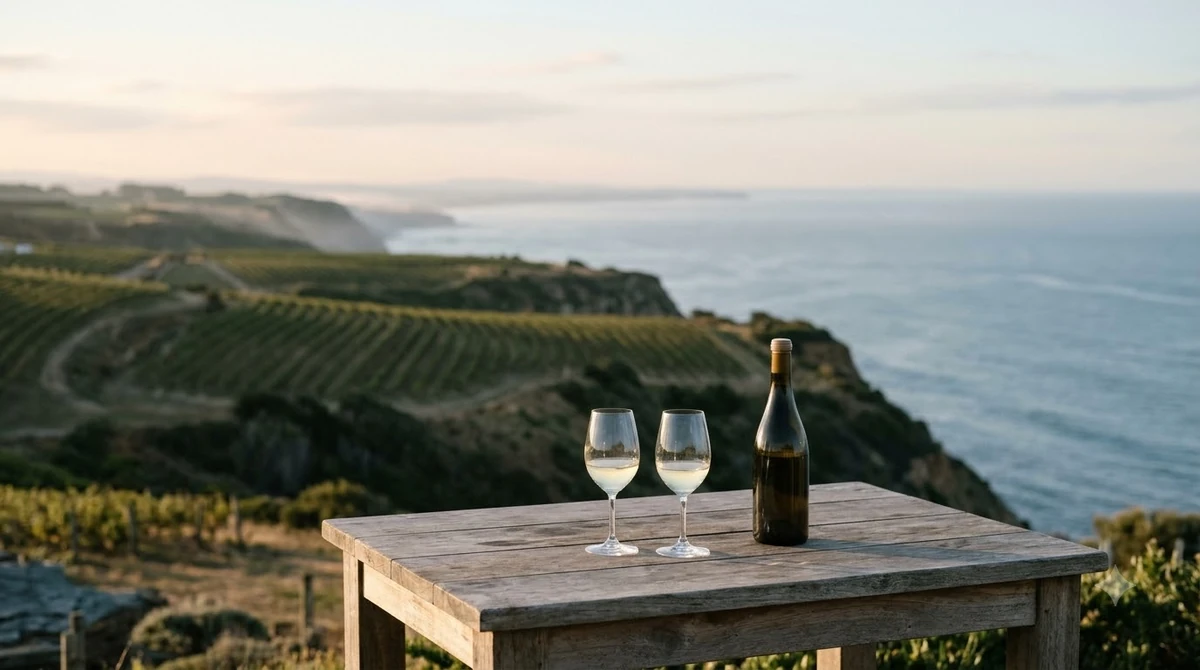
Start with the wine styles you enjoy. Monterey County’s coastal influence makes Chardonnay and Pinot Noir particularly important, while the warmer conditions of Carmel Valley support Cabernet Sauvignon and Merlot. A tasting that includes several varieties can help you understand how geography influences the character of California wine.
| Wine-tasting area | Experience | Wine styles to explore | Best suited to |
|---|---|---|---|
| Carmel-by-the-Sea | Walkable village tasting rooms | Pinot Noir, Chardonnay, rosé, sparkling wine | First-time visitors |
| Carmel Valley | Garden patios and winery settings | Cabernet Sauvignon, Merlot, Chardonnay | Estate-style experiences |
| River Road | Country roads and vineyard properties | Pinot Noir, Chardonnay, Syrah | Cool-climate wine enthusiasts |
| Santa Lucia Highlands | Elevated vineyard landscapes | Pinot Noir, Chardonnay, Syrah | Visitors interested in vineyard conditions |
| Monterey and Cannery Row | Coastal tasting rooms and wine bars | Regional wines and mixed selections | Travelers with limited time |
Next, consider how much time you have. A walkable Carmel itinerary can accommodate several nearby tasting rooms, whereas a trip to River Road requires more attention to driving distances and appointment schedules. Trying to combine every part of Monterey County into one afternoon can make the experience feel rushed.
The tasting environment matters, too. Some visitors prefer a structured flight with detailed explanations of grape varieties and vineyard sites. Others want a relaxed patio, a glass of wine, and time to enjoy the surroundings. Check whether the winery offers seated tastings, outdoor seating, vineyard tours, or food options before making a reservation.
Finally, consider the winery’s specialty rather than choosing solely by reputation. A Pinot Noir enthusiast may find more value in visiting a producer known for cool-climate varieties than spending the afternoon at a tasting room focused primarily on Bordeaux-style reds.
Tip: Choose two or three wineries with complementary specialties instead of visiting several places that pour similar wines. For example, combine a Carmel Valley stop for Cabernet Sauvignon with a River Road producer specializing in Pinot Noir and Chardonnay.
Step-by-Step: How to Plan a Monterey Winery Visit
A successful Monterey wine trip starts with choosing one primary tasting area, identifying a few wineries, and allowing enough time between appointments. A focused itinerary is generally more enjoyable than trying to cover the entire county in one day.
-
Choose your starting region.
Decide between Carmel-by-the-Sea, Carmel Valley, and the Monterey Wine Trail. Choose Carmel for a walkable experience, Carmel Valley for warmer inland winery surroundings, or River Road for vineyard-focused exploration.
-
Select two or three wineries.
Build your list around different wine specialties. For example, consider Caraccioli Cellars for sparkling wine, Bernardus for Carmel Valley wines, or Wrath Wines for exploring the Monterey Wine Trail.
-
Check tasting arrangements.
Look at each winery’s official visitor information for opening days, reservation requirements, tasting formats, and available experiences. Some properties may offer appointments rather than unrestricted walk-in service.
-
Plan transportation.
Use a designated driver, private transportation, or a guided wine tour if your itinerary includes multiple tastings. Carmel-by-the-Sea offers a particularly convenient walking option, but vineyard visits outside town generally require transportation.
-
Allow time for each tasting.
Plan approximately 60 to 90 minutes for a winery visit, allowing additional time for vineyard tours or food. Two or three relaxed stops are usually more practical than squeezing five or six appointments into a single afternoon.
-
Compare the wines as you go.
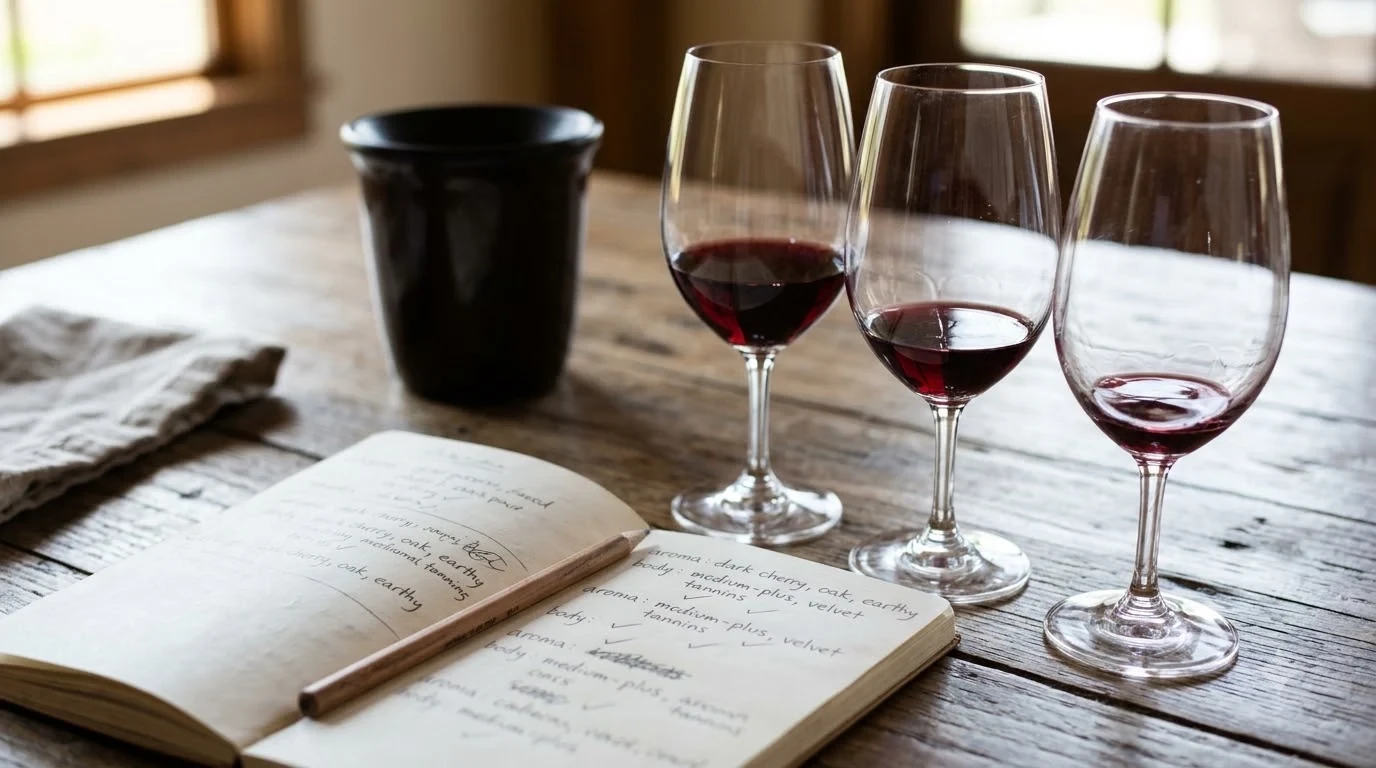
Take notes on grape varieties, acidity, tannin, body, and aroma. Comparing two Chardonnays from different locations, for instance, can reveal how growing conditions and winemaking choices influence the finished wine.
-
Finish with a meal or coastal stop.
Monterey and Carmel have plenty of opportunities to enjoy food after a tasting. Plan a proper meal rather than relying on small tasting-room snacks throughout the day.
For visitors staying in Monterey, an itinerary that combines one coastal tasting room with a visit to Carmel-by-the-Sea can work well. Travelers with a full day available can dedicate more time to Carmel Valley or the River Road wineries rather than attempting to cover every district.
The See Monterey winery and tasting-room directory is useful for identifying the different wine areas and planning a route around visitor-friendly locations. It also highlights transportation and tour options for people who would rather not drive between tasting stops.
Types and Styles Explained: The Best Monterey Wineries by Region
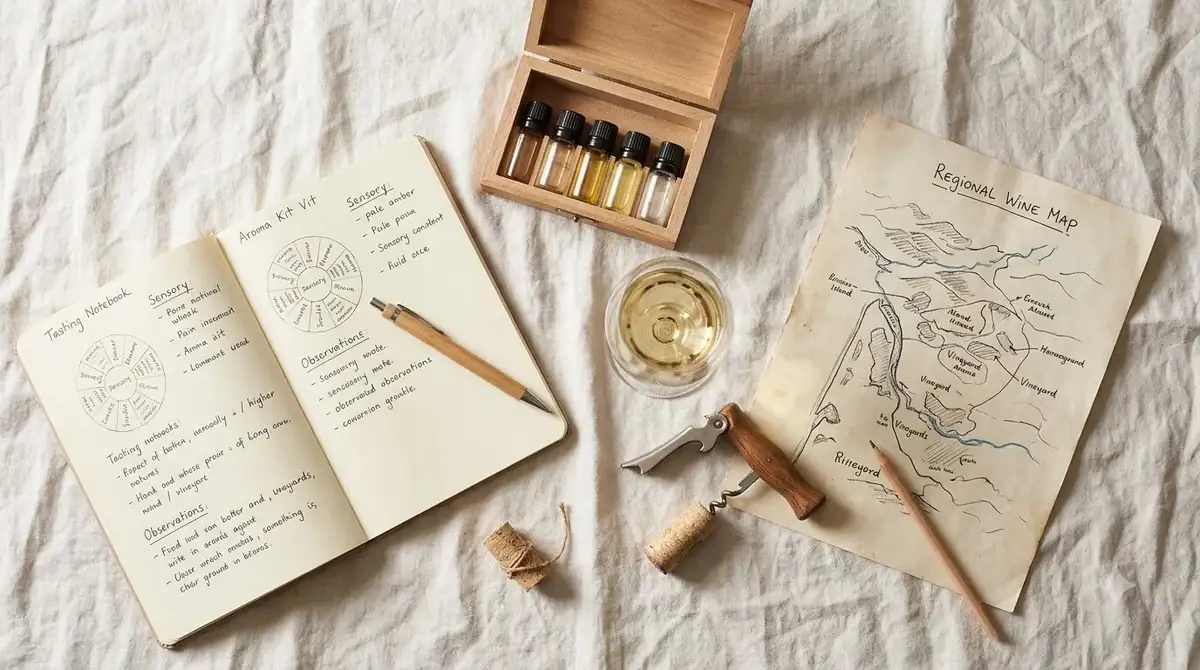
Monterey County’s wine identity comes from its varied growing conditions rather than a single signature grape. The three main areas to understand are the coastal tasting rooms, Carmel Valley, and the inland Monterey Wine Trail.
1. Carmel-by-the-Sea: Best for Walkable Wine Tasting
Carmel-by-the-Sea is one of the easiest places to begin exploring Monterey wine country. Its tasting rooms are concentrated around the village streets, allowing visitors to move between producers without repeatedly getting into a car.
Caraccioli Cellars is a particularly interesting stop for visitors who appreciate traditional-method sparkling wines. Traditional-method sparkling wine undergoes its second fermentation in the bottle, creating a different texture and character from wines produced through the tank method.
Albatross Ridge is another name worth investigating. Its Carmel-by-the-Sea tasting room offers an opportunity to explore wines associated with vineyards in Carmel Valley. This makes it useful for visitors who want to experience the connection between an inland growing area and a coastal tasting destination.
Galante Vineyards is another established Carmel tasting-room option. Its location on Dolores Street makes it convenient for combining wine tasting with a walk through the village.
Dawn’s Dream Winery offers another option for visitors interested in Chardonnay, Pinot Noir, and rosé. Its tasting room has indoor and patio seating, making it a good choice for people who want a relaxed stop rather than a vineyard-focused excursion.
Lepe Cellars is also worth considering for a tasting-room itinerary. Its location inside the Winfield Art Gallery gives visitors an opportunity to combine wine with Carmel’s artistic atmosphere.
2. Carmel Valley: Best for Estate Settings and Fuller-Bodied Reds
Carmel Valley offers a different wine experience from the coastal village. The mountainous landscape creates warmer growing conditions above the coastal fog line, while substantial day-to-night temperature changes help extend grape ripening.
Folktale Winery & Vineyards is a strong starting point for visitors who want a winery setting with gardens and outdoor surroundings. Its location along Carmel Valley Road makes it suitable for building an inland tasting itinerary. The winery is frequently highlighted in Monterey visitor information, making it a recognizable destination for first-time visitors.
Bernardus Winery is another important Carmel Valley name. Its tasting room is listed in the village, and its estate vineyards in the Cachagua area illustrate the connection between the region’s landscape and its wines. Visitors interested in Cabernet Sauvignon, Merlot, and other fuller-bodied styles should consider including it.
Holman Ranch is worth investigating for visitors seeking a vineyard-oriented experience. Its Carmel Valley tasting location provides an alternative to the compact tasting rooms in downtown Carmel.
Joyce Wine Company is another interesting choice. It appears in both Carmel Valley and Monterey Wine Trail tasting-room listings, making it particularly useful for visitors interested in exploring different regional expressions.
Other Carmel Valley options include Georis Winery, Seabold Cellars, Boekenoogen Winery, Twisted Roots, and Scratch. Their presence in the regional tasting-room directory gives visitors several alternatives when building an itinerary around the village.
3. River Road and the Monterey Wine Trail: Best for Cool-Climate Varieties
The Monterey Wine Trail is particularly interesting for people who enjoy Chardonnay, Pinot Noir, and Syrah. Its vineyards occupy elevated terraces along the Santa Lucia mountain range, overlooking the Salinas River Valley.
According to the Monterey County Vintners and Growers Association, the Monterey Wine Trail received AVA approval in 1991. The elevated vineyards receive morning sunshine followed by cool afternoon ocean breezes, helping create a long growing season.
Wrath Wines is a useful name to investigate for visitors interested in the wines of the Monterey Wine Trail. Its tasting-room listing places it among the producers associated with this inland wine area.
Scheid Vineyards is another worthwhile stop to research. Its inclusion in the Monterey Wine Trail directory makes it a relevant choice for visitors who want to explore wines produced in the Salinas Valley region.
CRŪ Winery and Pessagno Winery are additional options for people interested in regional producers. They help demonstrate the variety of wineries available beyond the more familiar Carmel tasting rooms.
Odonata Wines and Puma Road Winery also appear in the official regional directory. Together, these producers provide several possible stops for visitors who want to devote a day to the inland wine country rather than focusing entirely on the coast.
4. Monterey and Cannery Row: Best for Convenience
Not every wine enthusiast has enough time to visit vineyard properties. Monterey offers a more convenient alternative, especially for visitors staying near Cannery Row or Old Fisherman’s Wharf.
A Taste of Monterey is a useful starting point. Located on Cannery Row, it offers a regional wine selection alongside food and coastal views. Rather than focusing on a single producer, it gives visitors an opportunity to discover wines from different parts of Monterey County.
Bargetto Winery is another name to investigate in the Monterey tasting-room listings. Visitors who want to explore local wine without committing to a drive into Carmel Valley or the Salinas Valley can consider these more accessible options.
For an additional perspective on the coastal tasting scene, the Visit Carmel wine-tasting directory identifies locations including Albatross Ridge, Dawn’s Dream, Galante Vineyards, and Lepe Cellars.
Travelers comparing California wine destinations can also explore the best Temecula wineries. Temecula offers a different Southern California wine-country experience, making it an interesting comparison for visitors planning wine-focused trips in multiple regions.
Another useful comparison is the best Paso Robles wineries, particularly for travelers interested in comparing Monterey’s cool-climate Pinot Noir and Chardonnay with Paso Robles wines and its warmer inland growing conditions.
Common Mistakes to Avoid When Visiting Monterey Wineries
The biggest planning mistakes involve covering too much territory, overlooking reservation requirements, and selecting wineries without considering their wine specialties. A little preparation can make the difference between an enjoyable tasting afternoon and a tiring driving schedule.
Trying to visit every region in one day is a common problem. Carmel-by-the-Sea, Carmel Valley, and River Road each offer enough tasting opportunities for a dedicated outing. Combining all three areas without careful planning can leave little time to enjoy individual wineries.
Assuming every tasting room accepts walk-ins is another mistake. Some wineries offer appointment-based experiences, while others may have limited seating or special tasting formats. Confirm arrangements before leaving your hotel, particularly if you are visiting with a larger group.
Ignoring wine preferences can also lead to a disappointing itinerary. Someone who primarily enjoys Pinot Noir may not get the most out of an afternoon focused on Cabernet Sauvignon. Likewise, visitors who enjoy sparkling wine should consider Caraccioli Cellars rather than selecting every stop based solely on vineyard scenery.
Overlooking transportation is particularly important in a region with dispersed winery locations. Walking between Carmel tasting rooms is convenient, but River Road and many Carmel Valley properties require a different transportation plan. Arrange a designated driver or tour when visiting multiple wineries.
Scheduling too many tastings can reduce the quality of the experience. Tasting wine involves more than drinking several samples. Visitors benefit from taking time to compare acidity, body, tannin, and aroma, as well as asking questions about grape varieties and vineyard conditions.
Confusing tasting-room locations with vineyard locations is another issue. A producer may operate a tasting room in Carmel while growing grapes elsewhere in Monterey County. Check the location of the actual vineyard before planning a trip specifically to see vineyard rows or winemaking facilities.
Finally, avoid treating every Monterey wine as interchangeable. The cool conditions of the Monterey Wine Trail and the warmer mountain setting of Carmel Valley can produce noticeably different wine styles. Understanding that distinction makes tasting comparisons much more rewarding.
Wine Care and Storage Tips for Monterey Purchases
Buying wine during a Monterey visit is a good way to bring home a reminder of the trip, but proper transportation and storage matter. Temperature fluctuations, direct sunlight, and prolonged exposure to heat can affect wine quality, especially during travel.
For bottles purchased at a tasting room, avoid leaving them inside a parked vehicle for extended periods. A hot car can become significantly warmer than the surrounding air, creating unfavorable conditions for wine. If you plan to continue sightseeing after purchasing bottles, consider arranging a way to keep them in a temperature-controlled environment.
At home, store bottles near 55 degrees Fahrenheit when possible. This is a useful general target for longer-term storage. Bottles with natural cork closures should generally be stored on their sides to keep the cork from drying out.
Light and temperature stability are also important. A dark storage space away from direct sunlight, kitchen appliances, and heating equipment is preferable to a sunny countertop or cabinet next to an oven.
Serving temperature makes a noticeable difference when opening Monterey wines. Pinot Noir and other lighter reds generally show well at 55 to 60 degrees Fahrenheit. Fuller-bodied reds such as Cabernet Sauvignon are typically served at 60 to 65 degrees Fahrenheit.
For Chardonnay, the appropriate temperature depends on its weight and style. Lighter whites are generally served at 45 to 50 degrees Fahrenheit, while fuller-bodied whites are better around 50 to 55 degrees Fahrenheit. Sparkling wines are usually served colder, around 40 to 50 degrees Fahrenheit.
Opened bottles also need proper handling. Refrigerate still wines after opening and aim to finish them within approximately three to five days. Sparkling wines generally retain their best character for around one to three days when properly sealed and refrigerated.
If you purchase several bottles during a Monterey trip, organize them by grape variety and intended drinking occasion. A crisp Chardonnay may be suitable for an earlier dinner, while a structured Cabernet Sauvignon can be saved for a meal with richer dishes.
Food pairing can further improve the experience. Pinot Noir generally works well with salmon, roasted poultry, and mushroom dishes because its relatively moderate tannin and bright acidity complement these foods. Chardonnay can pair with seafood, roast chicken, and creamy sauces, while Cabernet Sauvignon is a natural choice for grilled beef and other substantial dishes.
For additional advice on selecting bottles for different occasions, the wine-buying guide provides a useful starting point for understanding wine purchases beyond a winery visit.
Frequently Asked Questions
What is the best time of year to visit Monterey wineries?
Late summer and early fall are popular periods for exploring Monterey wine country because they coincide with the grape-growing and harvest seasons. Spring can also be attractive for visitors interested in greener vineyard landscapes and generally milder coastal conditions. Individual winery schedules and seasonal experiences vary.
Is Monterey wine country part of the Central Coast wine region?
Yes. Monterey County is part of California’s Central Coast wine-producing region. Its nine American Viticultural Areas represent distinct growing locations, including Santa Lucia Highlands, Arroyo Seco, and Carmel Valley. These appellations help identify where grapes are grown and provide useful context for understanding regional wine differences.
What is the difference between Monterey County and the Santa Lucia Highlands AVA?
Monterey County is a broad wine-producing area containing multiple appellations, while Santa Lucia Highlands is a specific AVA within the county. The Highlands are particularly associated with elevated vineyard sites overlooking the Salinas Valley. Their coastal influence and growing conditions make the area especially interesting for Pinot Noir and Chardonnay enthusiasts.
Can visitors buy wine directly from Monterey wineries?
Many Monterey tasting rooms offer wine purchases directly to visitors, although availability varies by producer and wine release. Some wineries also offer wine club memberships that provide access to selected releases and other member benefits. Ask about shipping arrangements if you plan to send bottles home rather than carry them during your trip.
Are Monterey wineries suitable for visitors who do not drink red wine?
Yes. Monterey County grows numerous white grape varieties and also produces rosé and sparkling wines. Chardonnay is particularly important in the cooler coastal growing areas, while Sauvignon Blanc and other white varieties offer additional options. Visitors can ask tasting rooms about white-focused flights before booking.
The best Monterey wineries offer more than attractive tasting rooms: they provide an opportunity to understand how California’s coastal climate, mountain valleys, and vineyard locations influence wine style. Start with Carmel-by-the-Sea for convenience, explore Carmel Valley for fuller-bodied reds, or follow the Monterey Wine Trail for cool-climate Chardonnay and Pinot Noir. Whichever area you choose, a focused itinerary with two or three carefully selected stops is an excellent way to experience Monterey wine country.
More in Wine Buying Guides
 Cheap Red Blend: How to Find a Flavorful Bottle for LessUpdated Nov 20, 2026
 Pinot Grigio Gift: How to Choose a Bottle They’ll EnjoyUpdated Nov 20, 2026
 Best White Wine at Total Wine for Every MealUpdated Nov 20, 2026
 Wine Fridge Replacement Shelves: Find the Right FitUpdated Nov 20, 2026
 Best Sparkling Wine Under 20: Find Bubbles Worth BuyingUpdated Nov 20, 2026
 Best Wine For Birthday Celebrations With Perfect Party PairingsUpdated Nov 20, 2026