

We may earn a commission when you buy through links on this page, at no extra cost to you. Learn more.
A montalcino wine tasting centers on 100 percent Sangiovese wines grown on the Tuscan hills around Montalcino, led by age-worthy Brunello di Montalcino DOCG and its brighter, younger counterpart, Rosso di Montalcino DOC. Appointments are required at almost every estate, so travelers plan tastings in advance or visit enotecas inside the hilltop town to sample flights side by side. Classic pours feature sour cherry, dried herbs, leather, and firm tannins balanced by lively natural acidity.
Located roughly 40 minutes south of Siena in Tuscany’s Val d’Orcia, Montalcino produces some of Italy’s longest-lived red wines within the strict boundaries of a single municipality. Unlike regions that rely on multi-grape blends, tastings here highlight how elevation, slope exposure, and oak aging transform a single local clone of Sangiovese—known locally as Brunello or Sangiovese Grosso—across distinct vineyard sites.
Overview of Montalcino Wine Country
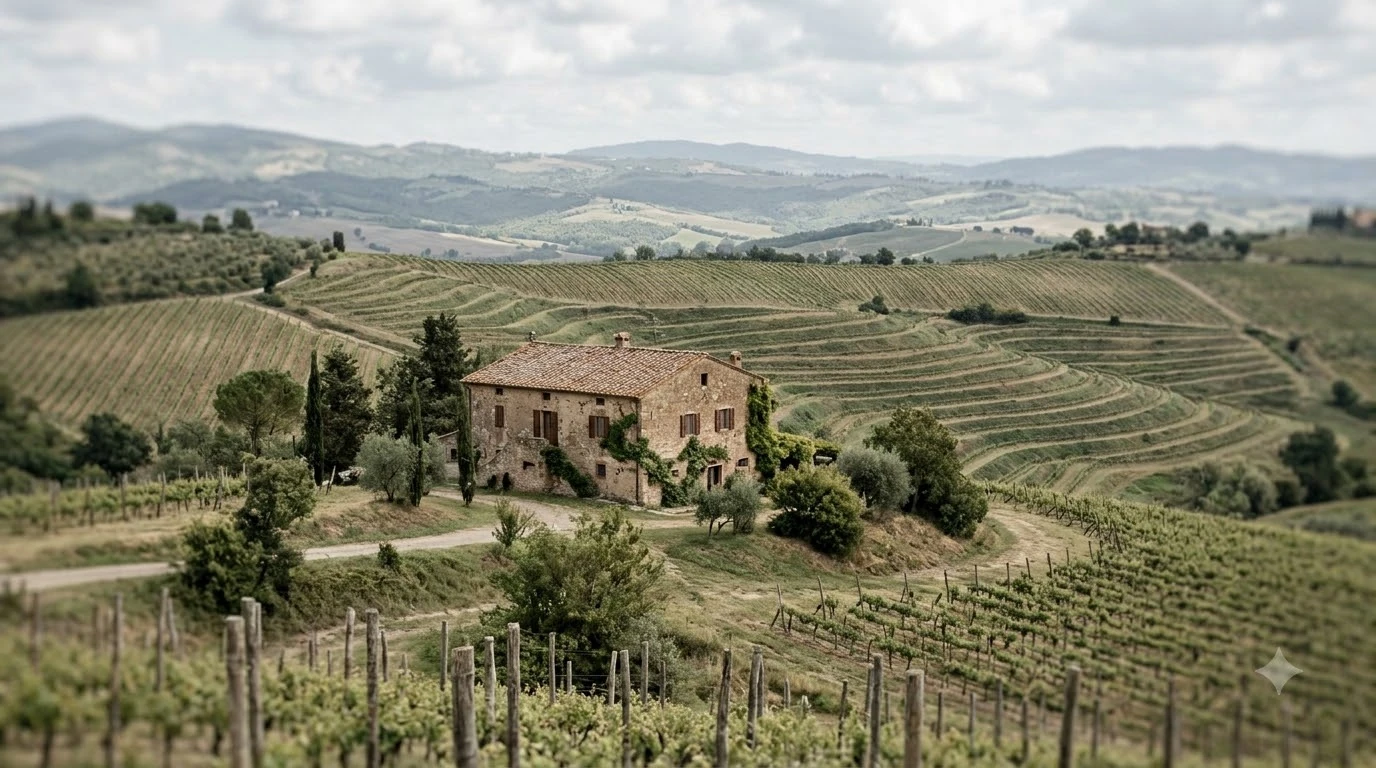
Montalcino sits on a rugged, rounded hill surrounded by the valleys of the Orcia, Asso, and Ombrone rivers, creating a warmer, drier Mediterranean microclimate than neighboring Tuscan zones. Every drop of Brunello di Montalcino and Rosso di Montalcino must be grown, vinified, aged, and bottled inside the historical borders of the municipality, which earned DOCG recognition in 1980 and now counts more than 200 producers.
Modern Brunello traces its origins to the 1860s, when Clemente Santi and his grandson Ferruccio Biondi-Santi isolated a thick-skinned local Sangiovese clone and bottled it as a pure varietal wine rather than blending it with white or secondary red grapes. Until after World War II, the Biondi-Santi family remained virtually the sole commercial producer, proving the wine’s longevity when bottles walled up during the war emerged decades later in remarkable condition.
Today, a visit to Montalcino offers an intimate look at family-run estates alongside historic landmarks like the Romanesque Abbey of Sant’Antimo. While travelers exploring other classic European Wine Regions often encounter sprawling urban wine routes, Montalcino remains agricultural and compact, with winding country roads linking hilltop vineyards, olive groves, and medieval hamlets.
Sub-Regions and Terroir Differences
Although Montalcino carries no official sub-appellation names on bottle labels, the commune’s dramatic changes in altitude—capped at 600 meters above sea level for Brunello vineyards—and compass orientation divide the territory into distinct microclimates. Tasting wines from the northern slopes versus the southern hillsides reveals sharp contrasts in aroma, weight, and tannin structure.
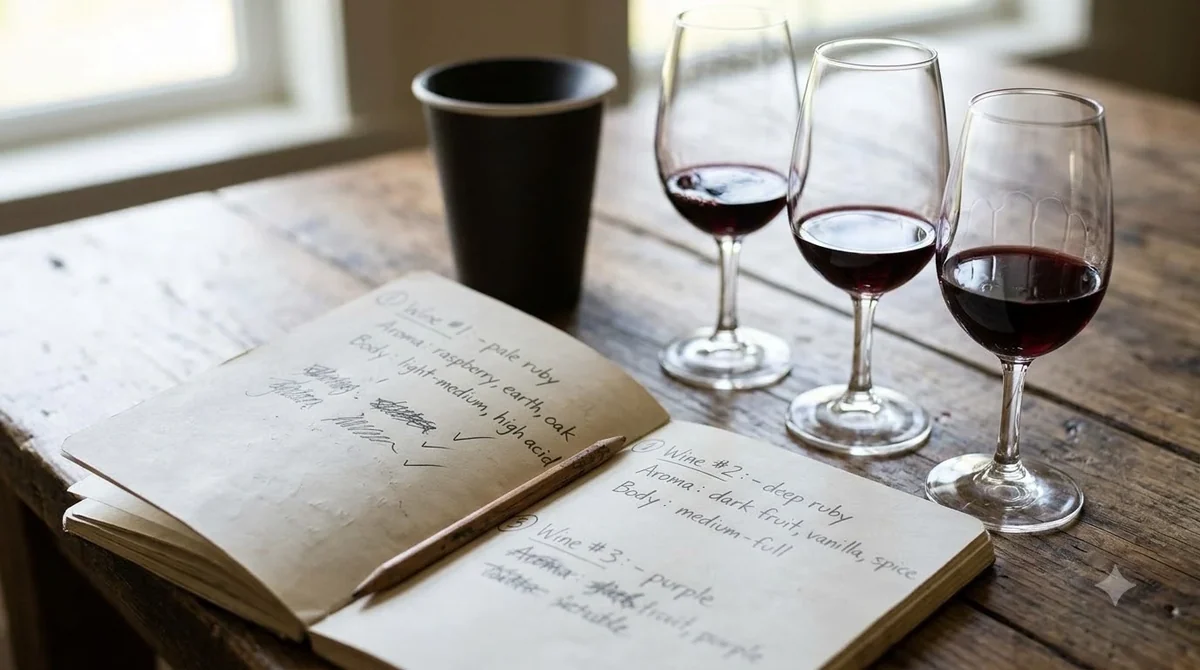
The northern sector, particularly the famed Montosoli hill, receives less direct afternoon heat and experiences slower, more gradual ripening. Reviewers at Wine Folly and regional specialists note that northern-slope Sangiovese typically yields brighter, higher-toned aromatics of red cherry, violet, and clay pot alongside crisp acidity and linear tannins.
Moving southwest toward Tavernelle and south toward Sant’Angelo in Colle and Castelnuovo dell’Abate, vineyards absorb stronger Mediterranean sunshine and warm breezes from the Tyrrhenian Sea. Mount Amiata, rising to the south, shields these slopes from severe hailstorms while sending cool nighttime air down the hillsides, preserving freshness even in powerful, dark-fruited wines.
Because soil composition shifts rapidly across short distances—from rocky, calcareous galestro and limestone on higher ridges to clay and marine sands lower down—single-vineyard bottlings have become a hallmark of serious tasting flights. Comparing two wines from the same vintage made just a few miles apart demonstrates how elevation and aspect govern ripeness in Montalcino.
Key Grapes and Wine Styles
Every tasting room in Montalcino builds its lineup around Sangiovese, yet strict production rules established by the Consorzio del Vino Brunello di Montalcino separate the region’s signature bottles by yield, barrel maturation, and release date. Understanding these tiers helps tasters read a flight from lightest to most structured.
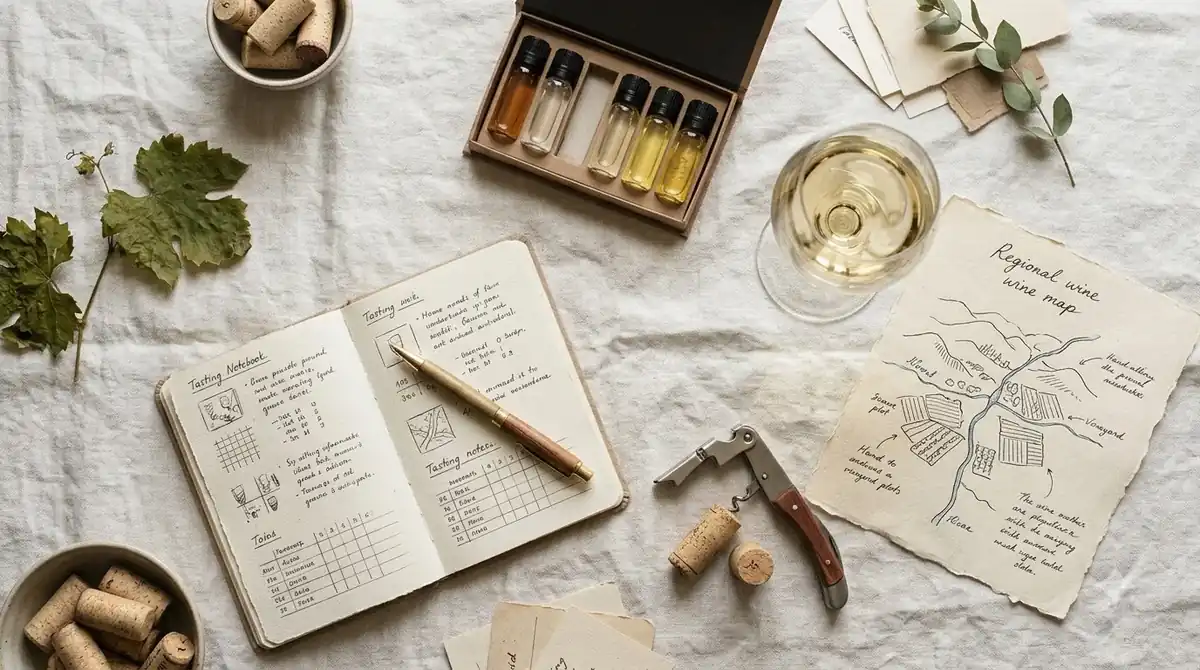
Brunello di Montalcino DOCG sits at the top of the hierarchy, requiring 100 percent Sangiovese harvested at a maximum yield of 80 quintals per hectare. Producers must age the wine for at least two years in oak—traditionally large Slavonian oak casks called botti, though some estates incorporate smaller French oak barriques—plus four months in bottle, and cannot release it until January 1 of the fifth year after harvest.
Brunello di Montalcino Riserva follows the same grape and wood-aging minimums but requires at least six months in bottle and holds release until January 1 of the sixth year after harvest. Winemakers typically reserve this designation for their finest vineyard parcels in standout vintages, producing dense, age-worthy reds built to evolve for ten to thirty years or more.
Rosso di Montalcino DOC, often called baby Brunello, uses 100 percent Sangiovese from the same municipality with a slightly higher permitted yield of 90 quintals per hectare and no mandatory wood aging. Released from September 1 of the year following harvest, it delivers vibrant ruby color, fresh red berry fruit, and supple tannins designed for immediate enjoyment, while Sant’Antimo DOC allows producers to craft white wines, blends, and international varietals like Cabernet Sauvignon and Merlot.
| Appellation | Grape Requirement | Minimum Oak Aging | Earliest Release | Minimum Alcohol |
|---|---|---|---|---|
| Brunello di Montalcino DOCG | 100% Sangiovese | 2 years in wood | Jan 1 of 5th year after harvest | 12.5% ABV |
| Brunello di Montalcino Riserva DOCG | 100% Sangiovese | 2 years in wood | Jan 1 of 6th year after harvest | 12.5% ABV |
| Rosso di Montalcino DOC | 100% Sangiovese | None required | Sept 1 of year after harvest | 12.0% ABV |
| Sant’Antimo DOC | Tuscan authorized varieties | Varies by style | Varies by style | 11.5%–12.5% ABV |
Notable Producers to Know
More than two hundred estates bottle wine inside Montalcino’s borders, ranging from historic founding properties to boutique organic and biodynamic farms. Reviewing producer styles before booking an appointment helps match your itinerary to traditional large-cask expressions or single-vineyard crus.
Biondi-Santi at Tenuta Greppo remains the historical benchmark, holding library vintages dating back to 1888 in its cellars and championing classic, high-acid Sangiovese aged in large Slavonian oak. In the northern Montosoli zone, Altesino pioneered single-vineyard bottling in 1978 with its Montosoli cuvée, alongside neighboring Baricci, Caparzo, Canalicchio di Sopra, and Valdicava.
Across the southern and western hills, estates such as Il Poggione, Argiano, Col d’Orcia, and Lisini represent the appellation’s founding generation in Sant’Angelo in Colle, producing full-bodied, muscular reds. Nearby in Tavernelle and Castelnuovo dell’Abate, Poggio Antico farms high-elevation calcareous slopes, Pieve Santa Restituta showcases the Gaja family’s single-vineyard expressions, and Podere Le Ripi pairs biodynamic farming with guided vineyard and cellar tastings.
Practical Visiting Tips for Montalcino
Planning a smooth tasting itinerary in Montalcino requires advance reservations and realistic driving times along winding rural roads. Unlike drop-in tasting rooms in California, most Montalcino wineries are working agricultural estates where the winemaker, agronomist, or a dedicated hospitality host conducts private tours by appointment.
Aim to book two to three estate visits per day—typically one in the morning around 10:00 AM and one or two in the afternoon—allowing at least 30 minutes of transit between properties on opposite sides of the hill. Visitors who enjoyed the structured, appointment-driven cellar visits of a burgundy wine tasting or a beaune wine tasting will find a similar pace here, where seated flights often include extra virgin olive oil or local pecorino cheese.
If you prefer not to drive between rural estates, base yourself inside the medieval center of Montalcino and visit local wine bars and enotecas, such as those near the historic Fortezza. Tasting bars in town pour dozens of Brunello and Rosso labels by the glass or flight, making it easy to compare northern and southern producers side by side without navigating country lanes.
Tip: Schedule your winery visits in late spring (May to June) or early autumn (September to October) for mild weather, green or golden vineyard scenery, and easier appointment availability than peak mid-summer.
Tasting and Serving Guidelines
Young Brunello di Montalcino can feel tight and fiercely tannic right after release, so proper temperature, glassware, and aeration dramatically improve what you smell and taste. According to Wine Folly, Brunello typically sits between 13.5% and 15% ABV with medium-full body, high tannins, and medium-high acidity, thriving when served slightly below room temperature at 60°F to 68°F (15°C to 20°C).
Pour the wine into an oversized, tulip-shaped crystal red wine glass so its complex bouquet of sour cherry, plum, leather, dried herbs, and earth has room to open. For current-release bottles, decanting for at least one hour softens the grip of youthful tannins, while older vintages benefit from gentle decanting shortly before service to separate natural sediment without over-exposing delicate aged aromas.
At the table, Sangiovese’s bright acidity and firm structure call for rich, savory Tuscan dishes rather than overly sweet or heavily spiced sauces. Classic local pairings include cured salumi such as prosciutto and finocchiona, aged Pecorino di Pienza, wild boar ragù over pappardelle, roasted pork, and grilled bistecca alla fiorentina, while Rosso di Montalcino pairs effortlessly with mushroom risotto, roast chicken, and tomato-based pasta.
Frequently Asked Questions
Do you need reservations for wine tasting in Montalcino?
Yes, nearly all wineries in Montalcino require advance reservations because most estates are small, family-run farms without walk-in tasting bars. Booking at least two to four weeks ahead—and earlier during harvest in September and October—secures a guided cellar tour and seated flight. Walk-in travelers can still sample dozens of local labels without appointments at enotecas inside Montalcino town.
What is the difference between Brunello di Montalcino and Rosso di Montalcino?
Both wines are made from 100 percent Sangiovese grown within Montalcino, but Brunello di Montalcino DOCG requires at least two years in oak and cannot be released until the fifth year after harvest. Rosso di Montalcino DOC has no mandatory wood aging and reaches the market in September of the year following harvest, offering fresher red fruit, softer tannins, and earlier drinkability.
How many wineries should you visit in one day in Montalcino?
Planning two to three winery appointments per day gives you enough time for unhurried cellar tours, seated tastings, and a relaxed Tuscan lunch. Estates are spread across steep, winding country roads around the hill, so driving from a northern Montosoli producer to a southern Sant’Angelo in Colle estate can easily take 25 to 35 minutes.
How long should you decant Brunello di Montalcino before tasting?
Young Brunello di Montalcino released within the last few years benefits from one to two hours in a decanter so oxygen can soften its high tannins and open its cherry and herbal aromatics. Mature bottles aged fifteen years or longer need only 20 to 30 minutes of gentle decanting primarily to remove sediment while preserving fragile tertiary notes.
Whether you spend an afternoon comparing single-vineyard flights on a sunlit terrace or sampling rare vintages inside Montalcino’s medieval fortress, tasting these wines at their source brings Sangiovese’s sense of place into sharp focus. Combining one northern estate, one southern producer, and a bottle of vibrant Rosso di Montalcino over dinner gives any traveler a complete portrait of Tuscany’s most celebrated hilltop appellation.
More in Wine Regions
 Willcox Wine Trail: Discover Arizona’s High-Elevation Wine CountryUpdated Nov 20, 2026
 Yakima Valley Wine Region: Find the Best Styles to TryUpdated Nov 20, 2026
 Vosne Romanee Wine Tasting: Identify Aromas and Choose Better PairingsUpdated Nov 20, 2026
 Yakima Valley Wine Festival: Find the Best Seasonal Wine EventsUpdated Nov 20, 2026
 Wales Vineyards: Discover Cool-Climate Wines and Where to VisitUpdated Nov 20, 2026
 Yountville Wine Festival: Discover Napa Wines and Local FoodUpdated Nov 20, 2026