

We may earn a commission when you buy through links on this page, at no extra cost to you. Learn more.
Miraval red wine is a French red wine from Château Miraval in Provence, known for its Syrah-led character, dark fruit flavors, savory notes, and connection to the Perrin family’s winemaking expertise. Unlike the estate’s internationally recognized rosé, Miraval Rouge is produced in smaller quantities and has a different classification and style. Its precise grape composition and tasting profile can vary by vintage, making the bottle’s origin and vintage important considerations when choosing one.
Château Miraval is widely associated with the pale pink wines of southern France, but its red wine offers another perspective on Provençal winemaking. It brings together the region’s Mediterranean climate, varied soils, and traditional red grape varieties in a style suited to grilled meat, lamb, and richly flavored dishes. Understanding its classification, grape composition, flavor profile, and serving requirements makes it easier to appreciate what distinguishes this less familiar member of the Miraval portfolio.
What Is Miraval Red Wine?
Miraval red wine, often called Miraval Rouge, is a red wine associated with Château Miraval, an estate in Correns in the Var department of Provence, southern France. It is distinct from the producer’s popular rosé and should be understood as a separate wine rather than a darker version of the same blend. Its identity is connected to the estate’s Provençal origins and its collaboration with the Perrin winemaking family.
One important distinction concerns its appellation. According to the producer’s official information, Château Miraval makes one rosé under AOC Côtes de Provence, two white wines under regional appellations, and one red wine classified as Vin de France. This means the estate’s red wine does not necessarily carry the same geographical designation as its better-known rosé. The Vin de France classification allows greater flexibility in sourcing and blending grapes than a more restrictive regional appellation.
There is some variation in how older bottles and wine databases describe the wine. For example, the 2013 Miraval Rouge appears in historical listings under Côtes de Provence, while the producer’s current portfolio description identifies its red wine as Vin de France. These descriptions should not automatically be treated as interchangeable for every vintage. A bottle’s vintage and official designation provide useful clues about the particular wine being discussed.
Miraval also has a distinctive position among Provençal producers because its international reputation is strongly associated with rosé. The red wine is a smaller part of the estate’s identity, but it provides an opportunity to explore how grapes from this Mediterranean setting perform in a structured, darker-fruited style.
For readers comparing the estate’s different expressions, the Wine Brands section provides a broader introduction to understanding producers, wine styles, and regional identities.
Grape Varieties and Winemaking Style
Syrah is an important reference point for understanding Miraval Rouge, although the grape composition should be considered vintage-specific rather than assumed to be identical across all bottles. Historical information about the 2013 release identifies it as a 100% Syrah wine, illustrating a more focused expression of this Rhône-associated grape in Provence.
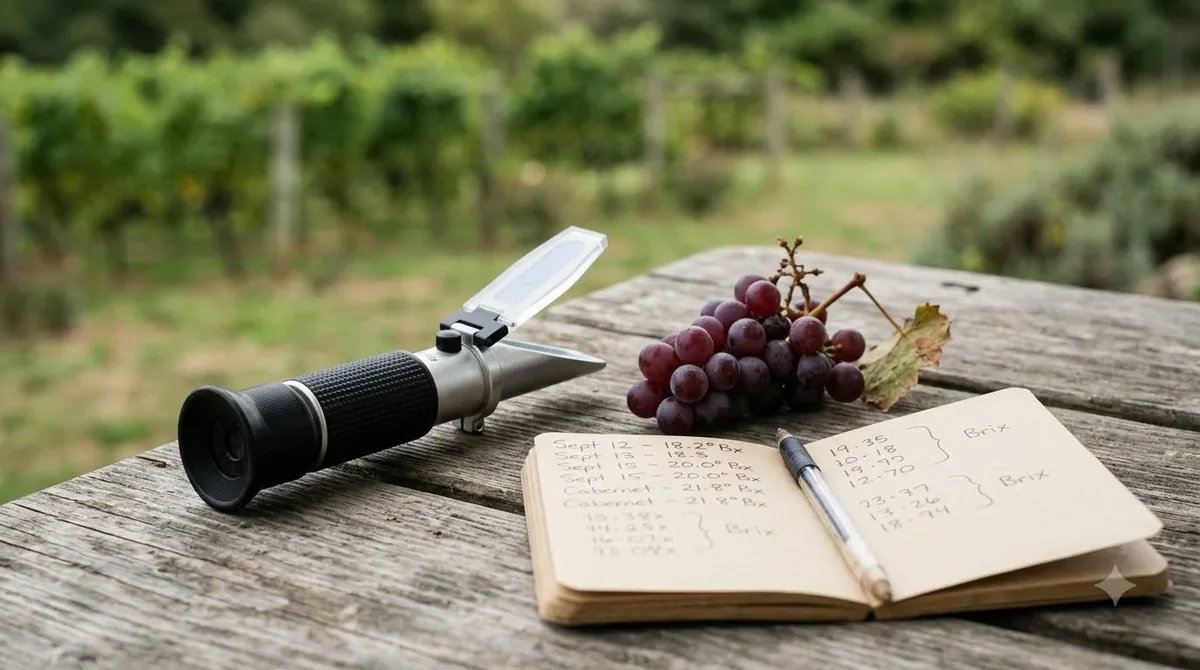
Syrah is particularly well suited to the Mediterranean climate of southern France. It can produce wines with dark blackberry and plum flavors, peppery aromas, and savory characteristics. In warmer growing conditions, the fruit can become ripe and generous, while cooler nights and suitable vineyard sites help preserve freshness. The resulting style can combine substantial fruit with herbal, spicy, and mineral details.
Historical descriptions of Miraval Rouge should be distinguished from general listings for the producer’s red wine. For instance, the 2013 wine documented by 1jour1vin is described as 100% Syrah, with an alcohol level of 13.5%. That information applies to the specific vintage and should not be used as a guaranteed specification for every release.
Other wine databases also use different grape descriptions for Miraval red wines. Vivino’s listing for Miraval Côtes de Provence Rouge identifies Counoise, Carignan, Cinsault, and Clairette. This illustrates why it is important to distinguish individual product records, historical bottlings, and the producer’s broader portfolio information instead of assuming every Miraval red follows one fixed recipe.
How Syrah Shapes the Wine
Syrah contributes several characteristics that make it recognizable in a red wine blend or single-varietal bottling:
- Dark fruit: Blackberry, black cherry, plum, and occasionally blueberry.
- Spice: Black pepper, dried herbs, and savory seasoning notes.
- Structure: Medium-plus to high tannin, depending on ripeness, extraction, and winemaking.
- Color: Typically deep ruby to purple, especially in younger wines.
- Texture: A combination of concentrated fruit, tannic structure, and a potentially firm finish.
Other Provençal grapes can contribute different qualities. Grenache often brings ripe red fruit and a generous texture, while Cinsault can contribute lighter fruit and freshness. Carignan can add acidity and structure, and Counoise can provide aromatic complexity. These are general grape characteristics, not a claim that every variety appears in every Miraval red bottling.
The best approach is to consider the vintage as an individual expression. A Syrah-focused release may feel more peppery and structured, while a multi-grape blend may offer a different balance of fruit, acidity, and tannin.
Taste, Aroma, and Appearance of Miraval Rouge
Miraval Rouge is associated with a darker, more savory profile than the estate’s familiar rosé. Historical tasting descriptions of the 2013 vintage emphasize red and black fruit, toasted notes, cocoa, freshness, and a subtle mineral structure. These characteristics provide a useful reference for understanding its style, although the precise profile depends on the vintage.
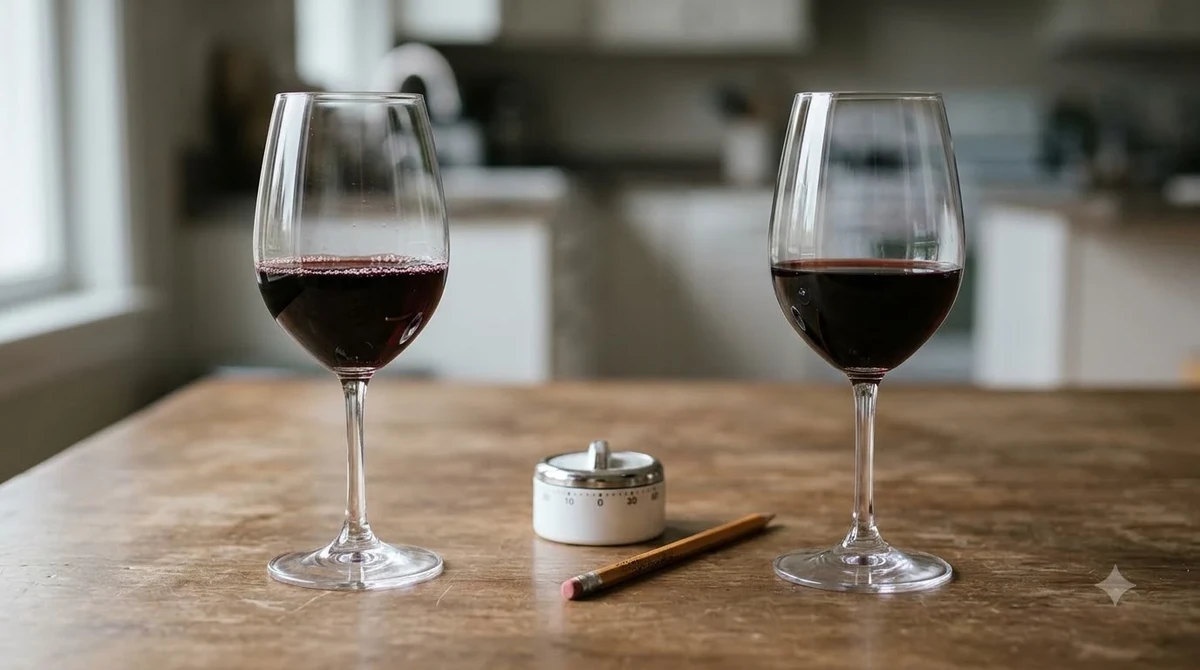
In the glass, a Syrah-based Provençal red can display a deep ruby or nearly black-red color with purple highlights. The intensity of the color depends on grape ripeness, extraction, and the proportion of varieties used. Younger examples generally retain more vivid purple tones, while bottle age can gradually introduce garnet or brick-red reflections.
The aroma often begins with dark fruit. Blackberry, black cherry, and plum provide the primary fruit impression, while pepper, dried herbs, and earthy details can add complexity. Some vintages may show more red-fruit character, particularly when the blend includes varieties that naturally produce a lighter aromatic profile.
Palate and Texture
On the palate, expect a red wine with more structure than a typical light-bodied summer red. Syrah contributes tannins that can create a firm sensation around the gums, while ripe fruit provides a balancing impression of richness. The exact weight and intensity depend on the growing season and the winemaking decisions made for the individual release.
The 2013 Miraval Rouge description published by 1jour1vin highlights a generous opening, fruit flavors, toasted notes, and a cocoa finish. It also emphasizes freshness, elegance, and mineral character. These observations suggest a wine that combines ripe fruit with savory details rather than relying entirely on sweetness or heavy oak impressions.
Acidity is another important part of the experience. Freshness helps balance concentrated fruit and makes the wine more suitable for food. A structured Syrah can also show a firm tannic finish, especially when young. With bottle age, tannins may become less pronounced, and secondary aromas such as leather, dried leaves, and earthy notes can develop.
What Makes Its Style Different?
Miraval Rouge should not be judged by the same expectations as Miraval Rosé. The rosé is designed around freshness, delicate fruit, and a lighter structure, while the red wine offers deeper color, more noticeable tannins, and greater suitability for substantial meals.
For a broader comparison, readers can explore Miraval rosé tasting notes to understand how the producer’s best-known style differs in aroma, texture, and overall drinking experience.
It is also useful to remember that the name Miraval covers different wines rather than one uniform flavor profile. The producer’s rosé, white wines, and red wine have separate grape compositions and winemaking requirements.
Provençal Origins, Terroir, and Wine Classification
Château Miraval is located in Correns, in the heart of Provence, and occupies an extensive estate with vineyards and other agricultural land. Its setting is important because the Mediterranean climate and varied geology influence the growing conditions for different grape varieties. The estate’s red wine also demonstrates how a producer can work with grapes from outside its immediate appellation boundaries.
According to Miraval’s official FAQ, the estate covers more than 600 hectares. The producer explains that it makes wines under two regional appellations as well as a red wine classified as Vin de France. This distinction is particularly relevant because not every vineyard parcel associated with the property falls within the geographical boundaries of an AOC.
The Vin de France designation is a national wine category that provides producers with flexibility in grape sourcing and blending. Unlike wines that must satisfy the geographical and production rules of a specific appellation, Vin de France wines can be made using grapes from different eligible French wine-growing areas. The classification does not automatically indicate inferior quality. It describes the regulatory category under which the wine is marketed.
Why Classification Matters
For consumers, the distinction between Vin de France and AOC Côtes de Provence helps explain why descriptions of Miraval Rouge may differ across retailers and wine databases.
The producer’s own description is the most useful reference for identifying its portfolio. Historical listings may refer to an earlier vintage, an older classification, or a specific bottling that does not represent the complete current range. This is especially relevant when comparing a 2013 Syrah-based wine with a later red wine listing.
For additional context, the official Miraval FAQ explains the estate’s appellations, grape sourcing, organic vineyard practices, and bottling arrangements.
Organic Vineyards and Wine Certification
Miraval makes an important distinction between its vineyards and its finished wines. The producer states that the estate’s vineyards have been cultivated organically for many years and are certified organic. However, it does not claim organic certification for the wines themselves.
There are two reasons for this decision. First, the producer wants the freedom to blend estate-grown grapes with quality fruit from other vineyards, which may not be organically certified. Second, Miraval identifies its membrane-based tartaric stabilization process as a reason for not claiming organic status for the wines under European certification rules.
This distinction is important because organic vineyard cultivation and organic wine certification are not identical. The former concerns agricultural practices in the vineyard, while the latter also involves requirements governing the finished wine and its production.
How to Serve and Store Miraval Red Wine
Serving temperature has a noticeable effect on the balance of a structured Provençal red. For Miraval Rouge, a temperature of approximately 60–65°F is a useful general range for a fuller-bodied red wine. A historical recommendation for the 2013 vintage is 16–18°C, or approximately 61–64°F, which fits comfortably within that range.
Serving the wine too warm can make alcohol feel more prominent and reduce the impression of freshness. Serving it too cold can make tannins seem harder and mute the fruit aromas. A slightly cool serving temperature allows dark fruit, spice, and savory notes to remain balanced.
Temperature and Serving Measurements
| Serving detail | Recommended amount or temperature | Practical purpose |
|---|---|---|
| Serving temperature | 60–65°F | Preserves fruit and balances tannins |
| Historical 2013 recommendation | 61–64°F | Matches the published 16–18°C guidance |
| Standard pour | 5 oz | Allows room for swirling and aroma development |
| Standard bottle | 750 ml | Provides approximately five standard pours |
| Young full-bodied red decanting | 30–60 minutes | Allows the wine to interact with oxygen |
Decanting can be helpful for a young, structured Miraval red, particularly if the wine has noticeable tannins or feels closed immediately after opening. A period of 30–60 minutes is a reasonable starting point for young full-bodied reds. Taste the wine after opening and again after some time in the decanter to determine whether additional aeration improves its balance.
Tip: If the wine is stored at normal room temperature, place the bottle in the refrigerator for approximately 20–30 minutes before serving, then check its temperature. The goal is to serve it slightly cool rather than refrigerator-cold.
Glassware and Pouring
A medium-to-large red wine glass with a reasonably wide bowl is suitable for Miraval Rouge. The larger surface area encourages the wine’s aromas to develop, making it easier to identify blackberry, spice, herbal notes, and earthy details.
A standard 5-ounce pour leaves enough room to swirl the wine without spilling. For a 750 ml bottle, this provides approximately five standard glasses. Allowing the wine a few minutes in the glass can also help its aromas become more expressive.
Storing an Opened Bottle
After opening, reseal the bottle with its original closure or a suitable wine stopper. Store it upright in the refrigerator, even if the wine is red. Cooler temperatures slow oxidation and help preserve the wine’s fruit character.
Most opened still wines remain in reasonable condition for approximately three to five days when refrigerated and properly sealed. A structured red may remain enjoyable during this period, although its fruit, aroma, and tannin balance can gradually change. Before serving again, allow the wine to approach its preferred serving temperature.
For unopened bottles, a cool, dark storage area near 55°F is a useful target. Keep bottles away from direct sunlight, strong temperature fluctuations, and excessive heat. Bottles with natural cork closures are generally stored on their sides to help maintain contact between the wine and cork.
Best Food Pairings for Miraval Red Wine
Miraval Rouge is best suited to savory dishes with enough flavor and texture to complement its dark fruit and tannins. Grilled beef, lamb, Provençal beef stew, and roasted mushrooms are particularly sensible starting points. The key is to balance the wine’s structure with the richness and seasoning of the food.
Syrah-based wines generally have enough intensity to accompany dishes with roasted flavors, herbs, and browned surfaces. The wine’s tannins also interact well with protein and fat, which can make meat-based meals feel more harmonious. A dish that is too delicate may be overwhelmed by the wine’s darker fruit and firmer structure.
Beef and Lamb
Grilled beef is one of the most natural pairings for a structured Provençal red. A grilled ribeye, sirloin steak, or beef tenderloin with rosemary and black pepper can complement the wine’s savory character. The protein and fat in beef also soften the perception of tannins, making the combination feel smoother.
Lamb is another excellent option. Roast leg of lamb with garlic, thyme, rosemary, and olive oil offers flavors that complement the herbal and spicy elements commonly associated with Syrah. Slow-cooked lamb shoulder can work particularly well because its richness balances the wine’s structure.
For a traditional Provençal meal, consider beef daube. This slow-cooked beef stew often includes red wine, garlic, onions, and aromatic herbs. Its concentrated flavors provide enough intensity to stand alongside a full-bodied red. The historical Miraval Rouge 2013 tasting information also recommends Provençal-style beef stew and grilled beef.
Mushrooms and Roasted Vegetables
For a meat-free pairing, roasted mushrooms are a particularly good choice. Their earthy flavors complement the savory side of Syrah, while roasting creates a richer texture than lightly steamed vegetables.
Portobello mushrooms with garlic, thyme, and olive oil can make a satisfying main course. Other possibilities include grilled eggplant, roasted bell peppers, and lentil dishes prepared with Mediterranean herbs. The important consideration is that the dish should have enough flavor to stand alongside the wine.
Cheese and Rich Sauces
Medium-aged and firm cheeses can work well with Miraval Rouge. Examples include aged Gouda, Manchego, and mature cheddar. Their savory flavors and fat content help balance the wine’s tannins.
Rich sauces based on roasted meat juices, mushrooms, or herbs are also suitable. However, very acidic sauces can make the wine seem less balanced if the wine does not have sufficient acidity of its own. Choose sauces with savory depth rather than excessive vinegar or lemon.
Food Pairing Reference
| Food | Preparation | Why It Works |
|---|---|---|
| Beef steak | Grilled with black pepper | Protein and fat soften tannins |
| Lamb | Roasted with garlic and rosemary | Herbs complement savory wine aromas |
| Beef daube | Slow-cooked Provençal stew | Rich flavors match the wine’s intensity |
| Mushrooms | Roasted with thyme | Earthy flavors complement savory notes |
| Hard cheese | Aged Gouda or Manchego | Fat and savory flavors balance tannins |
| Eggplant | Grilled with olive oil | Roasted flavors complement dark fruit |
Not every Mediterranean dish is automatically a good match. Very spicy food can make the alcohol and tannins in a structured red seem more pronounced. Similarly, oily fish such as sardines and mackerel generally work better with wines that have less tannin. A fresh rosé or white wine may be a better choice for those dishes.
Readers planning a meal around the producer’s lighter style can also explore Miraval rosé food pairing for suggestions that suit the freshness and lighter structure of its rosé wines.
Choosing a Bottle, Understanding Vintages, and Comparing Miraval Wines
Choosing Miraval Rouge requires a little more attention to vintage and product identity than choosing its internationally familiar rosé. Different listings may describe different grape compositions, classifications, and alcohol levels. Understanding these distinctions helps prevent confusion when comparing bottles from different release periods.
Start by identifying the exact wine name and vintage. A listing for Miraval Rouge 2013, for example, describes a 100% Syrah wine with 13.5% ABV. Another database entry for Miraval Côtes de Provence Rouge identifies a different grape combination and reports 13.5% ABV. These details should be treated as information about the individual records, not universal specifications for all Miraval red wines.
What to Look for on the Bottle
Three details are particularly useful when evaluating a Miraval red:
- Vintage: The harvest year helps identify the particular release and its expected development.
- Appellation: Vin de France and Côtes de Provence are different classifications, so the designation helps establish which bottling is being discussed.
- Grape composition: A Syrah-based wine can have a different structure and aroma from a blend containing several Provençal varieties.
Alcohol content is another useful specification. For example, the historical 2013 Miraval Rouge record gives 13.5% ABV. This is a vintage-specific figure rather than a guaranteed alcohol level for later releases.
Comparing Red Wine with Miraval Rosé
Miraval’s rosé and red wine serve different purposes at the table. The rosé emphasizes freshness, delicate fruit, and a lighter structure, making it suitable for seafood, salads, grilled vegetables, and lighter meals. The red wine offers more tannin and darker fruit, making it more appropriate for beef, lamb, and substantial roasted dishes.
Alcohol content can also vary between individual bottlings. The grape composition and production choices affect the finished wine, so it is useful to compare the specifications of the actual bottles rather than assume that the entire Miraval range shares one alcohol level. The Miraval rosé alcohol content article provides a separate reference for understanding the rosé side of the portfolio.
Is Miraval Rouge Suitable for Cellaring?
Cellaring potential depends on the individual vintage, its acidity, tannin structure, fruit concentration, and storage conditions. A Syrah-based red with noticeable tannins may develop additional complexity over time, but that does not mean every release is intended for long-term aging.
For a specific vintage, follow reliable producer or specialist guidance rather than applying a single aging recommendation to all Miraval reds. A wine that is already mature may be best enjoyed sooner, while a younger, more structured bottling may benefit from additional time under suitable storage conditions.
For anyone comparing several vintages, consistency in storage matters. Keep bottles in a dark location with stable temperatures near 55°F and avoid frequent movement. Proper storage helps preserve the wine’s fruit and structural balance while it develops.
Frequently Asked Questions
Who is responsible for winemaking at Château Miraval?
The estate’s wine production is associated with the Perrin family, known for its work at Château de Beaucastel in the Rhône Valley. The family brings experience with Rhône grape varieties and southern French winemaking traditions. Its involvement is an important part of the modern Miraval wine identity.
Is Miraval red wine made in limited quantities?
Miraval’s red wine is a less prominent part of the portfolio than its internationally recognized rosé. Availability can differ according to the particular bottling, vintage, and market. Older releases may be more difficult to find than the producer’s widely distributed rosé.
Can visitors tour Château Miraval?
No. The producer’s official FAQ states that the estate is not open to the public. However, Miraval wines are available through the Famille Perrin tasting room in Châteauneuf-du-Pape, providing another place to explore the producer’s portfolio.
Does Miraval produce wines other than rosé and red?
Yes. The estate’s portfolio also includes two white wines. According to the producer, these are associated with AOC Côtes de Provence and AOC Coteaux Varois en Provence. The white wines provide a different expression of the estate’s vineyards and grape-growing conditions.
What is the difference between an AOC wine and Vin de France?
An AOC wine must comply with specific geographical and production requirements associated with its protected appellation. Vin de France is a broader national category that permits greater flexibility in grape sourcing and blending. It can include wines made from grapes sourced from different eligible French wine-growing areas.
Miraval red wine offers a less familiar but interesting expression of Château Miraval’s Provençal identity. Its Syrah-focused historical releases, dark fruit character, savory notes, and suitability for grilled beef and lamb make it a distinctive alternative to the estate’s better-known rosé. Paying attention to vintage, grape composition, and classification is the best way to understand each bottling and appreciate what it brings to the table.
More in Wine Brands
 Underwood Wine Price: Compare Bottles, Cans, and Pack SizesUpdated Nov 21, 2026
 Zenato Wine Price: Compare Styles and Choose the Right BottleUpdated Nov 21, 2026
 Zuccardi Wine Price: Compare Bottles and Find the Right RangeUpdated Nov 21, 2026
 Yellow Tail Moscato Review: Taste, Sweetness and Serving TipsUpdated Nov 21, 2026
 Wolf Blass Yellow Label Review: Choose Your Best StyleUpdated Nov 21, 2026
 Wolffer Estate Rose Review: Choose the Right Bottle for Your TableUpdated Nov 21, 2026