

We may earn a commission when you buy through links on this page, at no extra cost to you. Learn more.
A Minnesota wine festival is an opportunity to discover wines made by local wineries, sample distinctive cold-climate grape varieties, and meet the producers behind Minnesota’s growing wine industry. Visitors can explore regional wines, enjoy food and entertainment, and learn how Minnesota vineyards produce wine despite challenging winters. Understanding the state’s festival licensing rules, wine regions, and signature grape varieties helps visitors plan a more rewarding experience.
Minnesota offers a different kind of wine experience from traditional wine destinations in California, Oregon, or Europe. Its winemaking identity is closely connected to cold-hardy grape breeding, regional agriculture, and independent wineries that have adapted their vineyards to northern conditions. A wine festival provides a convenient introduction to this distinctive industry, bringing producers and wine enthusiasts together in one setting. Whether attending a dedicated winery gathering or organizing a weekend around several tasting rooms, visitors can discover an impressive range of locally produced wines.
Understanding Minnesota Wine Festivals and Their Attractions
Minnesota wine festivals bring together wineries, regional wine producers, and visitors interested in exploring locally made wines. Depending on the organizer and location, these events can include tasting stations, complimentary samples, winery representatives, food vendors, and entertainment. They provide a practical way to compare several Minnesota wines without traveling between individual vineyards.
There is an important distinction between a statewide wine celebration and an officially licensed annual winery festival. Minnesota law establishes a specific temporary licensing framework for qualifying associations of wineries, but that does not mean every wine-related gathering in the state operates under the same arrangement. Some events are organized by individual wineries, while others may be part of agricultural celebrations, regional festivals, or broader food and beverage gatherings.
Under Minnesota Statutes Section 340A.4175, a qualifying association of winery owners and operators can receive approval for a temporary license to organize an annual festival showcasing wines produced by its members. The association must include more than 10 wineries and have existed for more than two years before applying. Each qualifying association can receive only one such license per calendar year.
This legal framework helps explain why visitors should identify the specific organizer and event before making travel plans. The name Minnesota Wine Festival can describe a general type of celebration, rather than a single permanent event with one venue, annual date, or statewide schedule. Different organizers may offer different tasting formats, entertainment programs, and participating wineries.
For visitors, the most attractive feature is the opportunity to explore Minnesota wines in one place. Instead of relying on familiar international grape varieties, guests can discover wines made from grapes developed for the Upper Midwest. Conversations with winery representatives can also explain how winter temperatures, harvest conditions, and grape selection influence the final wine.
A good festival visit combines tasting with learning. Visitors can ask about grape varieties, vineyard locations, fermentation techniques, and food pairings. Those interested in expanding their knowledge can also explore broader Wine Regions information to understand how climate and geography shape regional wine styles.
When to Attend and How to Plan a Visit
The best time to explore Minnesota wine festivals depends on the individual event, but late summer and fall are especially appealing periods for wine tourism. Harvest activity, vineyard scenery, and seasonal winery programming make these months attractive for visitors interested in connecting wine with local agriculture.
Minnesota’s grape-growing calendar reflects its relatively short growing season. According to University of Minnesota Extension, many grape varieties begin growing in May. The earliest-ripening varieties can be harvested around mid-August, while later varieties may remain on the vine until mid-to-late October. This range means vineyard activity changes considerably throughout the season.
Late summer is particularly interesting because early-ripening grapes are approaching harvest while vineyards are generally displaying substantial fruit development. Early fall offers another perspective, with later varieties continuing to mature and changing foliage adding seasonal appeal to winery visits. Visitors interested in observing grape production should consider these periods when planning a countryside trip.
Winter and spring also have their place in Minnesota’s wine calendar. The Minnesota Wine and Grape Alliance promotes industry gatherings, including the Cold Climate Conference and educational events. These activities may be more relevant to grape growers, winemakers, and serious wine enthusiasts than to visitors seeking an outdoor tasting festival, but they demonstrate that Minnesota’s wine community remains active beyond harvest season.
Before booking transportation or accommodation, confirm the event’s actual date, location, operating hours, ticket arrangements, and participating wineries. A festival held at a winery may have a very different schedule from a temporary city event. Weather is another consideration, particularly for outdoor gatherings in a state where seasonal temperatures can change quickly.
Travelers coming from Minneapolis or Saint Paul can consider combining a festival with a regional winery visit. Those planning longer trips can explore the countryside along the Mississippi River or travel toward central Minnesota. A flexible itinerary makes it easier to enjoy tasting sessions without rushing between destinations.
Tip: Confirm the event’s official schedule and participating wineries before traveling. If the festival includes outdoor tasting areas, bring comfortable walking shoes and clothing appropriate for Minnesota’s changing weather. Arrange a designated driver or other transportation before sampling wine.
Cold-Hardy Grapes That Define Minnesota Wine
Minnesota’s wine identity is strongly influenced by grape varieties developed to survive severe winters. These grapes allow local vineyards to produce wines in conditions that would be difficult for many traditional European varieties, including Cabernet Sauvignon and Merlot, without substantial winter protection.
The University of Minnesota has played an important role in developing cold-hardy grapes. Its breeding program has produced varieties that combine winter survival with useful characteristics for winemaking. The resulting wines provide a distinctive regional alternative to familiar varieties grown in warmer wine regions.
Several University of Minnesota varieties are particularly important for visitors to recognize:
- Marquette: A red wine grape developed for cold climates. It is an important variety in Minnesota winemaking and provides a useful introduction to the state’s red wine production.
- Frontenac: A cold-hardy red grape associated with Minnesota’s wine industry. It is valued for its ability to withstand challenging winter conditions.
- Frontenac blanc: A white-wine mutation of Frontenac that gives wineries another option for producing locally adapted white wines.
- Frontenac gris: A gray-skinned grape that contributes to the diversity of Minnesota wine styles.
- La Crescent: A University of Minnesota white grape variety associated with aromatic wine production.
- Itasca: A cold-hardy white grape developed for northern growing conditions.
- Clarion: A white wine grape developed through the University of Minnesota breeding program.
These varieties demonstrate that Minnesota winemaking is not simply an attempt to reproduce wines from warmer climates. Instead, producers work with grapes suited to local conditions and develop styles that reflect their agricultural environment.
University of Minnesota researchers report that their cold-hardy varieties have produced full crops after temperatures of -30°F or colder. This is an important achievement, although actual winter survival depends on factors such as vine condition, previous growing-season management, and changing winter weather.
Visitors should also remember that cold tolerance does not automatically guarantee identical wine styles. Vineyard location, harvest timing, fermentation decisions, and aging methods all influence the final product. Two wineries using the same grape variety may produce noticeably different wines.
One of the most rewarding festival activities is comparing the same grape across several producers. For example, a visitor might encounter a Frontenac-based red at one tasting station and a different interpretation from another winery. Paying attention to acidity, fruit character, tannin, and finish provides a better understanding of each winemaker’s approach.
Major Minnesota Wine Regions and Winery Destinations
Minnesota’s vineyards are distributed across several parts of the state, with the southern river valleys offering particularly promising growing conditions. Regional wine trails make it easier to organize visits around multiple producers, while individual wineries provide opportunities to explore local wine styles at a slower pace.
According to the University of Minnesota’s grape-growing guidance, the Mississippi, Minnesota, and St. Croix river valleys in the southern third of the state are among the most promising areas for commercial viticulture. Their glacially shaped landscapes include hills and gravelly or sandy soils that can be suitable for grape production.
Visitors can explore several established wine trails:
- Great River Road Wine Trail: A regional route connecting winery destinations along the Mississippi River area. It is a useful choice for travelers interested in combining wine visits with scenic drives.
- Heartland Wine Trail: A way to discover wineries across central Minnesota and experience regional wine production beyond the Twin Cities.
- Upper St. Croix Wine Trail: An option for exploring wineries in the St. Croix region and combining tasting experiences with outdoor activities.
- Three Rivers Wine Trail: A regional wine route offering another opportunity to discover Minnesota producers and locally made wines.
Several individual wineries are also useful starting points for a wine-focused trip. North Shore Winery in Lutsen offers wine and cider flights, cheese and meat selections, and local music. Its location makes it an appealing addition to a Lake Superior trip. Guided tours and tastings can be arranged in advance, while regular tasting flights provide a more flexible way to visit.
Carlos Creek Winery in Alexandria combines wine with other food and beverage experiences. Visitors can explore wine flights, visit the property’s brewing operation, and enjoy wood-fired pizza. Seasonal winery and vineyard tours provide additional opportunities to understand the production process.
Crow River Winery in Hutchinson offers another setting for discovering Minnesota wines. Its tasting room, courtyard, and on-site bistro allow visitors to spend more time exploring the property’s food and wine offerings.
For those interested in fruit-based wines as well as grape wines, Forestedge Winery in Laporte offers another perspective. Its specialties include rhubarb, blueberry, chokecherry, and black currant wines. This variety demonstrates that Minnesota’s agricultural wine culture extends beyond traditional wine grapes.
Choosing between these destinations depends on the type of experience desired. Travelers seeking a scenic weekend might prioritize the North Shore, while visitors interested in combining food, wine, and brewery experiences may prefer Alexandria. Those who enjoy comparing several wineries can build an itinerary around one of the established wine trails.
What to Taste at a Minnesota Wine Festival
A Minnesota wine festival is an excellent opportunity to explore different wine styles, including red, white, rosé, sparkling, and fruit wines. Rather than concentrating exclusively on one category, visitors should compare several styles to understand how cold-climate grapes translate into finished wines.
Start with white wines, particularly those made from La Crescent, Itasca, and Frontenac blanc. These varieties provide an introduction to the aromatic and refreshing side of Minnesota winemaking. Pay attention to acidity, fruit character, floral aromas, and the balance between sweetness and freshness.
Next, explore red wines made from Marquette and Frontenac. These wines offer an opportunity to compare different expressions of locally adapted red grapes. Consider the intensity of fruit flavors, tannin structure, acidity, and how much influence oak aging appears to have on the wine.
Rosé wines can be another interesting category, especially during warmer weather. Their lighter structure makes them suitable for outdoor gatherings and casual food pairings. Sparkling wines are also worth exploring when available, particularly if a producer uses traditional bottle fermentation or another sparkling-wine production method.
Fruit wines deserve attention as well. Minnesota producers may work with locally grown berries, apples, rhubarb, and other fruits. These wines can range from dry to sweet and may provide a different tasting experience from wines made exclusively with grapes.
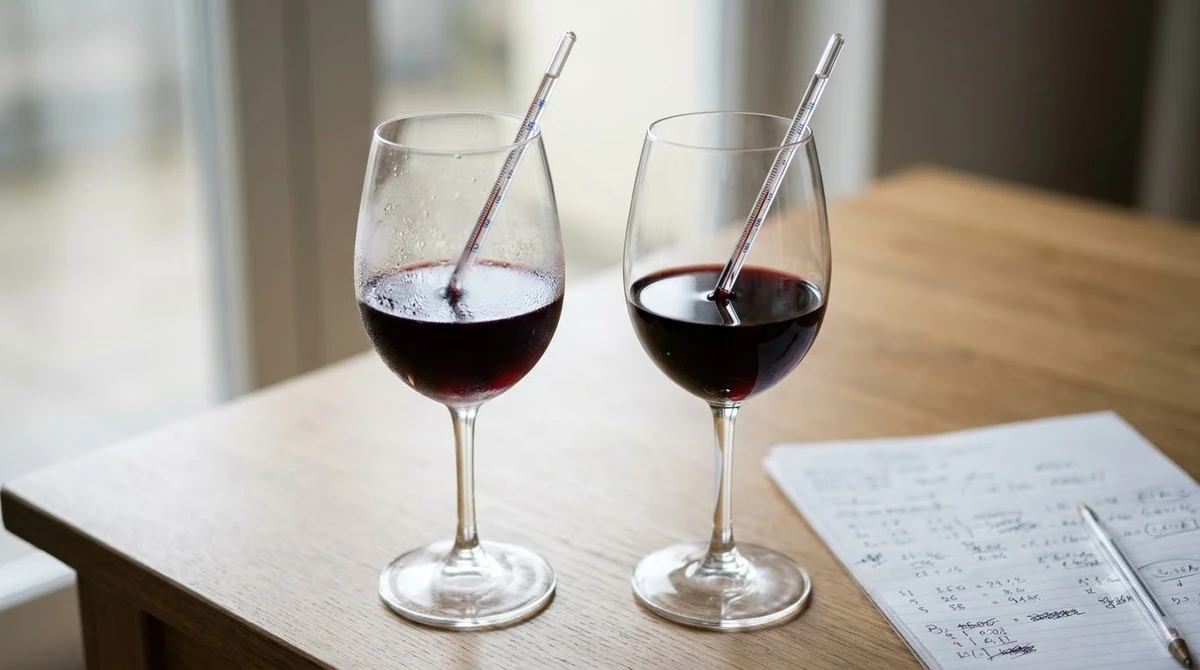
Visitors can use the following table as a practical tasting reference. The suggested temperatures are general serving guidelines rather than mandatory festival rules.
| Wine category | Suggested serving temperature | What to notice | Food pairing idea |
|---|---|---|---|
| Light white | 45–50°F | Fresh acidity and fruit | Fresh salads and seafood |
| Full-bodied white | 50–55°F | Texture and richer flavors | Roasted chicken and creamy pasta |
| Rosé | 45–50°F | Fruit character and freshness | Charcuterie and grilled vegetables |
| Light red | 55–60°F | Fruit, acidity, and softer tannin | Roasted poultry and mushrooms |
| Full-bodied red | 60–65°F | Structure and tannin | Grilled beef and aged cheese |
| Sparkling | 40–50°F | Bubbles and freshness | Seafood and salty appetizers |
| Sweet white | 43–50°F | Sweetness and balancing acidity | Fruit desserts and pastries |
Festival tastings are generally smaller than a standard restaurant pour, allowing visitors to compare several wines. For reference, a standard wine serving is 5 ounces, and a 750-milliliter bottle contains approximately five such servings. Visitors should avoid treating every tasting as a full glass, particularly when attending several tasting stations.
Another useful technique is to taste wines in a deliberate order. Begin with sparkling wines, followed by lighter whites, fuller whites, rosés, lighter reds, and more structured reds. Finish with sweet wines when available. This progression helps prevent stronger flavors and sweetness from overwhelming more delicate wines.
Food Pairings and Festival Dining Ideas
Food can make a Minnesota wine festival more enjoyable by providing a way to compare how different wines interact with familiar dishes. The best pairings consider sweetness, acidity, tannin, and body rather than relying only on the wine’s color or grape variety.
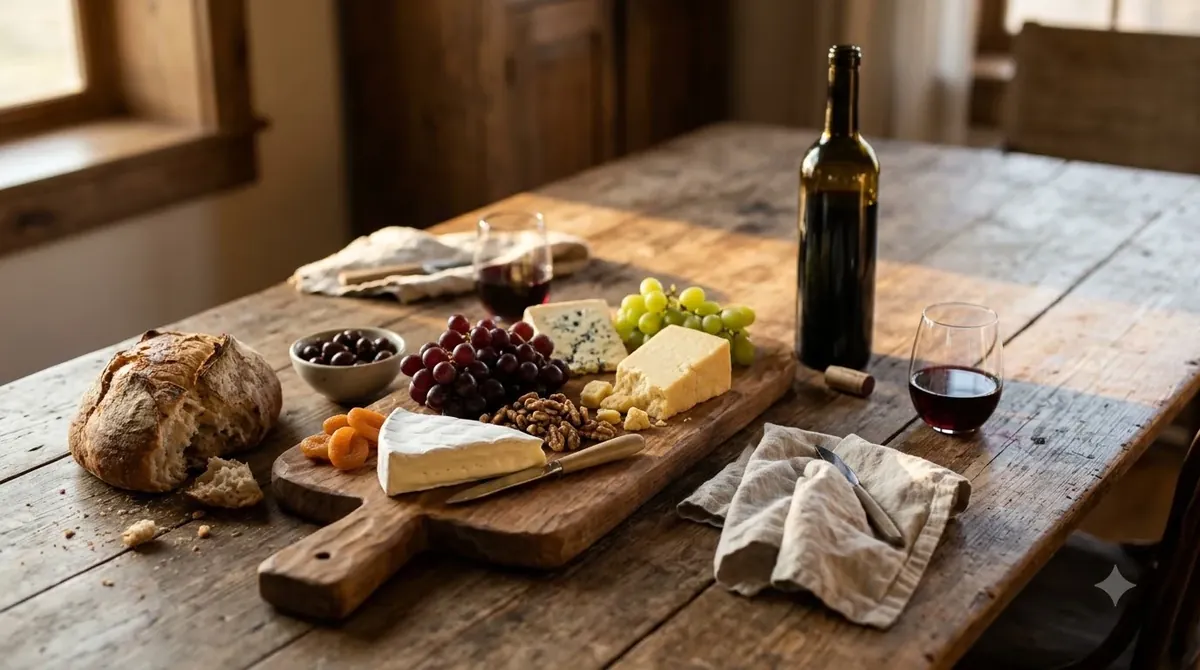
Local cheeses, cured meats, grilled vegetables, roasted poultry, and regional specialties can all work well alongside Minnesota wines. A crisp white wine can complement fresh seafood, while a medium-bodied red may be more suitable for grilled meats or mushroom dishes.
Acidity is particularly important when pairing wine with food. Acidic dishes generally need wines with equal or higher acidity. For example, a fresh tomato-based dish may taste more balanced with a lively white or rosé than with a soft, low-acid wine.
Sweetness requires similar attention. A wine served with dessert should generally be at least as sweet as the dessert itself. Otherwise, the wine may seem unusually acidic or thin after a bite of sweet food. Fruit-based Minnesota wines can provide interesting options alongside fruit tarts and pastries.
Tannin also influences pairing choices. Salt and fat soften the perception of tannin, making structured red wines more approachable alongside foods such as aged cheese and rich grilled meats. However, oily fish can clash with highly tannic reds, so lighter white wines are usually more suitable for salmon or other oily seafood.
Visitors should also consider alcohol levels and spice. Chili heat can become more pronounced when paired with wines containing substantial alcohol or tannin. A refreshing, lower-alcohol white wine may be a better choice for spicy food than a powerful red.
Simple food combinations to try
- La Crescent with fresh goat cheese: The wine’s aromatic character and acidity can complement the creamy texture of the cheese.
- Marquette with grilled beef: A structured red can work well with savory grilled dishes, especially when fat and salt soften its tannins.
- Itasca with roasted chicken: A balanced white wine can complement the mild flavor of poultry without overwhelming the dish.
- Fruit wine with pastries: Choose a wine with sweetness equal to or greater than the dessert.
- Rosé with charcuterie: Fresh acidity can balance salty cured meats and a range of appetizers.
At festivals offering food vendors, visitors can use smaller portions to compare several pairings. This approach makes it easier to identify which wine styles complement different foods without committing to a full meal at the beginning of the event.
Practical Festival Rules, Tasting Etiquette, and Travel Tips
Understanding event regulations and preparing a simple tasting plan can make a festival visit easier. Minnesota’s temporary wine festival licensing framework includes specific limits on wine sales, while individual organizers may establish additional requirements for admission, transportation, and tasting participation.
Under Section 340A.4175, the qualifying temporary license allows participating wineries to offer free samples within designated festival premises. It also permits sales of wine by the glass and bottle, subject to limits of two glasses per customer and six bottles in total per customer. These provisions apply to the specific licensed festival arrangement, rather than automatically describing every wine event in Minnesota.
Saint Paul’s municipal licensing information provides a practical example of how these events are regulated locally. Its Winery Annual Festival temporary license is limited to four consecutive days. The city also outlines requirements involving the participating wineries, property-owner permission, and other event documentation. Visitors interested in the official licensing framework can consult the Minnesota statute governing temporary winery festival licenses.
Visitors should distinguish these regulatory requirements from ordinary ticketing arrangements. Admission prices, tasting tokens, food purchases, identification checks, and parking procedures depend on the organizer. The festival’s official information should be the primary reference for these details.
Good tasting etiquette is equally important. Begin with a small sample, listen to the winery representative, and ask questions about the wine before moving to the next station. If a wine does not suit your preferences, there is no reason to finish it. Responsible tasting is more useful than trying to sample every available bottle.
Consider bringing a small notebook or using a phone to record the names of wines and wineries you particularly enjoy. Notes about acidity, sweetness, grape variety, and food pairings will help when revisiting a winery or choosing bottles later.
Festival visitors should also plan transportation before arriving. Even a series of small samples can affect judgment, especially over several hours. A designated driver, organized shuttle, taxi, or other safe transportation arrangement is preferable to making decisions after drinking.
For visitors traveling from outside Minnesota, accommodation near the event can make the experience more comfortable. If the festival is part of a larger winery trip, consider spending an additional day exploring nearby vineyards, restaurants, or outdoor attractions rather than attempting to visit too many places in one afternoon.
Those interested in comparing other regional wine celebrations can also explore an Indiana wine festival, a Livermore wine festival, or a Utah wine festival. Each destination offers a different regional context for wine tourism and provides useful comparisons with Minnesota’s cold-climate wine industry.
Frequently Asked Questions
Does Minnesota produce wines from traditional European grape varieties?
Yes, some Minnesota wineries work with traditional European varieties in addition to cold-hardy hybrids. However, growing conditions vary considerably across the state, and varieties such as Cabernet Sauvignon and Merlot generally require more protection in northern climates. Visitors may encounter wines made from locally adapted grapes alongside other grape varieties and fruit-based wines.
Can visitors see how Minnesota wine grapes are developed?
The University of Minnesota’s Grape Breeding and Enology program conducts research into new wine grape cultivars. Its breeding work evaluates characteristics such as winter hardiness, disease resistance, productivity, and ripening behavior. The program also maintains experimental grape selections that help researchers assess potential future varieties.
Are Minnesota wine festivals suitable for people who prefer sweet wines?
Yes. Minnesota producers make different wine styles, and fruit wines can be particularly interesting for visitors who enjoy sweeter flavors. The best approach is to ask the winery representative about residual sweetness rather than assuming that a particular grape variety always produces a dry or sweet wine.
Can Minnesota wineries produce wine from locally grown fruit other than grapes?
Yes. Minnesota wineries also work with fruits such as rhubarb, blueberry, chokecherry, and black currant. Forestedge Winery in Laporte is one example of a producer offering fruit wines, including a specialty made from rhubarb. These wines reflect the state’s wider agricultural diversity.
What is the difference between a winery festival and a wine trail?
A winery festival is generally a gathering organized around a specific event, often bringing multiple producers together at one venue. A wine trail is a regional route connecting separate winery destinations that visitors can explore individually. Minnesota’s Great River Road Wine Trail and Upper St. Croix Wine Trail are examples of the latter, making them useful choices for visitors who prefer a self-guided wine trip.
A Minnesota wine festival offers more than an opportunity to sample local wines. It provides a closer look at the grape varieties, agricultural research, and independent wineries that shape the state’s wine identity. With a little preparation, visitors can discover distinctive cold-climate wines, enjoy regional food pairings, and turn a festival visit into a memorable Minnesota wine-country experience.
More in Wine Regions
 Willcox Wine Trail: Discover Arizona’s High-Elevation Wine CountryUpdated Nov 20, 2026
 Yakima Valley Wine Region: Find the Best Styles to TryUpdated Nov 20, 2026
 Vosne Romanee Wine Tasting: Identify Aromas and Choose Better PairingsUpdated Nov 20, 2026
 Yakima Valley Wine Festival: Find the Best Seasonal Wine EventsUpdated Nov 20, 2026
 Wales Vineyards: Discover Cool-Climate Wines and Where to VisitUpdated Nov 20, 2026
 Yountville Wine Festival: Discover Napa Wines and Local FoodUpdated Nov 20, 2026