

We may earn a commission when you buy through links on this page, at no extra cost to you. Learn more.
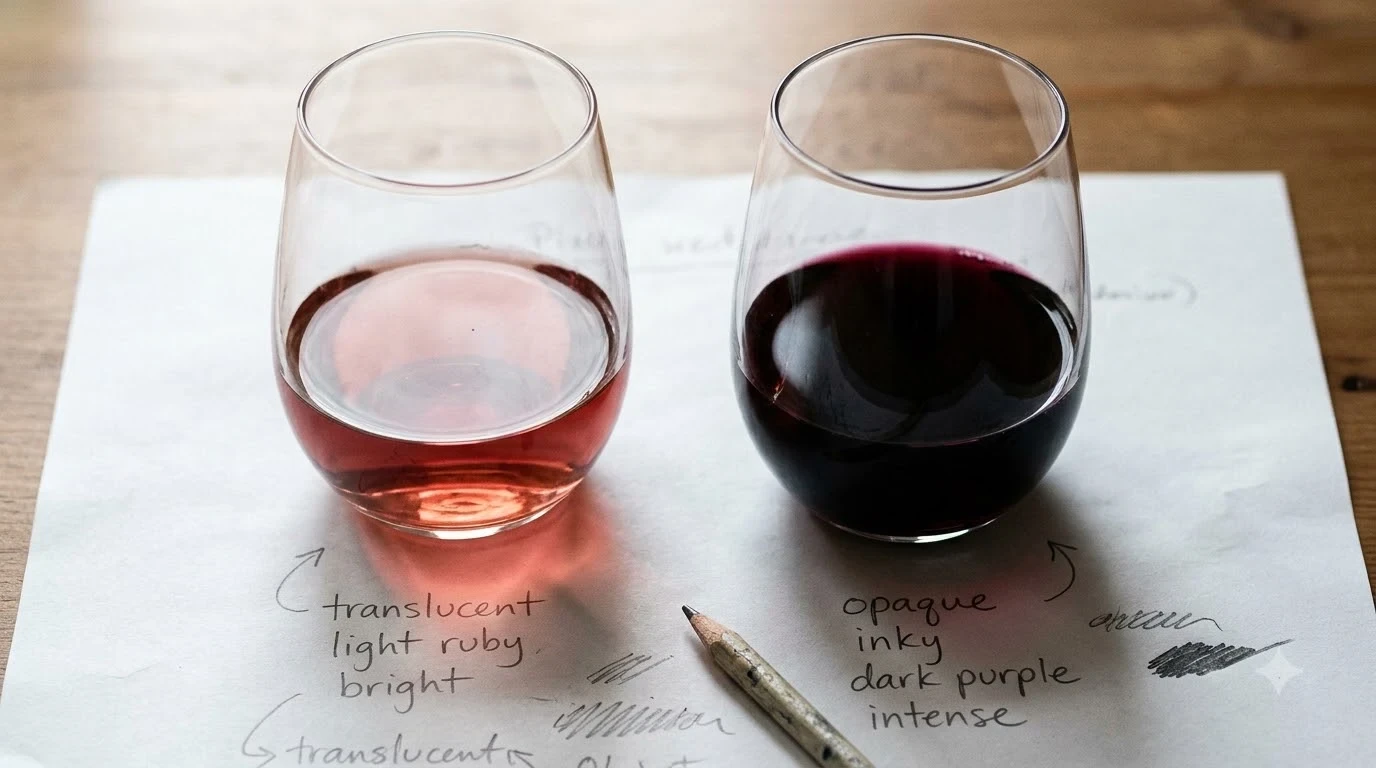
Migration wine is a cool-climate pinot noir from the Duckhorn Wine Company, sold in a standard 750ml bottle at 14.2% ABV. The label is built around Sonoma County fruit, with a focus on red berry flavors, fine tannins and a silky finish. It suits everyday dinners, gifts and a relaxed tasting at home.
This guide explains what migration wine is, who makes it, how the pinot noir lineup differs, and what the bottles taste like. It also covers serving temperature, food pairings, how the label compares with other California brands, and where to look for current prices.
What Is Migration Wine and Who Makes It?
Migration is a red wine brand that focuses on pinot noir from cool coastal areas of Sonoma County. The brand sits inside the portfolio of the Duckhorn Wine Company, which is the producer named on the bottle. Its wines are meant for drinkers who want the lighter, more aromatic style that pinot noir can offer.
According to the producer, Migration began as a dedicated cool-climate project. The team reportedly worked through eight vintages of experimentation to settle on the right pinot noir clones, vineyard sites and winemaking style. Early work took place in Anderson Valley before the project expanded to the Sonoma Coast and the Russian River Valley.
The sites that matter most are on the Sonoma Coast, where coastal fog and sandy loam soils are said to slow ripening. A slower ripening period helps the grapes keep bright natural acidity. Oak aging is meant to support the fruit rather than overpower it, which is a key part of the house style.
Migration Pinot Noir Lineup Explained
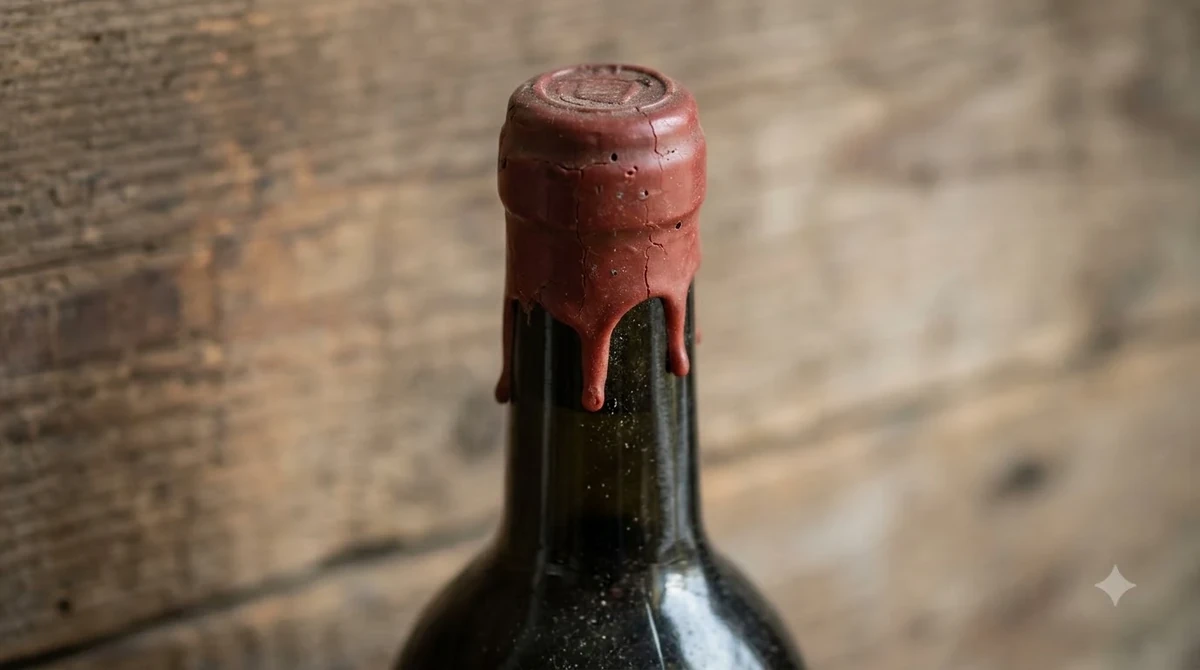
Most drinkers will first meet the standard Migration Pinot Noir, which is the everyday bottling in the range. Above it sits a premium selection that the Duckhorn team describes as the pinnacle of its portfolio. The two styles share a pinot noir base but differ in how carefully the lots are chosen and how long they age.
The premium bottling is a vintage selection from the finest barrels. The Duckhorn Collection product page for the 2022 M> Sonoma Coast Pinot Noir says the lots were narrowed through tastings and then aged in French oak. The wine was racked and blended after 10 months, then returned to the same barrels for another 5 months.
The material available for this page documents pinot noir only. Before you assume a chardonnay is in the current lineup, check the producer website for the latest bottlings and vintages.
| Bottling | Grape | Key details from the producer | Best use |
|---|---|---|---|
| Migration Pinot Noir (standard) | Pinot noir | Cool-climate Sonoma County blend, 14.2% ABV, 750ml bottle | Weeknight dinners and casual sipping |
| M> Sonoma Coast Pinot Noir | 100% pinot noir | Vintage selection of top barrels, French oak, extended aging | Special dinners and gifting for collectors |
| Chardonnay | Not confirmed in the sources for this page | Check the producer site for current availability | Verify before buying |
Migration Wine Tasting Notes and Flavor Profile
Migration pinot noir opens with ripe red fruit. Cherry and strawberry lead the aroma, followed by rose petal and violet. Some tasting notes also mention caraway, a touch of Asian spice and a light earthiness that adds depth to the fruit.
On the palate, the wine is described as lush and juicy. Cherry and raspberry come forward in the middle, with cranberry and blackberry in support. The texture is fresh and lively, and a slightly chewy quality gives the wine structure. Toasty oak appears as spice rather than as a heavy vanilla note.
The finish is where many drinkers notice the difference from simpler pinot noirs. Fine-grained tannins carry the wine to a long, silky close, with dark fruit and forest floor lingering after each sip. The premium M> bottling is described as more elegant and age-worthy, with a complex structure. For a deeper look at the premium style, the 14 hands hot to trot wine page offers a different take on a fruit-forward red for comparison.
Serving, Storage and Food Pairings
Serve Migration pinot noir slightly below room temperature. The producer suggests a range of about 58 to 62 degrees Fahrenheit, which lets the aromas open without making the wine taste flat. A few minutes in the fridge before pouring can help if the bottle has been sitting in a warm room.
- Chill the bottle for about 15 to 20 minutes if it has been stored at room temperature.
- Pour into a Burgundy-style glass, which gives the aromas more room to develop.
- Let the wine sit in the glass for a few minutes before the first sip.
- Recork any leftover wine and keep it in a cool, dark place, then finish it within a few days.
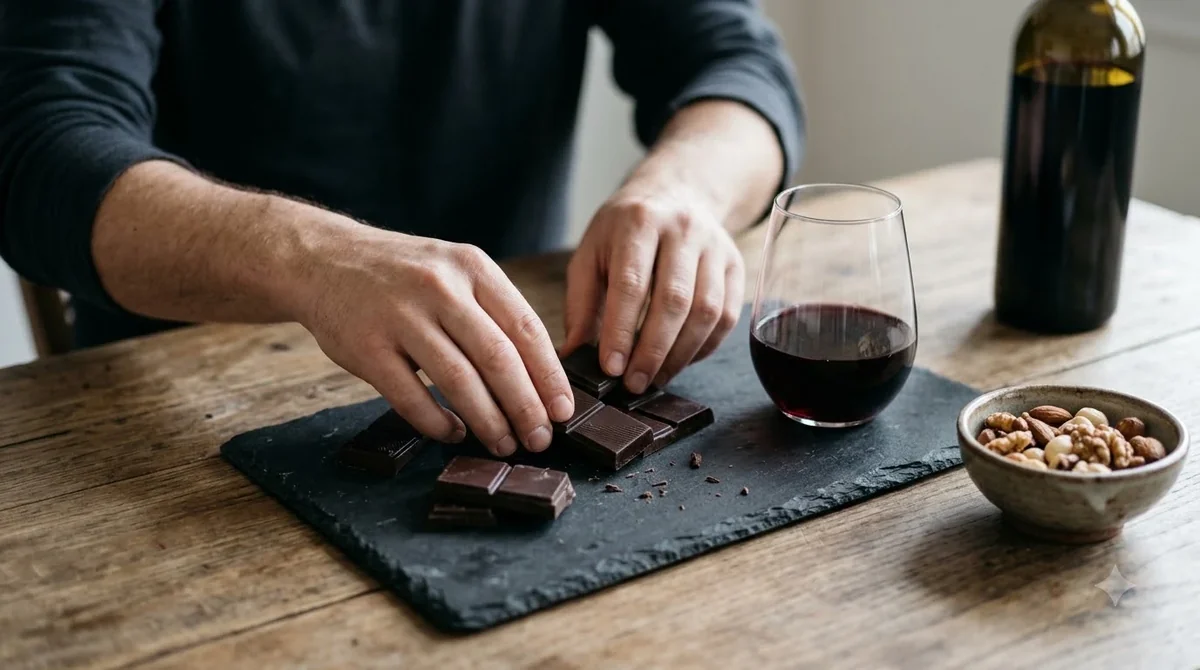
For food, the wine’s savory spice and bright acidity give it a wide range of partners. Roasted duck and mushroom dishes echo its earthy notes. Grilled salmon works because the acidity cuts through the richness of the fish. Charcuterie with aged salami and a semi-firm cheese also suits the wine’s balanced tannins.
Migration also works in simple cocktails, according to the producer. A splash of crème de cassis in a Kir or a lemon twist in a sparkling spritz can highlight the berry profile. Whichever way you serve it, drink responsibly and pace yourself with food and water.
Tip: Pinot noir is more delicate than many reds, so serve it a little cooler than you would a bold cabernet. Taste a glass at a few temperatures to see which one you prefer.
How Migration Compares With Other California Brands
Migration sits in the cool-climate pinot noir group, where it competes with other Sonoma Coast labels. Reviewers often compare it with La Crema’s Sonoma Coast pinot noir, which many drinkers describe as rounder and more fruit-forward. Migration tends to show more savory spice and firmer tannin structure, according to the comparisons in the material available.
Duckhorn’s wider portfolio also includes Kosta Browne, a Sebastopol winery founded in 1997 that specializes in pinot noir. The Wikipedia entry on Kosta Browne says Duckhorn acquired the winery in 2018. That history helps explain why the two brands share a focus on pinot noir from the coast, although they are separate producers with different styles.
If you want a white wine from a California brand for comparison, the Avaline white wine page covers a lighter, everyday style that many people pair with the same kinds of meals. For a broader view of how producers position their brands, the Wine Brands section groups similar labels together.
Prices and Where to Buy Migration Wine
Migration prices vary by bottling, vintage, retailer and region. Because retail prices change often, the most reliable approach is to check the current listing at the time you plan to buy. As of Nov 2026, the standard bottling sits in the mid-premium range for California pinot noir, according to the way critics and retailers describe it.
Compare the listed price per bottle with the bottling you actually want. A standard bottle suits a weeknight meal, while the M> vintage selection makes more sense for a gift or a special occasion. Check shipping rules too, since many retailers require an adult signature and do not ship to P.O. boxes.
Critical attention can help you judge value. The standard bottling has earned a 91-point score from one critic for a recent vintage, and a past vintage placed on a well-known top 100 list. Scores change by vintage, so look at the score for the bottle you are buying rather than assuming the same result for every year.
Frequently Asked Questions
What does migration wine taste like?
Migration pinot noir leads with ripe cherry and raspberry, with rose petal, earthy spice and toasty oak in the background. The texture is lush yet lively, with fine-grained tannins and a silky finish. Serving it slightly cool helps bring out these aromas.
Where is migration wine made?
Migration is produced by the Duckhorn Wine Company using grapes from Sonoma Coast and Russian River Valley vineyards in Sonoma County, California. The Sonoma Coast sites are known for coastal fog and sandy loam soils. Check the bottle label for the exact appellation on the vintage you buy.
Is migration wine good for drinking on its own?
Yes, the wine’s bright acidity, layered fruit and silky tannins make it enjoyable without food. It is best served slightly below room temperature in a Burgundy-style glass. Drink it at a comfortable pace and always drink responsibly.
Does migration wine come in different sizes?
The standard Migration Pinot Noir is widely available in a 750ml bottle. Check the product listing you are considering, since formats and availability can change by retailer and by year. The producer’s own site is the best place to confirm current bottlings.
Migration wine is a good choice for drinkers who want a cool-climate pinot noir with depth and polish. Start with the standard bottling to learn the house style, then consider the premium selection for a special occasion. For more context on related labels, explore the brand guides linked above.
More in Wine Brands
 Underwood Wine Price: Compare Bottles, Cans, and Pack SizesUpdated Nov 21, 2026
 Zenato Wine Price: Compare Styles and Choose the Right BottleUpdated Nov 21, 2026
 Zuccardi Wine Price: Compare Bottles and Find the Right RangeUpdated Nov 21, 2026
 Yellow Tail Moscato Review: Taste, Sweetness and Serving TipsUpdated Nov 21, 2026
 Wolf Blass Yellow Label Review: Choose Your Best StyleUpdated Nov 21, 2026
 Wolffer Estate Rose Review: Choose the Right Bottle for Your TableUpdated Nov 21, 2026