

We may earn a commission when you buy through links on this page, at no extra cost to you. Learn more.
The Michigan wine region is best known for crisp Riesling, aromatic white wines, sparkling wine, and increasingly characterful cool-climate reds. Five American Viticultural Areas (AVAs) shape its identity, from the warmer Lake Michigan Shore in the southwest to the colder Tip of the Mitt in the north. The Great Lakes soften temperature extremes, but they do not erase the challenges of short growing seasons and winter cold.
Michigan is more varied than its reputation for sweet fruit wines suggests. Its vineyards use European grapes, cold-hardy hybrids, and a wide range of sweetness levels. Geography helps explain why two Michigan Rieslings can taste quite different.
How the Great Lakes Shape Michigan Wine
Michigan’s vineyards depend on water as much as they depend on soil: the lakes moderate temperature swings and help extend the growing season. That influence is especially important because the state has cold winters, spring frost risk, and growing conditions that vary between its northern and southwestern wine districts.
Lake Michigan is the principal climate influence for the state’s established wine belt. It absorbs heat during warmer months and releases it slowly as air temperatures fall, reducing the severity of autumn and winter cold near the shoreline. The water can also delay spring warming, reducing the chance of early budbreak followed by frost. The effect is local: a lakeside vineyard can differ from an inland site.
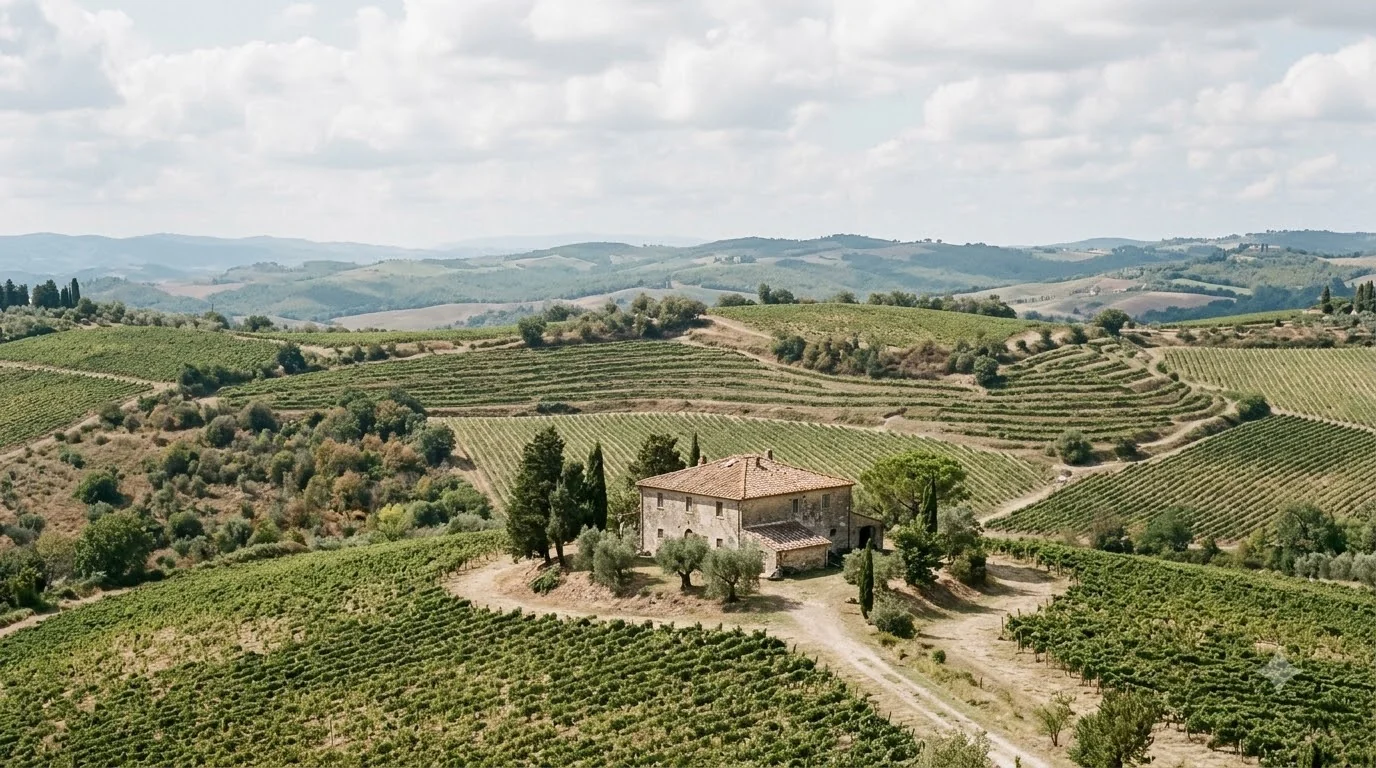
The two northern peninsulas add another layer. Leelanau Peninsula reaches between Lake Michigan and Grand Traverse Bay, while Old Mission Peninsula projects north into the bay. Surrounding waters moderate the growing environment, and slopes can help cold air drain away from vines. In the southwest, Lake Michigan Shore benefits from a more southerly position and a longer period for ripening grapes that need additional warmth.
Michigan soils are often glacial, sandy, and well drained, with clay in some sites. Soil, slope, and exposure influence vineyard character. Riesling, Pinot Blanc, and Pinot Gris retain acidity in a cool season, while colder districts also rely on winter-hardy hybrids.
Michigan’s Five AVAs and Their Differences
Five federally recognized AVAs identify Michigan’s principal wine-growing districts: Fennville, Leelanau Peninsula, Lake Michigan Shore, Old Mission Peninsula, and Tip of the Mitt. Their locations and establishment dates show the progression from early southwestern vineyards to newer northern plantings.
| AVA | Established | Location | Regional character |
|---|---|---|---|
| Fennville | 1981 | Southwest Michigan; within Lake Michigan Shore | Mixed grape plantings in a lake-influenced district |
| Leelanau Peninsula | 1982 | Northwest Lower Peninsula | Cool-climate whites and Pinot Noir |
| Lake Michigan Shore | 1983 | Southwest coast of Lake Michigan | Longer ripening window; whites and reds |
| Old Mission Peninsula | 1987 | Grand Traverse Bay | Cool-climate vinifera, especially aromatic whites |
| Tip of the Mitt | 2016 | Northern Lower Peninsula | Cold-hardy grapes and cool-climate varieties |
Fennville is a smaller AVA contained within the much larger Lake Michigan Shore AVA. The Alcohol and Tobacco Tax and Trade Bureau (TTB) records AVA establishment when the final rule is published in the Federal Register. An AVA is a geographic designation, not a rating that guarantees quality or a single wine style.
Lake Michigan Shore is the major southwestern production zone. Its southerly position gives many vineyards a longer ripening period, helping Cabernet Franc and Merlot reach fuller maturity. In the northwest, Leelanau is the larger peninsula between Lake Michigan and Grand Traverse Bay; Old Mission is narrower and extends into the bay.
Tip of the Mitt occupies the northern part of the Lower Peninsula and is the newest district. Its colder conditions make cold-hardy hybrids particularly useful, alongside selected white and red grapes that can ripen in a short season. For a broader overview of how appellations work around the world, the site’s Wine Regions resource provides useful context.
Grapes That Define Michigan Wine
Riesling is Michigan’s signature grape by acreage, with Chardonnay and Pinot Gris also prominent among its white varieties, according to Taste Michigan’s grape overview. Pinot Noir, Cabernet Franc, and Merlot lead the state’s best-known cool-climate red selections, while hybrid grapes expand the choices in colder locations.
Riesling preserves bright acidity while developing expressive aromas in Michigan’s cool growing season. It may be bone dry, off-dry, or sweet, with citrus, green apple, pear, and white-flower notes. Its acidity makes it adaptable with freshwater fish, pork, poultry, and lightly spicy dishes.
Chardonnay ranges from stainless-steel styles emphasizing apple, lemon, and freshness to barrel-aged wines with added texture and toast. Pinot Gris (also called Pinot Grigio) offers pear and citrus, while Pinot Blanc and Auxerrois are less familiar grapes worth seeking for their delicate aromas.
Among reds, Pinot Noir is a natural choice for northern sites because it can produce lighter-bodied wines with fresh acidity and moderate tannin. Cabernet Franc often brings red-fruit character and herbal notes, while Merlot tends to feel rounder and softer. Cold-hardy hybrids such as Marquette, Frontenac, Frontenac Gris, La Crescent, Vidal Blanc, and Vignoles help growers manage harsh winters and shorter seasons; they can produce dry, sweet, rosé, and sparkling wines. For comparison, Michigan’s white-grape focus has affinities with the Tasmania wine region, where freshness and acidity are also central to many regional styles.
Wine Styles to Look For in Tasting Rooms
Michigan wineries make far more than one kind of Riesling: visitors can find dry whites, off-dry aromatic wines, rosé, reds, traditional-method sparkling wine, fruit wines, and ice wine. Taste across sweetness levels and grape families rather than assuming that every local bottle will be sweet.

Dry Riesling is a good starting point for citrus, orchard fruit, and lively acidity. Off-dry Riesling can be balanced when acidity supports the residual sugar; sweetness does not automatically mean a heavy wine. Try dry and off-dry bottlings side by side to compare their styles.
Michigan also produces traditional-method sparkling wine, often using Chardonnay or Riesling for freshness and structure. Rosé ranges from dry and crisp to fruitier styles, while reds run from lighter Pinot Noir to more structured Cabernet Franc and Merlot. Southwestern sites can support riper reds in suitable seasons.
Ice wine is made from grapes that freeze naturally on the vine and are harvested while frozen, concentrating sugars and flavors in the juice. Good ice wine balances sweetness with acidity. Fruit wines also belong to Michigan’s agricultural story: cherries, apples, and other local fruit appear alongside grape wines. They are distinct from wines made from Vitis vinifera or wine-grape hybrids.
From Early Grapes to Modern Cool-Climate Producers
Michigan’s wine history reaches well before its modern reputation for Riesling, although the industry has changed substantially over time. Early plantings, the rise of hybrid grapes, Prohibition, and the later shift toward European wine grapes all help explain the mix of styles available today.
Decanter’s regional profile of Michigan describes the state’s early wine history, while WineAmerica reports that grapes were first planted in Michigan in 1780, with Concord, Catawba, and Niagara prominent for decades. Many were grown for juice rather than dry varietal wine. Decanter describes earlier wine production using native riverbank grapes, followed by uneven commercial development and Prohibition.
After Prohibition, Michigan producers worked with hybrids and fortified wines, and the state became known in part for sweet, sparkling red Cold Duck. The modern transition toward European Vitis vinifera varieties gathered momentum in the 1970s. WineAmerica identifies Tabor Hill as the first vinifera-focused winery in 1971, while Decanter points to Chateau Grand Traverse as the first Michigan winery to plant traditional European varieties in the mid-1970s.
Riesling became central to this direction, with Chateau Grand Traverse helping establish its reputation on Old Mission Peninsula. Michigan State University research supports growers facing winter injury, site selection, and vine-management challenges. Producers now combine established grapes with less common varieties. For an Alpine comparison, the Savoie wine region shows how local varieties and cool mountain conditions can shape a regional identity.
Planning a Michigan Wine Country Visit
Michigan wine travel is organized around two main clusters: the Lake Michigan shoreline in the southwest and the peninsulas around Traverse City in the northwest. The best itinerary usually focuses on one cluster at a time, since driving between the southwestern and northern districts takes longer than moving among nearby tasting rooms.
For a northern trip, Traverse City is a useful base for exploring Old Mission Peninsula and Leelanau Peninsula. Both have scenic vineyard settings and tasting rooms where Riesling, Pinot Blanc, Pinot Gris, and Pinot Noir are common reference points. Pure Michigan notes that 45 North Vineyard & Winery grows 10 varieties across 35 acres and offers a 3-mile vineyard trail. Plan a few stops rather than trying to visit every winery in one day.
In the southwest, the Lake Michigan Shore AVA includes vineyards around communities such as Baroda, Benton Harbor, and Paw Paw, while Fennville sits farther north within the larger AVA boundary. St. Julian Winery is based in Paw Paw and has a history spanning more than 100 years across four generations of the Braganini family. Fenn Valley Vineyards covers 240 acres between South Haven, Saugatuck, and Holland. Check current reservation and opening policies before setting out.
Tip of the Mitt offers a different northern perspective around Petoskey and Charlevoix, where cold-climate conditions favor hybrids such as La Crescent and Marquette. Arrange transportation, allow time between appointments, and ask which wines are dry or off-dry. The Switzerland wine region offers a useful comparison for mountain and lakeside vineyards, where local conditions and indigenous varieties are central to the story.
Serving and Pairing Michigan Wines
Serving temperature and food pairing can make Michigan wines easier to understand. The state’s bright whites often benefit from a cool pour, while lighter reds show more detail when they are slightly chilled rather than served warm.
Serve sparkling wine at 40–50°F, light whites and rosé at 45–50°F, fuller whites such as Chardonnay at 50–55°F, and sweet whites at 43–50°F. Light reds such as Pinot Noir suit 55–60°F; fuller Cabernet Franc or Merlot are generally better at 60–65°F. Too much chill can mute a wine.
Tip: Taste a dry and an off-dry Michigan Riesling side by side to compare how residual sugar and acidity shape the finish.
Riesling works with spicy Asian food, pork with fruit, smoked fish, and salty cheeses; match the wine’s sweetness to the dish. For dessert, choose a wine at least as sweet as the food so the wine does not taste thin or sour. Pinot Gris and Pinot Blanc suit freshwater fish, roast chicken, and vegetables, while Chardonnay pairs with richer fish and creamy sauces. Pinot Noir fits mushroom dishes and duck; Cabernet Franc and Merlot can handle grilled pork.
Acidic food needs a wine with equal or higher acidity, while salt and fat soften tannin. Chili heat is amplified by alcohol and tannin, and oily fish can clash with tannic reds. A standard pour is 5 ounces; a 750-milliliter bottle yields about five glasses. Refrigerate opened still wines for 3–5 days and sparkling wines for 1–3 days with a proper stopper.
Frequently Asked Questions
How many wine-grape varieties are grown in Michigan?
Taste Michigan reports that more than 50 wine-grape varieties are cultivated in the state. The range stretches from Auxerrois to Zweigelt, alongside familiar grapes such as Riesling, Chardonnay, and Pinot Noir.
What was Michigan’s first AVA?
Fennville was Michigan’s first AVA, with its federal establishment rule published on September 18, 1981. The TTB’s date refers to the final rule’s publication in the Federal Register, rather than the date a vineyard or winery first opened.
Which counties are included in the Tip of the Mitt AVA?
The AVA includes portions of Alpena, Antrim, Charlevoix, Cheboygan, Emmet, and Presque Isle counties. That north-of-45th-parallel location helps explain why cold-hardy varieties are important to growers in the area.
Does the 45th parallel pass through Leelanau Peninsula?
Yes. The 45th parallel runs through the Leelanau Peninsula, and 45 North Vineyard & Winery takes its name from that line of latitude. The parallel is a geographic reference, not a guarantee that every vineyard along it has the same growing conditions.
How much of Michigan wine comes from the two northern peninsulas?
Pure Michigan describes Leelanau Peninsula and Old Mission Peninsula together as accounting for about 55% of Michigan wine. Their concentration of vineyards makes the Traverse City area a major starting point for exploring the state’s cool-climate wines.
The Michigan wine region rewards curiosity: begin with Riesling, then compare Pinot Blanc, Pinot Gris, sparkling wine, and a red or hybrid variety from a different AVA. Tasting across the state’s five districts reveals how strongly water, latitude, soil, and winter conditions shape what reaches the glass.
More in Wine Regions
 Willcox Wine Trail: Discover Arizona’s High-Elevation Wine CountryUpdated Nov 20, 2026
 Yakima Valley Wine Region: Find the Best Styles to TryUpdated Nov 20, 2026
 Vosne Romanee Wine Tasting: Identify Aromas and Choose Better PairingsUpdated Nov 20, 2026
 Yakima Valley Wine Festival: Find the Best Seasonal Wine EventsUpdated Nov 20, 2026
 Wales Vineyards: Discover Cool-Climate Wines and Where to VisitUpdated Nov 20, 2026
 Yountville Wine Festival: Discover Napa Wines and Local FoodUpdated Nov 20, 2026