

We may earn a commission when you buy through links on this page, at no extra cost to you. Learn more.
The meursault wine region is a celebrated Chardonnay appellation in Burgundy’s Côte de Beaune, France, known for rich, textured white wines with refreshing acidity, mineral character and distinctive hazelnut and orchard-fruit flavors. Its 19 Premier Cru climats include renowned vineyards such as Perrières, Charmes and Genevrières. Although Meursault has no Grand Cru classification, its finest wines rank among Burgundy’s most distinguished whites. Understanding its vineyards, soils and winemaking traditions helps explain what makes each bottle distinctive.
Meursault is a name that frequently appears on lists of great white Burgundy wines, but the appellation offers considerably more diversity than its reputation for buttery, oak-influenced Chardonnay might suggest. Differences in vineyard position, limestone and marl soils, producer decisions and bottle age create a range of styles, from energetic and mineral-driven to broad, generous and complex. Whether you are choosing your first bottle or comparing individual Premier Cru vineyards, learning the geography and characteristics of Meursault provides a useful starting point.
Where Meursault Sits in Burgundy’s Côte de Beaune
Meursault is a village appellation in the Côte de Beaune, the southern section of Burgundy’s famous Côte d’Or wine corridor. Located between Volnay and Puligny-Montrachet, it occupies a particularly important position in the region’s white wine landscape. Its identity is closely connected with Chardonnay, although Pinot Noir also has a small place in local production.
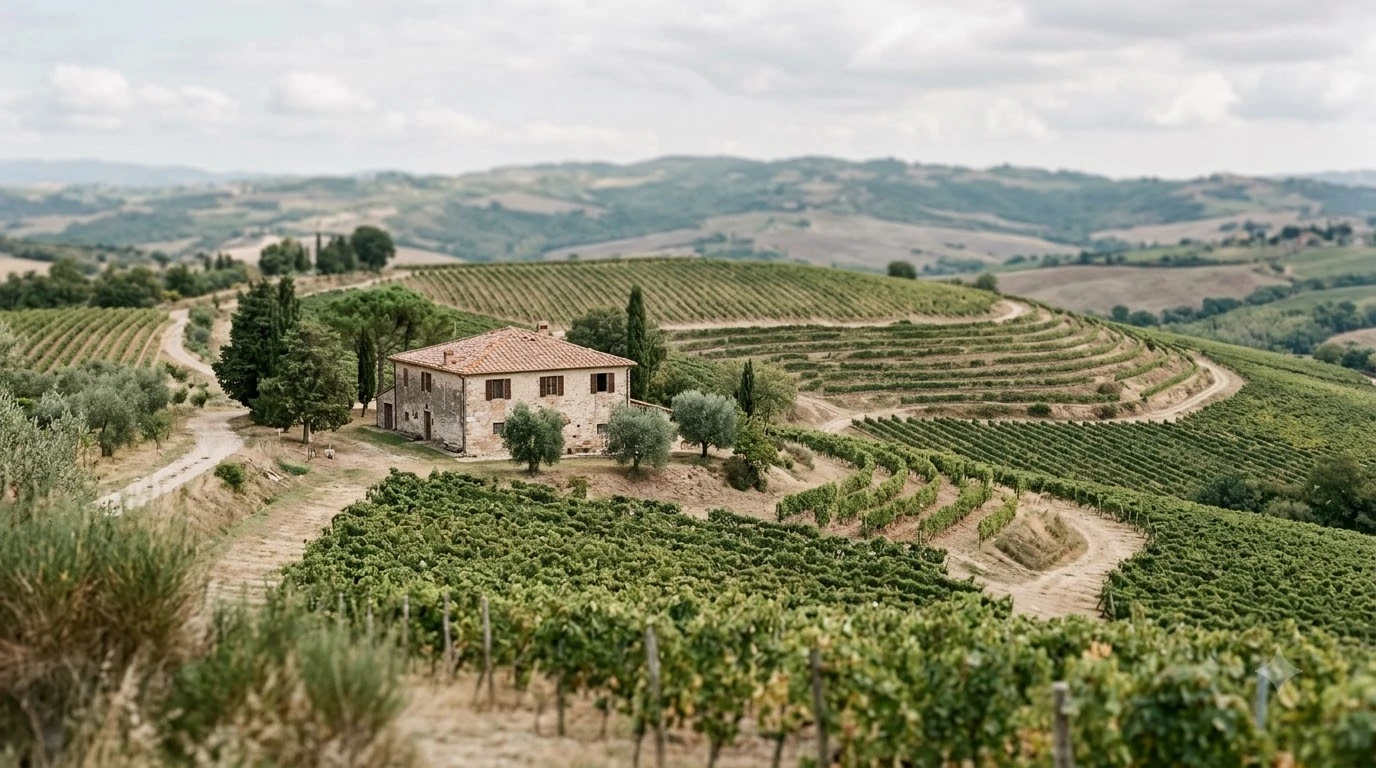
The village lies in the department of Côte-d’Or, within eastern France. Its vineyards spread across the slopes and surrounding land, creating a landscape in which small changes in elevation, exposure and soil composition influence the character of individual wines. The appellation’s best vineyard sites are generally situated around 260 meters above sea level, according to the Bourgogne Wine Board.
Meursault is part of a particularly important group of Côte de Beaune Chardonnay villages. Puligny-Montrachet is known for precision and tension, while neighboring Chassagne-Montrachet offers both powerful white wines and notable reds. Meursault occupies its own position in this group, frequently combining generous fruit, a substantial palate and enough acidity to preserve freshness.
The appellation was officially established on July 31, 1937. Its history, however, reaches much further back. Decanter documents vineyard donations to the Abbey of Cîteaux in 1098, demonstrating the area’s importance to Burgundy’s medieval wine culture. Cistercian monks helped develop and organize vineyards across the region, contributing to the long history of Burgundy’s carefully differentiated vineyard sites.
Meursault is also an attractive destination for visitors interested in Burgundy’s wine heritage. The village has traditional stone buildings, wine estates and a recognizable church tower that rises above the surrounding landscape. Its position makes it a useful stopping point when exploring the neighboring villages and vineyards of the Côte de Beaune.
For broader geographical context, Meursault belongs to the wider Wine Regions landscape, where local appellations are distinguished by grape varieties, climate, geology and production rules. Comparing Burgundy with other cool-climate wine areas, including the Savoie wine region, also illustrates how altitude and mountain influences can produce very different expressions of white grapes.
Chardonnay, Pinot Noir and the Wines of Meursault
Chardonnay defines the identity of Meursault, accounting for the overwhelming majority of its vineyard area and production. The appellation also permits Pinot Noir, but red wine represents only a small part of the total. Understanding this difference helps explain why a bottle labeled Meursault is generally expected to be a white Burgundy.

According to the Bourgogne Wine Board’s 2022 vineyard-area statistics, the appellation contained 382.64 hectares of white vineyards and 9.19 hectares of red vineyards. The difference is substantial: white wine production is the central expression of the appellation, while red wines represent a much smaller specialty.
Meursault Chardonnay is generally dry, with medium acidity and a medium-to-full body. Its characteristic balance combines ripe fruit, a broad texture and refreshing freshness. Depending on the producer and vintage, the wine can feel generous and creamy or more restrained, with citrus, mineral and herbal notes taking a stronger role.
Typical aromas include ripe apple, pear, lemon, toasted hazelnut, almond, butter, honey and white flowers. Some examples also develop notes of brioche, vanilla, flint and toasted bread through fermentation, aging and bottle development. These characteristics should be understood as a range rather than a compulsory flavor checklist. A restrained, lightly oaked Meursault can be just as representative of the appellation as a richer, more obviously buttery example.
Oak is an important stylistic consideration. Fermentation or aging in oak barrels can contribute texture, spice and toasted aromas, while time on lees may add a fuller mouthfeel. However, not every producer seeks pronounced wood flavors. Some prefer to preserve the freshness of Chardonnay and emphasize the characteristics of the vineyard.
Red Meursault is made from Pinot Noir. It is considerably less common than the white wine and offers a different interpretation of the local growing conditions. Depending on the vineyard and vintage, the style can emphasize red cherry, raspberry, earth and subtle spice, with a lighter structure than many fuller-bodied red Burgundy wines.
The following figures illustrate the balance of production in the appellation.
| Production category | White wine | Red wine |
|---|---|---|
| Total vineyard area | 382.64 hectares | 9.19 hectares |
| Premier Cru vineyard area | 103.79 hectares | 1.15 hectares |
| Average annual production | 17,304 hectoliters | 376 hectoliters |
| Premier Cru annual production | 4,529 hectoliters | 29 hectoliters |
Source: Bourgogne Wine Board. Vineyard-area figures refer to 2022, while production figures represent the 2017–2021 five-year average. The official Bourgogne Wine Board’s Meursault appellation profile provides further information about the vineyard area, production, geography and typical wine characteristics.
The numbers show why Chardonnay remains central to Meursault’s international reputation. They also demonstrate that Premier Cru production represents a significant but limited portion of the appellation. The classification provides a useful indication of vineyard origin, but producer quality and vintage conditions remain important when choosing a bottle.
Soils, Elevation and the Influence of Terroir
Meursault’s character is closely linked to its Jurassic limestone and marl soils, moderate elevation and generally east-to-south-facing vineyard exposures. These conditions help Chardonnay achieve ripeness while retaining freshness and developing the combination of fruit, texture and mineral character associated with the appellation.
The Bourgogne Wine Board identifies approximately 260 meters as an important elevation for the area’s best vineyard soils. The slopes receive morning sunlight from eastern exposures, while vineyards with more southerly aspects benefit from additional direct sunshine. These variations affect how quickly grapes ripen and how different parcels respond to changing weather.
The geology is not uniform throughout the appellation. Limestone, calcareous marl and occasional magnesian limestone occur in different proportions. Some vineyard sites have more pronounced rocky or stony characteristics, while others have a greater influence from clay-rich marl. These distinctions contribute to differences in drainage, water availability and vine development.
Meursault’s underlying geological history is particularly interesting because the vineyard slopes expose several Jurassic formations. The Bourgogne Wine Board identifies Callovian limestone and Argovian marl among the formations associated with the appellation. Their distribution helps explain why neighboring parcels can produce wines with different combinations of richness, tension and aromatic expression.
Climate also matters. Burgundy has a continental climate influenced by wider regional weather patterns. Seasonal temperature differences, rainfall and the timing of spring frosts can influence the development of Chardonnay. A cooler growing season may produce wines with firmer acidity and less immediately generous fruit, while warmer conditions can result in riper fruit and broader textures.
For wine buyers, terroir should not be treated as a guarantee that every bottle from a named vineyard will taste identical. Vineyard conditions interact with farming choices, harvesting decisions, fermentation methods and aging. Two producers working in the same climat can create noticeably different interpretations of its character.
This is one reason Burgundy enthusiasts pay attention to both vineyard names and producer identities. A wine’s appellation tells you where the grapes originate, while the winemaker’s approach helps determine how the resulting Chardonnay expresses that place.
Tip: When comparing Meursault bottles, begin with the village or Premier Cru designation, then consider the producer and vintage. A village-level wine from a skilled grower can be more satisfying than a Premier Cru bottle that does not match your preferred style.
Premier Cru Vineyards: Perrières, Charmes and Genevrières
Meursault has 19 officially classified Premier Cru climats, but three names appear particularly frequently in discussions of its finest Chardonnay: Perrières, Charmes and Genevrières. Their individual vineyard positions and characteristics offer useful clues about the different styles that can emerge within the same appellation.
Les Perrières is widely regarded as one of Meursault’s most distinguished vineyard sites. Its wines are frequently associated with concentration, structure, mineral definition and a persistent finish. Decanter describes Perrières as particularly powerful and complete, with a pronounced mineral edge. This combination makes the vineyard especially interesting to drinkers who appreciate Chardonnay with depth and precision rather than richness alone.
The Perrières area includes smaller named locations such as Perrières-Dessous, Perrières-Dessus and Clos des Perrières. Their positions differ across the slope. However, the exact vineyard location is only one influence on the finished wine. Growing practices, harvest timing, fermentation and aging also affect the result.
Les Charmes is situated downslope from Perrières. Its wines are commonly associated with a broader, rounder texture and generous fruit. Ripe pear, peach, citrus and toasted nuts can appear alongside oak-derived notes, depending on the producer. Charmes often appeals to drinkers who prefer a fuller expression of white Burgundy, although good examples should retain enough acidity to avoid feeling heavy.
Les Genevrières lies north of Perrières and is another highly regarded Premier Cru climat. Its wines are often described in terms of aromatic complexity, elegance and structure. Floral elements, orchard fruit and mineral notes can combine with a substantial palate. Compared with the more forceful impression often associated with Perrières, Genevrières can offer a different balance of fragrance and richness.
Other recognized Premier Cru sites contribute further diversity. These include Blagny, Porusot, Gouttes d’Or, Bouchères, Caillerets and Clos des Perrières. Each name represents a specific vineyard origin rather than a separate grape variety or winemaking technique.
The Premier Cru designation is an important part of Burgundy’s classification system. It indicates a recognized vineyard location with a particular reputation and growing conditions. It does not mean that all wines bearing the designation will automatically be better than every village-level Meursault.
The following comparison provides a practical starting point when reading labels and selecting bottles.
| Premier Cru climat | Position or location | Typical style | What to look for |
|---|---|---|---|
| Perrières | Distinct slope positions | Structured and mineral | Concentration, tension and length |
| Charmes | Downslope from Perrières | Broad and generous | Ripe orchard fruit and rounded texture |
| Genevrières | North of Perrières | Fragrant and structured | Floral notes, fruit and mineral detail |
| Blagny | Higher vineyard sector | Varied according to parcel | Freshness and individual vineyard character |
| Porusot | Premier Cru vineyard sector | Structured Chardonnay | Fruit concentration and savory detail |
These descriptions are general stylistic tendencies rather than fixed rules. Vintage conditions and winemaking choices can produce significant differences within each climat. Comparing several wines from the same vineyard across different producers is an especially useful way to understand Burgundy’s vineyard-based classification.
Understanding Meursault Labels and the Grand Cru Question
Meursault’s classification can initially seem confusing because its most prestigious vineyards carry Premier Cru status rather than Grand Cru status. The appellation has 19 Premier Cru climats but no officially classified Grand Cru vineyards. This does not prevent its finest wines from achieving exceptional quality or developing long-term reputations among Burgundy collectors.
A basic understanding of Burgundy’s appellation hierarchy makes shopping considerably easier. The designation on the bottle identifies the geographical origin and classification of the grapes. In Meursault, the name of the village may appear alone or alongside the name of an individual climat.
Village Meursault
A bottle labeled simply Meursault identifies wine produced under the village appellation. The grapes may come from different eligible village-level parcels. These wines provide a broad introduction to the appellation’s Chardonnay style, typically offering ripe fruit, a substantial palate and recognizable mineral or nutty notes.
Meursault Premier Cru
The Premier Cru designation identifies wine from one of the classified vineyard sites. A bottle might display Meursault Premier Cru followed by a specific climat name, such as Perrières or Charmes. The named origin gives the buyer more detailed information about where the grapes were grown.
Why there is no Grand Cru classification
Burgundy’s Grand Cru classification identifies a small group of vineyards with particularly high historical and recognized standing. Meursault’s leading Premier Cru vineyards are frequently discussed alongside Grand Cru sites in terms of quality, but they have not received that official designation.
Decanter discusses the reputation of Perrières and the historical debate surrounding its possible elevation. The fragmented ownership of the vineyard has been an important part of the discussion. Regardless of classification debates, Perrières remains one of the appellation’s most respected origins.
It is therefore useful to distinguish between official classification and perceived quality. A Grand Cru label represents a specific legal vineyard classification, not a universal measure of how much an individual drinker will enjoy a wine. Meursault Premier Cru can provide extraordinary complexity, aging potential and character without Grand Cru status.
Producers are another important consideration. Estates such as Domaine des Comtes Lafon, Domaine Roulot and Domaine Albert Grivault are associated with the appellation’s internationally recognized wines. Their different approaches to vineyard management and cellar work illustrate why producer identity remains so important in Burgundy.
When comparing bottles, pay attention to the full label rather than relying only on the word Meursault. The classification, vineyard name, producer and vintage together provide a more complete picture of what is inside.
How to Taste, Serve and Pair Meursault Chardonnay
Meursault is particularly versatile at the dining table because its combination of acidity, fruit and texture works with a wide range of rich, delicately flavored foods. Serving the wine at the correct temperature and matching its weight to the dish help preserve its balance.
For white Meursault, a serving temperature of approximately 54–57°F is a good starting point. This corresponds to the Bourgogne Wine Board’s recommendation of 12–14°C. Chilling the bottle too much can suppress aromatic detail, while serving it too warm can make the alcohol and fuller texture more noticeable.
Use a medium-to-large white wine glass with enough room for the aromas to develop. Pour approximately 5 ounces per serving, allowing space in the glass to swirl the wine gently. A 750 ml bottle provides approximately five standard 5-ounce glasses.
Food pairings for Meursault
Seafood is one of the most natural companions for Meursault Chardonnay. Lobster, grilled prawns, langoustines and scallops have enough texture and flavor to complement the wine’s weight. Butter-based seafood sauces can work particularly well because the wine’s acidity balances the richness of the dish.
Roast chicken and veal in white sauce are equally suitable. The combination of delicate meat, creamy sauce and subtle seasoning complements the wine’s broad texture without overpowering its fruit. Poultry with mushrooms, herbs or a light cream sauce is another practical option.
Fish dishes should be selected with the wine’s structure in mind. Richly textured fish such as halibut, turbot and salmon can work with fuller Meursault styles, particularly when served with butter, cream or roasted vegetables. Very oily fish prepared with strong flavors may be less successful, especially with heavily oaked examples.
Cheese can also provide excellent pairings. Comté is a natural regional choice, while creamy soft cheeses can complement the wine’s texture. The Bourgogne Wine Board also identifies blue cheese and foie gras as possible matches, particularly when the wine has sufficient body and aromatic intensity.
Serving and storage recommendations
Meursault is a wine that can develop additional complexity with bottle age. Young examples frequently emphasize citrus, pear, apple and toasted nuts, while mature bottles may develop more pronounced honey, dried fruit, mushroom and savory characteristics.
Store unopened bottles on their sides in a cool, dark environment near 55°F, avoiding significant temperature fluctuations. The bottle should also be protected from direct sunlight, vibration and excessive heat. Proper storage is especially important for wines intended for extended cellaring.
Once opened, still white Meursault generally keeps for approximately 3–5 days when refrigerated and properly recorked. Its aromas may gradually become less expressive, so drinking the wine within the first few days is preferable.
Decanting is not automatically necessary for every bottle. Young, tightly structured examples may benefit from 15–30 minutes of exposure to air, while mature wines should be handled more carefully. If the bottle is particularly old, begin by pouring a small glass and assessing its condition before deciding whether decanting is appropriate.
For more comparisons with cool-climate Chardonnay and other distinctive regional wine styles, the Tasmania wine region provides an interesting reference point, particularly for understanding how cooler growing conditions can influence acidity and fruit expression. The Switzerland wine region also offers a useful comparison of how mountain geography and regional grape traditions shape European wine styles.
Frequently Asked Questions
Is Meursault considered one of the best white wines in Burgundy?
Yes, Meursault is widely recognized as one of Burgundy’s leading white wine appellations. Its international reputation is supported by a long history of Chardonnay production and highly regarded Premier Cru vineyards. The village is also part of the broader Côte des Blancs landscape of the Côte de Beaune, a particularly important area for prestigious white Burgundy.
Why is Meursault sometimes described as buttery?
Butter-like aromas can develop through malolactic fermentation, which converts sharper malic acid into softer lactic acid. Some producers also use oak barrels and lees aging to add creamy and toasted characteristics. However, buttery aromas are not mandatory, and some Meursault wines emphasize citrus, flowers and mineral notes instead.
Can Meursault be made using biodynamic or organic viticulture?
Yes. Individual Meursault producers can choose organic or biodynamic farming practices, subject to the relevant certification and regulatory requirements. These approaches concern vineyard management rather than a separate appellation classification. The production method should be assessed through information about the individual estate rather than assumed from the village name.
What does the word climat mean on a Meursault wine label?
In Burgundy, a climat is a precisely identified vineyard site with its own recognized geographical and historical identity. It is more specific than a general reference to climate or weather. Burgundy’s named climats are part of a distinctive cultural heritage recognized by UNESCO in 2015 as part of the Climats of the Burgundy vineyard landscape.
Does Meursault have any vineyards shared with neighboring appellations?
Yes. The boundaries of Burgundy’s appellations and vineyard classifications create some interesting geographical distinctions. The Santenots vineyard sector, for example, is associated with Volnay for its red wines, even though it lies within the broader geographical area of Meursault. This is one reason why vineyard geography and the legal appellation printed on a bottle do not always correspond to the village name a visitor might expect.
The Meursault wine region combines distinctive Chardonnay, varied Jurassic soils and a remarkable collection of Premier Cru vineyards. Its reputation rests not simply on richness or oak influence, but on the balance between texture, acidity, fruit and mineral character that different producers bring to their vineyard sites. Exploring Perrières, Charmes, Genevrières and village-level wines side by side is one of the most rewarding ways to understand the diversity of white Burgundy.
More in Wine Regions
 Willcox Wine Trail: Discover Arizona’s High-Elevation Wine CountryUpdated Nov 20, 2026
 Yakima Valley Wine Region: Find the Best Styles to TryUpdated Nov 20, 2026
 Vosne Romanee Wine Tasting: Identify Aromas and Choose Better PairingsUpdated Nov 20, 2026
 Yakima Valley Wine Festival: Find the Best Seasonal Wine EventsUpdated Nov 20, 2026
 Wales Vineyards: Discover Cool-Climate Wines and Where to VisitUpdated Nov 20, 2026
 Yountville Wine Festival: Discover Napa Wines and Local FoodUpdated Nov 20, 2026