

We may earn a commission when you buy through links on this page, at no extra cost to you. Learn more.
Meursault wine is a dry white wine made from Chardonnay in the Burgundy village of Meursault, and it is known for rich texture, buttered toast and hazelnut notes balanced by minerality and acidity. It is one of the most celebrated white wines of France, and the style is shaped by oak barrels, malolactic fermentation and time on the lees. Meursault is usually served at a cooler temperature than a red, and it pairs well with roast chicken, creamy sauces, seafood and rich vegetable dishes.
If you have seen Meursault on a restaurant list or in a shop and wondered whether it is worth the bottle, this guide explains what the wine tastes like, how it is made, what sets it apart from other white Burgundies, and how to serve and pair it. The information is drawn from wine education sources and the producers’ own descriptions of the style.
What Meursault Is and Where It Comes From
Meursault is a village and wine appellation in the Côte de Beaune, the southern half of Burgundy’s Côte d’Or. The wines are white and made from Chardonnay, the grape that originated in Burgundy and is now planted in almost every winemaking country. Within Burgundy, Chardonnay is the basis of several famous wines, and Meursault is among the best known for its fuller, richer style. Meursault is a white-wine village, so every bottle with its name on the label is a white, which makes it easier to shop for than a mixed-colour appellation.
The village is part of a long tradition of white winemaking in the Côte de Beaune. The wines are associated with a specific combination of soil, slope and climate, and this is why producers often talk about the vineyard or village rather than the grape alone. When you read a label, the name of the village or the individual vineyard tells you more about the wine than the variety does.
The Flavor and Style of Meursault
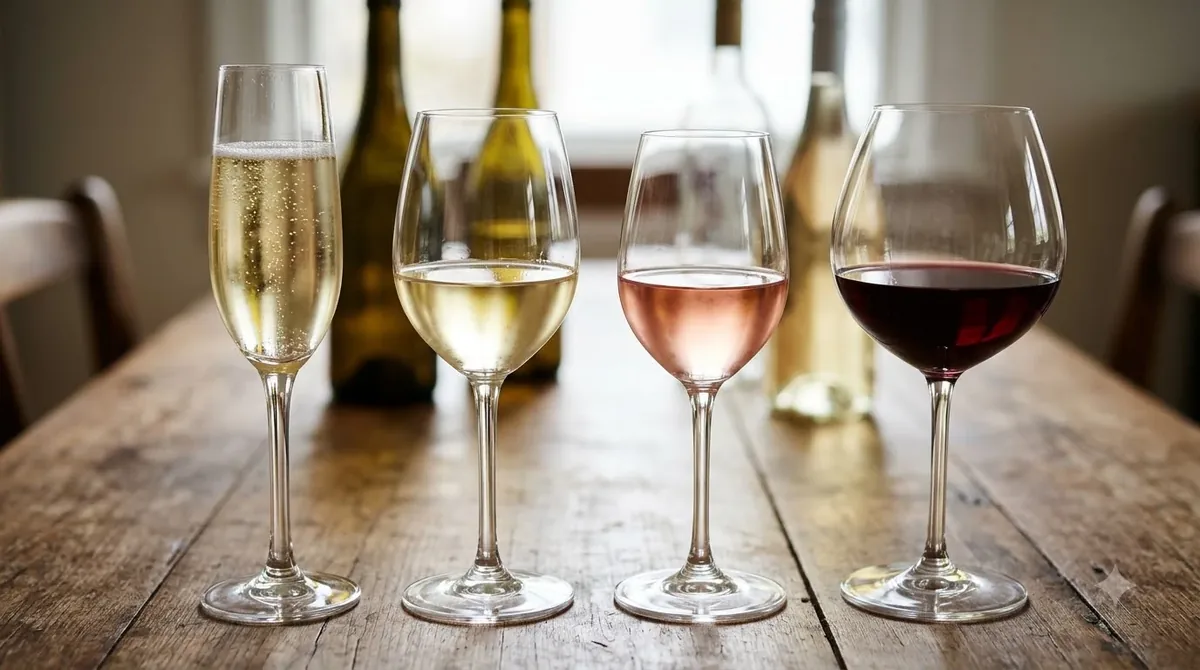
Meursault is generally described as richer than the leaner white wines of northern Burgundy. The core flavors often include buttered toast, hazelnut, ripe stone fruit and a creamy texture. Good examples are balanced by minerality and acidity, so the wine feels rounded without being heavy.
VinePair describes Meursault as a flinty, oaked style of Chardonnay, which contrasts with the crisp, minerally Chablis from further north. Those two sides of Burgundy Chardonnay help explain why the same grape can taste so different depending on where it grows and how it is made.
| Style | Typical character | Where you see it |
|---|---|---|
| Lean, unoaked Chardonnay (like Chablis) | Green apple, pear, citrus and a chalky or mineral note | Northern Burgundy |
| Oaked Burgundian style (like Meursault) | Peach, lemon, vanilla, butter and a creamy texture | Côte de Beaune |
| Aged Burgundian Chardonnay | Hazelnut, toasted nut, honey and mushroom notes | Mature bottles from good vintages |
How Winemaking Shapes Meursault
Oak, malolactic fermentation and aging on the lees are the three winemaking choices that most change how Meursault tastes. Wine Folly’s Chardonnay guide describes the same effects in detail. Oak adds vanilla, creamy notes and a touch of spice, and the character changes with barrel size, oak type, toast level and aging time. Some producers use mostly French oak, which adds subtle spice, while others use a higher proportion of new wood.
Malolactic fermentation converts sharp malic acid into softer lactic acid, which makes the wine rounder and creamier. A compound called diacetyl is largely responsible for the buttery aroma that many people associate with the style. Lees stirring, known as bâtonnage, can add brioche, dough and biscuit flavors, which contribute to the texture of a good Meursault.
Time on the lees and in bottle matters as well. Young Meursault often shows fresh fruit and oak, and bottle age brings out nutty, honeyed and savory notes. The most structured examples can improve for several years, while simpler bottles are best enjoyed earlier.
How to Serve Meursault
Serving temperature changes how a Meursault tastes. Wine Folly suggests serving oaked Chardonnay at around 55 degrees Fahrenheit (12 degrees Celsius), which is cool enough to keep the wine fresh while still letting its texture show. Leaner, unoaked styles are better a little colder, around 45 degrees Fahrenheit (7 degrees Celsius), so their acidity stays lively.
Use a white wine glass with a moderate bowl so the aromas gather without being muted. Decanting is not usually needed for young Meursault, although a short rest in the glass can help the wine open up. If the bottle has been in the refrigerator, take it out about fifteen minutes before you pour so the flavors can develop.
Tip: If a bottle tastes closed or very tight when first poured, give it time in the glass. Oaked whites often open as they warm slightly, showing more fruit and texture.
Food Pairings for Meursault
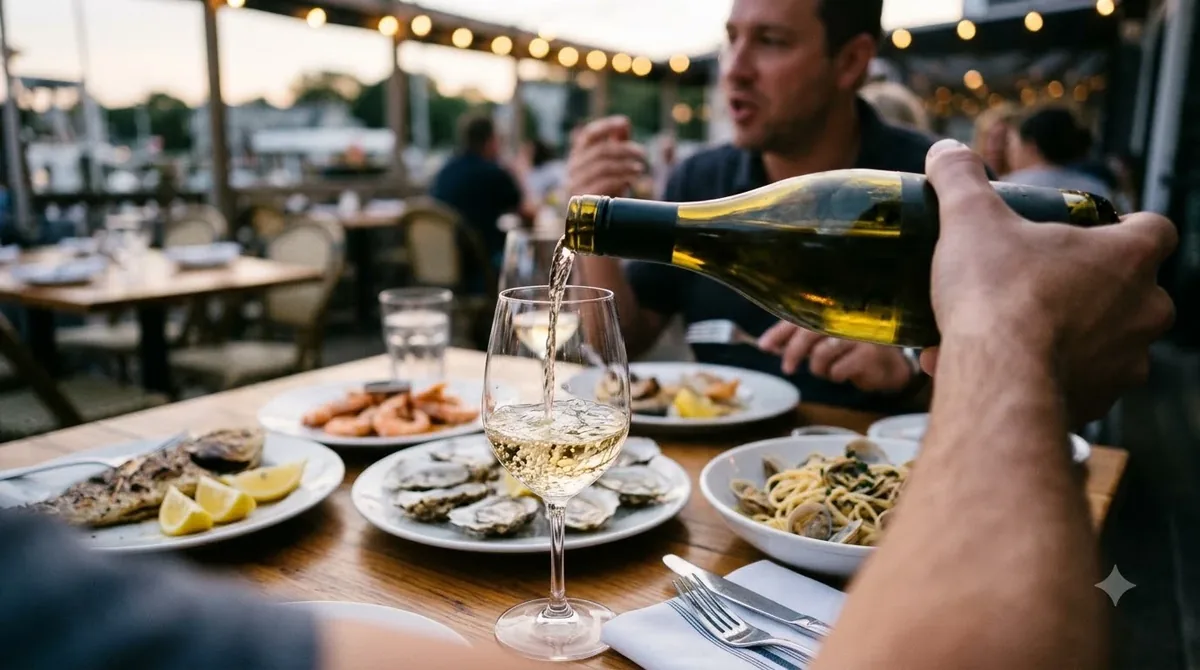
The richness of a Meursault makes it a good partner for dishes with creamy sauces, roast poultry and fish with buttery or nutty flavors. Roast chicken with lemon and herbs is a classic match, and so is halibut or other firm white fish cooked in butter. Wine Folly also suggests pairing oaked Chardonnay with crab cakes, linguini with clams and pork tenderloin with apples.
For vegetarian meals, rich or starchy vegetables such as corn, squash and pumpkin work well, and mushroom dishes are a particularly good match for the wine’s savory edge. Lighter, lean styles suit shellfish and oysters better than the fuller Meursault, so match the wine’s weight to the dish.
How to Choose a Meursault
Meursault bottles come in several levels, from village wines that show the general style to premier cru bottles from named vineyards. The label tells you which one you have, and it is worth reading the back label or producer notes to learn about the vineyard and winemaking approach. A bottle from a respected producer usually gives a clearer picture of the village’s character.
Vintage also matters. Growing conditions vary from year to year, so the same producer can make wines with different levels of richness and freshness. Check the producer’s description or a trusted critic’s notes before you buy an older bottle, since a mature wine can be very different from a young one.
If you enjoy Meursault and want to explore further, try an oaked Chardonnay from another region. Comparing styles side by side is a good way to see how the Burgundy approach differs from warmer climates. For example, our guides to Calistoga vineyards and Arizona vineyards cover regions where Chardonnay is also grown in a warmer setting.
Frequently Asked Questions
Is Meursault made from Chardonnay?
Yes. Meursault is a white wine made from Chardonnay grown in the village of Meursault in the Côte de Beaune. It is one of the best-known expressions of the grape in Burgundy.
What does Meursault taste like?
Meursault is usually rich and creamy, with flavors of buttered toast, hazelnut and ripe stone fruit. Good examples also have minerality and acidity, so the wine feels balanced rather than heavy.
Should Meursault be served chilled?
Yes, but not very cold. Oaked styles are usually best at around 55 degrees Fahrenheit, which keeps the wine fresh while letting its texture come through.
How long can Meursault be aged?
Simpler bottles are best enjoyed within a few years of release. Structured examples from good producers and vintages can age for much longer, developing hazelnut, honey and mushroom notes. Check the producer’s notes for guidance on a specific bottle.
Meursault is a rewarding wine to learn about, because it shows how Chardonnay, oak and village character come together. For more on how regions shape their wines, see our guide to Wine Regions.
More in Wine Regions
 Willcox Wine Trail: Discover Arizona’s High-Elevation Wine CountryUpdated Nov 20, 2026
 Yakima Valley Wine Region: Find the Best Styles to TryUpdated Nov 20, 2026
 Vosne Romanee Wine Tasting: Identify Aromas and Choose Better PairingsUpdated Nov 20, 2026
 Yakima Valley Wine Festival: Find the Best Seasonal Wine EventsUpdated Nov 20, 2026
 Wales Vineyards: Discover Cool-Climate Wines and Where to VisitUpdated Nov 20, 2026
 Yountville Wine Festival: Discover Napa Wines and Local FoodUpdated Nov 20, 2026