

We may earn a commission when you buy through links on this page, at no extra cost to you. Learn more.
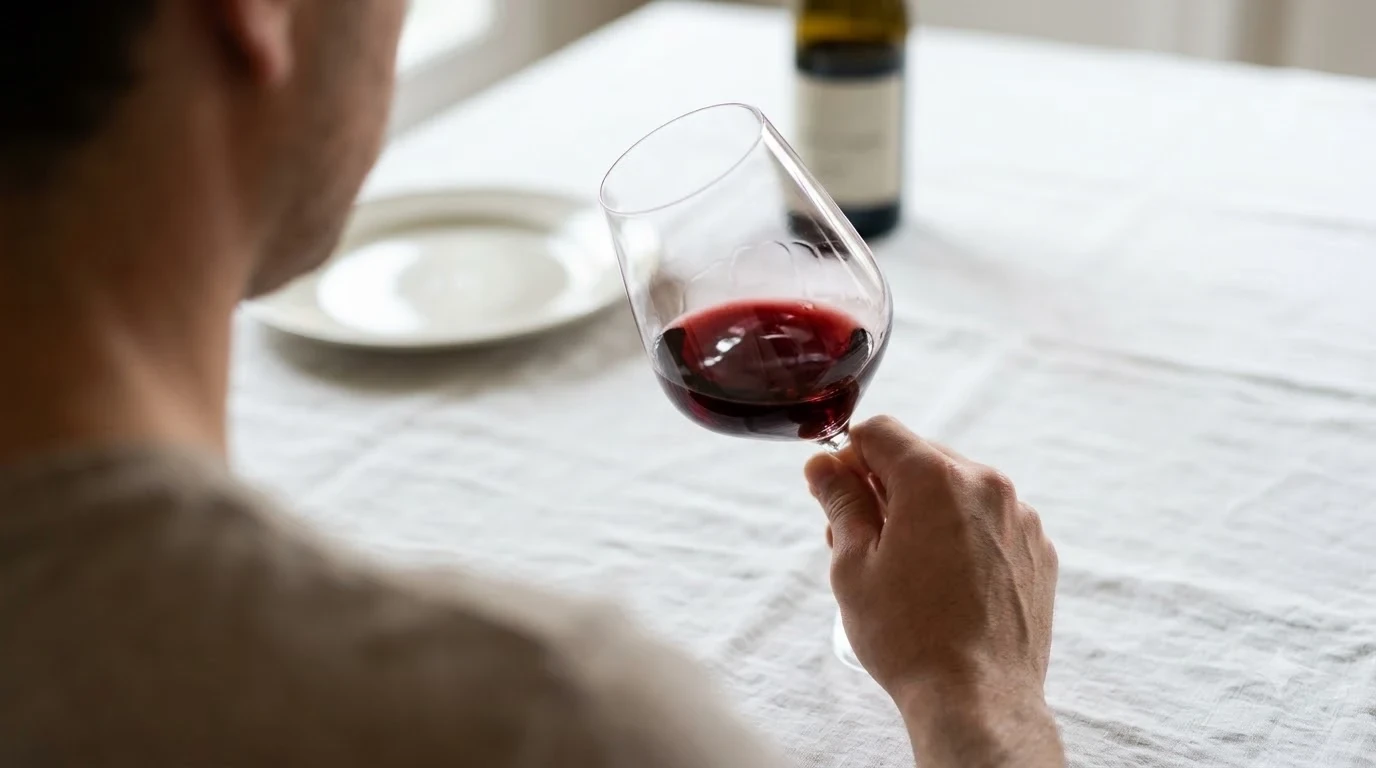
Should merlot be chilled? Most merlot is best served slightly cool, around 60-68°F, rather than cold from the refrigerator. That range lets the plum and cherry fruit show clearly while keeping the alcohol from tasting sharp. A short stay in the refrigerator is usually enough to bring a warm bottle into the right zone.
Merlot is one of the most approachable red wines, so many people wonder whether it belongs in the fridge with the whites. This guide explains the right serving temperature, quick ways to cool a bottle, and how to handle breathing, opening and storage. The short version is simple. Merlot is a red wine, so it should be cool rather than chilled. Once you understand why, the rest of the decisions become much easier to make at the dinner table.
Merlot Serving Temperature
Merlot is usually served a little below room temperature. The commonly cited range is 60 to 68 degrees Fahrenheit, or about 15 to 20 degrees Celsius. Serving in that window lets the fruit come forward without letting the alcohol dominate the aroma. Many drinkers find that this single change makes a bottle taste fuller and more balanced.
The Wine Folly temperature guide says red wines generally taste best slightly cooler than room temperature, in the 62 to 68 degree range. It places bold reds in a slightly cool band of 60 to 68 degrees, and it describes lighter reds as cool at a little lower temperature. Merlot falls into the bolder group for most drinkers, though the exact style on your glass matters too.
| Wine style | Suggested range | What it does for merlot |
|---|---|---|
| Lighter, medium-bodied reds | 55-60°F | Keeps the wine fresh and lifted |
| Bold reds, including many merlots | 60-68°F | Balances ripe fruit with a softer alcohol feel |
| Warm-climate, ripe merlot | Lower end of 60-68°F | Helps keep the fruit clean and the body from feeling heavy |
Many American homes run warmer than this range, especially in summer. A merlot left on the counter for an evening dinner can drift above the ideal zone. That is why a short cooling step often makes a noticeable difference, even for a wine that is not meant to be served cold. Think of the target as a gentle cool, the same feeling you would expect from a cellar rather than a fridge.
Quick Ways to Chill Merlot
Chilling merlot is about taking the edge off, not making it icy. A brief stop in the refrigerator or an ice bath is usually all you need. Check the bottle by hand before you pour, and aim for a cool feel rather than a cold one. Small adjustments are easier to make than trying to fix an overcooled bottle later.
- Place the bottle in the refrigerator for a short period, then check it by touch. Red wine cools faster than many people expect, so checking early avoids overcooling.
- Fill a bucket with ice and a little water, then set the bottle in it for a short time. The water carries cold to the glass more efficiently than air does.
- Pour a small test glass and swirl it. If the aroma of alcohol is sharp or hot, give the bottle a few more minutes to cool.
Avoid the freezer. It is easy to forget a bottle there, and freezing can damage the wine and crack the glass. Cooling by refrigerator or ice is safer and gives you more control over the final temperature. If the bottle is already too cold, let it sit on the counter for a few minutes before pouring.
If you are also planning white wine, the approach is different. Crisp whites such as sauvignon blanc are served much cooler, and the question of should sauvignon blanc be chilled comes up often for that reason. Merlot needs a lighter touch than that, so keep the two styles separate in your mind.
Does Merlot Need to Breathe?
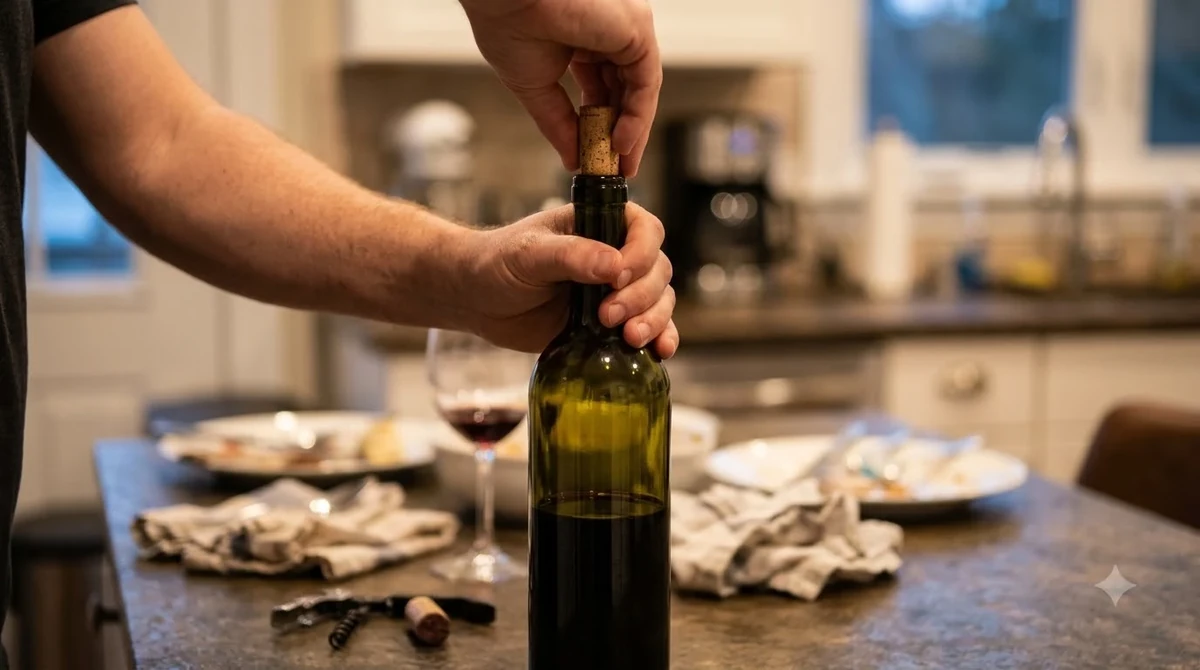
Merlot benefits from air, but it does not always need a long wait. Opening the bottle and pouring into a large glass gives the wine some contact with oxygen. Decanting can help more, especially with a bottle that has been aged or looks cloudy. The goal is to let the aromas open gradually rather than all at once.
The Wine Folly Merlot guide suggests decanting for about 30 minutes before serving so the wine can open up fully. It also notes that a large wine glass helps the aromas reach your nose. Those two steps are the easiest way to get more from a bottle without special equipment, and they cost nothing extra.
Young, fruit-forward merlot usually opens quickly in the glass. Older or more structured bottles may need more time and gentle handling. If a bottle has sediment, pour slowly and stop before the dregs reach the neck. A little patience at this stage usually pays off in a cleaner, more pleasant glass.
How Long Does Merlot Last After Opening?
An opened merlot does not last indefinitely, and the answer depends on the style and how well you reseal it. Everyday bottles lose their freshness faster than structured, age-worthy wines. Check the producer’s label or website for specific advice on your bottle, since those notes are the most reliable guide.
A common rough window for an open merlot is a few days. Recork or cap the bottle tightly after each pour, and keep it cool between glasses. Heat and air are the two main reasons an open red starts to taste flat or dull. A bottle left on a sunny windowsill will fade much faster than one kept in a cupboard.
Signs of decline include a dull aroma, flat fruit, or a sharp, vinegar-like smell. If the wine tastes unpleasant, it is best to pour it out rather than force yourself through the rest of the bottle. Keeping leftovers for cooking is a practical option if the flavor has faded a little, since many home cooks use older red wine in sauces and stews.
How to Store Merlot
Storage matters for both unopened and opened bottles. Stable, cool conditions help wine age slowly and keep its flavor. Constant heat, direct sunlight, and big temperature swings do the most damage over time. A little planning at home can protect a bottle you plan to enjoy weeks or months later.
Wine Folly’s temperature guide points out that cellar temperatures help wines last longer. A closet away from heat sources, a basement, or a dedicated wine fridge all work well. Store bottles on their sides if they have corks, so the cork stays moist and sealed. Keep bottles away from the stove, the dishwasher, and any appliance that gives off heat.
Be careful about keeping reds in the refrigerator for long periods. The same guide notes that reds served too cold can taste muted, so the fridge is best for short cooling rather than long storage. Crisp whites are different, since the refrigerator is where those wines usually live. If you want to compare, the question of should pinot grigio be chilled is answered very differently from merlot.
Frequently Asked Questions
Is it wrong to serve merlot cold?
Serving merlot very cold is not dangerous, but it usually mutes the fruit and makes the wine taste thin. A slightly cool serve around 60-68°F generally shows more of merlot’s plum and cherry character. Personal taste still matters, so try a few temperatures and see what you prefer.
Should I put merlot in the fridge before dinner?
A short time in the refrigerator can help a warm bottle reach a cooler, more balanced temperature. Check the bottle by touch and pour a test glass before serving. Avoid leaving it in the fridge for long periods, since very cold red wine loses aroma.
Does merlot need to breathe before drinking?
Many merlots taste better after some air, and decanting for about 30 minutes is a common approach. Pouring into a large glass also helps the aromas develop. Younger, fruit-forward bottles often open quickly, while older bottles may need gentle handling.
How should I store an open bottle of merlot?
Reseal the bottle tightly after each pour and keep it cool, away from heat and direct sunlight. Most everyday merlot is best finished within a few days. If the wine smells flat or sharp, it is past its best and should be poured out.
Merlot is most enjoyable when it is slightly cool, not icy, and it rewards a little patience with air. Use the temperature range as your starting point, then adjust to your taste. Enjoy the wine responsibly, and share it with people who want the same relaxed experience. To explore more about how different grapes are served, visit the Wine by Type section.
More in Wine Types & Grapes
 Zinfandel Sugar Content: Dry Red vs. White Zinfandel GramsUpdated Nov 21, 2026
 Best Zinfandel Substitute Options for Sipping and CookingUpdated Nov 21, 2026
 Zweigelt Food Pairing: Best Dishes, Cheeses, and Serving TipsUpdated Nov 21, 2026
 Zinfandel Tannins Explained: How Structure Shapes Every BottleUpdated Nov 21, 2026
 Zinfandel Sweetness Level: Dry Red vs. Sweet White Zin ExplainedUpdated Nov 21, 2026
 Xinomavro Food Pairing: Best Dishes, Styles, and Serving TipsUpdated Nov 21, 2026