

We may earn a commission when you buy through links on this page, at no extra cost to you. Learn more.
A merlot cocktail combines Merlot red wine with ingredients such as fresh fruit, citrus juice, sparkling water, or spirits to create a balanced, fruit-forward drink. Merlot’s naturally soft tannins and flavors of plum, cherry, blackberry, and cocoa make it a versatile foundation for sangria, wine spritzes, and spirit-based cocktails. Choose a dry, fruit-forward bottle, balance its richness with acidity, and adjust the sweetness to suit the finished drink.
Merlot is usually enjoyed as a straightforward red wine, but its approachable texture makes it useful behind the bar, too. It can contribute dark-fruit character to a refreshing pitcher drink, add depth to a bourbon sour, or provide the base for a simple sparkling cocktail. The best approach depends on the wine’s body, the other ingredients, and whether you want a light aperitif or a richer drink for dinner. Here is how to choose Merlot, build balanced recipes, and serve each style successfully.
What Makes Merlot Suitable for Cocktails?
Merlot works particularly well in cocktails because it combines ripe fruit flavors with relatively soft tannins and moderate acidity. Its texture gives mixed drinks more depth than many lighter red wines without making every combination taste aggressively dry or astringent.
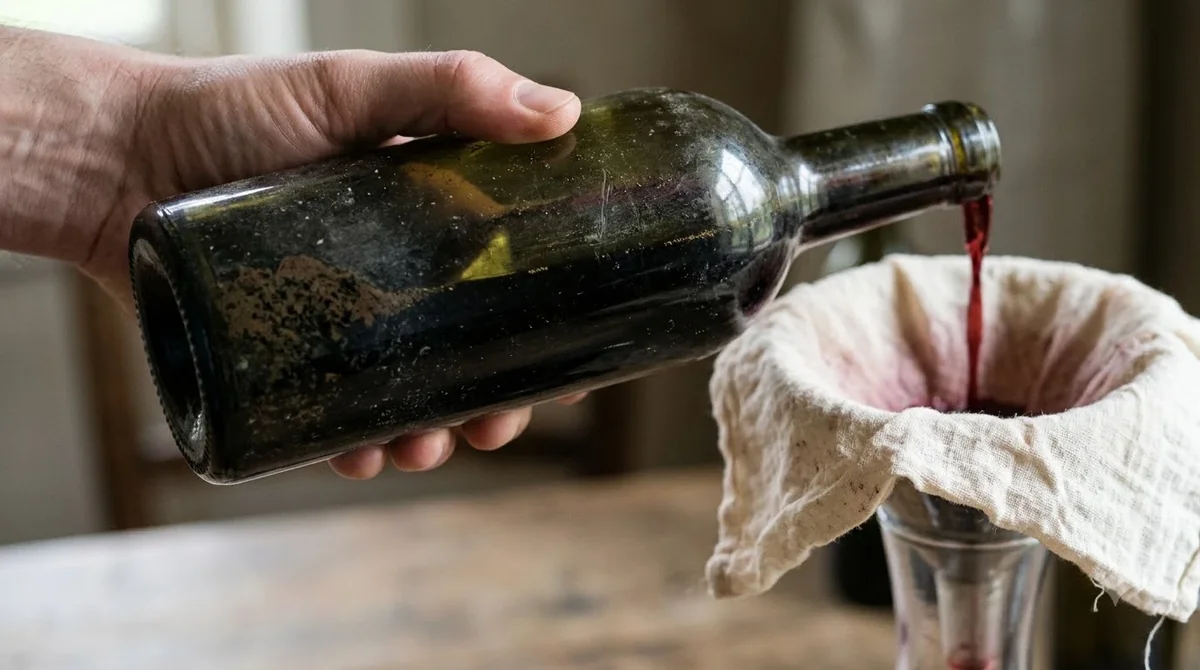
The grape is associated with Bordeaux, especially the Right Bank appellations of Saint-Émilion and Pomerol. It is also widely planted in California and Chile. These different growing environments produce wines with varying levels of ripeness, structure, and alcohol, so two bottles labeled Merlot can behave differently in the same recipe.
Typical Merlot flavors include black cherry, plum, blackberry, blueberry, and cocoa. Some bottles also show vanilla, cedar, clove, tobacco, or herbal notes, particularly when oak aging contributes additional complexity. These characteristics provide several useful directions for cocktail ingredients.
For example, black cherry and plum complement orange, blackberry, and dark berry syrups. Herbal Merlot can work with rosemary, thyme, or a small amount of aromatic bitters. Oak-influenced examples can support bourbon, cinnamon, and maple syrup without losing their wine character.
Merlot is generally a dry wine, even when its ripe fruit flavors seem sweet. This distinction matters when mixing drinks because a cocktail that starts with dry wine needs an appropriate sweetener rather than relying on fruit aromas to provide actual sugar.
Its moderate tannins also make it more adaptable than a heavily structured Cabernet Sauvignon. However, tannin does not disappear when Merlot enters a cocktail. Concentrated citrus, bitter mixers, and strong spirits can make a tannic wine seem even more pronounced.
Alcohol content deserves attention as well. Wine Enthusiast describes cooler-region Merlot as commonly reaching 13–14% ABV, with warmer-climate examples sometimes approaching 14.5%. Adding vodka, bourbon, brandy, or another spirit increases the finished drink’s alcoholic strength.
For a refreshing cocktail, use a medium-bodied Merlot with bright fruit and moderate oak influence. For a more substantial drink, choose a fuller example with darker fruit and enough structure to stand alongside whiskey or brandy.
Choosing the Right Merlot Bottle and Ingredients
The best Merlot for a cocktail is usually dry, fruit-forward, and reasonably balanced, rather than an expensive bottle intended for extended aging. Look for recognizable cherry, plum, or blackberry flavors, and avoid wines with unusually strong oak or aggressive tannins if the recipe contains several competing ingredients.
Start by considering the style of Merlot. A lighter, fresher example from a cooler growing area can work particularly well in a chilled spritz. A richer California or Chilean Merlot may suit sangria, dark-fruit combinations, and whiskey-based recipes.
For a first attempt, a straightforward Merlot from California is a practical option. It often supplies the ripe fruit character needed to stand up to orange, berries, and moderate amounts of sweetener. Bordeaux Merlot can offer a more restrained, savory profile that works with herbs, citrus, and spirit-forward preparations.
Think about the role of each additional ingredient rather than adding several sweet components at once.
- Citrus: Lemon and lime juice provide acidity that balances ripe fruit and sweeteners.
- Orange: Orange juice, orange peel, and orange liqueur complement plum and cherry flavors.
- Fresh berries: Blackberries, raspberries, and cherries reinforce Merlot’s natural fruit profile.
- Stone fruit: Peaches and plums provide a softer, rounder flavor for sangria.
- Herbs: Rosemary, mint, and thyme add aromatic contrast.
- Spices: Cinnamon and a small amount of clove work particularly well in autumn-style drinks.
- Sparkling mixers: Soda water adds freshness without introducing much additional sweetness.
- Spirits: Bourbon and brandy complement the darker fruit and oak characteristics of fuller-bodied Merlot.
Sweeteners should be selected according to the fruit and wine combination. Simple syrup dissolves easily in cold drinks, while maple syrup provides a deeper flavor that works with bourbon and oak-influenced Merlot. Agave syrup is another option, especially when lime is part of the recipe.
Use fresh citrus rather than relying entirely on bottled juice. Lemon juice contributes a clean, direct acidity, while orange juice gives a rounder impression. If the wine already has pronounced ripe fruit flavors, begin with a modest amount of sweetener and increase it only after tasting the mixture.
Tip: Chill your Merlot before preparing a cocktail, and taste it on its own first. A wine that already tastes particularly ripe or soft may need less syrup, while a more structured example may benefit from additional fruit and gentle dilution.
Understanding the grape’s regional background can also help with selection. Readers interested in the grape’s origins can explore where Merlot is from before comparing different regional styles.
Three Merlot Cocktail Recipes to Make at Home
Merlot can form the main ingredient in a simple wine cocktail or work alongside a stronger spirit. These three recipes cover different styles: a sparkling single-serving drink, a fruit-based pitcher, and a bourbon sour with a richer finish.
1. Merlot Berry Spritz
This is the simplest recipe for anyone who wants to enjoy Merlot in a lighter format. Bubbles and citrus make the wine feel fresher, while berries reinforce its natural fruit character.
Ingredients for one serving:
- 3 ounces dry Merlot
- 2 ounces chilled soda water
- 1 ounce fresh orange juice
- 1/2 ounce fresh lemon juice
- 1/4 ounce simple syrup, optional
- 3 fresh blackberries
- Orange slice for garnish
- Ice
Instructions:
- Place the blackberries in a wine glass and gently press them to release some juice.
- Add the Merlot, orange juice, and lemon juice.
- Fill the glass with ice and stir gently.
- Add simple syrup if the mixture needs additional sweetness.
- Top with chilled soda water and stir once more.
- Garnish with an orange slice and one additional blackberry.
The result should taste like a fresh red-fruit drink rather than a glass of heavily sweetened wine. Adjust the soda water to create a lighter or more wine-forward finish. For additional fragrance, express a strip of orange peel over the glass before adding it as a garnish.
2. Merlot Citrus Sangria
Sangria is a natural format for Merlot because the wine can combine with fruit, citrus, and a sparkling mixer in a pitcher. It is particularly useful for gatherings because the ingredients can be prepared ahead of serving.
This recipe uses the basic structure of red sangria, with Merlot providing a softer fruit profile.
Ingredients for approximately six servings:
- 750 ml dry Merlot
- 1 medium orange, thinly sliced
- 1 medium apple, cored and chopped
- 1 cup fresh pineapple chunks
- 1/2 cup orange juice
- 1/4 cup brandy, optional
- 1/4 cup simple syrup, adjustable
- 1 cup chilled sparkling water or orange soda
- 1/2 lemon, thinly sliced
- Ice for serving
Instructions:
- Pour the Merlot into a large pitcher.
- Add the orange juice, brandy if using, and simple syrup.
- Add the orange, apple, pineapple, and lemon slices.
- Stir until the ingredients are evenly combined.
- Refrigerate for at least 30 minutes to allow the fruit flavors to develop.
- Add the sparkling water or orange soda shortly before serving.
- Pour into ice-filled glasses, distributing some of the fruit into each serving.
The sweetness depends on the orange soda, the ripeness of the fruit, and the wine itself. If the finished sangria tastes too sweet, add more sparkling water and a small amount of fresh lemon juice. If it seems too dry, add simple syrup in small increments.
VinePair’s traditional sangria recipe uses a bottle of dry red wine, one cup of orange soda, two apples, pineapple, and two oranges. It also recommends allowing the ingredients to sit for at least 15 minutes before serving. You can read its traditional red sangria recipe for another approach to the pitcher format.
3. Merlot Bourbon Sour
A bourbon sour offers a more concentrated alternative to sangria. Merlot contributes dark-fruit flavors, while bourbon provides warmth, maple syrup adds richness, and lemon juice supplies the acidity needed to balance the drink.
The combination takes inspiration from the Bordeaux Sour, which uses red Bordeaux wine in a bourbon-based recipe.
Ingredients for one serving:
- 2 ounces bourbon
- 1 ounce dry Merlot
- 1 ounce freshly squeezed lemon juice
- 1/2 ounce maple syrup
- 2 dashes orange bitters
- 1 maraschino cherry
- Ice
Instructions:
- Place the cherry and maple syrup in a cocktail shaker.
- Gently muddle the cherry to release its flavor.
- Add bourbon, Merlot, lemon juice, and orange bitters.
- Fill the shaker with ice.
- Shake firmly until the mixture is thoroughly chilled.
- Double-strain into a rocks glass filled with fresh ice.
- Garnish with a maraschino cherry.
This drink should have a recognizable bourbon character, with Merlot adding fruit and color rather than overwhelming the spirit. If it tastes too tart, add a little more maple syrup. If it feels heavy or overly sweet, a small additional measure of lemon juice can restore balance.
The original Bordeaux Sour recipe published by Liquor.com uses one tablespoon of maple syrup, two ounces of bourbon, one ounce of Bordeaux red wine, one ounce of lemon juice, and five dashes of orange bitters. Its preparation also includes muddling a maraschino cherry before shaking the ingredients together. The Bordeaux Sour recipe provides a useful reference for this style of wine-and-whiskey cocktail.
How to Balance Sweetness, Acidity, and Tannins
A successful Merlot cocktail depends on balancing three main elements: sweetness, acidity, and tannin. Merlot generally has moderate acidity and relatively soft tannins, so the other ingredients should complement rather than overwhelm those characteristics.
Sweetness is the easiest element to adjust. Simple syrup, maple syrup, orange soda, fruit juice, and liqueurs can all add sugar. However, using several sweet ingredients together can make a drink heavy and mask the wine’s natural fruit flavors.
Start with a small amount of sweetener. For an individual drink containing 3 ounces of Merlot, 1/4 ounce of simple syrup is a sensible starting point. A sour-style cocktail may need approximately 1/2 ounce of maple syrup, depending on how much lemon juice it contains.
Acidity is equally important. Lemon and lime juice provide a sharp contrast to ripe plum and blackberry flavors. Orange juice is less aggressive and can work better when the wine already has noticeable acidity. If the finished drink contains acidic ingredients, sweetness should be adjusted without eliminating the refreshing character.
Tannins require a different approach. Merlot is generally softer than Cabernet Sauvignon, but a particularly structured bottle can still create a drying sensation. Excessive bitterness from bitters or strongly tannic ingredients may make that sensation more noticeable.
When using a firmer Merlot, try fruit-forward ingredients such as orange, cherry, and blackberry. Avoid adding too much concentrated bitter liqueur. A small amount of soda water can also soften the overall impression by adding dilution.
Use the following guide when adjusting a recipe:
| Ingredient or feature | Starting quantity | Purpose |
|---|---|---|
| Merlot | 3 oz | Provides the wine base |
| Fresh lemon juice | 0.5–1 oz | Adds acidity |
| Simple syrup | 0.25–0.5 oz | Adjusts sweetness |
| Soda water | 2–3 oz | Adds bubbles and dilution |
| Orange juice | 0.5–1 oz | Contributes fruit and sweetness |
| Bourbon | 1.5–2 oz | Creates a spirit-forward drink |
| Orange bitters | 1–5 dashes | Adds aromatic bitterness |
These are recipe-building starting points rather than mandatory proportions. A sparkling Merlot drink needs more dilution than a sour, while a pitcher of sangria benefits from fruit and sufficient resting time.
One useful technique is to make the drink without its final sweetener first. Add the wine, citrus, and other main ingredients, stir or shake, and taste. Then introduce the sweetener gradually until the fruit and acidity are in balance.
Another consideration is alcohol. Merlot already contains alcohol, and adding bourbon or brandy creates a stronger cocktail. For a lighter drink, use soda water rather than additional spirits. For a richer cocktail, keep the spirit portion measured instead of pouring freely.
Serving Temperature, Glassware, and Food Pairings
Merlot cocktails are generally best served chilled, even though traditional Merlot wine is not served as cold as white wine. A temperature around 45–50°F works well for a refreshing sparkling preparation, while a spirit-forward cocktail can be served over fresh ice in a rocks glass.
For a standard glass of Merlot, Wine Enthusiast recommends a serving temperature of 60–65°F. That temperature allows the wine’s fruit and aromatic characteristics to remain noticeable without making its alcohol seem overly prominent.
Mixing changes the serving requirements. A Merlot spritz should be cold enough to maintain its refreshing quality, and its soda water should be chilled before use. Sangria also benefits from refrigeration before serving, especially when it contains sliced fruit that has been sitting in the wine.
Glassware should reflect the cocktail’s style:
- Wine glass: Best for Merlot spritzes and lighter sparkling preparations.
- Highball glass: Suitable for cocktails containing soda water and plenty of ice.
- Rocks glass: Works well for a bourbon-based Merlot sour.
- Pitcher: Convenient for sangria prepared for several guests.
Food pairings should account for the ingredients in the finished cocktail, not just the wine. Merlot’s ripe fruit and soft tannins are compatible with a broad range of savory foods, but a cocktail containing orange soda or maple syrup will taste different alongside dinner than a dry glass of red wine.
For a Merlot berry spritz, try grilled chicken, roasted vegetables, mild cheeses, or mushroom bruschetta. The fresh fruit and bubbles provide contrast without overpowering relatively delicate dishes.
Merlot sangria pairs nicely with grilled pork, roasted turkey, chicken skewers, and dishes containing tomatoes or roasted peppers. The fruit in the pitcher gives it enough sweetness to work with mildly spicy foods, although very hot chili preparations can make alcoholic drinks seem more intense.
A Merlot bourbon sour is better suited to richer foods. Beef sliders, roasted mushrooms, barbecue pork, and aged hard cheeses can complement its dark fruit, bourbon, and maple notes.
Salt and fat can soften the perception of tannin in red wine. This is one reason why richer dishes such as beef and pork can work well with a Merlot-based cocktail. However, avoid pairing a tannic red wine drink with delicate oily fish, which can create an unpleasant combination.
For additional ideas, explore the broader Wine by Type collection to understand how different grape varieties behave alongside food and other ingredients.
Preparing, Storing, and Customizing Merlot Cocktails
Preparation makes a noticeable difference to the quality of a Merlot cocktail. Wine, citrus, fruit, sweeteners, and sparkling mixers each behave differently after mixing, so the best preparation method depends on whether you are making a single serving or a large batch.
For individual drinks, measure the ingredients before adding ice. This makes it easier to control the proportions and repeat a successful recipe. Fresh citrus should be squeezed close to preparation time, and sparkling water should be added near the end to preserve carbonation.
Sangria is more flexible because it benefits from resting. Combine the wine, fruit, and non-carbonated ingredients in advance, then refrigerate the pitcher. A resting period of at least 30 minutes gives the flavors time to combine. Add sparkling water shortly before serving so the bubbles remain lively.
Using leftover Merlot
Leftover wine is especially useful for cocktails because the recipe usually combines it with fresh ingredients and additional flavors. A small amount of Merlot can become a single spritz, while a larger quantity can be used for sangria.
Wine Enthusiast recommends recorking opened Merlot and storing it in the refrigerator, where its flavors can remain fresh for approximately 2–4 days. Refrigeration slows oxidation, although the wine’s aroma and fruit character will gradually change after opening.
Before mixing leftover wine, smell it and taste a small amount. Wine that has developed an unpleasant vinegar-like smell or noticeably stale character is unlikely to improve in a cocktail. Sweeteners and spirits should not be used to disguise wine that has deteriorated.
Making a pitcher in advance
For a gathering, prepare the still ingredients in a covered pitcher and keep it refrigerated. Slice apples, oranges, and other firm fruit into relatively consistent pieces so they are easy to distribute between glasses.
Do not add ice directly to the pitcher too early. As it melts, the water dilutes the wine and changes the balance of the recipe. Instead, add fresh ice to individual glasses immediately before serving.
Similarly, avoid adding soda water or sparkling mixers several hours before serving. Carbonation escapes gradually, leaving the drink flatter than intended. Keep the sparkling component separate and pour it into the pitcher just before guests arrive.
Simple ways to customize the flavor
Once the basic recipe works, small changes can create different seasonal versions without requiring a completely new set of ingredients.
- Summer: Combine Merlot with blackberries, orange, lemon, and soda water.
- Autumn: Use apple slices, cinnamon, maple syrup, and a small amount of brandy.
- Winter: Combine Merlot with orange peel, a little clove, and warming spices for a gently heated wine cocktail.
- Spring: Add fresh strawberries, mint, lemon juice, and sparkling water.
For a heated version, warm the wine gently with the other ingredients rather than bringing it to a boil. Excessive heat can drive off aromatic compounds and make the alcohol seem more pronounced. Add citrus carefully and taste before introducing additional sweetener.
Another way to change the drink is to use a different wine style. Merlot provides dark-fruit character and moderate tannin, whereas a Riesling-based drink offers a brighter, often more aromatic profile. A Riesling cocktail is a useful alternative when you want a lighter wine-based drink with more pronounced acidity.
For a richer after-dinner variation, consider the different sweetness and texture of fortified wines. A tawny port cocktail offers nutty, dried-fruit characteristics that contrast with the fresher plum and cherry flavors of Merlot.
Whichever direction you choose, make one adjustment at a time. Changing the wine, spirit, citrus, and sweetener simultaneously makes it difficult to identify which ingredient is responsible for the finished flavor.
Frequently Asked Questions
Can you make a Merlot cocktail with frozen fruit?
Yes. Frozen blackberries, cherries, and raspberries work well in blended wine drinks and can help chill the mixture without requiring as much additional ice. Frozen fruit can release more liquid as it thaws, so reduce other juices slightly if the finished drink becomes too diluted.
Is Merlot suitable for a nonalcoholic cocktail?
Regular Merlot is an alcoholic wine, so combining it with juice or soda does not make the finished drink alcohol-free. For a nonalcoholic alternative, use a properly labeled alcohol-removed red wine and adjust the citrus and sweetener to compensate for differences in body and flavor. Another option is a dark grape juice-based drink with lemon and sparkling water.
Can Merlot be used in a frozen cocktail?
Yes. Merlot can be blended with frozen blackberries, orange juice, and ice to make a frozen wine drink. Start with approximately 4 ounces of wine, 1 cup of ice, and a small handful of berries for one large serving. Blend briefly and adjust the texture with a little more wine or ice as needed.
Does the grape variety have another name in French?
Merlot is also called Merlot Noir in French wine terminology. Its name is commonly translated as “the little blackbird.” The grape is also known by regional synonyms, including Merlau in some French wine-growing contexts.
Can Merlot be used in a hot wine cocktail?
Yes. Merlot can be combined with orange peel, cinnamon, cloves, and a little brandy to create a warm winter drink. Use a saucepan over low heat and avoid boiling the mixture. A medium-bodied Merlot with moderate oak influence is a practical choice because it allows the fruit and spice aromas to remain noticeable.
A Merlot cocktail is an approachable way to use the grape beyond the traditional wine glass. Start with a dry, fruit-forward bottle, balance its ripe flavors with citrus, and choose sparkling water, fresh fruit, or a measured amount of spirits according to the style you want. Whether you prefer a berry spritz, a pitcher of sangria, or a bourbon sour, Merlot offers plenty of room for well-balanced wine cocktails.
More in Wine Types & Grapes
 Zinfandel Sugar Content: Dry Red vs. White Zinfandel GramsUpdated Nov 21, 2026
 Best Zinfandel Substitute Options for Sipping and CookingUpdated Nov 21, 2026
 Zweigelt Food Pairing: Best Dishes, Cheeses, and Serving TipsUpdated Nov 21, 2026
 Zinfandel Tannins Explained: How Structure Shapes Every BottleUpdated Nov 21, 2026
 Zinfandel Sweetness Level: Dry Red vs. Sweet White Zin ExplainedUpdated Nov 21, 2026
 Xinomavro Food Pairing: Best Dishes, Styles, and Serving TipsUpdated Nov 21, 2026