

We may earn a commission when you buy through links on this page, at no extra cost to you. Learn more.
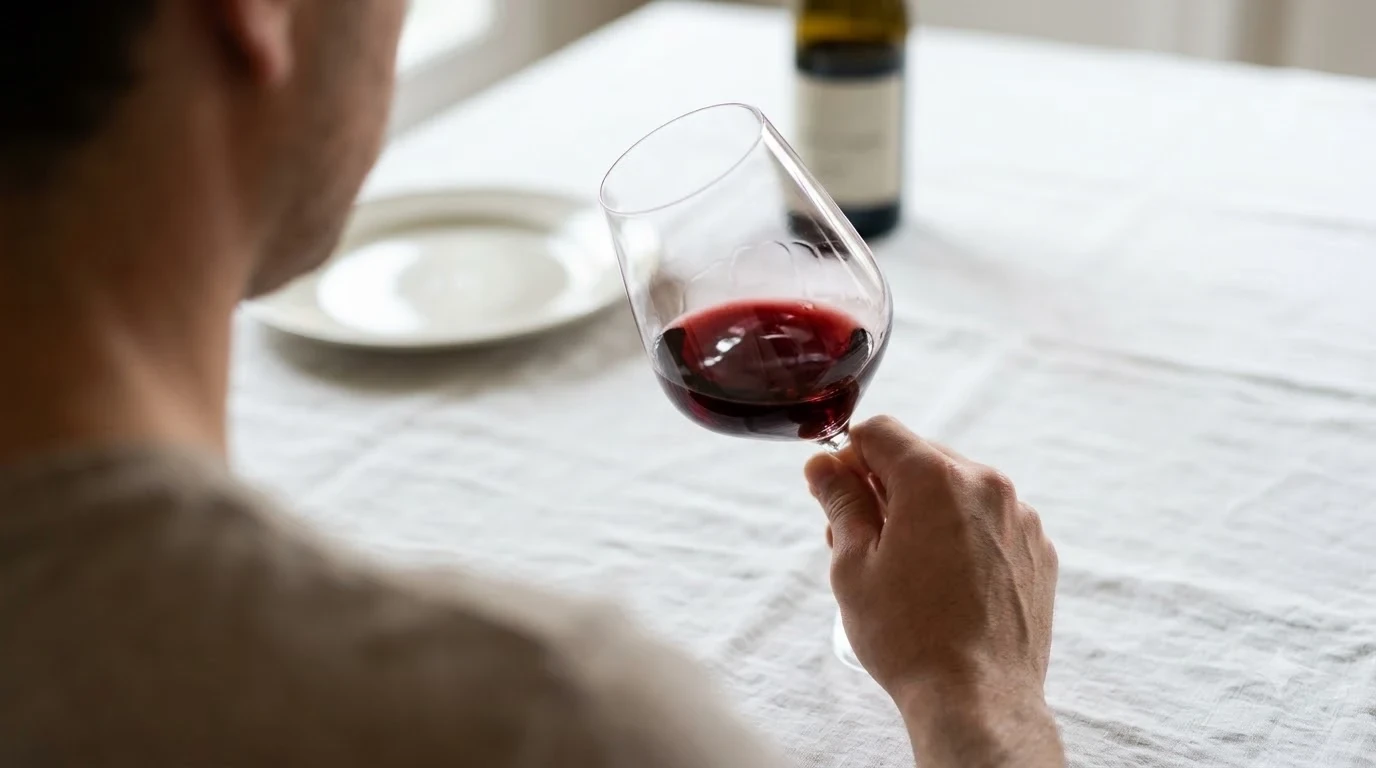
Merlot sangria is a red sangria built on a dry, soft Merlot, mixed with fresh fruit and a light sweetener. Merlot is typically described as velvety with plum and cherry flavors, so it makes a smooth, fruit-forward base. Because Merlot is dry and has moderate to high alcohol, the sangria tastes rounder than one made with a sharper red and works well for relaxed dinners.
This guide covers how Merlot behaves as a sangria base, which fruit pairs best with its plum and berry notes, how to build a balanced pitcher, and what to watch for when choosing a bottle. It also explains how the drink changes with different Merlot styles.
Why Merlot Works as a Sangria Base
Merlot is a red grape known for soft, plummy wines. Wine Folly’s Merlot grape guide describes the wines as velvety, with cherry, plum, and blackberry notes, and says the wine is dry, with no meaningful sugar left after fermentation. That dryness means every bit of sweetness in the pitcher will come from the fruit and whatever you add.
The softness of Merlot is the main reason it suits sangria. Sharper reds can overwhelm chopped fruit, while a Merlot blends into the mixture and lets peach, berry, and citrus stand out. The wine’s moderate tannins keep the drink from tasting thin, even after the fruit has soaked for a while.
Merlot Styles and What They Change
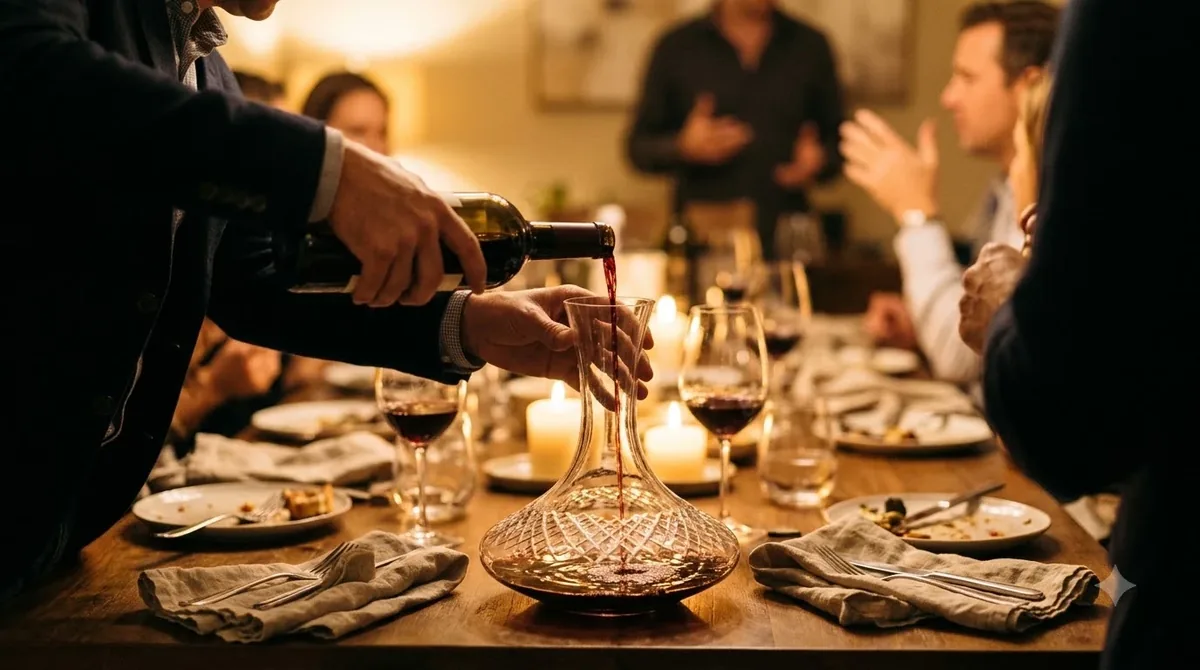
Merlot is made in several styles, and the one you choose will change the sangria noticeably. The same guide notes that cooler climates tend to produce strawberry and red-berry notes, while warmer climates lean toward baked blackberry and chocolate. A cool-climate bottle keeps the drink bright and fresh, while a warm-climate bottle makes it deeper and more jammy.
Alcohol levels also vary. Wine Folly gives a range of 13.5 to 15 percent ABV for Merlot, and the international style tends to be fuller, with higher alcohol than the traditional Bordeaux style. A higher-alcohol Merlot gives a sangria more weight, so you may want to add extra juice or a splash of sparkling water to keep the pitcher lively.
Oak aging adds its own notes. Vanilla and chocolate from barrels blend naturally with strawberries, cherries, and orange, so an oaked Merlot can make a dessert-leaning sangria. A lighter, unoaked bottle is a better match for a crisp, summery batch.
Building a Merlot Sangria
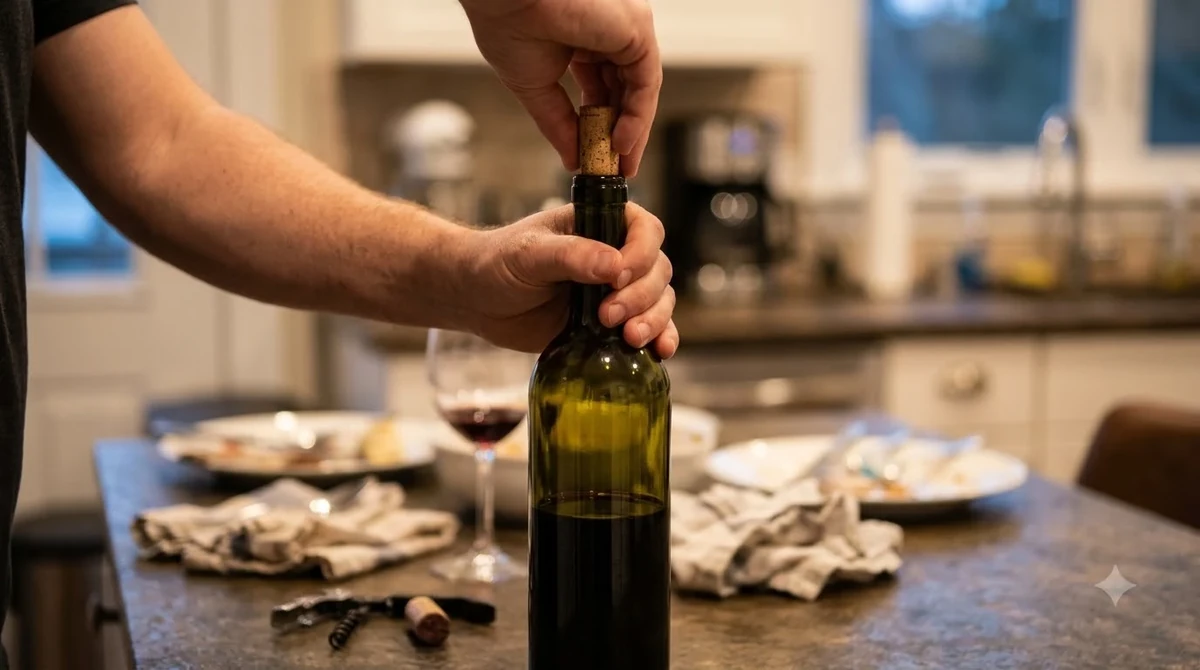
A basic pitcher uses one bottle of dry Merlot, about a cup of chopped fruit, a splash of orange juice, and a spoonful of sugar or syrup to taste. Let the mixture rest in the refrigerator for at least an hour so the fruit releases its juice and the flavors can meet. Taste before serving and adjust the sweetness in small steps, because you cannot take sugar back out once it is stirred in.
Keep the fruit cut into small, even pieces so it fits the glass and does not block the pour. A brandy or orange liqueur is a common addition in traditional recipes and adds depth, but a little goes a long way with a full Merlot. Soda water can lift a heavy mixture, and adding it just before serving keeps it bubbly.
Fruit and Sweetener Choices
Traditional sangria recipes use peaches, nectarines, berries, apples, and pears, and global versions add pineapple or lime, according to the Wikipedia overview of sangria. Several of these pair well with Merlot. Blackberries and cherries match the wine’s dark-fruit character, while peach and nectarine soften its tannins and add a summery sweetness.
Citrus is worth including. Orange juice brings out the plum and berry notes in the wine, and a few thin slices of lemon or lime add lift that keeps a full red from feeling heavy. For sweetness, plain sugar dissolved in the juice is the simplest choice. A light simple syrup blends more evenly and is easier to control.
| Merlot style | Typical profile | Sugar needed | Best fruit |
|---|---|---|---|
| Cool-climate Merlot | Red berry, bright, lighter body | Low | Strawberry, cherry, orange |
| Warm-climate Merlot | Blackberry, jammy, fuller body | Low to medium | Blackberry, peach, plum |
| Oaked Merlot | Vanilla, chocolate, spice | Medium | Cherry, apple, orange |
| Unoaked Merlot | Fresh fruit, soft tannins | Low | Berry mix, pear |
Tip: Serve Merlot sangria slightly cool rather than ice cold. Wine Folly recommends serving Merlot slightly below room temperature, around 60 to 68 degrees Fahrenheit, and that range keeps the fruit aromas noticeable in the pitcher.
Common Mistakes to Avoid
The most frequent error is over-sweetening a full-bodied Merlot. Because the wine is dry and fruity already, large amounts of sugar can make the drink syrupy. Start with a small amount and let the fruit do much of the work.
Another mistake is letting the fruit soak too long. After a day, soft berries break down and cloud the mixture, and the drink tastes stewed rather than fresh. Make the batch the same day you plan to serve it, and keep any sparkling water separate until service.
How to Choose a Bottle
Choose a Merlot you would enjoy drinking on its own. A sangria amplifies whatever the wine already has, so a flat or harsh bottle will not improve once fruit and juice are added. Cooler-climate bottles suit a lighter, brighter pitcher, while warmer-climate bottles make a deeper, richer one that works well with dinner.
Read the back label or the producer’s site for the vintage and region when you can. A recent vintage tends to taste brighter and more fruit-led, which suits a sangria, while an older bottle may show earthy, leathery notes that can clash with fresh fruit. Price is not a reliable signal here, so tasting a glass before you mix is the most useful check.
Avoid labels that promise a lot of oak if you want a clean, fruity sangria. Heavily oaked wines can overpower the fruit. Check the label for the alcohol percentage as well, since higher-alcohol Merlot can make a stronger pitcher than you expect, and plan your servings accordingly.
Food Pairings for a Merlot Pitcher
Food pairing depends on the style of Merlot you use. Wine Folly’s Merlot guide notes that fuller, Cabernet-like Merlots go well with grilled and charred meats, while softer, fruitier Merlots suit dishes such as salmon and mushroom-based recipes. A sangria made with a fuller bottle can stand up to a burger, lamb, or roasted chicken with herbs, while a lighter pitcher works better with salmon, pork, or a mushroom pasta.
Sangria itself is often served with snacks and small plates. Cured meats, aged cheeses, roasted vegetables, and bread with olive oil all complement the fruit in the pitcher. Because the drink has sugar from the fruit and juice, it also pairs well with lightly sweet dishes, although a rich dessert can overwhelm a Merlot sangria, so keep dessert simple.
Frequently Asked Questions
Is merlot sangria sweet?
It depends on what you add. Merlot is dry, so the sweetness in the pitcher comes from the fruit, juice, and any sugar or syrup. A small amount of sweetener usually balances the wine nicely without making the drink heavy.
Can I use a cheaper Merlot for sangria?
A budget Merlot can work as long as it tastes clean and fruity on its own. Fruit and juice will mask some small flaws, but harsh or sour wine will still come through, so taste the bottle before you mix it.
Should I chill merlot sangria before serving?
A chill helps, but serving Merlot ice cold can mute its aromas. Aim for a slightly cool temperature, and add ice to individual glasses rather than the pitcher so the batch does not dilute.
What fruit goes best in merlot sangria?
Blackberries, cherries, plums, peaches, and oranges all suit Merlot. Dark berries match the wine’s fruit profile, while peach and orange soften it and keep the drink fresh.
Merlot sangria is a smooth, fruit-forward option that rewards simple preparation. For a different base, the cabernet sauvignon sangria guide covers a firmer red, while garnacha sangria shows a fruitier, lighter option. To explore more grapes and styles, visit Wine by Type and pick the next bottle to try.
More in Wine Types & Grapes
 Zinfandel Sugar Content: Dry Red vs. White Zinfandel GramsUpdated Nov 21, 2026
 Best Zinfandel Substitute Options for Sipping and CookingUpdated Nov 21, 2026
 Zweigelt Food Pairing: Best Dishes, Cheeses, and Serving TipsUpdated Nov 21, 2026
 Zinfandel Tannins Explained: How Structure Shapes Every BottleUpdated Nov 21, 2026
 Zinfandel Sweetness Level: Dry Red vs. Sweet White Zin ExplainedUpdated Nov 21, 2026
 Xinomavro Food Pairing: Best Dishes, Styles, and Serving TipsUpdated Nov 21, 2026