

We may earn a commission when you buy through links on this page, at no extra cost to you. Learn more.
Garnacha sangria is a red sangria made with Garnacha, the Spanish name for the Grenache grape, usually blended with fresh fruit, a little sugar, and sometimes brandy. Garnacha is soft, berry-led, and low in tannin, which makes it a friendly base for a pitcher drink. Its ripe red fruit flavors pair naturally with orange, peach, and berries, and it is one of the easiest Spanish reds to build a sangria around.
Sangria is one of the most popular party drinks in Spain and beyond, but the wine behind it matters a great deal. This guide explains why Garnacha is a good choice, how the drink is traditionally built, and how to make a simple garnacha sangria at home. It also covers the rules for the drink and a few variations that show how flexible the recipe can be.
What Sangria Is and Where It Comes From
Sangria comes from Spain and Portugal. The word itself means “bloodletting” in Spanish and Portuguese, a nod to the wine’s deep red color. According to the Sangria entry on Wikipedia, the use of the name for the drink dates to the 18th century, and its roots lie in the Kingdom of León, where a wine-based precursor was made with oranges, lemons, sugar, and spices.
The version most people know today took shape later. Spanish restaurants in the United States revived it as an iced drink by the late 1940s, and it spread from there. The basic formula has stayed the same for generations: wine, fruit, a sweetener, and often a splash of spirit. Garnacha sangria follows that formula but uses a specific grape to set the tone.
Why Garnacha Works So Well
Garnacha, known as Grenache in France and elsewhere, is one of the most widely planted red grapes in Spain. The Grenache entry on Wikipedia describes the typical wine as spicy, berry-flavored, and soft, with red fruit such as raspberry and strawberry and a subtle white pepper note. The wines often reach at least 15% ABV.
Those qualities help in a pitcher drink. Garnacha has relatively low acid, tannin, and color compared with many reds, so it does not make the sangria harsh or dark. Its fruit comes forward and blends easily with other flavors. Fresh citrus and fruit then add the acidity and brightness the wine itself does not provide, which gives the finished drink a clean, balanced feel.
Because of its soft structure, Garnacha is also more forgiving than a heavily oaked or tannic red. A mid-priced bottle of young Garnacha can taste lively and fruity once it is chilled and mixed, so you do not need an expensive wine to make a good pitcher.
The Basic Structure of a Garnacha Sangria
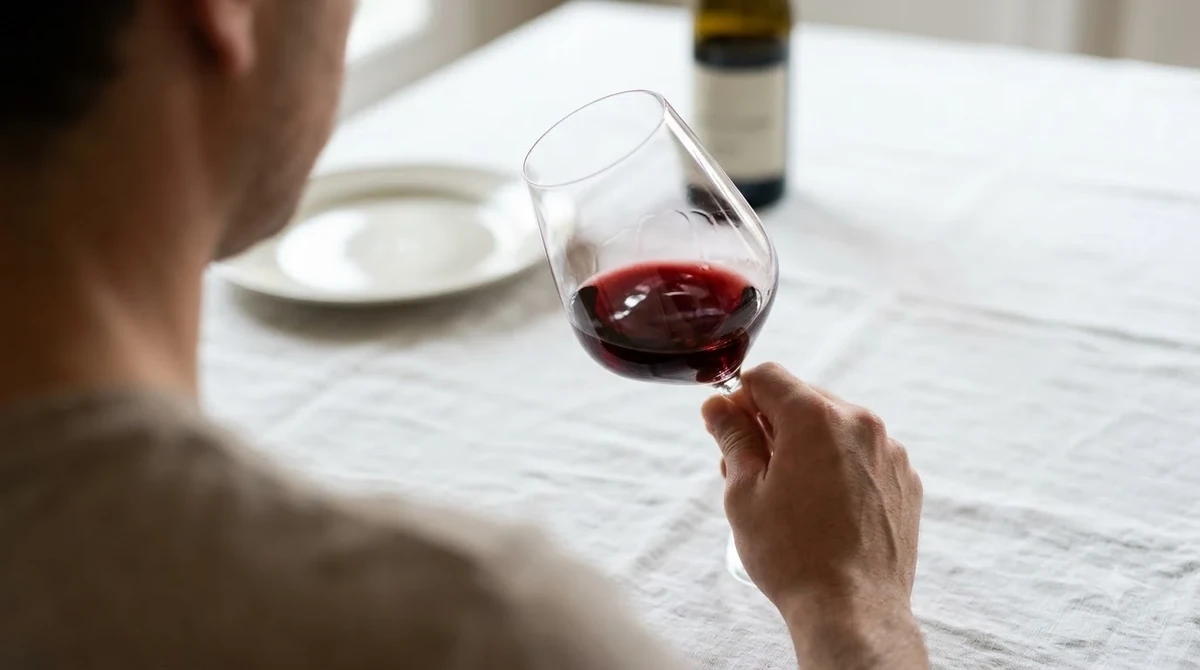
Every good sangria follows the same logic: a base wine, a fruit layer, a sweetener, and a finishing element. In a garnacha version, the base is a dry or lightly fruity Garnacha. The fruit layer usually includes orange slices, lemon, apple, peach, or berries, and it should be sliced thin so it releases flavor without turning mushy. The sweetener is typically sugar, though orange juice can supply some of the sweetness and extra citrus.
The finishing element is where the drink changes. Brandy adds warmth and depth. Sparkling water or a splash of soda makes the sangria lighter and more refreshing. A flavored liqueur can add an orange or almond note. Choose one finishing element rather than all of them, so the Garnacha stays the star of the glass.
| Layer | Good choice with Garnacha | Why it helps |
|---|---|---|
| Base wine | Young, fruity Garnacha or Grenache | Soft red fruit and low tannin |
| Fruit | Orange, lemon, peach, or berries | Adds brightness and acidity |
| Sweetener | Sugar or orange juice | Rounds out the tart edges |
| Spirit | Brandy, used sparingly | Adds warmth and depth |
| Lift | Sparkling water | Keeps the drink light |
How to Make a Simple Garnacha Sangria
Start with a bottle of chilled Garnacha. Slice one orange and one lemon into thin rounds, then add a cut peach or a handful of berries. Place the fruit in a large pitcher, sprinkle in a spoonful or two of sugar, and crush the fruit gently with a wooden spoon to release some juice. Pour in the wine and stir until the sugar dissolves.
Refrigerate the mixture for at least an hour, and preferably longer. The fruit needs time to flavor the wine, and the sugar needs time to blend in. Just before serving, add a splash of brandy if you like and top with sparkling water or a little soda. Serve over ice in a large glass, and make sure each glass gets a piece of fruit.
Taste the sangria before you serve it. If it tastes flat, add a squeeze of citrus or a little more sugar. If it tastes too sweet, add more wine or a splash of sparkling water. The goal is a drink that tastes fresh, fruity, and balanced rather than syrupy.
Variations on Garnacha Sangria
Once you know the basic method, you can change the fruit to suit the season. Summer versions often use peach, berries, and mint. Autumn versions lean toward apple, pear, and a touch of cinnamon. A winter version might use orange and clove for a warmer, spiced drink. The wine stays the same, while the fruit and spice carry the seasonal character.
Traditional Spanish sangria rules also allow other styles. The Wikipedia entry describes sangria blanca made with white wine, a more recent innovation, and sangria de cava, which uses Spanish sparkling wine. For a lighter, sparkling version of the garnacha drink, you can replace some of the still wine with a dry cava. The result is brighter and more festive, though it is a different drink from the classic red.
A non-alcoholic version called ponche de sangria, often served at children’s parties, replaces the wine with a soft drink. It is a useful reminder that the sangria method is built on fruit and sweetness first, and the wine adds the structure. For a grown-up table, though, the garnacha version remains the most common choice.
Tip: Make the sangria a few hours ahead, but add the sparkling water only at the last minute. Bubbles fade quickly in a pitcher that has been sitting out, and the drink tastes flatter when it is not freshly topped.
Rules, Strength, and Serving
Sangria strength depends on the wine, the spirit, and how much ice and mixer you add. The Wikipedia entry notes that European Union rules set the alcohol strength of sangria at a minimum of 4.5% and below 12% by volume, and that only sangria produced in Spain or Portugal may be sold under that name in the EU. A garnacha sangria made at home will usually fall in a moderate range, but the exact figure depends on your recipe and dilution.
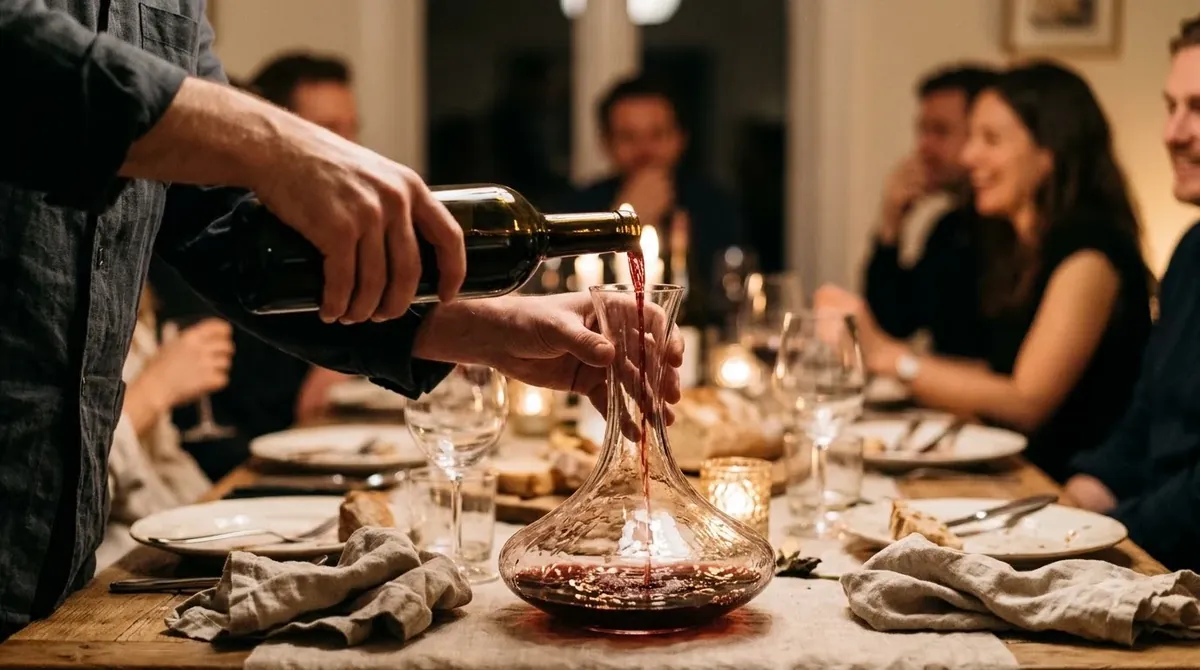
Serve garnacha sangria well chilled, and keep the pitcher cold if the party runs for a while. Ice dilutes the drink over time, so use fewer ice cubes in the pitcher and add more when you pour. Pair the sangria with tapas, grilled vegetables, roasted chicken, or a cheese plate. The fruit in the drink echoes many of the same flavors in the food.
If you want to learn more about the wine behind the drink, the guide to Wine by Type explains how different grapes behave in a glass. For comparisons, the page on tempranillo sangria shows how another Spanish red changes the result, while the cabernet sauvignon sangria guide explains how a firmer, more tannic red needs a different approach. A white option is also covered in the chardonnay sangria page.
Frequently Asked Questions
Is Garnacha the same as Grenache?
Yes. Garnacha is the Spanish name for the Grenache grape, which is known as Grenache in France and many other countries. The wine is the same grape with a different name depending on where it is grown.
Should I use red or white wine for a Garnacha sangria?
Use red Garnacha for a classic garnacha sangria. White wine works for a different style called sangria blanca, which is a separate drink with its own flavor profile.
Can I make garnacha sangria ahead of time?
Yes. Mix the wine, fruit, and sugar a few hours ahead and refrigerate. Add sparkling water or soda just before serving so the drink stays bubbly.
How strong is a typical sangria?
The European Union sets a range for sangria of at least 4.5% and below 12% alcohol by volume for products sold under the name. Your homemade version will depend on the wine, spirit, and amount of ice and mixer you use.
Garnacha sangria rewards a simple approach. Choose a soft, fruity Garnacha, add fresh fruit and a little sugar, and let the mixture rest in the fridge before serving. Keep the drink cold, add the bubbles at the last minute, and you will have a pitcher that tastes like the fruit and wine were made for each other.
More in Wine Types & Grapes
 Zinfandel Sugar Content: Dry Red vs. White Zinfandel GramsUpdated Nov 21, 2026
 Best Zinfandel Substitute Options for Sipping and CookingUpdated Nov 21, 2026
 Zweigelt Food Pairing: Best Dishes, Cheeses, and Serving TipsUpdated Nov 21, 2026
 Zinfandel Tannins Explained: How Structure Shapes Every BottleUpdated Nov 21, 2026
 Zinfandel Sweetness Level: Dry Red vs. Sweet White Zin ExplainedUpdated Nov 21, 2026
 Xinomavro Food Pairing: Best Dishes, Styles, and Serving TipsUpdated Nov 21, 2026