

We may earn a commission when you buy through links on this page, at no extra cost to you. Learn more.
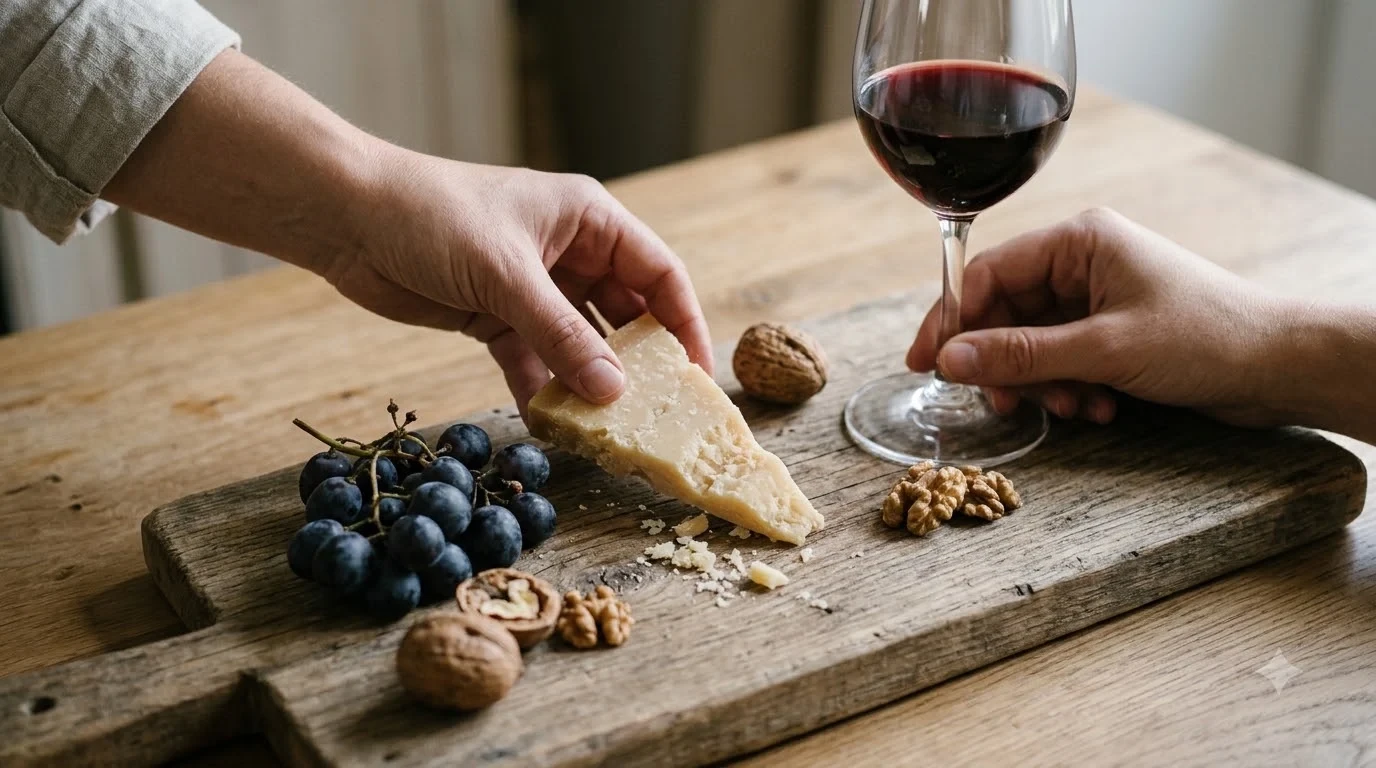
Meritage food pairing works best with grilled steak, roast lamb, braised beef, duck, and aged cheeses because these foods complement the wine’s dark fruit, structure, and tannins. Red Meritage is an American Bordeaux-style blend that commonly combines Cabernet Sauvignon, Merlot, Cabernet Franc, Malbec, and Petit Verdot. Its exact character depends on the grapes and their proportions, so some bottles suit rich, fatty dishes while softer examples work beautifully with poultry, mushrooms, and moderately seasoned meals. White Meritage offers another direction, pairing particularly well with grilled seafood and lighter dishes.
Choosing food for Meritage becomes easier once you understand how Bordeaux-style blending affects the wine. Cabernet Sauvignon can provide firm tannins and structure, Merlot contributes softer fruit and texture, Cabernet Franc adds herbal character, and Malbec and Petit Verdot can bring additional color, concentration, and depth. These differences make Meritage a flexible dinner wine rather than a bottle reserved exclusively for steak. Whether you are preparing a weekend barbecue, a holiday roast, a vegetarian dinner, or a cheese course, the right combination can make the meal more balanced and enjoyable.
Understanding Meritage Wine Before Choosing Food
Meritage is an American wine category based on traditional Bordeaux grape varieties, not the name of one particular grape. Understanding its composition helps explain why Cabernet-dominant bottles generally suit richer meats while Merlot-led versions can be more comfortable alongside duck, pork, and softer dishes.
The Meritage name combines the words merit and heritage. According to the Meritage Alliance, a licensed wine must contain at least two approved Bordeaux varieties, and no individual variety can represent more than 90 percent of the blend. The Alliance also requires that the wine contain only approved varieties. The category includes both red and white wines, although red versions are more commonly encountered.
Red Meritage commonly features Cabernet Sauvignon, Merlot, Cabernet Franc, Malbec, and Petit Verdot. Each grape contributes something different. Cabernet Sauvignon supplies firm tannins, blackcurrant character, and structure. Merlot generally offers softer tannins, rounded plum fruit, and a more approachable texture. Cabernet Franc can contribute herbal notes, while Malbec brings dark fruit and Petit Verdot can add color and structural intensity.
These differences matter at the dinner table. A blend containing a substantial proportion of Cabernet Sauvignon may feel firm and powerful alongside a delicate meal. The same wine can become more balanced when served with a fatty steak or slow-cooked beef. A Merlot-dominant blend may feel rounder and more adaptable, especially with duck, roast pork, or dishes featuring mushrooms and herbs.
White Meritage follows a different formula, using approved varieties such as Sauvignon Blanc, Sémillon, and Muscadelle. These wines can offer citrus, herbal, floral, and sometimes creamy characteristics depending on their composition and winemaking. Their food-pairing possibilities include grilled fish, shellfish, roast chicken, and dishes with fresh herbs.
It is also useful to distinguish Meritage from other American red blends. Not every bottle described as a Bordeaux-style blend carries the Meritage designation. The Meritage name is a trademark administered by the Meritage Alliance, while wineries may use proprietary names for other blends. For practical pairing purposes, however, understanding the actual grape composition remains more useful than relying on the category name alone. The Meritage Alliance’s official explanation of the wine category provides further details about its grape requirements and licensing rules.
If you enjoy exploring how different grapes influence food choices, comparing Meritage with Wine Pairing principles can help you understand why tannin, acidity, body, and sweetness matter just as much as the food’s main ingredient.
Best Meritage Food Pairing Choices for Beef and Steak
Beef is one of the strongest matches for red Meritage, particularly when the wine contains substantial Cabernet Sauvignon. Grilled ribeye, filet mignon, beef tenderloin, brisket, and slow-cooked short ribs all offer the richness and flavor intensity needed to balance a structured red blend.
Steak is an especially dependable choice because its protein and fat soften the impression of tannins. A Cabernet-heavy Meritage can sometimes seem firm when served by itself, but a properly cooked ribeye provides enough richness to make the wine feel more balanced. The charred surface of grilled beef also complements dark-fruit, cedar, and savory characteristics commonly found in Bordeaux-style reds.
Matching different beef cuts
Ribeye is particularly suitable for a full-bodied Meritage because its marbling creates a rich mouthfeel. A simple preparation with salt, black pepper, and garlic allows the wine to remain prominent without introducing excessive sweetness or heat. Grilled New York strip is another excellent choice, especially with roasted potatoes and sautéed mushrooms.
Filet mignon has less fat than ribeye, so it often benefits from a richer sauce or flavorful accompaniment. Mushroom cream sauce, roasted shallots, and a restrained red wine reduction can provide additional depth. Merlot-dominant Meritage is especially appealing here because its softer texture can complement the tender meat without overpowering it.
For slow-cooked beef, consider brisket, pot roast, or short ribs. These dishes develop deep savory flavors during cooking, making them natural companions for concentrated red blends. The wine’s fruit character can provide contrast to the meat’s browned edges, while its tannins complement the dish’s richness.
Grilling, sauces, and seasoning
Cooking method makes a noticeable difference. Direct grilling creates smoky, browned flavors that work well with Cabernet-based Meritage. Braising produces softer textures and concentrated savory juices, making the dish suitable for Merlot-led blends. Roasting offers a middle ground, particularly when the meat is seasoned with rosemary, thyme, garlic, and black pepper.
Choose sauces carefully. Mushroom sauce, shallot reduction, and modest amounts of butter are generally reliable options. Very sweet barbecue sauces can make a dry wine seem harsher by comparison. If you prefer barbecue, select a sauce with restrained sweetness and enough savory or smoky character to complement the wine.
Another excellent combination is beef Wellington. Its pastry, mushroom filling, and tender beef create several layers of flavor that suit an elegant Meritage with balanced fruit and moderate tannins. A younger, more concentrated Cabernet-led bottle can also accompany beef tenderloin with roasted vegetables.
Tip: For a dependable dinner combination, serve a Cabernet Sauvignon-dominant Meritage with grilled ribeye, roasted mushrooms, and rosemary potatoes. Season the steak simply and avoid an overly sweet sauce that could make the wine’s tannins seem more pronounced.
For a more detailed comparison of Italian red wines with meat dishes, explore Amarone food pairing. Amarone generally has a different concentration and fruit profile, but the same attention to meat richness and wine structure can help you select suitable dishes.
Pairing Meritage With Lamb, Pork, Poultry, and Game
Meritage is not limited to beef. Roast lamb, pork tenderloin, duck, turkey, and selected game dishes can all work well, provided the preparation matches the wine’s body and tannin level. Cabernet-based blends generally favor richer, more intensely flavored meats, while Merlot-led versions can accommodate more delicate preparations.
Lamb and Cabernet-based Meritage
Roast lamb is a classic match for concentrated Cabernet-based blends. The meat has enough flavor and richness to complement firm tannins, while rosemary, thyme, garlic, and black pepper reinforce the wine’s savory and herbal characteristics.
A roasted leg of lamb served with green beans, peas, or roasted carrots makes an especially satisfying combination. Decanter’s Bordeaux pairing recommendations highlight Cabernet-based wines with rich lamb and green vegetables, including petits pois. The green character of the vegetables can complement the herbal notes associated with Cabernet Sauvignon. Its Bordeaux wine and food pairing recommendations also discuss how different red and white blend styles work with specific dishes.
Lamb chops and grilled racks of lamb are also good options. Their browned exterior adds smoky flavors, while the meat’s richness provides balance. For a more substantial meal, serve them with roasted potatoes, grilled zucchini, and a restrained rosemary sauce.
Pork tenderloin and roast pork
Pork tenderloin works particularly well with Merlot-dominant Meritage. Its relatively delicate texture and mild flavor benefit from a wine with rounded fruit and moderate tannins. A simple herb crust, roasted garlic, or mushroom sauce can add enough intensity to connect the dish with the wine.
Roast pork shoulder is another possibility, particularly when cooked slowly until tender. The richer texture and browned exterior make it more suitable for a fuller-bodied blend. Avoid excessively sweet glazes, especially with Cabernet-heavy wines, because concentrated sweetness can emphasize the wine’s dryness and tannin.
For a more distinctive combination, try pork tenderloin with roasted plums or a lightly seasoned cherry sauce. The fruit creates a bridge between the wine’s dark-fruit flavors and the meat’s mild character. Keep the sauce moderately sweet rather than turning it into a dessert-like glaze.
Duck, turkey, and other poultry
Duck is one of the most rewarding poultry pairings for Meritage. Its richer meat and flavorful skin provide enough intensity for a structured red blend. Merlot-dominant versions are especially attractive because their plum and cherry characteristics can complement duck served with fruit-based sauces.
Roast duck with cherry sauce or plum jus is a particularly good combination. The fruit connects with the wine’s natural dark-fruit character, while the meat provides sufficient richness to soften the tannins. Decanter also recommends Merlot-dominated Bordeaux blends with duck, particularly when the preparation includes cherry or plum.
Turkey requires a little more attention. Traditional roasted turkey breast is relatively lean and can be overwhelmed by a heavily tannic Cabernet blend. A softer Meritage, particularly one with substantial Merlot, is a better starting point. Dark meat, roasted skin, mushroom gravy, and herb stuffing make the pairing more successful by adding richness and savory intensity.
For game dishes, consider venison stew, roasted pheasant, or rabbit prepared with mushrooms and herbs. A moderately concentrated Meritage can complement these dishes without dominating their natural flavors. Merlot-led blends are particularly suitable for rabbit, while more structured Cabernet blends can work with richer venison preparations.
The cooking method should guide the final choice. Grilling, roasting, and braising generally create more flavor than poaching or steaming, which makes them easier to match with red Meritage. If the dish is relatively mild, choose a softer wine rather than trying to compensate with stronger seasoning.
Vegetarian Dishes, Mushrooms, and Cheese With Meritage
Vegetarian food can be an excellent match for red Meritage when it has sufficient savory flavor, texture, and richness. Mushrooms, lentils, eggplant, caramelized onions, and aged cheeses are particularly useful ingredients because they can provide the depth normally supplied by meat.
Mushrooms are among the most dependable ingredients for pairing with Cabernet and Merlot blends. Their earthy, savory character complements the wine’s darker fruit and oak-related flavors. Grilled portobello mushrooms, roasted mushroom risotto, and stuffed mushrooms can all make satisfying main courses.
Mushrooms and roasted vegetables
A grilled portobello mushroom with garlic, thyme, and olive oil can stand up to a medium- or full-bodied Meritage. The mushroom’s substantial texture makes it more convincing alongside red wine than many delicate vegetable preparations. Add roasted potatoes or lentils to create a more complete meal.
Roasted eggplant is another strong choice. Its soft texture and naturally savory flavor work well with tomato, herbs, and olive oil. Try a vegetable moussaka prepared with lentils instead of minced meat, or roasted eggplant layered with tomato sauce and a modest amount of aged cheese.
Caramelized onion and white bean stew can also complement Meritage. Slowly cooked onions contribute sweetness and depth, while beans provide a substantial texture. Use herbs such as thyme and rosemary to connect the flavors with the wine’s savory elements.
Legumes, pasta, and tomato-based dishes
Lentil stew is a practical choice for Meritage, particularly when it contains mushrooms, roasted vegetables, and herbs. The combination of earthy ingredients and a substantial texture helps the meal stand up to the wine’s structure.
Pasta with mushroom ragù is another attractive option. Use browned mushrooms, tomato, garlic, and a small amount of olive oil to create a savory sauce. A Cabernet-led Meritage can accompany a concentrated preparation, while a softer Merlot-based bottle is suitable for a gentler sauce.
Tomato-based pasta dishes require attention to acidity. Tomatoes are naturally acidic, so an excessively low-acid wine can seem flat beside them. A Meritage with balanced freshness is preferable, particularly when the dish contains roasted tomatoes rather than a strongly acidic raw tomato sauce.
Vegetarian dishes with a touch of sweetness, such as roasted carrots or balsamic-glazed vegetables, can also work, but moderation is important. Excessive sweetness in the food can make a dry Meritage taste more bitter or austere. Keep glazes restrained and emphasize savory ingredients instead.
Cheese pairings
Cheese is one of the easiest ways to create a simple Meritage serving board. Aged Gouda, aged Cheddar, Comté, and Gruyère are useful choices because their concentrated flavors and firm textures can stand alongside a structured red wine.
Young, fruit-driven Meritage can work particularly well with aged hard cheeses. The salt and fat in cheese help soften the wine’s tannins, while its savory flavors complement the wine’s fruit and oak characteristics. Comté and Gruyère are especially useful when you want a traditional European-style cheese course.
Blue cheese can be more challenging. Its intense saltiness and strong flavors may overpower a lighter Meritage, although a concentrated red blend can sometimes work with a milder blue cheese. Begin with a small serving and avoid pairing an especially pungent cheese with a delicate wine.
Soft cheeses such as Brie and Camembert are more suitable for smoother, fruit-forward Merlot-dominant blends. Their creamy texture can complement the wine’s softer tannins. Serve the cheese with plain crackers, toasted bread, or unsweetened nuts rather than heavily sweet accompaniments.
If you enjoy comparing different red wine styles with Italian dishes, Barbera food pairing offers another useful perspective. Barbera’s higher acidity creates a different relationship with tomato sauces, cured meats, and rich pasta preparations.
White Meritage and Seafood Pairing Ideas
White Meritage offers a different approach to food pairing from its red counterpart. Blends based on Sauvignon Blanc, Sémillon, and Muscadelle can accompany grilled fish, shellfish, poultry, and vegetable dishes, with acidity, texture, and oak influence determining the best combination.
Sauvignon Blanc generally supplies freshness and pronounced acidity. Sémillon can contribute additional body and texture, while Muscadelle can add aromatic character. The proportions vary, so some white Meritage wines feel crisp and herbal, while others are rounder and more substantial.
Grilled fish and shellfish
Grilled halibut, cod, sea bass, and other firm-fleshed fish are good options for white Meritage. Their relatively substantial texture can accommodate the wine’s body without being overwhelmed. Lemon, parsley, dill, and olive oil provide useful seasoning choices.
Pan-fried fish is another reliable match. A lightly browned fish fillet served with lemon butter and fresh herbs can complement a white blend with moderate acidity and some texture. Avoid excessively rich sauces with a particularly crisp, unoaked version because they may make the wine seem thin.
Shellfish such as shrimp, scallops, and crab can also work well. Grilled shrimp with garlic and lemon is especially suitable for a fresh Sauvignon Blanc-dominant blend. Scallops with a modest butter sauce can be more successful with a white Meritage that has some additional body.
Raw seafood and fresh preparations
Ceviche, sushi, and sashimi call for freshness rather than heavy oak or excessive weight. A crisp, unoaked white Meritage with strong Sauvignon Blanc character can complement these dishes through its herbal notes and acidity.
For ceviche, choose preparations featuring lime, cilantro, and mild chili rather than heavy sweetness. The wine should have equal or higher acidity than the dish so it remains refreshing alongside the citrus. For sushi and sashimi, simple fish preparations are generally preferable to rolls with heavy mayonnaise-based sauces.
White Meritage can also accompany roast chicken and vegetable dishes. A Sauvignon Blanc and Sémillon blend with moderate body can complement herb-roasted chicken, grilled asparagus, and sautéed zucchini. If the wine has noticeable oak influence, richer poultry preparations and creamy sauces become more suitable.
Temperature is particularly important for white blends. A lighter, fresher bottle benefits from a cool serving temperature, while a fuller, oak-influenced version may show better with slightly less chilling. The objective is to preserve freshness without suppressing the wine’s aromas and texture.
Serving Temperature, Decanting, and Meal Planning
Red Meritage generally tastes best when served slightly cool rather than at warm room temperature. A practical starting point for a full-bodied Cabernet-dominant blend is 60–65°F, while a lighter Merlot-dominant version can benefit from 55–60°F.
According to Decanter’s Bordeaux food-pairing recommendations, red Bordeaux wines are commonly served at approximately 61–64°F. This range works well for many structured Meritage wines. A slightly cooler bottle can be preferable in a warm dining room because wine gradually warms after pouring.
White Meritage generally belongs in the 45–55°F range, depending on its body and oak influence. A fresh, Sauvignon Blanc-led wine can be served around 45–50°F, while a fuller white blend can benefit from 50–55°F.
Practical serving temperatures
| Wine or Style | Serving Temperature | Suggested Food |
|---|---|---|
| Full-bodied red Meritage | 60–65°F | Ribeye, brisket, roast lamb |
| Medium-bodied red Meritage | 57–62°F | Duck, pork tenderloin, mushrooms |
| Lighter red Meritage | 55–60°F | Roast turkey, soft cheeses, lentils |
| Fresh white Meritage | 45–50°F | Grilled shrimp, ceviche, sushi |
| Fuller white Meritage | 50–55°F | Roast chicken, scallops, creamy fish dishes |
These ranges are practical starting points rather than rigid requirements. A bottle with substantial Cabernet Sauvignon may need a little more time to open, while a softer Merlot-based blend can be enjoyable soon after pouring. White blends also vary according to oak treatment, acidity, and body.
Should you decant Meritage?
Decanting can help a young, concentrated red Meritage become more expressive. If the wine seems closed or dominated by firm tannins immediately after opening, give it approximately 30–60 minutes in a decanter and reassess it before serving. This is particularly useful for a structured Cabernet Sauvignon-heavy blend.
Not every bottle needs decanting. A lighter Merlot-dominant wine may become enjoyable with only 10–15 minutes of air in the glass. Older bottles require greater care because excessive oxygen exposure can cause their delicate aromas and flavors to fade.
For an older bottle with visible sediment, standing it upright before opening allows the sediment to settle. Pour slowly into a decanter, stopping when the sediment approaches the neck of the bottle. The goal is to separate the clear wine rather than expose a mature wine to unnecessary oxygen.
Planning portions and the dinner sequence
A standard wine pour is approximately 5 ounces. A 750 ml bottle contains about 25.4 ounces, which provides roughly five standard glasses. For a dinner of four adults, one bottle can provide a moderate serving for each person, with additional wine needed if the meal lasts several hours.
For a simple dinner party, serve Meritage with the main course rather than automatically pouring it with every course. A Cabernet-heavy blend is better suited to a rich beef or lamb dish than a delicate appetizer. Start with a lighter wine for seafood or fresh salads and introduce the red Meritage when the main course arrives.
Food seasoning deserves attention throughout the meal. Salt and fat generally soften tannin, while excessive chili heat can make alcohol and tannins feel more pronounced. Very acidic dishes need a wine with comparable or higher acidity. Oily fish can clash with tannic reds, so choose white Meritage instead when serving salmon, sardines, or other oily seafood.
Storage also influences how well a bottle performs. Keep unopened bottles on their sides in a cool, dark location near 55°F when suitable storage is available. Avoid prolonged exposure to sunlight, heat, and significant temperature changes. After opening, reseal the bottle and refrigerate it; most still wines remain enjoyable for approximately 3–5 days, although their aromas gradually change.
Frequently Asked Questions
Is Meritage the same as Bordeaux wine?
No. Meritage is an American trademarked wine category, while Bordeaux is a French wine region with its own geographical and production regulations. Meritage wines use approved Bordeaux grape varieties, but they are not automatically wines from Bordeaux. The name reflects the blending tradition rather than the geographical origin.
How do you pronounce Meritage?
Meritage is pronounced to rhyme with the English word heritage. The name combines merit and heritage, reflecting the tradition of blending different grape varieties. The pronunciation is the same whether the wine is red or white.
Can Meritage be made from only Cabernet Sauvignon and Merlot?
Yes. Cabernet Sauvignon and Merlot are both approved red Meritage varieties, and a blend containing those two grapes can qualify. The Meritage Alliance requires at least two approved varieties and limits any single variety to no more than 90 percent. The winery must also satisfy the Alliance’s licensing requirements.
Does Meritage wine improve with bottle aging?
Some Meritage wines can develop additional complexity with bottle aging, particularly concentrated examples with substantial tannin and balanced acidity. However, aging potential varies considerably between producers, grape proportions, and individual vintages. A softer, fruit-forward Meritage may be intended for earlier enjoyment rather than extended cellaring.
Can Meritage be served without food?
Yes. Red Meritage can be enjoyed on its own, particularly when its fruit, acidity, and tannins are balanced. A small serving of plain toasted nuts or mild hard cheese can provide a simple accompaniment without turning the occasion into a full meal. White Meritage can also be enjoyed as an aperitif, especially when served with lightly salted crackers.
Meritage is a versatile wine category with food-pairing possibilities that extend well beyond steak. Cabernet-dominant reds are particularly rewarding with beef and lamb, softer Merlot-led blends complement duck and pork, and white Meritage provides a refreshing alternative for seafood and lighter meals. Start with the wine’s grape composition, match its structure to the richness of the food, and adjust serving temperature to bring out its best characteristics.
More in Food & Wine Pairing
 Risotto With White Wine Recipe: Make a Creamy Dinner at HomeUpdated Nov 20, 2026
 Wassail With Wine Recipe for a Festive Spiced Holiday DrinkUpdated Nov 20, 2026
 Spritz Veneziano Recipe: Make a Classic Venetian Aperitivo at HomeUpdated Nov 20, 2026
 Summer Wine Punch Recipe for Easy Homemade EntertainingUpdated Nov 20, 2026
 Bishop Recipe: How to Make a Bright, Citrus-Forward Red Wine CocktailUpdated Nov 20, 2026
 Wine Cupcakes Recipe: Bake Rich Chocolate Cupcakes at HomeUpdated Nov 20, 2026