

We may earn a commission when you buy through links on this page, at no extra cost to you. Learn more.
The Mencia grape is a red variety from northwest Spain, best known in Bierzo and Ribeira Sacra, that makes medium-bodied wines with bright cherry fruit, floral notes, and a peppery edge. It is also grown in Portugal, where it goes by the name Jaen. Producers have learned to make structured, age-worthy bottles from it as well as fresh, fruity ones, so the grape now covers a wider range of styles than many drinkers expect.
Mencia is one of those grapes that wine lovers often meet by accident, usually from a bottle with an unfamiliar Spanish label. The wine tends to be lively and easy to drink when it is young, yet the best examples can develop real depth over several years. This guide covers where Mencia comes from, what its wines taste like, how the grape is made and aged, how to serve it, and why it is often confused with another red.
What Mencia Grape Is and Where It Comes From
Mencia is a red grape with roots in northwest Spain. According to Wine Folly’s Mencia grape profile, it is also known as Jaen, and in Portugal it is mainly grown in the Dão region under that name. The grape has a modest footprint compared with the largest red varieties, with about 11,052 hectares (27,310 acres) planted across Spain and Portugal combined.
DNA studies link Mencia to Alfrocheiro and Patorra, although its exact parentage is still debated among researchers. What is clear is that the grape ripens early, typically in mid to late September, which suits the cooler, wet climate of its home area in Galicia.
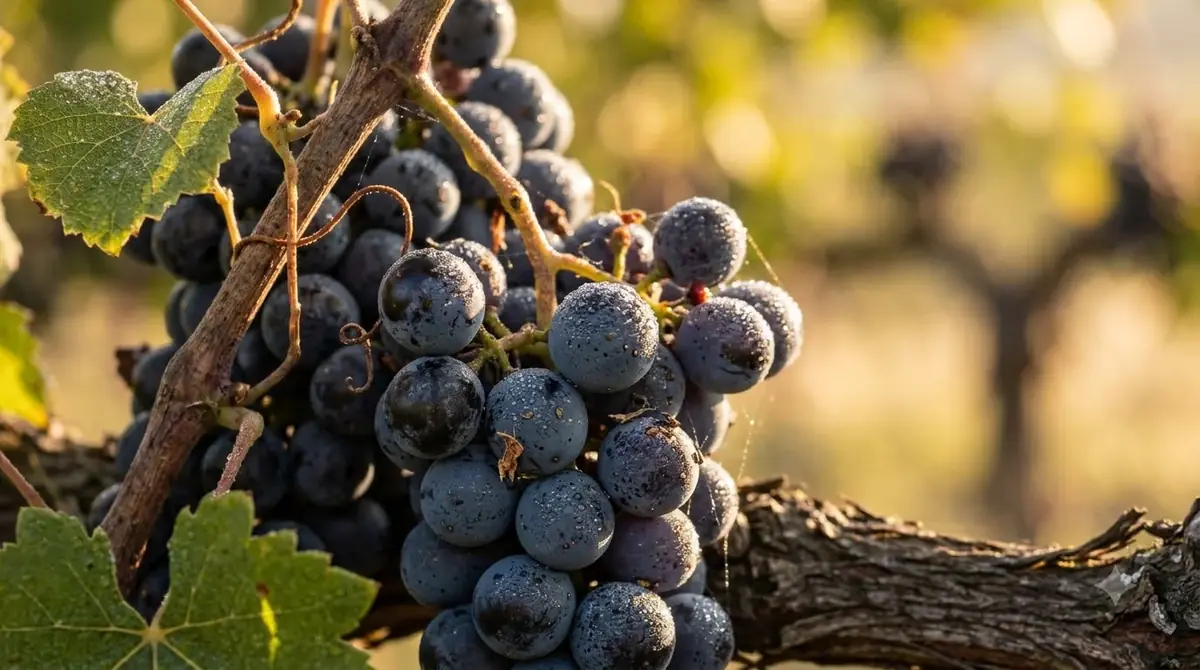
For decades Mencia was mostly seen as a source of simple, fruity wine meant for early drinking. That reputation has shifted as growers have focused on older vines and more careful winemaking, and the grape is now valued for wines that can age and show complexity.
Flavor Profile and Typical Wine Styles
Mencia wines are usually medium-bodied and aromatic, with acidity that feels bright and refreshing and tannin that is typically medium, ranging from smooth to light but grippy.
The most common flavors are tart cherry, red fruit such as strawberry and raspberry, and violet or other floral notes. Many wines also show anise or black licorice and a mineral quality that often reflects the slate and granite soils of the best sites. The peppery edge is one of the grape’s signatures, and it is what makes Mencia stand out from softer Spanish reds.
Younger Mencia tends to be fresh and fruit forward. Older bottles move toward savory, earthy notes and a more layered texture. Because the flavors shift so much with age and winemaking, two bottles of Mencia from the same region can taste quite different.
Where Mencia Grows: Bierzo, Ribeira Sacra, and Valdeorras
Most of the grape’s reputation comes from a few Spanish appellations, and each one produces a slightly different style.
| Region | Location | Typical style |
|---|---|---|
| Bierzo | Galicia, northwest Spain | Deeper and more complex, with oak influence in many wines |
| Ribeira Sacra | Galicia, northwest Spain | Structured reds, with top examples that can age a decade or more |
| Valdeorras | Galicia, northwest Spain | Lighter and fresher, with bright fruit |
| Dão | Central Portugal (as Jaen) | Generally lighter still, with a softer structure |
The Bierzo region is often the first place people look when they want a serious Mencia. Its wines tend to show more depth and texture than those from Valdeorras. Valdeorras, by contrast, is a good place to find bright, easy bottles that still carry the grape’s character. Portuguese Dão versions are generally lighter, so they suit people who prefer a softer red.
Tip: If you are not sure which style you want, look at the region on the label first. It usually tells you more about the wine’s weight than the grape name does.
How Mencia Is Made and Aged
Growers in the cooler parts of Galicia often work with older vines, which tend to produce less fruit but more concentrated flavor. That approach, combined with careful harvest timing, is one reason the best bottles stand apart from simple young wines.
Winemakers working with Mencia often focus on preserving the grape’s freshness while building structure. Early-ripening fruit gives them room to pick at the right moment, which helps keep acidity high and the flavors lively.
Some producers age their wines in oak, which can add vanilla and spice notes and a rounder texture. Others choose stainless steel or large neutral containers to keep the fruit forward. The choice shapes the final wine more than the grape does, so reading the producer’s description helps set expectations.
Aging is where Mencia gets especially interesting. Most wines are best within three to seven years of the vintage, according to Wine Folly, while top examples from Bierzo and Ribeira Sacra can age a decade or more. That range is one reason the grape appeals to collectors who enjoy watching a red change over time.
How to Serve Mencia and What to Pair With It
Mencia works well at a slightly cool cellar temperature rather than a hot room, which helps the acidity and fruit stand out. Because the wine is medium-bodied, it suits relaxed meals as well as more formal dinners.
Its bright acidity and peppery edge make it a good match for grilled or roasted meats, especially pork and lamb, along with mushroom dishes and foods with herbs. The wine also pairs nicely with cured meats and aged cheeses, which echo the savory side of older bottles. For lighter meals, a young Valdeorras bottle can work with roasted vegetables and tomato-based dishes.
Mencia Compared With Cabernet Franc
Mencia is often confused with Cabernet Franc because the two share some aromatic qualities, including red fruit, floral notes, and a herbal or peppery touch. The resemblance is real, but the wines are not the same.
Mencia usually shows brighter acidity and a clearer Spanish character, with the mineral notes that come from its home soils. Cabernet Franc can carry more green pepper and a firmer structure in cooler vintages. If a label does not state the grape clearly, the region on the bottle is the best clue. Spanish appellations such as Bierzo point strongly toward Mencia.
If you enjoy the crisp side of the grape family, you may also like the Chablis grape for a contrast in style, or browse the broader Wine by Type guide to see how red and white varieties compare.
Frequently Asked Questions
Is Mencia the same grape as Jaen?
Yes. Mencia is also known as Jaen, and in Portugal it is mainly grown in the Dão region under that name. The Portuguese wines tend to be lighter than many Spanish examples.
What does Mencia taste like?
Most Mencia tastes of tart cherry, red berries, and violets, with a peppery finish and bright acidity. Older or oak-aged wines can show anise, earthy notes, and more texture.
Can Mencia be aged?
Yes, though most bottles are best within three to seven years. Top examples from Bierzo and Ribeira Sacra can age a decade or more, developing savory and layered flavors.
Is Mencia a good wine for beginners?
It can be. Its fruit and bright acidity are approachable, and the medium body is easy to match with food. Start with a young bottle from Valdeorras or Dão to see the grape’s fresh side before trying a more structured Bierzo.
Mencia rewards curiosity. Its bright fruit and peppery edge make it approachable, while its best examples show the depth that comes from careful growing and patient aging. Look at the region on the label, match the style to your meal, and the grape will usually show you why it has earned its place among Spain’s most interesting reds.
More in Wine Types & Grapes
 Zinfandel Sugar Content: Dry Red vs. White Zinfandel GramsUpdated Nov 21, 2026
 Best Zinfandel Substitute Options for Sipping and CookingUpdated Nov 21, 2026
 Zweigelt Food Pairing: Best Dishes, Cheeses, and Serving TipsUpdated Nov 21, 2026
 Zinfandel Tannins Explained: How Structure Shapes Every BottleUpdated Nov 21, 2026
 Zinfandel Sweetness Level: Dry Red vs. Sweet White Zin ExplainedUpdated Nov 21, 2026
 Xinomavro Food Pairing: Best Dishes, Styles, and Serving TipsUpdated Nov 21, 2026