

We may earn a commission when you buy through links on this page, at no extra cost to you. Learn more.
Mencia wine is a dry red made from the mencia grape, a variety native to northwest Spain and Portugal. It is usually medium-bodied, with bright acidity, red fruit, and fine tannins. Many people compare it to a lighter Pinot Noir, although the best examples from Bierzo and Ribeira Sacra can be deeper and age for a decade or more.
If you have seen mencia on a shelf in Spain or on a restaurant list and wondered whether it is worth trying, this guide covers the basics. You will learn where the grape grows, how the wines taste, how to serve them, and what to eat with them. The name is often written with an accent as Mencía, and the grape is also known as Jaen in Portugal.
What mencia is and where it grows
Mencia is a red grape variety from the Iberian Peninsula. According to Wine Folly’s grape guide, it grows mainly in northwest Spain and in Portugal’s Dão region, where it is known as Jaen. The grape is most closely associated with the northwest of Spain, where a handful of appellations have built their reputation around it.
Three Spanish areas come up most often when people talk about mencia. Bierzo is the best-known zone, where the wines often show ripe red fruit, floral and earthy notes, and a mineral edge. Valdeorras produces lighter and fresher styles with red fruit, floral hints, and a granite-driven minerality. Ribeira Sacra, further east, is named as a region where top examples can age for a decade or more.
Wine Folly also notes that many Bierzo examples are oak-aged, which adds smoky spice on top of the ripe fruit. That is a useful clue when you read a label: the same grape can show a fresher, fruitier face in one zone and a more toasted, earthy face in another. Wine Folly links the granite-driven minerality of Valdeorras to the same family of fresh, structured wines, so soil is part of the story too.
Flavor and style of mencia wine
Mencia wines are generally dry and medium-bodied, with medium tannins and medium-high acidity. Their aromas often include strawberry, raspberry, cherry, and violet, with a peppery lift on the palate. Some bottles add black licorice or anise notes, especially when the wine has seen oak.
Because mencia is not a grape that most drinkers encounter every day, the best way to learn its character is to taste several bottles side by side. Try a young Bierzo, a fresher Valdeorras, and an older Ribeira Sacra if you can find one. The differences in fruit, oak, and texture will tell you more than any single description.
The acidity is what keeps mencia lively. The fruit can taste tart, with sour cherry and red currant, and the wine feels fresh rather than heavy. Wine Folly lists alcohol levels between 13.5 and 15 percent, which puts most bottles in the middle range for a red table wine. If you enjoy lighter reds with some structure, mencia sits in a comfortable spot.
| Trait | Typical mencia wine |
|---|---|
| Body | Medium |
| Tannins | Medium, fine-grained |
| Acidity | Medium-high |
| Common aromas | Strawberry, cherry, violet, pepper, minerality |
| Alcohol | About 13.5 to 15 percent |
| Aging | Most drink well within 3 to 7 years; top examples can go a decade or more |
How to serve mencia wine
Wine Folly recommends serving mencia at 55 to 60 degrees Fahrenheit, or about 12 to 15 degrees Celsius. That is a little cooler than many people serve red wine, and it helps the acidity and fruit stay in balance. Pour it into a universal glass, which gives enough room for the aromas without letting the wine feel too open.
For younger bottles, decanting for about an hour can soften the tannins and open up the fruit. Older bottles, especially those from Ribeira Sacra, often need less time because the structure has already settled. Taste as you go, and stop when the wine tastes smooth but still fresh.
Tip: If a mencia tastes too warm or heavy, chill it for about 15 minutes in the fridge before pouring. The fruit will come forward and the acidity will feel brighter.
Best food pairings with mencia wine
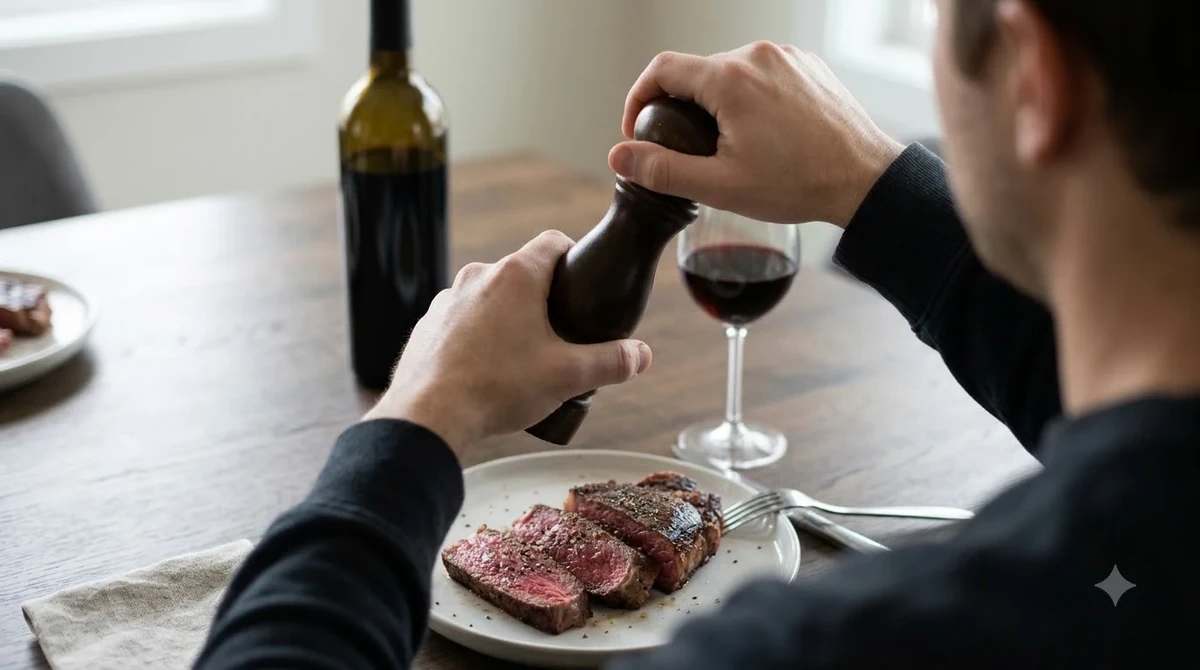
Mencia works well with food that has savory depth but is not overly rich. Wine Folly suggests lean meats, charcuterie, cured cheeses, earthy mushrooms, and hearty beans. Steak au poivre is another good match, since the wine’s acidity cuts through the pepper and fat.
The wine is also a good partner for Spanish-style dishes. A bright mineral edge makes it suit seafood paella, and older bottles can pair with game meats. Because the tannins are moderate, it is easier to match than a big Cabernet with delicate fish or vegetables. Heavy cream sauces and very sweet barbecue sauces tend to overpower it.
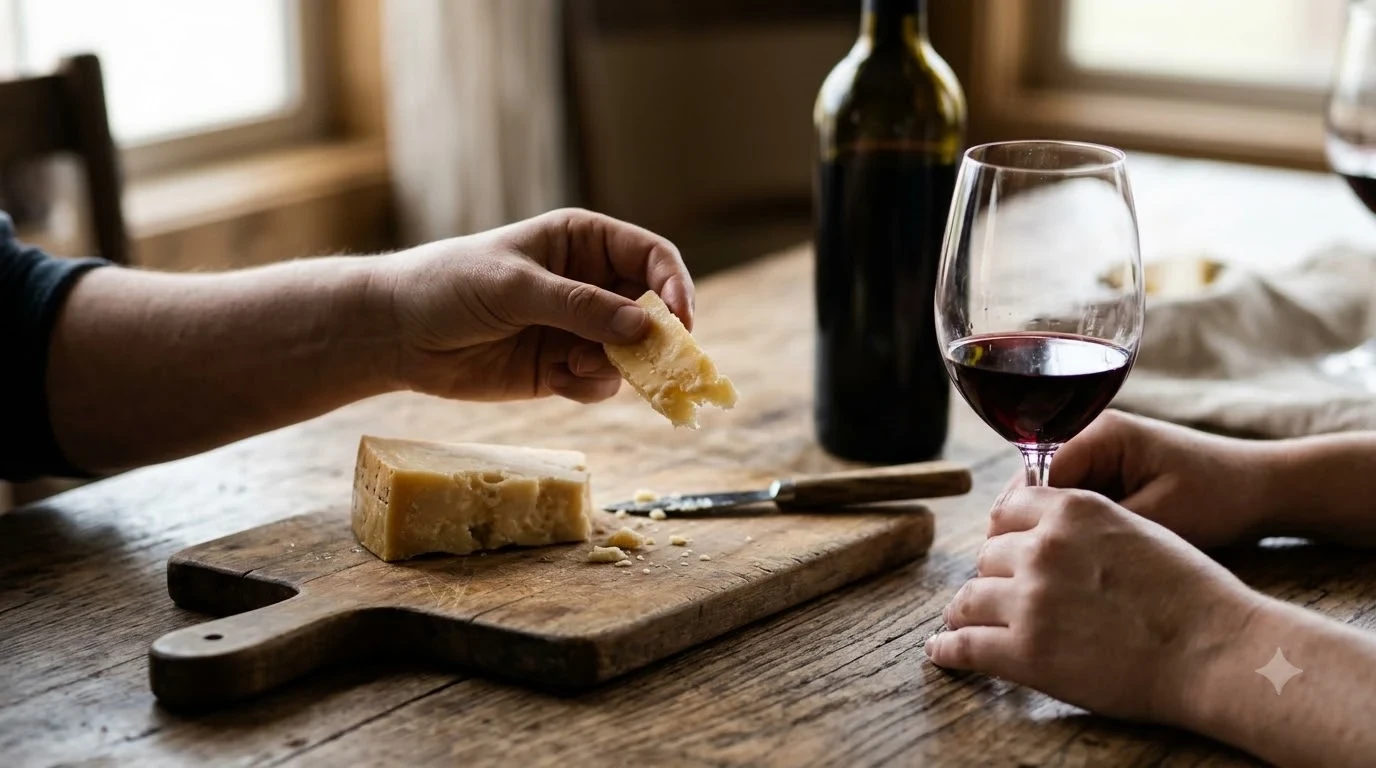
Mencia also suits a simple cheese board. Choose a firm, aged cheese with some salt and nuttiness, and let the wine provide the fruit. A plate of roasted vegetables with olive oil, garlic, and smoked paprika makes an easy vegetarian match with the same savory notes.
How to choose a bottle of mencia wine
When you shop, look for the appellation on the label. Bierzo and Valdeorras are the most common names for the grape, and each gives a different style. Labels from Bierzo tend to suggest more depth and earthiness, while Valdeorras bottles often feel fresher. Ribeira Sacra is worth exploring if you want a wine that can age.
Serving the wine with a little patience also helps. Let the first glass sit in the glass for a few minutes, since the aromas open up as the wine warms slightly toward the ideal range.
Check the vintage as well. Because most mencia is meant to be enjoyed within a few years, a recent release usually shows the grape at its freshest. For older bottles from the better-aging zones, look for producers who describe their aging regime, such as the time in barrel or bottle, so you know what to expect.
If you want to see how mencia compares with other reds, the Wine by Type guide is a good starting point. Some readers also like to compare the body and tannin structure of mencia with a Sangiovese-based wine such as Brunello di Montalcino, which is firmer and more tannic.
Frequently Asked Questions
What does mencia wine taste like?
It is usually dry and medium-bodied, with strawberry, cherry, and violet aromas, a peppery lift, and bright acidity. Many people find it lighter than a typical Spanish red, but with more structure than a simple table wine.
Is mencia similar to Pinot Noir?
Wine Folly notes that fans of Pinot Noir will likely enjoy mencia, because both are fresh, fruit-driven reds with medium tannins. Mencia often has more savory and mineral character.
How long can you age mencia wine?
Most bottles are best within about three to seven years. Top examples, especially from Ribeira Sacra, can age for a decade or more, developing softer tannins and more complex flavors.
Should mencia be served chilled?
Serve it slightly cool, around 55 to 60 degrees Fahrenheit. That temperature keeps the acidity lively and prevents the wine from tasting heavy or overly warm.
Mencia is a food-friendly red that rewards curiosity, and it is a good example of how a lesser-known Iberian grape can show clear regional character. Start with a Bierzo or Valdeorras bottle to taste the range, then try an older Ribeira Sacra if you want to see how the grape develops over time. For the grape’s own profile, read the Wine Folly mencia guide, which covers the regions and food pairings in more detail.
More in Wine Types & Grapes
 Zinfandel Sugar Content: Dry Red vs. White Zinfandel GramsUpdated Nov 21, 2026
 Best Zinfandel Substitute Options for Sipping and CookingUpdated Nov 21, 2026
 Zweigelt Food Pairing: Best Dishes, Cheeses, and Serving TipsUpdated Nov 21, 2026
 Zinfandel Tannins Explained: How Structure Shapes Every BottleUpdated Nov 21, 2026
 Zinfandel Sweetness Level: Dry Red vs. Sweet White Zin ExplainedUpdated Nov 21, 2026
 Xinomavro Food Pairing: Best Dishes, Styles, and Serving TipsUpdated Nov 21, 2026