

We may earn a commission when you buy through links on this page, at no extra cost to you. Learn more.
menage a trois red review: Ménage à Trois Red is a fruit-forward California red blend combining Zinfandel, Merlot, and Cabernet Sauvignon. Its signature profile features blackberry and raspberry jam, generous mouthfeel, and noticeable tannins. It is a practical choice for drinkers who enjoy approachable, ripe-fruited reds and want a bottle that works alongside grilled meats, burgers, and everyday meals. Understanding its three grapes, vintage-specific specifications, and serving requirements will help you decide whether it matches your preferences.
Ménage à Trois has built its identity around combining three grape varieties into approachable California wines. Its original Red Blend is one of the label’s best-known offerings, with a style that emphasizes ripe fruit rather than the austere structure associated with some traditional reds. This guide examines the wine’s composition, what its flavor description means in practice, how to compare different bottles, and how to serve it successfully.
Who This Is For
Ménage à Trois Red suits people who enjoy generous fruit flavors, a rounded mouthfeel, and enough tannin to give a red wine structure. Its combination of Zinfandel, Merlot, and Cabernet Sauvignon makes it particularly interesting for drinkers who want elements of three familiar grape varieties in one California bottle.

The wine is a reasonable starting point for someone exploring California red blends. Its blackberry and raspberry jam characteristics give it a recognizable fruit-forward personality, while Merlot contributes a softer middle and Cabernet Sauvignon adds firmer structure. Someone accustomed to drinking individual varieties might appreciate how these characteristics work together without having to choose between a Zinfandel, Merlot, or Cabernet Sauvignon.
It also makes sense for households that regularly prepare grilled food. The producer specifically recommends grilled meats and chicken, and its flavor profile suits burgers, roasted meats, and savory dishes with smoky or caramelized edges. For a casual dinner, the wine can provide enough fruit intensity to stand alongside a substantial main course without requiring an elaborate menu.
However, it is not necessarily the right choice for every red-wine drinker. Someone looking for a restrained, earthy Pinot Noir or a particularly acidic Italian red might find the ripe fruit profile too prominent. Drinkers who prefer exceptionally low tannin should also consider that the producer explicitly describes this blend as having firm tannins. Its fruit-forward presentation does not mean it is completely soft or lacking structure.
Buyers comparing the Ménage à Trois red wine range should also distinguish the original Red Blend from the brand’s other red offerings. The original blend is most appropriate for someone seeking a combination of jammy fruit, rounded texture, and moderate-to-firm structure rather than a wine focused entirely on one grape variety.
Key Factors to Compare
The most useful comparison points are grape composition, fruit intensity, tannin, and vintage-specific production figures. The producer’s published 2020 specifications offer a concrete example of the blend, although those measurements should not automatically be applied to every subsequent release.
| Factor | Published information | What it means for buyers |
|---|---|---|
| Grape varieties | Zinfandel, Merlot, Cabernet Sauvignon | Three complementary grape profiles in one bottle |
| 2020 Zinfandel proportion | 45% | The largest component in that vintage |
| 2020 Merlot proportion | 30% | Contributes red fruit and mouthfeel |
| 2020 Cabernet Sauvignon proportion | 25% | Contributes richer flavors and tannin |
| 2020 alcohol content | 13.75% ABV | Specific to the published vintage |
| 2020 total acidity | 0.65 g/100 ml | Laboratory measurement for that vintage |
| 2020 pH | 3.54 | Laboratory measurement for that vintage |
| 2020 residual sugar | 1.1 g/100 ml | Helps explain the wine’s measured composition |
These numbers come from the producer’s specifications for its 2020 California Red Blend. They are useful because they show exactly how one release was constructed, but they are not a guarantee that every bottle carries identical proportions or laboratory measurements. The current product description continues to identify the same three principal varieties and separate-fermentation approach without establishing that every newer vintage follows the earlier numerical formula.
The balance between the grapes matters more than simply counting how many varieties appear on the label. Zinfandel generally brings ripe berry flavors and a generous fruit impression. Merlot is generally softer than Cabernet Sauvignon, offering a fuller middle without the same degree of tannic grip. Cabernet Sauvignon supplies the firmer structure that keeps the combination from being entirely fruit-driven.
For the producer’s description of how the three components work together, consult its official Ménage à Trois Red Blend information. Buyers should also compare the vintage printed on the bottle with any available technical details rather than assuming that historical percentages describe every production run.
Another useful consideration is how much structure you enjoy. A wine with firm tannins can feel more drying than a softer Merlot, even when both have plenty of ripe fruit. That makes Ménage à Trois Red more appropriate for people who enjoy some grip in a fruity red than for drinkers who want an almost tannin-free wine.
Step-by-Step: How to Choose and Evaluate a Bottle
Choosing the right bottle involves more than recognizing the label. Checking the three grapes, identifying the intended style, considering the food, and serving the wine at a suitable temperature will give you a much clearer impression of its strengths.
-
Identify the original Red Blend.
Start by distinguishing the classic Red Blend from other Ménage à Trois bottles. The label offers several red choices, including Silk Soft Red Blend and Midnight Dark Red Blend. Someone specifically seeking the signature Zinfandel, Merlot, and Cabernet Sauvignon combination should select the original Red Blend rather than assuming every red bottle from the producer has the same recipe. -
Understand the three grape varieties.
Think of Zinfandel as the fruit-forward element, Merlot as a source of generous texture and red-fruit character, and Cabernet Sauvignon as the firmer structural component. This provides a useful framework for interpreting the producer’s description. It also explains why the wine can be fruity without being entirely soft or light. -
Consider the vintage and technical information.
The published 2020 specifications list 45% Zinfandel, 30% Merlot, and 25% Cabernet Sauvignon, together with 13.75% ABV. These details are useful comparison points, not permanent specifications. Different production periods can have different figures, so avoid treating an older technical profile as a universal description of the brand’s current bottles. -
Match the wine to the intended meal.
For a straightforward first serving, choose grilled chicken, beef burgers, or grilled pork. These foods have enough flavor intensity to accompany a ripe-fruited red. Consider how the sauce changes the pairing as well: a smoky barbecue glaze will produce a different interaction from a highly acidic tomato sauce or a very sweet glaze. -
Serve a small initial pour before deciding.
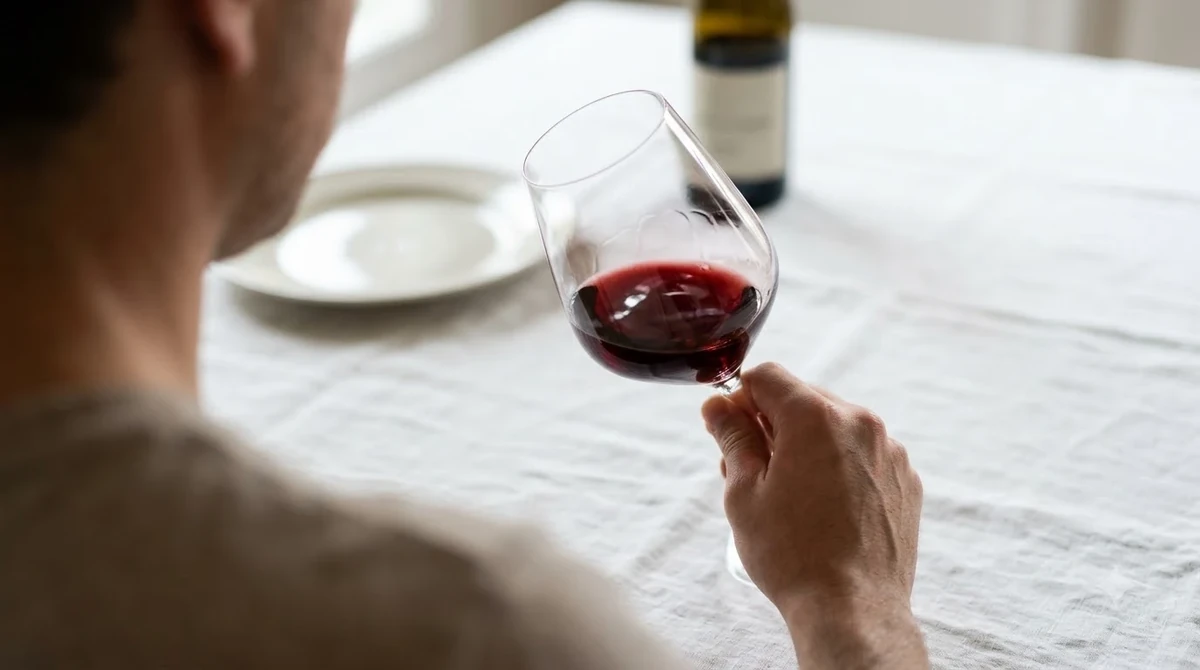
Pour approximately 5 ounces into a suitable red-wine glass and allow the aromas to develop. Look for blackberry, raspberry, and general ripe-fruit impressions. Then consider the texture, particularly the relationship between the generous mouthfeel and Cabernet Sauvignon’s firmer tannins. This first glass provides a better basis for judging the style than the front-label description alone.
After following these steps, decide whether the wine’s balance matches your usual preferences. Someone who enjoys ripe, juicy reds and moderate-to-firm tannins may find the combination appealing. A drinker looking for sharper acidity, lighter body, or more delicate fruit should consider another style before selecting a full bottle.
It is also useful to compare the wine with a red blend you already understand. For example, a softer Merlot-led blend may feel rounder, while a Cabernet Sauvignon-dominant wine may seem firmer and more structured. Those comparisons make it easier to determine whether Ménage à Trois Red provides the balance you actually want.
Types or Styles Explained
Ménage à Trois offers several red wines, so the original Red Blend is not the only option within the brand. Understanding the distinctions between the named products helps prevent buyers from confusing a fruit-forward three-grape blend with a softer red or a darker, more concentrated style.
The original Red Blend is the central choice for someone seeking the established Zinfandel, Merlot, and Cabernet Sauvignon combination. Its identity rests on ripe blackberry and raspberry jam flavors, a generous mouthfeel, and firm tannins. It is the natural starting point for someone interested in the classic Ménage à Trois style or looking for a versatile red to accompany grilled food.
Silk Soft Red Blend provides a named alternative for buyers who want to explore the brand’s softer red-wine direction. Its name communicates a different stylistic intention from the original blend, although buyers should not assume it has exactly the same grape composition. Anyone who prefers a more rounded drinking experience should compare its own product description rather than relying on the original Red Blend’s technical details.
Midnight Dark Red Blend is another distinct option in the range. Its darker-style positioning makes it relevant to shoppers who want to explore a different expression of California red wine. However, it should not be treated as simply a darker-labeled version of the original three-grape blend. The bottles represent separate products and should be evaluated according to their individual characteristics.
The producer’s wider California portfolio also includes Cabernet Sauvignon, Merlot, and Pinot Noir bottlings. These can be useful comparison points for buyers who want to understand the contribution of individual grapes. Cabernet Sauvignon offers a more direct route to the variety responsible for much of the original blend’s tannic structure, while Merlot offers a softer grape-focused alternative. Pinot Noir occupies a lighter, generally higher-acidity red-wine style.
There is also a difference between California-style red blends and traditional European blending approaches. Wine Enthusiast describes red blends as a broad international category that includes Bordeaux-style combinations of grapes such as Merlot and Cabernet Sauvignon, as well as Rhône-inspired combinations involving Grenache, Syrah, and Mourvèdre. These styles can have distinctly different structures and flavor profiles.
Tip: Compare wines by their actual grape composition and tasting descriptions, not just the words red blend. A Zinfandel-led California blend and a Grenache-Syrah-Mourvèdre combination can have very different fruit, tannin, acidity, and body.
For a wider look at the brand’s other choices, explore Ménage à Trois wine offerings alongside the original Red Blend. Shoppers who are exploring California wine producers more broadly can also use the Wine Brands directory to compare different producer identities and house styles.
Common Mistakes
The biggest mistakes with Ménage à Trois Red involve confusing fruit intensity with sweetness, assuming the wine has no tannin, and choosing food without considering acidity or spice. Understanding these distinctions produces a much more accurate impression of the wine’s actual style.
Assuming jammy fruit means a sugary wine
Blackberry jam and raspberry jam are descriptions of the wine’s fruit character. They do not independently establish the exact residual sugar level or tell you everything about its sweetness. A wine can have ripe, concentrated fruit flavors and still have perceptible tannic structure. Conversely, a technically dry wine can seem fruitier than expected because of its aroma and flavor intensity.
The 2020 producer specifications report residual sugar of 1.1 g/100 ml. This is a useful numerical reference for that particular release, but it should not be applied automatically to different vintages. Anyone who needs to compare sweetness precisely should seek technical information for the specific bottle rather than interpreting the word jam-like as a laboratory measurement.
Expecting Cabernet Sauvignon without tannin
The presence of Merlot and Zinfandel does not eliminate the structural contribution of Cabernet Sauvignon. The producer specifically describes the original blend as having firm tannins. Someone expecting the softness of a straightforward Merlot may notice more drying sensation, especially when tasting the wine without food.
Salt and fat can make tannic wines feel more balanced, which is why a grilled burger or fatty cut of beef can be a better companion than a very lean dish. Fat can soften the perception of tannin, while salty food changes how the wine’s structure registers on the palate. This is one reason substantial grilled dishes are sensible starting points.
Pairing it with overly spicy food
Chili heat can become more pronounced alongside alcohol and tannin. A heavily spiced dish with generous hot-pepper seasoning may therefore make the wine seem harsher than expected. If serving it with spicy barbecue or sausage, consider reducing the amount of chili and emphasizing smoky, savory, or slightly sweet flavors instead.
Highly acidic dishes also require attention. Tomato-heavy sauces, sharp vinaigrettes, and strongly sour ingredients can make a wine with less pronounced acidity seem flatter by comparison. A gentler tomato sauce or a richer meat-based pasta preparation is usually a more sensible starting point than a sharply acidic recipe.
Finally, avoid assuming that every red wine works with every protein. Oily fish can clash with tannic red wines, and very delicate seafood preparations may be overwhelmed by the fruit intensity. Grilled chicken is a better match for this blend, especially when served with a savory sauce or roasted vegetables.
Care and Storage Tips
Temperature has a substantial influence on how Ménage à Trois Red presents its fruit and tannins. A moderate serving temperature allows its blackberry and raspberry characteristics to remain expressive without emphasizing alcohol or making the wine seem overly heavy.
For a full-style red, aim for approximately 60–65°F. This is cooler than many domestic rooms, which means a bottle stored at ordinary room temperature may benefit from a brief refrigerator visit. The producer’s FAQ recommends chilling its red wines for 15–30 minutes before serving. That is a practical starting point, particularly when the bottle has been kept in a warm room.
Try pouring the first glass before making further adjustments. If the wine seems muted, allow it a few minutes in the glass. If it feels excessively warm or alcohol-heavy, return the bottle to the refrigerator briefly. Temperature adjustments are easier when made gradually rather than allowing the bottle to become very cold.
Storing unopened bottles
For longer storage, keep unopened bottles in a cool, relatively stable environment near 55°F. Avoid direct sunlight, heating equipment, and locations with repeated temperature changes. These conditions can affect wine quality even when the bottle remains sealed.
Store cork-finished bottles on their sides so the cork remains in contact with the wine. This helps limit the chance of the cork drying out over an extended storage period. A wine rack, suitable cellar, or temperature-controlled storage area is preferable to a sunny kitchen shelf or a cabinet beside an oven.
The original Red Blend is best approached as an accessible, fruit-focused wine rather than automatically treated as a bottle intended for extended cellaring. Its appeal lies primarily in its youthful fruit character and approachable structure. There is little reason to hold a bottle for years simply because it is a red wine.
Handling an opened bottle
Once opened, reseal the bottle with its original cork or a suitable wine stopper and put it in the refrigerator. Most opened still wines remain in reasonable drinking condition for approximately 3–5 days when stored properly. Keeping red wine refrigerated after opening slows the changes that occur as the wine is exposed to oxygen.
Before serving another glass, take the bottle out briefly and allow it to approach the desired drinking temperature. You do not need to leave an opened red sitting on a warm counter for several hours. Gradual temperature adjustment works better and helps maintain the wine’s fruit expression.
A standard 750 ml bottle provides approximately five 5-ounce servings. That makes it reasonably straightforward to plan for a dinner with several guests or to divide a bottle over more than one occasion. A wine stopper and refrigerator storage are particularly useful when you expect to drink only one or two glasses at a time.
Decanting is optional rather than a requirement. Young, full-bodied reds can benefit from approximately 30–60 minutes of aeration, but Ménage à Trois Red’s fruit-forward style does not automatically demand a long decant. Start with a glass and assess the tannins. More air may be useful if the wine feels particularly tight, but there is no reason to introduce extra preparation if it already drinks comfortably.
Frequently Asked Questions
The original blend has three defining grape varieties, but the brand also has a longer history, a distinctive French name, and several different bottle formats. These answers cover a few additional details that help distinguish Ménage à Trois from other California wine labels.
What does Ménage à Trois mean in English?
The French expression translates as “a household of three.” The producer connects the name to its approach of combining different grape varieties into a single wine. It reflects the original three-grape concept rather than identifying a particular vineyard or grape-growing region.
When was Ménage à Trois first launched?
The brand launched in 1996 in St. Helena, California. Its original three-variety red blend helped establish its identity before the portfolio expanded into additional wines. This Napa Valley location is part of the brand’s founding history.
Who owns Ménage à Trois wines?
Ménage à Trois is part of the Trinchero Family Wine and Spirits portfolio. The brand became part of that portfolio in 2004, following its initial launch in California. Trinchero’s broader portfolio includes several other wine brands and collections.
What inspired the Ménage à Trois twin-dancer logo?
The brand’s twin-dancer artwork was inspired by Rorschach inkblots. The design reflects the founders’ intention to create an unusual visual identity that communicated the label’s playful personality. It is a recognizable element across the brand’s packaging and promotional materials.
Does Ménage à Trois Red come in a smaller bottle format?
The producer lists an original Red Blend four-pack containing individual 187 ml bottles. Each smaller bottle provides a convenient portion for someone who prefers not to open a full 750 ml bottle. Availability can differ between retailers and markets.
Ménage à Trois Red is a sensible choice for drinkers who enjoy ripe California fruit, a generous mouthfeel, and noticeable but approachable tannins. Its combination of Zinfandel, Merlot, and Cabernet Sauvignon makes it particularly useful alongside burgers, grilled meats, and everyday savory meals. Compare the specific vintage, serve it around 60–65°F, and choose it for its fruit-forward character rather than expecting a delicate or highly acidic red.
More in Wine Brands
 Underwood Wine Price: Compare Bottles, Cans, and Pack SizesUpdated Nov 21, 2026
 Zenato Wine Price: Compare Styles and Choose the Right BottleUpdated Nov 21, 2026
 Zuccardi Wine Price: Compare Bottles and Find the Right RangeUpdated Nov 21, 2026
 Yellow Tail Moscato Review: Taste, Sweetness and Serving TipsUpdated Nov 21, 2026
 Wolf Blass Yellow Label Review: Choose Your Best StyleUpdated Nov 21, 2026
 Wolffer Estate Rose Review: Choose the Right Bottle for Your TableUpdated Nov 21, 2026