

We may earn a commission when you buy through links on this page, at no extra cost to you. Learn more.
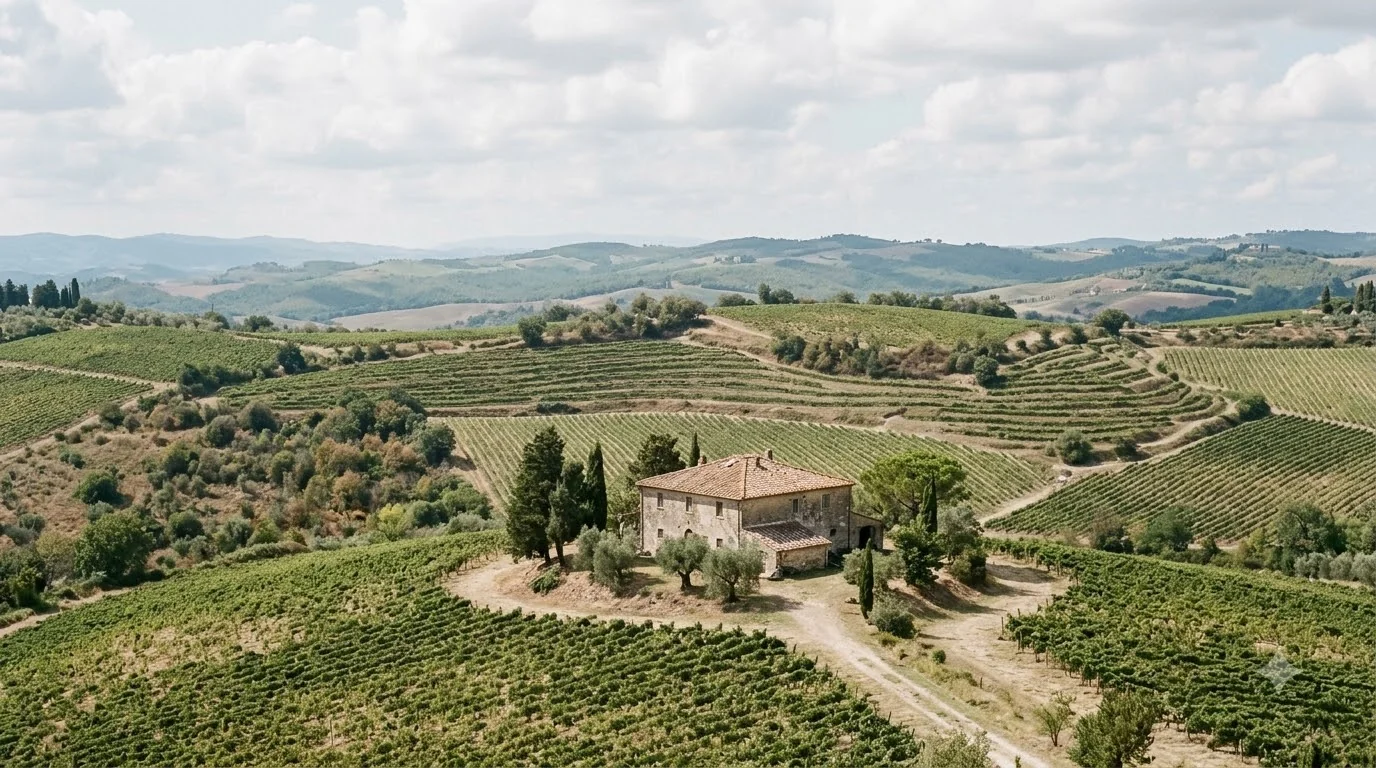
The medoc wine region is a narrow, gravel-rich peninsula on the Left Bank of the Gironde estuary in Bordeaux, France, famous for structured, age-worthy Cabernet Sauvignon-based red blends. Stretching roughly 50 miles (80 kilometers) north from the outskirts of Bordeaux toward the Atlantic coast, it encompasses two regional appellations and six renowned communal appellations. Four of the five legendary First Growth estates from the 1855 Classification sit within its borders.
Protected from harsh Atlantic gales by the Landes pine forest to the west and moderated by the wide Gironde estuary to the east, this maritime corridor offers ideal conditions for late-ripening red grapes. Whether you are eyeing a collectible bottle from Pauillac or an approachable weeknight red from the northern tip of the peninsula, understanding how geography and soil divide this historic territory makes every wine label far easier to read.
Overview of the Médoc Peninsula
The Médoc sits between two bodies of water on Bordeaux’s Left Bank, a geographic position that shapes both its climate and its distinctive gravel ridges. Over millennia, rivers washed quartz pebbles down from the Pyrenees and the Massif Central, leaving behind elevated, well-drained mounds known locally as croupes.
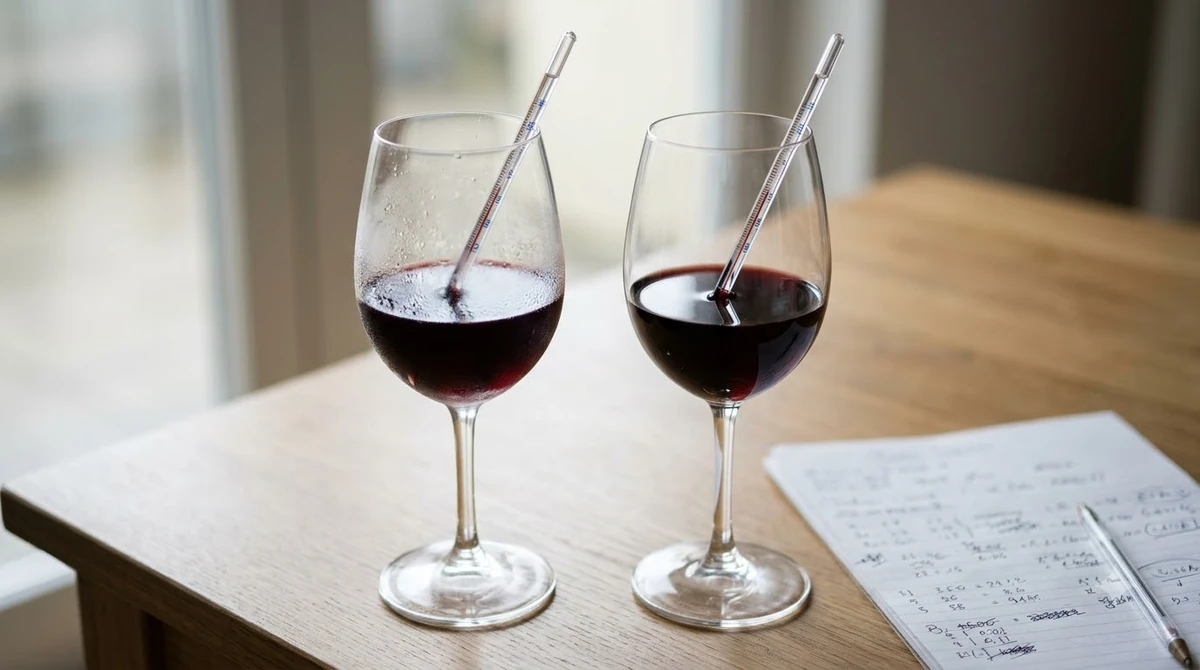
These gravel beds act as natural heat batteries. During sunny afternoons, the pale stones absorb warmth from the sky and radiate it back up into the vine canopy after sundown, helping thick-skinned Cabernet Sauvignon reach full phenolic ripeness even in a cool maritime climate. Because gravel drains rainwater rapidly, the vines must send their roots deep underground in search of moisture, which naturally curbs yields and concentrates flavor in the berries.
Prior to the seventeenth century, much of the peninsula consisted of marshland unsuitable for commercial viticulture. Dutch engineers drained the wetlands in the 1600s, exposing the prime gravel hillocks along the estuary and sparking a vineyard boom funded by English and Dutch merchants. That commercial surge culminated in the famous Bordeaux Official Classification of 1855, which ranked 60 Médoc châteaux into five tiers of quality that still influence wine collecting today. If you are exploring classic European territories across our Wine Regions library, few places illustrate the direct link between geology and wine prestige as clearly as this strip of land.
Sub-Regions and Appellations
The medoc wine region is organized into eight distinct Appellations d’Origine Contrôlée (AOCs): two overarching regional zones and six smaller communal appellations nested inside the southern half. Knowing the difference between the north and the south is the single best way to predict what a bottle will taste like before pulling the cork.
The northern section of the peninsula falls under the regional Médoc AOC (historically referred to as Bas-Médoc). Here, the gravel deposits thin out and give way to heavier clay and limestone soils that retain more moisture and stay cooler during the growing season. Because Merlot ripens earlier and thrives in clay, blends from the northern Médoc lean more heavily on Merlot, producing softer, fruit-forward red wines designed for earlier enjoyment at accessible everyday prices.
Moving south toward the city of Bordeaux, the territory becomes the Haut-Médoc AOC, which covers roughly the southern two-thirds of the peninsula and contains the deepest gravel mounds. Within the Haut-Médoc sit the six celebrated communal appellations, each recognized for a distinct personality shaped by subtle shifts in soil composition and proximity to the estuary:
| Appellation | Location | Dominant Soil | Signature Wine Style |
|---|---|---|---|
| Médoc AOC | Northern peninsula | Clay and limestone with pockets of gravel | Approachable, medium-bodied, plum and red berry fruit, softer tannins |
| Haut-Médoc AOC | Southern two-thirds (outside communes) | Gravel, sand, and clay | Balanced structure, dark fruit, cedar, solid aging potential |
| Saint-Estèphe | Northernmost commune of Haut-Médoc | Heavy clay over gravel | Firm, mineral-driven, dense tannins, built for long cellaring |
| Pauillac | Central Haut-Médoc | Deep gravel mounds | Full-bodied, powerful blackcurrant, cedar, graphite, monumental longevity |
| Saint-Julien | Between Pauillac and Margaux | Garonne gravel | Harmonious, poised, smooth balance of power and silky elegance |
| Margaux | Southernmost commune | Fine, lighter gravel and sand | Fragrant, floral, violet aromatics, supple and refined texture |
| Listrac-Médoc | Inland, west of Moulis | Clay-limestone plateau | Firm, rustic, earthy structure with bright acidity |
| Moulis-en-Médoc | Inland, between Margaux and Saint-Julien | Gravel outcrops and clay-limestone | Concentrated, dark-fruited, structured yet supple |
As documented by the Conseil des Vins du Médoc, the broader Médoc appellation spans roughly 5,560 hectares of vines and accounts for around 36 million bottles in an average vintage, supported heavily by both independent family estates and cooperative cellars. Meanwhile, the six communal appellations occupy smaller, tightly delimited vineyard zones where gravel terraces overlook the Gironde.
Key Grapes and Wine Styles
Red wine defines the Médoc, and nearly every bottle is a classic Bordeaux blend anchored by Cabernet Sauvignon and Merlot. According to vineyard breakdowns from Wine Folly, Left Bank Médoc estates rely on Cabernet Sauvignon for structure and aging power, supported by smaller proportions of Merlot, Cabernet Franc, and Petit Verdot.
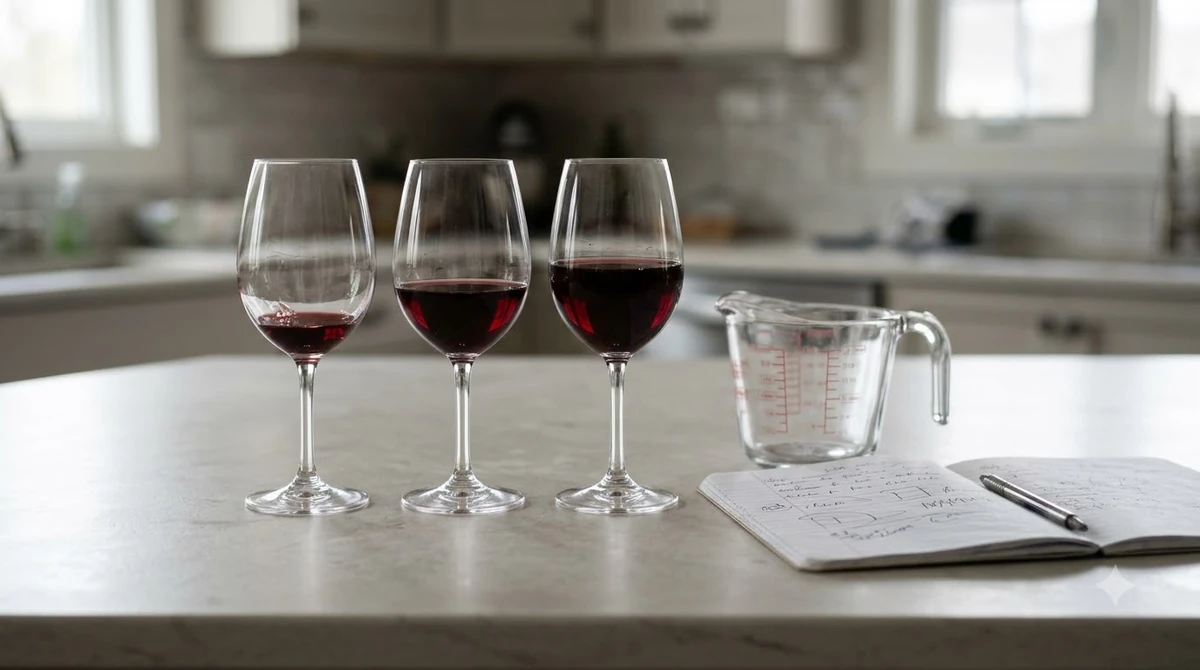
In the top gravel vineyards of the Haut-Médoc, Cabernet Sauvignon regularly makes up 60 to 65 percent of the final blend, sometimes climbing even higher in warm, dry vintages. It contributes deep ruby-to-purple color, brisk acidity, firm tannins, and hallmark aromas of blackcurrant (cassis), black cherry, cedarwood, and pencil shavings. Merlot, typically accounting for 25 to 30 percent of the mix, steps in to flesh out the mid-palate with plush plum fruit and roundness, softening Cabernet’s austere edges during youth.
Cabernet Franc adds lifted herbal and violet aromatics along with red berry brightness, while Petit Verdot—used in tiny 1 to 3 percent increments—lends deep pigment, spicy complexity, and extra tannic grip. Unlike neighboring Mediterranean regions such as the jumilla wine region where Monastrell dominates sun-drenched single-varietal bottlings, Médoc winemakers treat blending as an essential annual balancing act to counter Bordeaux’s unpredictable Atlantic weather. In youth, these wines feel tightly wound and savory; after 10 to 20 years in a cool cellar, the tannins melt into notes of cigar box, worn leather, forest floor, and dried dark fruit.
Notable Producers and Classifications
Because Médoc estates vary widely in scale and price, three overlapping classification systems help buyers navigate quality tiers across the peninsula. The most famous is the 1855 Classification, which ranked the top estates of the Haut-Médoc into First through Fifth Growths based on market reputation and vineyard quality.
Four of Bordeaux’s five First Growths (Premiers Crus Classés) reside in the Médoc: Château Lafite Rothschild, Château Latour, and Château Mouton Rothschild in Pauillac, alongside Château Margaux in Margaux. Other benchmark classified estates across the communes include Château Cos d’Estournel in Saint-Estèphe, Château Pichon Baron and Château Lynch-Bages in Pauillac, Château Léoville-Las Cases and Château Beychevelle in Saint-Julien, and Château Palmer and Château Brane-Cantenac in Margaux.
Outside the 1855 hierarchy, the Cru Bourgeois classification evaluates hundreds of estates across both the Médoc and Haut-Médoc appellations on a regular cycle, spotlighting reliable, well-crafted bottles that deliver classic Left Bank character without First Growth rarity. Alongside them, the Cru Artisan designation recognizes small, family-run properties where the owner personally oversees vineyard farming, winemaking, and bottling.
Visiting Tips for the Médoc
Planning a trip through the medoc wine region revolves around the Route des Châteaux, also known as the D2 departmental road, which winds north from Blanquefort past legendary vineyard gates all the way toward the northern estuary. Unlike Napa Valley or the marche wine region in Italy, where casual walk-in tasting rooms are common, nearly all Médoc châteaux require advance appointments booked weeks or months ahead.
Base yourself either in the city of Bordeaux for a 45-to-60-minute morning drive into Margaux and Saint-Julien, or stay directly in the town of Pauillac along the Gironde riverfront to cut down on transit time between appointments. Aim for two or at most three estate visits per day—one in the morning and one or two after lunch—since tours typically include a thorough walk through the barrel cellars and last 60 to 90 minutes each. Many estates pause tours during the busy September and October harvest window, making May through early July or late October ideal months for a quieter visit.
Tip: Start your itinerary at the Maison du Tourisme et du Vin in central Pauillac, where local staff can help confirm last-minute château appointments and provide regional vineyard maps.
How to Buy and Serve Médoc Wines
When shopping for Médoc bottles in the United States, let your drinking timeline guide which appellation you pick off the shelf. If you want a red wine for dinner tonight, look for a Cru Bourgeois bottling from the Médoc AOC, Haut-Médoc AOC, or Moulis-en-Médoc from an approachable, fruit-forward vintage, which will show generous dark fruit and supple tannins right away.
For special occasions or cellar aging, target classified growths or top second wines (such as Carruades de Lafite or Alter Ego de Palmer) from Pauillac, Saint-Julien, Margaux, or Saint-Estèphe, giving them at least 8 to 15 years of bottle age to shed their youthful grip. Serve Médoc reds slightly below room temperature at 60 to 63 degrees Fahrenheit (15 to 17 degrees Celsius). If opening a bottle younger than ten years old, decant it for one to two hours beforehand to soften the Cabernet Sauvignon tannins and open up its cedar and cassis aromatics, then pair it with herb-crusted rack of lamb, grilled ribeye steak, or aged hard cheeses like Comté. If you enjoy structured, savory European reds with notable aging potential, you may also appreciate exploring the bierzo wine region of northwestern Spain.
Frequently Asked Questions
What is the difference between Médoc and Haut-Médoc?
Médoc AOC covers the northern half of the peninsula, where cooler clay-limestone soils yield softer, Merlot-leaning reds meant for early drinking. Haut-Médoc AOC covers the southern two-thirds of the peninsula and contains deeper gravel deposits along with the six famous communal appellations, producing firmer, more age-worthy Cabernet Sauvignon blends.
Are all wines from the Médoc wine region red?
Virtually all wines carrying a Médoc or communal appellation label are dry red blends, as the regional AOC rules strictly govern red wine production. A handful of estates produce small quantities of dry white wine from Sauvignon Blanc and Sémillon, though these bottles are labeled under the broader regional Bordeaux AOC rather than a Médoc appellation.
How long should you age a bottle of Médoc wine?
Entry-level Médoc AOC and Cru Bourgeois bottles drink well within 3 to 8 years of the vintage date. Classified growths from Pauillac, Saint-Julien, Saint-Estèphe, and Margaux typically require 10 to 20 years to reach peak complexity, and top vintages from First Growth estates can evolve gracefully for 30 to 50 years.
What does a classic Médoc wine taste like?
Young Médoc wines feature concentrated flavors of blackcurrant, blackberry, and dark plum framed by brisk acidity, firm tannins, and oak notes of cedar and vanilla. With bottle age, the fruit turns savory and secondary aromas of graphite, tobacco leaf, leather, and dried herbs take center stage.
From the approachable, clay-grown reds of the northern peninsula to the monumental gravel estates of Pauillac and Margaux, the medoc wine region offers a clear roadmap to Left Bank Bordeaux. Start by comparing a Cru Bourgeois Haut-Médoc alongside a communal bottling from Saint-Julien or Margaux to experience firsthand how a few miles of gravel can transform Cabernet Sauvignon in the glass.
More in Wine Regions
 Willcox Wine Trail: Discover Arizona’s High-Elevation Wine CountryUpdated Nov 20, 2026
 Yakima Valley Wine Region: Find the Best Styles to TryUpdated Nov 20, 2026
 Vosne Romanee Wine Tasting: Identify Aromas and Choose Better PairingsUpdated Nov 20, 2026
 Yakima Valley Wine Festival: Find the Best Seasonal Wine EventsUpdated Nov 20, 2026
 Wales Vineyards: Discover Cool-Climate Wines and Where to VisitUpdated Nov 20, 2026
 Yountville Wine Festival: Discover Napa Wines and Local FoodUpdated Nov 20, 2026