

We may earn a commission when you buy through links on this page, at no extra cost to you. Learn more.
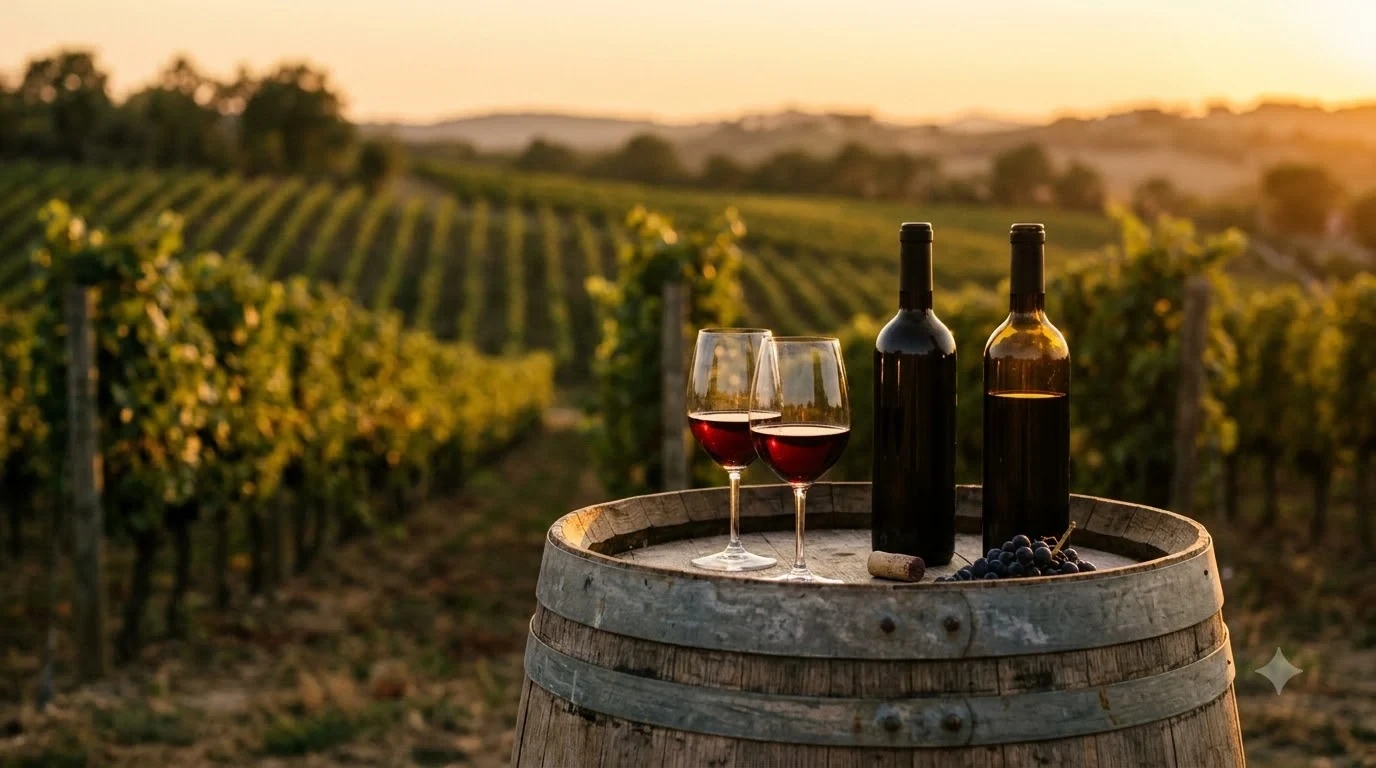
Medoc vineyards are famous Bordeaux wine estates on the Left Bank of the Gironde estuary in southwestern France, where gravel-rich soils, a maritime climate, and Cabernet Sauvignon-based blends produce some of the world’s most recognized red wines. The region includes eight distinct appellations, from prestigious Pauillac and Margaux to the broader Médoc and Haut-Médoc areas. Understanding their geography, grape varieties, and classification systems makes it easier to appreciate the differences between individual estates and choose wines that suit your preferences.
Stretching north from Bordeaux toward the Atlantic coast, the Médoc combines historic wine estates, carefully maintained vineyards, traditional winemaking, and distinctive landscapes. Whether you are researching Bordeaux wines, planning a vineyard visit, or looking for an alternative to familiar regions such as Tuscany, the Médoc offers plenty to explore. Here is how its vineyards developed, what makes their growing conditions distinctive, and which appellations deserve attention.
Where the Médoc Vineyards Are Located
The Médoc occupies the Left Bank of the Gironde estuary, north of Bordeaux, in France’s Gironde department. Its winegrowing peninsula extends approximately 80 kilometers from north to south, with the Atlantic Ocean to the west and the Gironde estuary to the east.
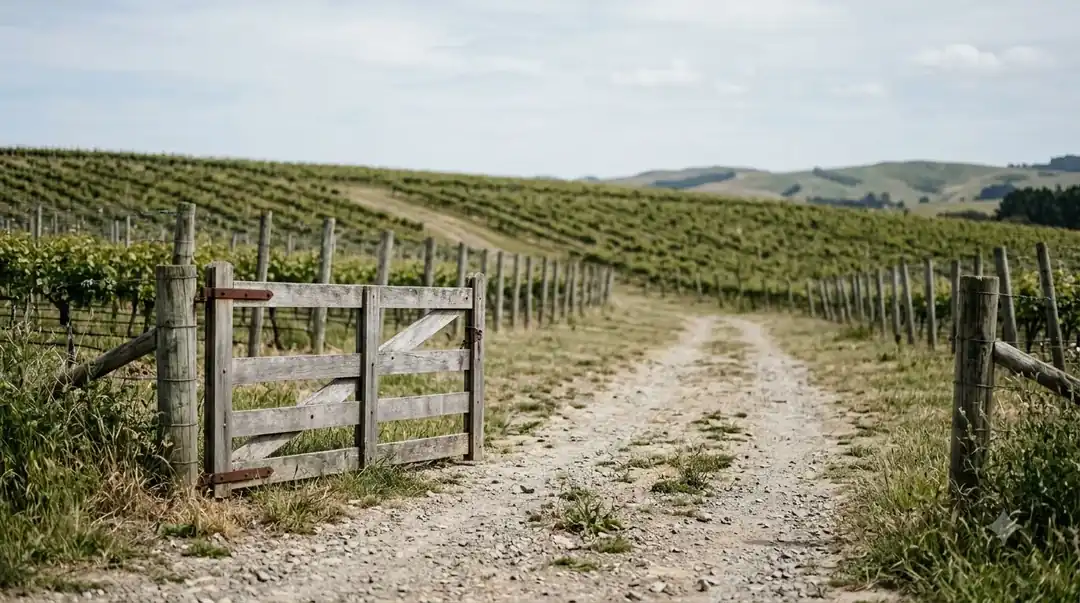
This geographical position is central to understanding Médoc wine. The Atlantic influences the region’s weather, while the estuary helps moderate temperatures. Forests, streams, marshes, villages, and vineyard-covered gravel mounds create a landscape that changes as visitors travel north along the peninsula.
The winegrowing area is relatively flat, generally ranging between 3 and 50 meters above sea level. Rather than dramatic mountain slopes, its vineyards occupy gentle rises and terraces. These elevated gravel formations, known locally as croupes, are particularly important because their drainage characteristics help vines grow under conditions that would be less suitable for other crops.
The Médoc is not a single uniform appellation. It is divided into eight principal appellations, each with its own geographical boundaries and wine identity:
- Médoc: The broader northern appellation, known for varied red wines and estates across the peninsula.
- Haut-Médoc: A large southern and central appellation that includes several famous wine-producing communes.
- Margaux: Recognized for elegant, aromatic Cabernet Sauvignon-based blends.
- Moulis-en-Médoc: A smaller appellation with a reputation for structured, balanced reds.
- Listrac-Médoc: An inland appellation associated with comparatively clay-rich soils and structured wines.
- Pauillac: A prestigious appellation known for powerful Cabernet Sauvignon-based wines.
- Saint-Julien: Famous for balanced, refined wines combining structure and aromatic complexity.
- Saint-Estèphe: Known for substantial structure, firm tannins, and wines suited to aging.
These distinctions matter because a bottle labeled Margaux does not necessarily offer the same experience as one labeled Saint-Estèphe. Both belong to the Médoc, but differences in soil, vineyard location, grape composition, and winemaking create distinct expressions.
The region also has a broader identity within Bordeaux. While the Right Bank is particularly associated with Merlot and Cabernet Franc, the Left Bank Médoc is strongly associated with Cabernet Sauvignon. Readers exploring other wine-producing landscapes can compare this geography with Tasmania vineyards, where cooler growing conditions create a very different approach to vineyard selection and grape ripening.
Gravel Soils, Climate, and the Médoc Terroir
The defining feature of many celebrated Médoc vineyards is their gravel-rich soil, which provides excellent drainage and helps regulate growing conditions. Combined with the moderating influence of the Atlantic Ocean and Gironde estuary, these conditions support Cabernet Sauvignon and other Bordeaux varieties.
The French term terroir describes the combined influence of soil, climate, topography, sunlight, and other environmental characteristics on wine. In the Médoc, terroir is especially important because neighboring vineyards can produce noticeably different wines even when they grow similar grape varieties.
Gravel deposits are made up of stones, pebbles, and sand transported through the regional river system over thousands of years. These deposits form the characteristic gravel mounds throughout the peninsula. Water drains relatively quickly through them, preventing excessive moisture from remaining around vine roots.
Good drainage can encourage vines to develop deeper root systems as they seek water. Gravel also warms relatively quickly, helping grapes ripen in a maritime climate where rainfall and cooler conditions can influence harvest decisions.
Clay is another important soil component. Unlike gravel, clay retains water and can help vines maintain access to moisture during drier periods. Certain clay-rich sites produce wines with substantial body and firm tannins. Château Latour, for example, is associated with vineyard parcels containing particularly clay-rich soils.
Other Médoc vineyards contain combinations of limestone, sand, and loam. Each soil type creates different growing conditions, so vineyard managers must adapt their practices to individual parcels rather than treating the entire estate as one uniform growing environment.
How the maritime climate affects grape growing
The Médoc experiences an oceanic climate, with relatively moderate seasonal temperature changes and the possibility of significant rainfall. The Atlantic and Gironde help reduce extreme temperature fluctuations, although weather conditions can vary considerably between growing seasons.
The maritime influence is beneficial in several ways. Moderate temperatures can support a gradual ripening process, while the estuary helps limit some of the temperature extremes that might otherwise affect the vines. However, rainfall close to harvest can create challenges, particularly when growers need additional time for Cabernet Sauvignon to reach full maturity.
According to the official Médoc product specification published through EUR-Lex, vineyard management takes account of the differences between soil types, grape varieties, and individual parcels. This selective approach helps explain why even neighboring properties can produce wines with distinct characteristics.
For a deeper understanding of the relationship between vineyard conditions and historical Bordeaux estates, the Conseil des Grands Crus Classés en 1855’s explanation of Médoc terroir provides useful background on gravel, clay, climate, and the development of the region’s vineyard identity.
Tip: When comparing Médoc wines, pay attention to the appellation and the producer rather than relying only on the word Bordeaux. A Pauillac from a gravel-rich vineyard and a Saint-Estèphe from a clay-influenced site can have noticeably different structures, even when both contain substantial Cabernet Sauvignon.
The Main Grape Varieties Grown in Médoc Vineyards
Medoc vineyards are planted primarily with red Bordeaux grape varieties, led by Cabernet Sauvignon and Merlot. Cabernet Sauvignon provides structure and aging potential, while Merlot contributes fruitiness and a softer texture to many blends.
Cabernet Sauvignon is particularly well suited to the Médoc’s deep gravel soils. It generally produces wines with pronounced tannins, dark fruit flavors, and substantial structure. Common aromatic characteristics include blackcurrant, blackberry, cedar, and herbal notes, although the exact profile depends on the vineyard, vintage, and winemaking decisions.
Merlot is another major variety. It is especially useful on clay-rich and moisture-retaining soils, where it can develop generous fruit characteristics. In blends, Merlot often softens Cabernet Sauvignon’s firmer structure and contributes flavors associated with ripe plum, cherry, and blackberry.
Several additional varieties contribute to the region’s blending traditions:
- Cabernet Franc: Adds aromatic complexity, freshness, and red-fruit characteristics. It can be particularly suitable for limestone-influenced sites.
- Petit Verdot: Often contributes deep color, concentrated fruit, spice, and additional tannin. It performs well in warm, well-drained vineyard parcels.
- Carmenère: A traditional Bordeaux variety that remains permitted in Médoc wines, although it is much less prominent than Cabernet Sauvignon or Merlot.
- Côt (Malbec): Also permitted in the regional specifications, Malbec can contribute color, fruit, and structure.
Blending is a defining feature of Médoc winemaking. Rather than depending on one grape variety, many producers combine several varieties to achieve a balance of fruit, acidity, tannin, and aromatic complexity.
Understanding the role of each grape
The following table summarizes the principal grape varieties and their typical contributions to Médoc red wines.
| Grape variety | Typical contribution | General character |
|---|---|---|
| Cabernet Sauvignon | Structure and tannin | Blackcurrant, cedar, firm finish |
| Merlot | Fruit and softness | Plum, cherry, round texture |
| Cabernet Franc | Aromatic complexity | Red fruit, herbs, freshness |
| Petit Verdot | Color and structure | Dark fruit, spice, firm tannin |
| Carmenère | Additional aromatic character | Herbal notes and dark fruit |
| Côt (Malbec) | Color and fruit concentration | Dark fruit and structure |
These are general blending roles rather than fixed recipes. Each producer determines the proportions according to the vineyard’s characteristics and the style of wine being produced. A Cabernet Sauvignon-dominant wine may be particularly structured, while a blend with more Merlot may feel rounder and more approachable.
Vintage conditions also matter. A warm growing season can encourage fuller ripeness, while cooler or wetter conditions may affect the balance between acidity, fruit development, and tannin. The same château can therefore produce different expressions across different vintages.
For wine drinkers, understanding the grape varieties is a practical way to select bottles. Those who enjoy structured reds with pronounced tannins may prefer Cabernet Sauvignon-dominant Médoc wines. Those looking for softer fruit and a rounder texture may enjoy blends containing a greater proportion of Merlot.
Eight Médoc Appellations and Their Distinctive Wine Styles
The eight Médoc appellations provide a useful framework for understanding the region’s diversity. Each has its own geographical identity, and the differences between the northern regional appellations and the celebrated southern communes are important when comparing bottles.
The two regional appellations are Médoc and Haut-Médoc. The six communal appellations are Margaux, Moulis-en-Médoc, Listrac-Médoc, Pauillac, Saint-Julien, and Saint-Estèphe.
Médoc and Haut-Médoc
Médoc wines come from the broader northern part of the peninsula. Their styles vary according to soil composition and grape proportions, with both approachable fruit-driven wines and more structured examples available.
Haut-Médoc lies farther south and includes several important wine-producing communes. It provides access to estates outside the most famous communal appellations, making it an interesting area for discovering Bordeaux producers without focusing exclusively on the best-known château names.
Margaux
Margaux is widely associated with elegance, aromatic detail, and refined tannins. Its wines frequently show blackcurrant, cherry, floral, and cedar characteristics, with Cabernet Sauvignon playing an important role in the blends.
The appellation includes famous estates such as Château Margaux and Château Giscours. Its vineyard landscape includes gravel mounds that contribute to the distinctive style of many of its wines.
Pauillac
Pauillac is among the Médoc’s most prestigious appellations. It is home to Château Lafite-Rothschild, Château Latour, and Château Mouton Rothschild, three First Growth estates in the 1855 Classification.
Pauillac wines are commonly associated with concentrated blackcurrant fruit, firm tannins, cedar, and substantial aging potential. Cabernet Sauvignon is particularly important in the region’s classic red blends.
Saint-Julien
Saint-Julien is known for combining structure with balance. Its wines often display dark fruit, cedar, and savory complexity, while maintaining a polished texture that distinguishes many examples from more forceful styles elsewhere in the Médoc.
Important estates include Château Léoville Las Cases, Château Léoville-Poyferré, Château Léoville Barton, and Château Ducru-Beaucaillou.
Saint-Estèphe
Saint-Estèphe is located toward the northern part of the southern communal appellation group. Its wines are frequently associated with firm tannins, substantial structure, and concentrated dark-fruit flavors.
Château Cos d’Estournel and Château Montrose are two well-known estates. Clay-influenced soils in parts of the appellation contribute to its distinctive growing conditions.
Moulis-en-Médoc and Listrac-Médoc
Moulis-en-Médoc and Listrac-Médoc are smaller appellations that deserve attention from drinkers interested in exploring beyond the most famous Bordeaux names. Both produce red wines using traditional Bordeaux grape varieties.
Moulis offers varied expressions shaped by different soil conditions, while Listrac is associated with a more inland position and significant clay and limestone influences. These appellations provide opportunities to discover distinctive producers without assuming that the most famous classification always identifies the most interesting bottle.
The establishment dates of the communal appellations also help explain the development of the region’s modern wine identity:
| Appellation | Appellation recognition | Classification |
|---|---|---|
| Saint-Estèphe | 1936 | Communal |
| Pauillac | 1936 | Communal |
| Saint-Julien | 1936 | Communal |
| Moulis-en-Médoc | 1938 | Communal |
| Margaux | 1954 | Communal |
| Listrac-Médoc | 1957 | Communal |
The dates above refer to the formal recognition of the communal appellations, not the beginning of winegrowing in those locations. Vineyard cultivation and the reputation of Médoc wines existed long before the modern appellation system.
The 1855 Classification and Famous Médoc Wine Estates
The 1855 Classification is one of the most influential historical ranking systems in Bordeaux. Commissioned for the Paris World’s Fair under Napoleon III, it organized leading estates into five growth levels, from First Growth to Fifth Growth.
The ranking was largely based on the historical reputation and market prices of the estates’ wines. It was not a modern scientific assessment of soil quality, vineyard management, or every wine produced by an estate. Nevertheless, it remains an important reference for understanding Bordeaux’s wine history and the prestige associated with particular château names.
Four of the five First Growth estates in the classification are located in the Médoc. The fifth, Château Haut-Brion, is in Graves, south of the Médoc.
The four Médoc First Growth estates
- Château Lafite-Rothschild: Located in Pauillac, it is recognized for Cabernet Sauvignon-led wines with structure, aromatic complexity, and aging potential.
- Château Latour: Also located in Pauillac, it is associated with powerful, concentrated wines and substantial structure.
- Château Mouton Rothschild: Located in Pauillac, it was promoted from Second Growth to First Growth in 1973.
- Château Margaux: Located in the Margaux appellation, it is particularly associated with aromatic elegance and refined Bordeaux blends.
The classification also includes Second, Third, Fourth, and Fifth Growth estates. Well-known examples include Château Léoville Las Cases and Château Ducru-Beaucaillou in Saint-Julien, Château Cos d’Estournel in Saint-Estèphe, and Château Brane-Cantenac in Margaux.
However, the classification should not be confused with the appellation system. A wine’s appellation identifies its geographical origin and production rules, while its 1855 growth classification describes the historical ranking of a particular estate.
Other quality categories in the Médoc
Not every respected Médoc producer belongs to the 1855 Classification. The Crus Bourgeois system provides another important quality reference for estates across the eight appellations.
This category has its own selection and classification framework. It is particularly useful for wine drinkers who want to explore producers beyond the famous classified estates. Some non-classified properties have developed strong reputations through consistent vineyard work and winemaking.
It is also important to remember that classification does not guarantee that every vintage will suit every drinker. Weather, harvest decisions, blending, and bottle age all influence the final wine. A well-made bottle from a less famous property can be an excellent choice, even when its château does not have a prestigious historical ranking.
For anyone beginning to explore the Médoc, comparing a First Growth, a classified growth from another level, and a well-regarded Cru Bourgeois can be an informative way to understand the region’s range of styles.
Visiting Médoc Vineyards and Exploring the Route des Châteaux
The Médoc is an appealing destination for wine tourism, particularly for visitors interested in historic estates, vineyard landscapes, and Bordeaux’s traditional winemaking culture. The best-known route is the D2, commonly called the Route des Châteaux, which runs through the heart of the winegrowing region.
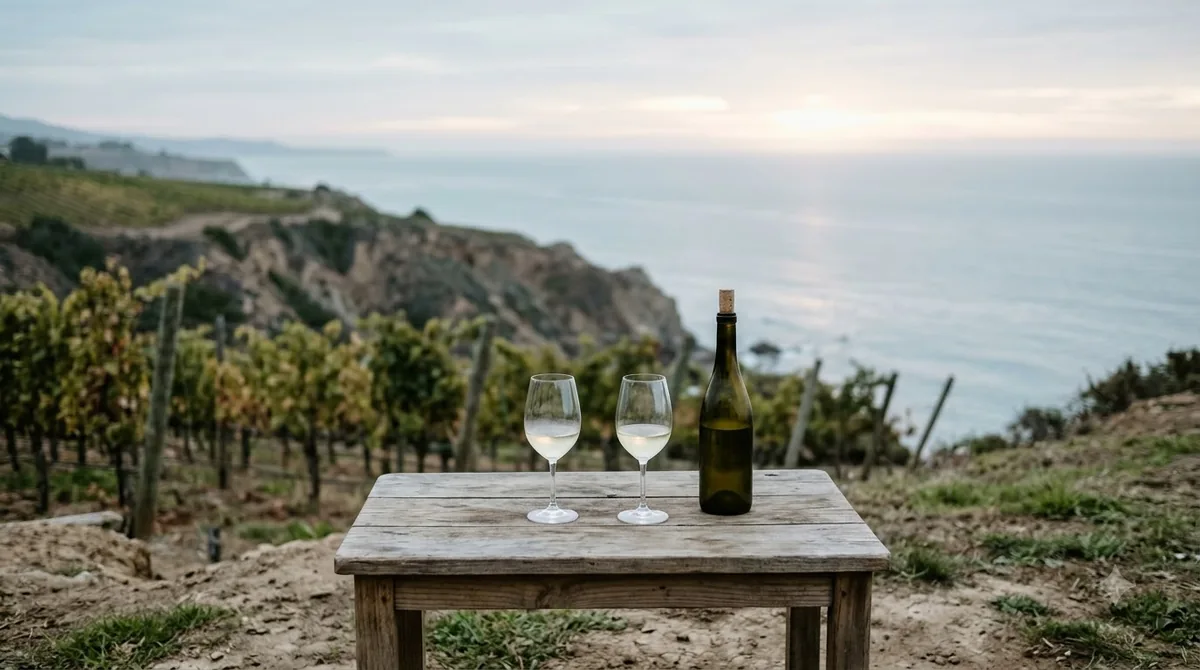
The route follows the peninsula through vineyards, villages, and château properties. According to the Michelin Guide, the wider wine route stretches approximately 80 kilometers and crosses all eight Médoc appellations, covering nearly 16,000 hectares of vineyards.
Starting from the Bordeaux area, visitors can travel north toward Margaux, then continue through Saint-Julien, Pauillac, and Saint-Estèphe. This route provides a useful introduction to the differences between the appellations while offering opportunities to visit selected estates.
Choosing estates to visit
Margaux is an excellent starting point for visitors interested in historic architecture and prestigious wine estates. Château Giscours, for example, provides a notable example of the appellation’s landscape, with vineyards occupying gravel outcrops.
Pauillac is another natural destination for wine enthusiasts. Its association with Château Lafite-Rothschild, Château Latour, and Château Mouton Rothschild makes it an important stop for understanding the history of classified Bordeaux wines.
Further north, Saint-Julien and Saint-Estèphe provide opportunities to compare different expressions of Cabernet Sauvignon-based blends. The contrast between the refined balance associated with Saint-Julien and the substantial structure often found in Saint-Estèphe can be particularly interesting.
Not every estate operates as a public tourist attraction. Some properties offer scheduled tastings, guided tours, or appointments, while others may have limited visitor access. It is sensible to arrange visits directly with individual estates rather than assuming that every château along the D2 accepts walk-in visitors.
Planning a vineyard itinerary
A practical visit should focus on a manageable number of estates rather than attempting to cover every appellation in one day. Two or three appointments can provide enough time to understand vineyard conditions, winemaking methods, and the wines themselves.
Consider these planning priorities:
- Choose a geographical starting point: Margaux and the southern Médoc provide a convenient introduction when traveling from Bordeaux.
- Select complementary appellations: Combine Margaux with Pauillac or Saint-Julien to compare different vineyard identities.
- Book tastings in advance: Confirm appointment times, languages, visitor requirements, and available tasting options.
- Allow time for travel: The D2 passes through villages and vineyard areas, so driving times can be longer than expected.
- Plan transportation carefully: A designated driver or organized wine tour is preferable when several tastings are included.
Spring and early fall are attractive periods for exploring the region. Spring offers active vineyard growth and pleasant opportunities to see the countryside, while September and October can bring the excitement of harvest, depending on the weather and individual estate schedules.
Visitors interested in comparing international vineyard destinations can also explore Uruguay vineyards, where maritime influences and different grape-growing traditions create another perspective on regional wine production.
How to Choose, Serve, and Enjoy Médoc Wines
Understanding the appellation, grape composition, and vintage can help you select a Médoc wine that suits your preferences. These wines are generally dry red blends, with Cabernet Sauvignon and Merlot playing the leading roles.
For a structured red with pronounced tannins, look toward Cabernet Sauvignon-dominant wines from Pauillac or Saint-Estèphe. If you prefer a more aromatic and refined style, Margaux and Saint-Julien provide useful starting points. Merlot-influenced wines from the wider Médoc and Haut-Médoc can also offer attractive fruit and a softer texture.
Serving temperature
Serving temperature makes a meaningful difference to the way Médoc wine smells and tastes. Full-bodied reds are generally best served between 60 and 65 degrees Fahrenheit. Excessive warmth can make alcohol more noticeable, while serving the wine too cold can make tannins seem particularly firm.
Lightly chilling a bottle before serving can therefore be helpful, especially in a warm dining room. If a wine is too cold, allow it to warm gradually in the glass rather than applying direct heat.
Decanting and opening the bottle
Young, full-bodied Médoc reds can benefit from decanting for approximately 30 to 60 minutes. Exposure to air can help some young wines become more expressive and allow their aromas to develop before serving.
Older bottles require more care. Their sediment may need to be separated from the wine, and extended exposure to oxygen can sometimes reduce their freshness. The appropriate approach depends on the bottle’s age and condition.
Food pairings for Médoc wines
The region’s dry red wines work particularly well with foods that have enough richness and flavor to complement their tannins. Grilled beef, roast lamb, duck, and slow-cooked meat dishes are traditional choices.
- Grilled steak: The richness and savory character of beef complement the structure of Cabernet Sauvignon.
- Roast lamb: Herb-seasoned lamb works well with the dark-fruit and savory notes of Médoc blends.
- Beef short ribs: Slow-cooked meat provides richness that balances firm tannins.
- Hard aged cheeses: Mature cheeses such as aged cheddar or Comté can work well with structured red wines.
- Mushroom dishes: Roasted mushrooms and mushroom-based sauces complement the earthy and savory characteristics that can develop in aged Bordeaux.
Acidity, fat, and tannin should also influence pairing decisions. Fatty foods can soften the perception of tannins, while highly acidic dishes may make a lower-acidity wine seem less balanced. Very spicy dishes are generally less suitable because alcohol and tannin can intensify the sensation of chili heat.
For an international comparison of wine and food traditions, Chianti Classico vineyards offer another perspective. Tuscan Sangiovese-based wines typically have a different balance of acidity, tannin, and fruit from Cabernet Sauvignon-led Médoc reds, which can make side-by-side comparisons particularly interesting.
Storing Médoc bottles
Proper storage is important for wines intended to develop over several years. Bottles with natural cork closures are generally stored horizontally to keep the cork in contact with the wine. A cool, stable environment near 55 degrees Fahrenheit is a useful target, with protection from direct sunlight and major temperature fluctuations.
Once opened, still red wines generally keep for approximately three to five days in the refrigerator, depending on their age, structure, and exposure to oxygen. Reseal the bottle and allow it to return gradually toward its preferred serving temperature before drinking.
Not every Médoc wine needs extensive cellaring. Many regional and Haut-Médoc bottles are made for enjoyment earlier in their development, while some structured classified wines can improve over a longer period. Choosing when to open a bottle should depend on the producer, vintage, and style rather than the appellation name alone.
Frequently Asked Questions
Are Médoc and Bordeaux the same wine region?
No. Bordeaux is the larger wine region, while the Médoc is one of its important subregions on the Left Bank. A Médoc wine is therefore a Bordeaux wine, but not every Bordeaux wine comes from the Médoc. Other Bordeaux areas include Graves, Pessac-Léognan, Saint-Émilion, and Pomerol.
Why are Médoc wines often associated with Cabernet Sauvignon?
Cabernet Sauvignon performs particularly well in the region’s deep gravel soils, where drainage and soil warmth can support grape ripening. Its naturally firm tannins and concentrated fruit also make it suitable for wines intended to develop in the bottle. This relationship between grape variety and growing conditions has shaped the identity of the Left Bank.
Does every Médoc vineyard belong to a famous château?
No. The region includes large historic estates, smaller family properties, and producers operating outside the famous classification systems. Some vineyards are associated with cooperative production or smaller-scale winemaking rather than an internationally recognized château. This diversity is one reason the Médoc offers such a wide range of wine styles.
What does the term Grand Cru Classé mean in the Médoc?
In the context of the Médoc’s 1855 Classification, Grand Cru Classé identifies an estate assigned to one of five historical growth levels. The ranking was originally developed for the Paris World’s Fair and was based substantially on commercial reputation and wine prices. It is not the same as the French appellation designation or a guarantee of an individual bottle’s quality.
Are there white wines produced in the Médoc?
Yes, although red wine is the region’s defining specialty. Some producers make white Bordeaux wines using permitted white grape varieties under the relevant Bordeaux appellation rules. These wines are less central to the Médoc’s international identity than its Cabernet Sauvignon and Merlot-based reds.
Medoc vineyards offer a fascinating combination of geography, history, grape-growing expertise, and distinctive Bordeaux wine styles. From the prestigious estates of Pauillac and Margaux to the lesser-known producers of Moulis and Listrac, each appellation contributes something different to the region’s identity. Understanding the relationship between soil, grape variety, classification, and vineyard location makes exploring Médoc wines far more rewarding, whether you are opening a bottle at home or planning a visit to the Route des Châteaux.
More in Wine Regions
 Willcox Wine Trail: Discover Arizona’s High-Elevation Wine CountryUpdated Nov 20, 2026
 Yakima Valley Wine Region: Find the Best Styles to TryUpdated Nov 20, 2026
 Vosne Romanee Wine Tasting: Identify Aromas and Choose Better PairingsUpdated Nov 20, 2026
 Yakima Valley Wine Festival: Find the Best Seasonal Wine EventsUpdated Nov 20, 2026
 Wales Vineyards: Discover Cool-Climate Wines and Where to VisitUpdated Nov 20, 2026
 Yountville Wine Festival: Discover Napa Wines and Local FoodUpdated Nov 20, 2026