

We may earn a commission when you buy through links on this page, at no extra cost to you. Learn more.
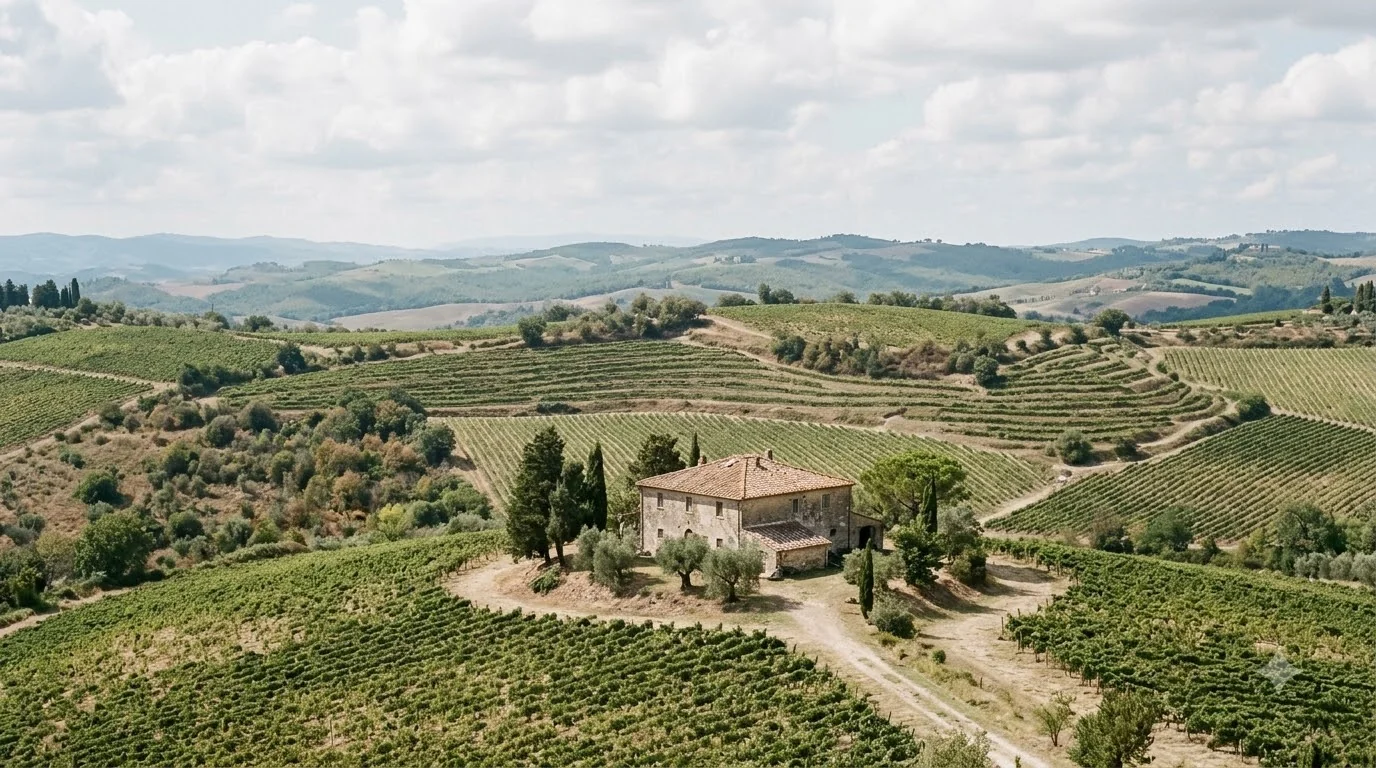
The Massachusetts wine trail is a statewide collection of wineries, vineyards, and farm-based tasting destinations spread across six regions, from Cape Cod and the South Coast to the Berkshires and North of Boston. Visitors can discover cool-climate grape wines, fruit wines made from apples and berries, locally produced sparkling wines, and distinctive New England agricultural products. Rather than following one continuous road, the experience involves choosing a region and combining nearby wineries, farms, and food destinations into a manageable trip.
Massachusetts offers a surprisingly varied wine experience for a relatively small New England state. Its wineries reflect different growing conditions, agricultural traditions, and winemaking approaches. Some focus on traditional grape varieties such as Chardonnay and Pinot Noir, while others work with hybrid grapes, locally grown berries, apples, and other regional ingredients. Whether you are planning a Cape Cod vacation, a weekend in the Berkshires, or a day trip from Boston, understanding the state’s wine regions will help you choose the right destinations.
Understanding the Massachusetts Wine Trail and Its Six Regions
The Massachusetts wine trail is best understood as a collection of regional wine and cheese routes rather than a single, fixed driving itinerary. The Massachusetts Office of Travel and Tourism organizes the experience around six geographic areas, making it easier to plan visits according to location, scenery, and available tasting experiences.
The six areas are North of Boston, Greater Boston, South of Boston, Central Massachusetts, Western Massachusetts, and Cape Cod and the Islands. Each offers a different combination of wineries, agricultural businesses, restaurants, and regional attractions. The official statewide program also includes cheese producers, farm shops, and other food destinations, so visitors can build a broader culinary itinerary instead of spending the entire day in tasting rooms. The Massachusetts wine and cheese trail guide provides a useful starting point for identifying destinations in each area.
One important distinction is that not every Massachusetts winery makes wine exclusively from grapes grown on its own property. Some producers cultivate estate vineyards, others work with partner growers, and some source grapes from established wine regions outside the state. This variety is part of what makes the Massachusetts wine scene interesting. A visit can introduce travelers to traditional New England fruit wines alongside more familiar varietal wines.
The state’s climate also influences what visitors encounter. Cold winters and a relatively short growing season encourage interest in cold-hardy grape varieties and hybrids that can perform under challenging conditions. Riesling, Chardonnay, Pinot Noir, Vidal Blanc, and Cayuga are among the grapes associated with Massachusetts wine production.
For travelers comparing destinations across the country, Massachusetts provides a different experience from established wine destinations such as the Traverse City wine trail. Its appeal lies in the combination of small wineries, historic farmland, coastal scenery, and locally sourced agricultural products.
Before setting out, choose one geographic area as your main destination. Traveling between North Truro, Bolton, and the Berkshires in a single afternoon would create an unnecessarily long itinerary. A regional approach gives visitors more time to enjoy tastings, food, and the surrounding countryside.
Cape Cod and the South Coast: Coastal Vineyards and Local Wines
Cape Cod and the South Coast are among the most appealing choices for travelers who want to combine winery visits with beaches, coastal towns, and seafood. Truro Vineyards, Cape Cod Winery, Westport Rivers, and Running Brook Vineyards offer different experiences, from traditional grape wines to sparkling selections and farm-grown varieties.
Truro Vineyards is a particularly recognizable destination on the Outer Cape. Founded in 1992, the family-owned winery operates on farmland that has been cultivated for more than 200 years. Its vineyard grows Cabernet Franc, Chardonnay, and Merlot, with grapes handpicked during harvest. The combination of sandy soils and coastal breezes contributes to the character of its growing environment.
The winery is located at 11 Shore Road in North Truro, making it a convenient stop for visitors exploring the area around Provincetown. Its tasting experience includes wines and spirits, while seasonal food offerings and public tours add variety to a visit. According to the winery’s visitor information, tastings are available during opening hours without reservations, and complimentary public tours operate during the summer season from Memorial Day through Labor Day. Visitors can confirm current arrangements through the Truro Vineyards visitor information before setting out.
Cape Cod Winery in East Falmouth offers another coastal option. Its wine selection includes white, rosé, red, sweet, and sparkling styles. Visitors can also enjoy food from the on-site food truck or explore the possibility of bringing a picnic, depending on the winery’s current arrangements and events.
On the South Coast, Westport Rivers Vineyard and Winery has a strong connection to family winegrowing. The property is home to a fourth generation of winegrowers and offers tastings, tours, live music, and seasonal food service. Its sparkling wines are particularly interesting for visitors who want to explore traditional-method-inspired styles and compare them with still wines.
Running Brook Vineyards and Distillery in North Dartmouth provides a different perspective. The business emphasizes that all grapes used for its wines and spirits are grown and harvested on its working farm vineyard. Its range includes red and white grape wines as well as distilled products.
For an island-focused trip, Nantucket Vineyard is another destination to consider. It operates as part of the Cisco Social Club, alongside a brewery and distillery. Visitors can combine wine with other locally produced beverages, food trucks, and live entertainment.
Coastal wines work especially well with the region’s seafood. Crisp, high-acidity whites can complement oysters, shellfish, and grilled white fish. For richer seafood dishes, a fuller Chardonnay can offer more body without overwhelming the food. Avoid heavily tannic red wines with delicate fish because tannins can create an unpleasant metallic impression.
Tip: If you are planning a Cape Cod wine day, choose two nearby destinations rather than trying to visit every coastal winery. Combine a North Truro visit with Provincetown, or organize a separate South Coast outing around Westport Rivers and Running Brook. Always confirm seasonal opening arrangements before traveling.
Central Massachusetts: Farm Wineries and Varied Tasting Experiences
Central Massachusetts is an excellent choice for visitors interested in combining winery visits with farm-to-table food, scenic countryside, and a broad range of wine styles. Nashoba Valley Winery, Hardwick Winery, Agronomy Farm Vineyard, Broken Creek Vineyard, and Vandervalk Farm and Winery illustrate the region’s agricultural diversity.
Nashoba Valley Winery in Bolton is one of the most versatile stops in the area. Located at 100 Wattaquadock Hill Road, it offers wine tastings, production tours, dining, and seasonal fruit picking. Visitors can enjoy meals at Vinter’s Knoll or J’s Restaurant while taking in views of the surrounding landscape. Its combination of wine, food, and farm activities makes it particularly suitable for a longer afternoon visit.
Hardwick Winery offers a different setting near the Quabbin Reservoir. The winery is connected to the restoration of the historic 1795 Giles E. Warner mansion, which provides a distinctive backdrop for tasting. Its selection includes more than 25 wines, giving visitors an opportunity to compare different styles without visiting several separate producers.
Agronomy Farm Vineyard in Oakham emphasizes estate-style wines and a relaxed farm setting. Its offerings include rosé, estate wines, and sparkling wines made from Cayuga and Marquette grapes. The property also features wood-fired pizza and maple syrup produced from trees on the farm. The tasting room operates seasonally during warmer months.
Broken Creek Vineyard in Shrewsbury is another interesting destination. Its wine selection includes white, red, fruit, and estate wines. Marquette grapes grown on the property are used alongside imported vinifera grapes, creating a portfolio that combines local agriculture with more traditional wine varieties. Visitors can purchase snacks or bring their own food, and the expanded tasting-room barns provide additional space for groups.
For fruit-wine enthusiasts, Vandervalk Farm and Winery in Mendon deserves attention. The farm produces small-batch wines from blueberries, blackberries, raspberries, and mixed berries grown on the property. Its agricultural calendar also provides seasonal activities, including blueberry picking during July and Christmas tree selection beginning around the weekend after Thanksgiving.
These wineries demonstrate why Central Massachusetts is more than a destination for conventional grape wines. Visitors can compare wines made from hybrid grapes with berry-based selections and explore how local agricultural ingredients influence aroma, sweetness, acidity, and texture.
Food is another reason to spend time in this region. Local cheese, farm produce, pizza, and casual restaurant dishes provide useful pairing opportunities. A dry white wine with lively acidity can work well with goat cheese, while fruit wines may complement fruit-based desserts and mild cheeses.
North of Boston: Historic Farms and Cool-Climate Wine
North of Boston is a strong option for travelers interested in small producers, historic agricultural properties, and wines that reflect a cool-climate approach. Aaronap Cellars, Marble Ridge Winery, Willow Spring Vineyards, Mill River Winery, and Russell Orchards offer several different reasons to explore this part of Massachusetts.
Aaronap Cellars in Westford specializes in small-batch, handcrafted wines. Owner and vintner Noel Powell works with fruit cultivated at the vineyard and carefully selected partner growers and orchards. Because production is limited, the available varieties rotate and individual wines may sell out. Tastings are offered by appointment from Friday through Sunday, making advance planning important.
Marble Ridge Winery in North Andover has a long agricultural history. Its family farmland dates to 1680 and is now stewarded by the 11th generation of the family. The winery produces small-batch wines using sustainably grown grapes from its own property, supplemented by selected California imports. Tastings are generally available Friday through Sunday.
Willow Spring Vineyards in Haverhill offers an attractive combination of vineyard scenery and event facilities. Its wines include Cabernet Franc, Chardonnay, Marquette, Seyval Blanc, and Vidal Blanc. The property features a restored hand-hewn post-and-beam barn, an extensive lawn, a patio, and a fireplace. Its seasonal operating schedule makes checking opening information essential.
Mill River Winery in Rowley is particularly interesting for visitors who enjoy dry-style varietal wines. Its selection includes Cabernet Sauvignon, Chardonnay, Pinot Grigio, Sangiovese, and Zinfandel. Seasonal flights and small bites provide opportunities to compare the wines with food. The winery operates year-round, although hours vary by season.
For a more agricultural experience, Russell Orchards in Ipswich combines an orchard, farm store, and winery. Its wines and hard ciders are produced on the premises using fruit grown and harvested at the farm. Seasonal fruit picking, fresh-baked pies, and cider donuts add to the appeal, especially during summer and fall.
This region is particularly convenient for visitors who want to combine wine with coastal sightseeing. A day can include a tasting at Mill River Winery, a visit to the historic waterfront around Newburyport, or a stop at Russell Orchards before exploring Ipswich and nearby beaches.
When comparing North Shore wines, pay attention to grape variety and production style rather than assuming all local wines taste alike. Cabernet Sauvignon generally has substantial tannin, while Pinot Noir is usually lighter in tannin and higher in acidity. Riesling and Sauvignon Blanc can provide refreshing acidity that works particularly well with seafood and fresh cheeses.
Western Massachusetts and the Berkshires: Mountain Scenery and Distinctive Producers
Western Massachusetts offers a more rural wine experience, with vineyards and wineries surrounded by farmland, wooded hills, and mountain scenery. Richmond, Southampton, Hatfield, and nearby communities provide several destinations for visitors interested in cool-climate grapes, locally influenced wines, and regional agricultural products.
Balderdash Cellars in Richmond is an interesting example of a winery whose production model differs from that of a traditional estate vineyard. It uses premium grapes sourced from California vineyards and offers varieties including Chardonnay, Viognier, Albarino, Sauvignon Blanc, Riesling, Pinot Noir, Cabernet Sauvignon, Syrah, and Malbec. Visitors can enjoy wine tastings, cheese and crackers, and occasional food-truck offerings.
Glendale Ridge Vineyard in Southampton combines grapes grown on its own property with fruit sourced from Long Island and New York’s Finger Lakes region. Its portfolio includes white wines, red wines, estate wines, rosé, Chardonnay, Riesling, Vignoles, and Sauvignon Blanc. The winery’s approach reflects the flexibility that can be useful for producers working in a challenging growing climate.
Furnace Brook Winery at Hilltop Orchards in Richmond offers another agricultural perspective. The property grows 27 varieties of apples used for cider and wine production. Its connection to orchard agriculture makes it a particularly appealing stop for visitors who want to explore products beyond conventional grape wine.
Brimfield Winery and Cidery provides an additional alternative in the western and central part of the state. Located in a 19th-century barn associated with the history of the Brimfield antiques fairs, it offers wines made from varieties including Barbera, Gamay, Muscat, Petit Syrah, Riesling, and Sauvignon Blanc. Beer and hard cider are also available.
The region’s geography makes it suitable for combining wine visits with outdoor activities. Travelers can organize a weekend around the Berkshires, include a visit to a vineyard near Southampton, and spend additional time exploring the area’s cultural attractions and countryside.
Western Massachusetts also provides a useful comparison with other American wine destinations. The Applegate Valley wine trail in Oregon is associated with a different climate and wine-growing tradition, while western Massachusetts has a stronger emphasis on cool-climate varieties, hybrid grapes, and mixed agricultural production.
Visitors should pay particular attention to the difference between estate-grown grapes and externally sourced fruit. A winery’s location does not necessarily mean every grape in its portfolio was grown there. Asking about grape origin, variety, and fermentation style can make a tasting more informative.
Massachusetts Wine Styles, Grape Varieties, and Food Pairings
Massachusetts wine is not defined by one grape or one winemaking method. The state’s producers work with traditional vinifera grapes, cold-hardy hybrids, and a variety of locally grown fruits, creating wines that range from dry whites and structured reds to sparkling wines and sweeter fruit-based selections.
According to the Massachusetts winery directory, common vinifera varieties include Chardonnay, Pinot Noir, Riesling, Gewurztraminer, Pinot Blanc, and Pinot Gris. American hybrid varieties such as Vidal Blanc and Cayuga are also part of the state’s wine-growing landscape.
These grapes offer different characteristics at the table. Riesling and Sauvignon Blanc generally have high acidity, making them useful partners for foods with citrus, vinegar, or other sharp flavors. Chardonnay typically has medium acidity and can complement richer seafood, roasted poultry, and creamy sauces.
For red wine drinkers, Pinot Noir offers relatively low-to-medium tannin and high acidity. It can work well with roasted poultry, salmon, mushrooms, and dishes featuring herbs. Cabernet Sauvignon generally has higher tannin and can pair with fatty meats, grilled beef, and aged cheeses. Merlot is typically softer, with medium tannin, while Syrah often has medium-plus to high tannin and more substantial structure.
Fruit wines deserve their own consideration. Wines made from blueberries, raspberries, blackberries, and apples can vary considerably in sweetness and acidity. Some are designed as sweet dessert wines, while others are made in drier styles suitable for meals. Their best food partners depend on the actual sweetness level rather than simply the fruit named on the bottle.
Regional wine styles at a glance
| Wine or grape style | Typical character | Food pairing |
|---|---|---|
| Riesling | High acidity; dry to sweet | Shellfish, spicy dishes, fresh cheese |
| Chardonnay | Medium acidity; white fruit and possible oak | Roasted chicken, lobster, creamy pasta |
| Pinot Noir | Low-to-medium tannin; high acidity | Salmon, mushrooms, roasted poultry |
| Cabernet Sauvignon | High tannin; full-bodied structure | Beef, lamb, aged cheddar |
| Vidal Blanc | Hybrid grape; commonly aromatic | Fresh cheeses, poultry, seafood |
| Cayuga | Hybrid white grape; versatile wine styles | Salads, shellfish, light appetizers |
| Berry wine | Fruit-driven; sweetness varies | Fruit desserts, mild cheese |
| Apple wine | Orchard-fruit character; dry or sweet | Roasted pork, cheddar, apple desserts |
Sweetness is especially important when pairing wine with dessert. The wine should be at least as sweet as the dish. A sweet blueberry wine, for example, can complement a berry tart, while a dry white may taste unusually sharp beside a very sweet dessert.
Acidity also matters. Foods with lemon juice, vinegar, or tomato-based sauces generally work better with wines that have equal or greater acidity. Salt and fat can soften the perception of tannin, which is why structured red wines often work with grilled meat and mature cheese.
For visitors interested in building a broader regional wine itinerary, the Charlottesville wine trail provides another useful point of comparison. Both destinations reward travelers who explore individual producers rather than assuming an entire region follows one uniform style.
Planning Your Massachusetts Winery Trip: Timing, Tasting, and Practical Details
A successful Massachusetts winery trip depends on selecting a realistic geographic route, checking individual opening schedules, and leaving enough time for each tasting. The best approach is to visit two or three nearby destinations in one day rather than attempting to cover the entire state.
Spring, summer, and fall each offer different advantages. Summer is particularly appealing on Cape Cod and the South Coast, where wine visits can complement beach trips and outdoor dining. Fall is attractive in the Berkshires and North of Boston, where orchard activities, changing foliage, and seasonal farm products add to the experience. Spring can be quieter, although some smaller wineries may operate on reduced schedules.
Winter visits are also possible at selected wineries. Truro Vineyards, for example, states that it is open year-round, although its hours and food offerings change seasonally. Other smaller vineyards may limit tastings to particular weekends or warmer months.
For the best experience, check the winery’s official website before leaving. Some businesses require appointments, others accept walk-ins, and seasonal venues may operate only on selected days. Aaronap Cellars requires advance appointments for tastings, while Truro Vineyards offers tastings during normal opening hours without reservations.
Suggested one-day itineraries
Cape Cod itinerary: Start in North Truro with a tasting at Truro Vineyards, then spend time exploring Provincetown and the surrounding coastal area. Visitors staying farther south can organize a separate trip around Cape Cod Winery in East Falmouth.
Central Massachusetts itinerary: Begin at Nashoba Valley Winery in Bolton for a tasting or production tour. Continue with a meal at one of the property’s restaurants, then consider Hardwick Winery on a separate day if you want a longer countryside-focused trip.
North Shore itinerary: Combine Mill River Winery in Rowley with Russell Orchards in Ipswich. The two stops provide different experiences, with dry-style varietal wines at one and farm-produced fruit wines and cider at the other.
Western Massachusetts itinerary: Organize a trip around Richmond and Southampton, with Balderdash Cellars and Glendale Ridge Vineyard as possible stops. Allow extra time for countryside drives and local attractions.
Serving and tasting temperatures
Wine temperature has a noticeable effect on aroma, texture, acidity, and tannin. Whites served too cold can lose their aromatic detail, while reds served too warm may seem heavier and more alcoholic than intended.
Use these general serving temperatures when enjoying bottles purchased during a winery visit:
- Sparkling wines: 40–50 F.
- Light-bodied whites and rosé: 45–50 F.
- Full-bodied whites: 50–55 F.
- Light-bodied reds: 55–60 F.
- Full-bodied reds: 60–65 F.
- Sweet white wines: 43–50 F.
A standard wine pour is approximately 5 ounces, and a 750 ml bottle provides about five standard glasses. These quantities are useful when planning a tasting with friends or deciding how many bottles to bring home.
For bottles purchased during a trip, store wine away from direct sunlight and excessive temperature changes. A cool storage environment near 55 F is a useful target, with bottles stored on their sides when appropriate for cork closures. Opened still wines generally keep for three to five days in the refrigerator, while sparkling wines are best enjoyed within one to three days.
Visitors should also plan transportation before beginning a tasting itinerary. Assign a designated driver, arrange suitable transportation, or choose accommodation within a reasonable distance of the wineries. A regional trip is more enjoyable when there is no need to rush between stops.
Finally, consider purchasing directly from producers when you discover a wine you enjoy. Smaller wineries may have limited production, rotating selections, or wines that are difficult to find outside their tasting rooms. Asking about grape sources, vintage variation, and food recommendations can also provide useful insight into the bottle you are taking home.
Frequently Asked Questions
Is there an official Massachusetts Wine Trail map?
The Massachusetts Office of Travel and Tourism provides a statewide wine and cheese trail guide with regional listings and a map. The guide is intended to help visitors create their own itineraries rather than follow one mandatory route. It also includes cheese producers and other agricultural destinations.
Does Massachusetts produce sparkling wine?
Yes. Massachusetts has producers offering sparkling wines, including Westport Rivers and Agronomy Farm Vineyard. Sparkling wine production can involve different fermentation approaches, so visitors interested in traditional-method wines can ask producers about how their individual bottles are made.
Can visitors buy Massachusetts wine outside the winery?
Some Massachusetts wines are available through retail outlets, restaurants, or winery-operated online shops, while smaller production wines may be primarily sold at the winery. Availability depends on the producer and distribution arrangements. Contacting a winery directly is often the most reliable way to locate a particular bottle.
What is a Massachusetts ice wine?
Ice wine is a concentrated dessert wine made from grapes that freeze naturally on the vine before harvesting. The frozen water remains in the grapes during pressing, producing a small quantity of concentrated juice with intense sweetness and acidity. It is different from ordinary sweet fruit wine and requires suitable harvest conditions.
Are Massachusetts wineries suitable for group celebrations?
Several wineries offer event facilities, private functions, or group experiences. Willow Spring Vineyards has a barn, lawn, patio, and fireplace for gatherings, while Nashoba Valley Winery offers private event bookings and restaurant facilities. Group organizers should confirm minimum attendance, reservation requirements, and event policies directly with each property.
The Massachusetts wine trail offers an appealing way to discover the state’s agricultural heritage, coastal landscapes, and growing wine industry. From sparkling wines on the South Coast to berry wines in Central Massachusetts and cool-climate varieties in the northern and western regions, each area provides a different reason to visit. Choose one region, plan a few thoughtful stops, and leave enough time to enjoy the wines, local food, and scenery along the way.
More in Wine Regions
 Willcox Wine Trail: Discover Arizona’s High-Elevation Wine CountryUpdated Nov 20, 2026
 Yakima Valley Wine Region: Find the Best Styles to TryUpdated Nov 20, 2026
 Vosne Romanee Wine Tasting: Identify Aromas and Choose Better PairingsUpdated Nov 20, 2026
 Yakima Valley Wine Festival: Find the Best Seasonal Wine EventsUpdated Nov 20, 2026
 Wales Vineyards: Discover Cool-Climate Wines and Where to VisitUpdated Nov 20, 2026
 Yountville Wine Festival: Discover Napa Wines and Local FoodUpdated Nov 20, 2026