

We may earn a commission when you buy through links on this page, at no extra cost to you. Learn more.
Marsanne food pairing works best with rich seafood, roast chicken, pork, creamy pasta, mushrooms, and moderately rich cheeses. Marsanne is a full-bodied white wine with relatively low to medium acidity, a rounded texture, and flavors that can include peach, apricot, almond, flowers, and honey. Its generous body makes it particularly suitable for dishes with butter, cream, herbs, and savory ingredients rather than very sharp, acidic preparations. For the best results, match the weight of the dish to the weight of the wine.
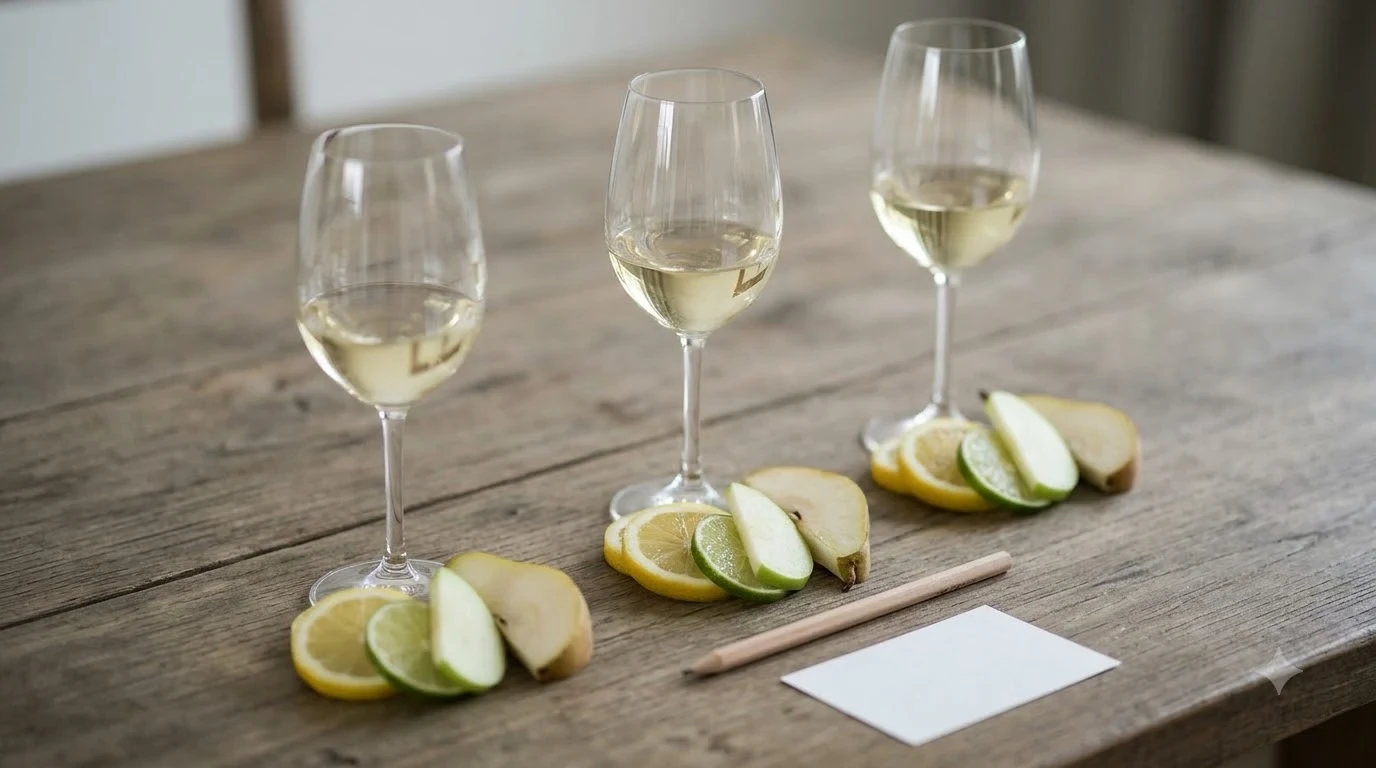
Marsanne deserves more attention at the dinner table than it sometimes receives. This white grape from France’s northern Rhône Valley produces wines with enough body to accompany substantial dishes, while its fruit and floral character provide an appealing alternative to more familiar Chardonnay. It appears both as a single-variety wine and in blends, particularly with Roussanne. Understanding its texture, acidity, and aromatic character makes it easier to choose satisfying combinations for everything from a seafood dinner to a weekend roast.
Understanding Marsanne’s Flavor and Structure
Marsanne’s rounded body, relatively modest acidity, and savory aromatic profile make it especially compatible with food that has some richness and texture. Expect a dry white wine that can show stone fruit, floral aromas, almonds, and honeyed notes, with older examples developing more pronounced nutty characteristics.
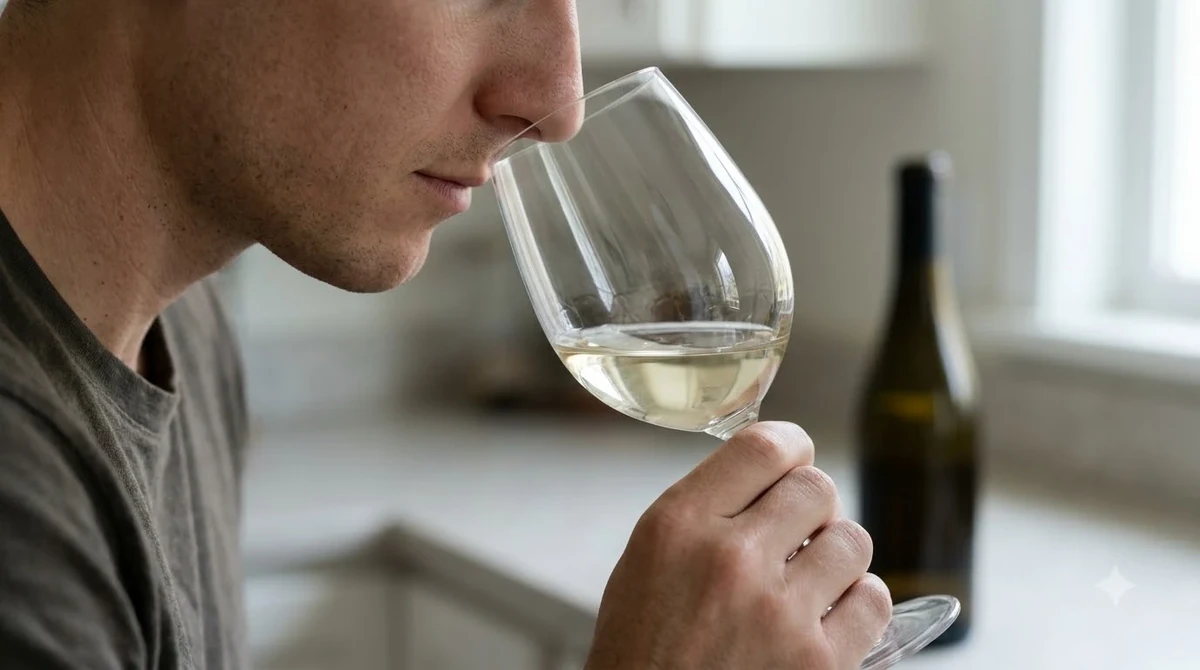
The grape originates in the northern Rhône Valley, where it is an important component of white wines from areas including Hermitage, Crozes-Hermitage, Saint-Joseph, and Saint-Péray. According to Inter Rhône’s Marsanne grape profile, Marsanne is frequently blended with Roussanne, which provides a different aromatic and structural dimension. The regional organization describes Marsanne wines as powerful, with medium-to-low acidity, floral aromas, and hazelnut characteristics that become more noticeable with age.
Its structure is important for pairing. Marsanne generally has more weight than a crisp, light-bodied white wine, so delicate dishes can disappear beside it. Conversely, its relatively restrained acidity means that extremely acidic foods can make the wine seem flatter and heavier. Think of it as a white wine that appreciates substance on the plate.
Common flavor characteristics include:
- Stone fruit: Peach, apricot, and sometimes quince provide a gentle fruit character.
- Floral aromas: Acacia and other white flowers contribute fragrance without necessarily making the wine sweet.
- Nutty flavors: Almond and hazelnut notes provide a savory dimension, especially in developed wines.
- Honey and beeswax: These impressions can contribute to a rounded, textured sensation.
- Gentle bitterness: Some Marsanne wines finish with a subtle bitter note that works particularly well alongside savory food.
Not every bottle displays all these characteristics. A young, stainless-steel-aged Marsanne may emphasize fresh fruit and flowers, while a more mature or oak-influenced example can feel broader, nuttier, and more complex. Wine Folly’s Marsanne profile identifies quince, mandarin orange, apricot, acacia, and beeswax among the grape’s primary flavors.
For practical pairing purposes, start with the wine’s body rather than searching for an ingredient that matches every aroma. A buttery sauce, roasted poultry, or nutty cheese will generally make more sense than a very delicate preparation with sharp citrus dressing.
Seafood and Shellfish Pairings
Seafood is one of the most natural categories for Marsanne, particularly when the preparation includes butter, cream, herbs, or substantial shellfish. Shrimp, lobster, crab, scallops, and richer white fish offer enough texture and flavor to stand alongside the wine’s rounded character.
Grilled shrimp with garlic butter is an excellent starting point. The shrimp’s natural sweetness complements Marsanne’s peach and apricot characteristics, while the butter provides enough richness to meet the wine’s weight. Add parsley, a modest amount of garlic, and a little black pepper. Avoid turning the dish into a very acidic preparation with excessive lemon juice, because Marsanne’s relatively low acidity may struggle against the sharpness.
Lobster with beurre blanc is another strong combination. The sauce’s buttery texture complements the wine, while the lobster provides a delicate sweetness that works with its fruit character. Crab cakes can also be successful, especially when prepared with herbs and a restrained amount of mustard. Choose a creamy or lightly seasoned accompaniment rather than a strongly vinegar-based dipping sauce.
Scallops deserve consideration as well. Pan-seared scallops develop a golden exterior and a soft, sweet interior. Serve them with cauliflower purée, a small amount of brown butter, or a mild cream sauce. These ingredients create a dish with enough richness to complement Marsanne without overwhelming its floral and nutty aromas.
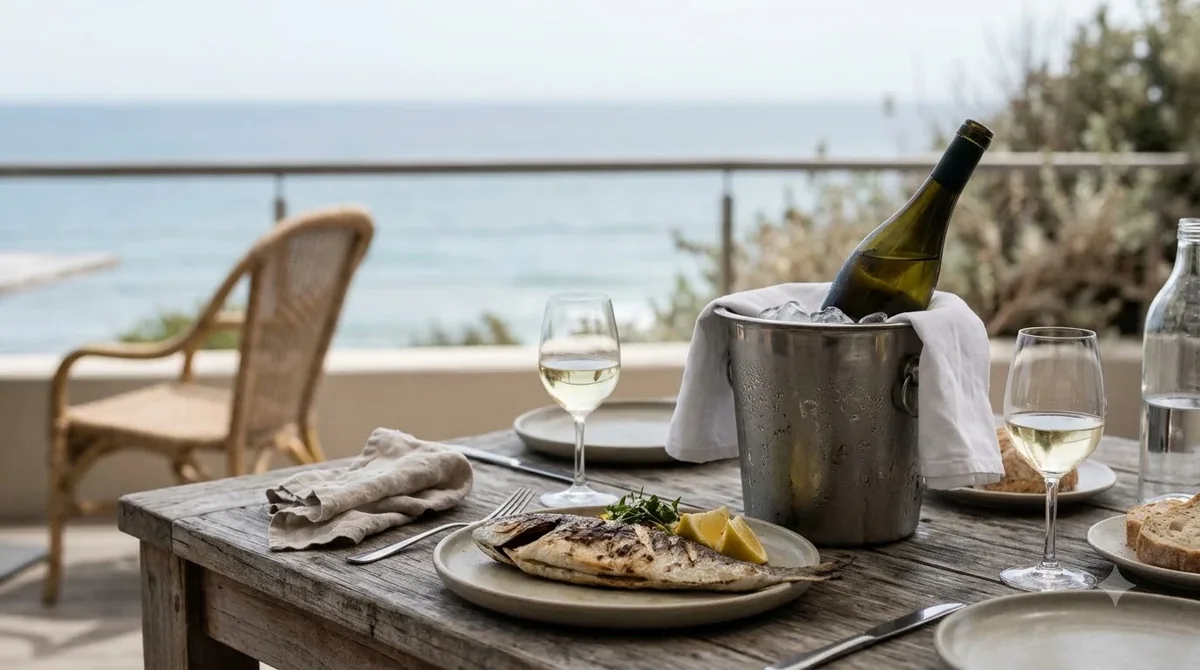
Fish can work particularly well when grilled or served with a creamy preparation. Trout with butter and herbs, salmon with spinach cream sauce, and grilled halibut with a mild vegetable purée are practical choices. A producer-specific example comes from Les Jamelles, which recommends its Marsanne with grilled fish and seafood and specifically suggests salmon and spinach quiche.
There is one important distinction: avoid pairing Marsanne with heavily charred, aggressively spiced seafood if the wine is relatively delicate. Excessive smoke and chili can dominate its aromatic profile. A moderate seasoning level allows the wine and food to complement each other.
For a seafood dinner, consider these combinations:
- Garlic-butter shrimp with parsley and roasted potatoes.
- Lobster with beurre blanc and steamed asparagus.
- Pan-seared scallops with cauliflower purée.
- Herb-grilled trout with buttered green beans.
- Salmon and spinach quiche with a lightly dressed green salad.
- Crab cakes with a mild herb cream sauce.
Oily fish can sometimes work with a full-bodied white wine, but it is important to avoid treating every fish preparation alike. Marsanne is generally a more suitable choice for salmon with butter sauce than for a very oily fish served with intense acidity or aggressive seasoning.
Roast Chicken, Turkey, and Pork
Roast poultry and pork are particularly dependable Marsanne partners because their flavors and textures complement the wine’s body without requiring excessive seasoning. Herbs, roasted vegetables, butter, and gentle fruit-based accompaniments help connect the ingredients on the plate.
Roast chicken with thyme and rosemary is a classic choice. The skin develops savory, roasted flavors, while the meat provides a substantial but relatively mild base. Marsanne’s peach, floral, and nutty notes complement the herbs, and its rounded texture works alongside the natural richness of the chicken.
For an especially satisfying dinner, roast a whole chicken with garlic, thyme, and lemon zest. Serve it with roasted potatoes and carrots. Use lemon zest rather than a large quantity of lemon juice in the finishing sauce, since the aim is to add fragrance without creating an excessively acidic dish.
Turkey is another suitable option. Roast turkey breast with sage butter provides a gentle herbal character, while dark meat offers additional richness. A creamy mushroom gravy or roasted root vegetables can make the combination even more harmonious. Marsanne is particularly useful when the meal includes both white and dark poultry meat because its body can accommodate the richer components.
Pork offers several possibilities. Pork tenderloin with apple and sage is a good match because the fruit provides a natural connection to Marsanne’s stone-fruit character. Pork loin with mustard cream sauce also works, provided the mustard is used moderately. Strongly acidic mustard preparations can make the wine seem less lively.
Slow-roasted pork shoulder requires a little more care. Its fat and intense savory flavors can work with a substantial Marsanne, particularly one with some age or oak influence. Pair it with roasted fennel, soft polenta, or a mild apple compote. A very young, lighter Marsanne may feel overwhelmed by an especially rich pork preparation.
These poultry and pork combinations are useful for both casual dinners and more formal menus:
- Herb-roasted chicken with thyme, garlic, and potatoes.
- Turkey breast with sage butter and roasted carrots.
- Pork tenderloin with apple, rosemary, and pan juices.
- Pork chops with a creamy mushroom sauce.
- Roasted duck with a restrained peach or apricot glaze.
- Chicken thighs with fennel and a mild cream sauce.
Duck is a slightly richer alternative to chicken. Its darker meat and pronounced flavor suit a fuller Marsanne, particularly one with developed nutty and honeyed characteristics. Keep sweet glazes moderate so that the wine remains dry-tasting and the fruit flavors do not become excessive.
Creamy Pasta, Risotto, and Vegetable Dishes
Marsanne works particularly well with creamy pasta and vegetable dishes because its rounded texture can match the richness of dairy, cheese, and cooked vegetables. Mushroom risotto, cauliflower gratin, and pasta with mild cream sauces are among the most useful choices.
Start with mushroom risotto. Arborio or Carnaroli rice releases starch during cooking, creating a naturally creamy consistency. Mushrooms contribute savory, earthy flavors, while Parmesan adds saltiness and additional richness. Marsanne’s nutty character can connect with the mushrooms and cheese, and its body is substantial enough to accompany the dish.
For an even more pronounced pairing, add roasted mushrooms rather than relying exclusively on lightly sautéed varieties. Porcini, cremini, and shiitake mushrooms can provide different levels of earthy intensity. Fresh thyme is a useful seasoning because it adds fragrance without introducing excessive acidity.
Fettuccine with a mild Parmesan cream sauce is another practical option. The sauce supplies the richness needed to complement Marsanne, while Parmesan provides a savory, slightly nutty character. Add sautéed mushrooms, roasted chicken, or peas to make the meal more substantial.
Vegetable gratins also deserve attention. Cauliflower gratin with Gruyère, potato gratin with cream, and roasted butternut squash with sage all have the richness and texture that suit Marsanne. The slightly sweet character of cooked squash can connect with the wine’s apricot and peach notes.
Asparagus is a more complicated ingredient because it can produce difficult combinations with certain wines. However, asparagus prepared with butter, cream, or mild cheese is a more promising choice than asparagus served with a sharp lemon vinaigrette. The richer preparation gives Marsanne more substance to meet.
Consider these dishes when planning a vegetarian meal:
- Mushroom risotto with Parmesan and fresh thyme.
- Fettuccine with mushrooms and a mild cream sauce.
- Cauliflower gratin with Gruyère.
- Roasted butternut squash with sage and butter.
- Potato gratin with cream and nutmeg.
- Spinach and ricotta pasta bake.
- Asparagus with hollandaise or a mild butter sauce.
Grain-based dishes can also work. Barley risotto with mushrooms, creamy polenta with roasted vegetables, and savory vegetable tarts all have enough texture to stand alongside the wine. A vegetable tart with caramelized onions, goat cheese, and herbs can be especially appealing because the cheese and cooked vegetables contribute richness without requiring meat.
Pay attention to vinaigrettes and dressings. A salad containing arugula, pear, toasted almonds, and a mild creamy dressing can work, while a salad dominated by sharp vinegar may make Marsanne taste flat. This is an important distinction when serving the wine at a summer lunch.
Cheese and Charcuterie Pairings
Marsanne is a natural companion for moderately rich cheeses, especially varieties with creamy textures, buttery flavors, or nutty characteristics. Goat cheese, Brie, Camembert, and selected aged cheeses offer several ways to build a balanced appetizer or cheese course.
Fresh goat cheese can provide a pleasant contrast to Marsanne’s rounded body. Its tangy character introduces some freshness, while the creamy texture connects with the wine. The preparation matters, however. A mild goat cheese served with toasted bread and herbs is generally a better choice than a very acidic cheese salad with a sharp vinaigrette.
Brie and Camembert are also suitable options. Their soft textures and creamy centers complement the weight of Marsanne, particularly when the cheeses are served at a temperature that allows their flavors to develop. Add sliced pear, toasted almonds, or plain crackers to create a simple cheese board.
For a more savory pairing, consider Comté or Gruyère. These cheeses have nutty and sometimes slightly sweet characteristics that can work particularly well with mature Marsanne. The hazelnut and almond notes that develop in older examples provide a natural connection to the flavors of aged cheese.
Aged Gouda can also be successful, especially when the wine has enough body and aromatic development to accompany the cheese. Its concentrated savory and nutty flavors provide a satisfying contrast to the wine’s fruit and floral character.
Charcuterie requires a little more thought. Mild cooked ham, roast turkey slices, and delicately seasoned pâté can work because they are not excessively spicy or acidic. Avoid building the entire board around strongly smoked meats, hot salami, or very peppery cured sausages. Their intensity may overwhelm the wine.
A practical Marsanne cheese board might include:
- Soft Brie with pear slices.
- Camembert with plain crackers.
- Fresh goat cheese with toasted almonds.
- Comté with lightly salted bread.
- Aged Gouda with dried apricots.
- Mild pâté with toasted baguette.
Salt and fat can also influence how food and wine interact. Saltiness and richness can soften the perception of tannin in red wines, while creamy textures make full-bodied white wines such as Marsanne feel more integrated with the meal. The objective is not to make every ingredient taste similar but to create a balanced combination of weight, flavor, and texture.
For a mixed appetizer board, include no more than two or three cheeses and keep the accompanying condiments simple. Pear, almonds, plain bread, and mild preserves are more useful than an assortment of sharp pickles and vinegar-heavy relishes.
Sauces, Spices, and International Cuisine
Marsanne can accompany more than traditional French food. Its rounded texture and fruit character make it a useful match for moderately seasoned Asian dishes, aromatic herbs, buttery sauces, and savory preparations with some sweetness.
Thai and Vietnamese cuisine are particularly interesting possibilities. Wine Folly identifies both cuisines as potential matches for Marsanne, noting that the wine’s richness and citrus-related flavors can work with South Asian-inspired dishes. The key is to choose preparations with moderate chili heat, balanced seasoning, and enough texture to match the wine.
For Vietnamese food, consider grilled chicken with lemongrass, mild chicken curry, or grilled shrimp with herbs. The aromatic ingredients provide fragrance, while the grilled proteins give the wine sufficient substance. A preparation with restrained fish sauce, garlic, and fresh herbs can work better than one dominated by hot chili or sharp lime juice.
Thai coconut chicken curry is another possibility. Coconut milk creates a creamy texture that complements Marsanne’s body, while ginger, lemongrass, and mild spices add complexity. Keep the chili level moderate. Alcohol and tannin can intensify the perception of chili heat, and although Marsanne is a white wine with very little tannin, a higher-alcohol example can still make a spicy dish feel hotter.
Indian-inspired dishes can work when their seasoning is controlled. Mild butter chicken, chicken korma, and vegetable korma have creamy sauces that suit the wine. Avoid preparations with overwhelming heat or strongly acidic tomato sauces, particularly if the Marsanne has very low acidity.
Herb sauces are among the easiest ways to connect Marsanne with different cuisines. Try:
- Thyme butter with roast chicken.
- Parsley and garlic butter with shrimp.
- Sage cream sauce with pork tenderloin.
- Beurre blanc with lobster or scallops.
- Mild coconut sauce with chicken or seafood.
- Mushroom cream sauce with pasta or poultry.
There is a useful distinction between aromatic intensity and chili heat. Ginger, lemongrass, coriander, parsley, and thyme can contribute considerable fragrance without necessarily overwhelming the wine. Very hot peppers, on the other hand, can make a moderately alcoholic white wine feel more aggressive.
Acidity is another consideration. A dish featuring plenty of lime juice, vinegar, or sharp citrus dressing can make a low-acid Marsanne seem dull. If you are serving an acidic preparation, choose a wine with sufficient freshness and keep the amount of acidic seasoning controlled.
Tip: When serving Marsanne with Asian food, build the dish around coconut milk, grilled seafood, chicken, ginger, and fresh herbs. Keep chili and sharp lime juice moderate so the wine’s fruit, floral aromas, and rounded texture remain noticeable.
These principles also help when choosing between different Rhône whites. Marsanne usually offers more weight and a more rounded texture than a particularly crisp white wine. If your meal depends on pronounced citrus acidity, a grape such as Albariño may be a better choice; see our guide to albarino food pairing for seafood and brighter preparations.
Serving Temperature and Building a Marsanne Menu
Serve Marsanne cool rather than ice-cold, generally around 45–55°F depending on its style and richness. A moderately cool serving temperature preserves freshness while allowing its floral, fruit, and nutty characteristics to become more expressive.
Wine Folly gives a serving range of 45–55°F for Marsanne, while Les Jamelles recommends 10–12°C, approximately 50–54°F, for its particular wine. These recommendations point toward a useful starting temperature of approximately 50–52°F for many still Marsanne wines.
Very cold wine can suppress aromatic expression and make the texture seem less apparent. Conversely, serving a full-bodied Marsanne too warm can make its alcohol and richness more noticeable. If the bottle has been refrigerated for several hours, allow it to warm slightly in the glass before assessing its aromas.
Use a standard white wine glass with enough room to swirl the wine gently. A 5-ounce pour is a practical serving size, and a standard 750 ml bottle provides approximately five glasses. This makes it straightforward to plan the amount needed for a dinner party.
The following reference provides useful starting points for common Marsanne food combinations and serving temperatures.
| Food or serving detail | Recommended approach | Why it works |
|---|---|---|
| Grilled shrimp | Garlic butter and parsley | Richness complements the wine’s body |
| Roast chicken | Thyme and rosemary | Herbs connect with floral aromas |
| Mushroom risotto | Parmesan and thyme | Nutty and savory flavors complement Marsanne |
| Brie | Serve with pear | Creamy texture matches the wine’s weight |
| Still Marsanne | 45–55°F | Balances freshness and aromatic expression |
| Les Jamelles Marsanne | 50–54°F | Within the producer’s 10–12°C recommendation |
| Wine serving | 5 oz per glass | Approximately five servings per 750 ml bottle |
For a simple three-course dinner, start with shrimp in garlic butter or a small goat cheese salad. Follow with roast chicken, mushroom risotto, or grilled fish with a cream sauce. Finish with a mild cheese selection featuring Brie, Comté, and pear.
A seafood-focused menu can begin with scallops and cauliflower purée, followed by grilled trout with herb butter and roasted potatoes. For a vegetarian menu, begin with a vegetable tart, serve mushroom risotto as the main course, and finish with a cheese board featuring aged Gouda and fresh pear.
When planning a larger gathering, remember that Marsanne can vary considerably between producers and styles. A young, fresh, stainless-steel-aged example may work best with grilled fish and summer vegetables. A richer wine with more developed aromas may be better suited to roasted poultry, mushrooms, and aged cheeses.
Food pairing is also a useful way to explore other grape varieties. If your menu moves toward a richer red meat dish, Amarone food pairing offers ideas for substantial, savory meals. For tomato-based dishes and lighter meat preparations, Barbera food pairing provides a useful contrast with Marsanne’s softer acidity profile.
For additional guidance on matching acidity, sweetness, body, and food texture, our general Wine Pairing guide explains the principles behind successful combinations.
Once the bottle is open, keep unused wine refrigerated and properly sealed. Most opened still wines are best consumed within approximately 3–5 days, although their aromatic character can decline before that period ends. Return the bottle to the refrigerator between servings rather than leaving it at room temperature throughout a long dinner.
Frequently Asked Questions
Is Marsanne usually a dry or sweet wine?
Most familiar Marsanne table wines are dry white wines. However, the Rhône also produces sweet straw wines made from concentrated grapes. Inter Rhône identifies dry still, dry sparkling, and sweet wine styles among the possibilities for this variety.
Is Marsanne the same grape as Roussanne?
No. Marsanne and Roussanne are separate white grape varieties that are frequently blended together in the northern Rhône. Their names are often associated because the varieties complement each other in traditional regional wines. A bottle made entirely from Marsanne is different from a Marsanne-Roussanne blend.
Can Marsanne be used to make sparkling wine?
Yes. Saint-Péray in the northern Rhône produces both still and sparkling wines using Marsanne. This makes the grape more versatile than its reputation as a full-bodied still white wine might suggest. The sparkling versions can be considered for aperitifs and savory pastries.
Does Marsanne change flavor as it ages?
Yes. Younger Marsanne commonly emphasizes floral and fruit characteristics, while mature examples can develop more pronounced hazelnut aromas. Inter Rhône specifically identifies this evolution toward hazelnut as a characteristic of aging Marsanne. Some developed bottles also show more pronounced honeyed and waxy impressions.
Where is Marsanne grown outside France?
Marsanne is also cultivated in Australia and other wine-producing areas outside the Rhône Valley. Australia has a particularly established history with the grape, including old plantings in Victoria. Wine Folly also identifies Marsanne as a variety used in wines beyond its traditional French home.
Marsanne is a rewarding white wine for meals built around seafood, poultry, creamy sauces, mushrooms, and moderately rich cheeses. Its rounded body and relatively low acidity make it particularly suitable for savory dishes with butter, herbs, and gentle seasoning. Start with grilled shrimp or roast chicken, serve the wine around 50–52°F, and adjust the pairing according to the richness and maturity of the bottle.
More in Food & Wine Pairing
 Risotto With White Wine Recipe: Make a Creamy Dinner at HomeUpdated Nov 20, 2026
 Wassail With Wine Recipe for a Festive Spiced Holiday DrinkUpdated Nov 20, 2026
 Spritz Veneziano Recipe: Make a Classic Venetian Aperitivo at HomeUpdated Nov 20, 2026
 Summer Wine Punch Recipe for Easy Homemade EntertainingUpdated Nov 20, 2026
 Bishop Recipe: How to Make a Bright, Citrus-Forward Red Wine CocktailUpdated Nov 20, 2026
 Wine Cupcakes Recipe: Bake Rich Chocolate Cupcakes at HomeUpdated Nov 20, 2026