

We may earn a commission when you buy through links on this page, at no extra cost to you. Learn more.
Marques de Riscal wine is a long-established Spanish brand from the Rioja region, known for Tempranillo reds and a few crisp whites from Rueda. The winery was founded in 1858 and sits in Elciego, in Rioja Alavesa. Its range runs from fresh, approachable bottlings to older-vine reserves that show the estate’s historic depth.
This guide explains what the brand makes, how its history shapes the wines, and which bottlings are worth knowing about. It also covers Rioja styles, simple serving advice, and practical tips for buying and storing these bottles in the United States.
What Is Marques de Riscal?
Marques de Riscal is a Spanish winery that makes wine mainly in Rioja, with a smaller presence in the Rueda region. The estate works under the name Herederos del Marques de Riscal, and its labels carry the Marques de Riscal name. For most American drinkers, it is the producer that often comes to mind first when they think of Rioja.
The brand has two main sides. One is the classic red Rioja style built on Tempranillo, which the estate describes as the calling card of the winery. The other is a set of white and rose wines, including Verdejo from Rueda. Reading the label tells you which side of the range you are buying, so check the region and grape before you pick a bottle.
History and the Rioja Winery Behind It
The winery began in 1858, when Guillermo Hurtado de Amezaga founded it. According to the company’s own history timeline, the first bottled Marques de Riscal wines arrived in 1862. That makes the estate an early pioneer of bottling in the region, and it is one reason the brand carries so much weight in Spanish wine history.
Several milestones explain the brand’s reputation. The winery was the first non-French wine to win the diploma of honor at the Bordeaux Exhibition in 1895, and that award was added to the label. Its Bordeaux-inspired approach helped shape modern Rioja. In 2024, the estate was named the best vineyard in the world in the World’s Best Vineyards competition, according to the same company timeline.
The winery also owns a major cellar of old bottles. The estate says its historic collection holds more than 130,000 bottles, including vintages going back to 1862. You will not buy those rare bottles at the store, but the collection shows how seriously the house treats aging and long-term storage.
The Frank Gehry Hotel and the Winery Design
The estate is closely linked with a striking building in the village of Elciego. The hotel, designed by the Canadian architect Frank Gehry, opened in 2006 as part of a wine complex known as the City of Wine. It has made the winery one of the best-known wine tourism sites in Spain.
The US importer Vintus describes the estate as owning 540 hectares of vineyards in its sub-area, with more under management in surrounding regions. The importer also notes that the City of Wine includes restaurants and a spa alongside the hotel. For a wine buyer, the building matters less than the vineyard work behind it, but it does explain why the brand is so visible in Rioja.
Key Marques de Riscal Wines to Try
The range is wide, so it helps to know which bottlings do what. The table below lists several wines named in the estate’s and importer’s materials, grouped by style. Availability varies by state and season, so check your local shop or a wine search tool for current listings.
| Wine | Region | Style and what the producer says |
|---|---|---|
| Rioja Reserva | Rioja | Tempranillo from old vines planted before the 1970s, described by the producer as the brand’s signature wine |
| Arienzo Rioja Crianza | Rioja Alavesa | A Crianza made from Tempranillo, benefiting from the cooling effect of the Sierra Cantabria mountains |
| Rioja Gran Reserva | Rioja | A traditional Rioja Alavesa style with an elegant, complex structure |
| XR Rioja Reserva | Rioja | A Tempranillo and Graciano blend aged in American oak for over two years |
| Rioja Rosado | Rioja | A rose made from Tempranillo and Viura, with fresh fruit and a silky finish |
| Verdejo Sobre Lias Finas | Rueda | A Verdejo aged on fine lees for creaminess, while keeping the freshness of the variety |
| Verdejo Organic Rueda | Rueda | An organic Verdejo from estate vineyards with bright acidity and aromatic intensity |
If you want a classic red, the Reserva and Crianza are the most common starting points. The Gran Reserva and XR bottlings suit people who want more structure and are willing to wait for a bottle to develop. For a lighter, warm-weather pour, the rose or the Rueda Verdejo often make more sense than a heavy red.
Many buyers also like to compare the estate’s Rioja with other traditional producers. The Lopez de Heredia house offers a different take on classic Rioja, which makes a useful side-by-side comparison if you enjoy aged Spanish reds.
Tempranillo and Rioja Styles Explained
Tempranillo is the main red grape in Rioja, and it gives many of these wines their red fruit, earthy notes and firm structure. Rioja labels use age terms such as Crianza, Reserva and Gran Reserva to show how long a wine has been aged before release. These terms follow regional rules, so they tell you about aging rather than quality alone.
The Marques de Riscal range shows how those terms work in practice. A Crianza is usually the youngest and most fruit-forward style, while a Reserva and Gran Reserva spend more time in barrel and bottle. The producer’s materials also stress old vines, which can add concentration. Read the back label or the producer sheet to see what the bottle is built around.
Rioja Alavesa, where many of these wines come from, is a sub-area of the region. Its vineyards sit at a different elevation and climate than parts of Rioja Alta and Rioja Baja. If you want to learn more about regional styles, the Wine Brands guide on this site covers how producers present their wines to buyers.
Serving and Food Pairing
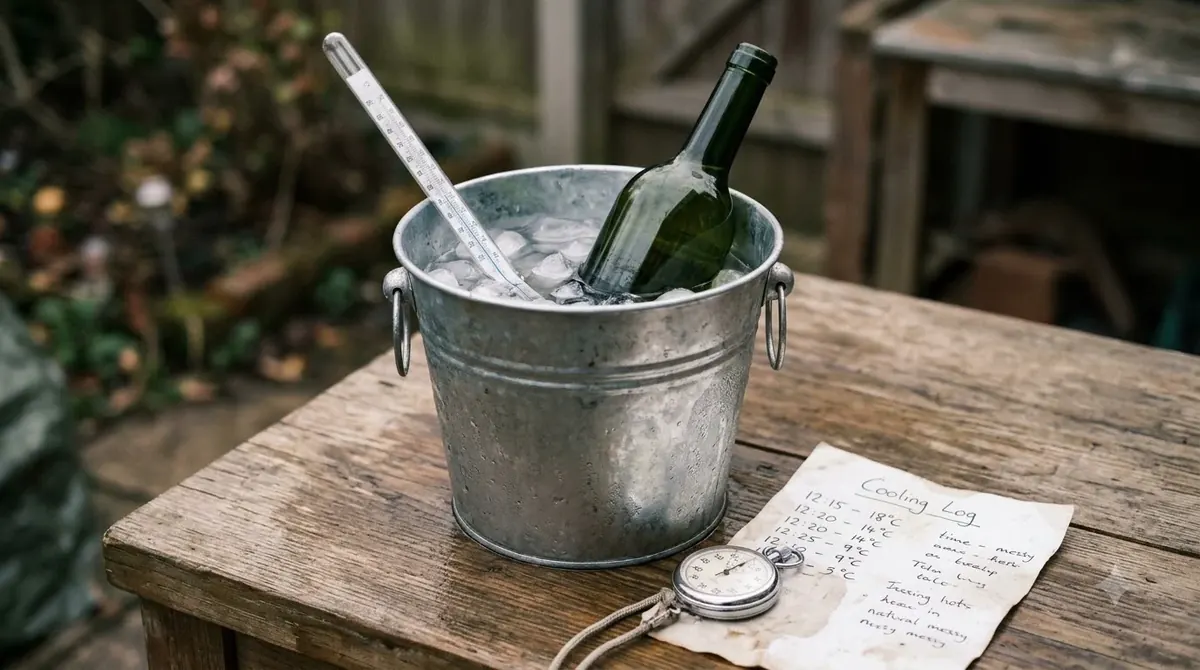
Serving temperature changes how these wines taste. Red Rioja usually shows best slightly below room temperature, and a short chill in the fridge can help a warm room. White and rose wines from Rueda and Rioja should be served cold, but not so cold that the aromas disappear.
For food, red Rioja pairs well with roast lamb, grilled meats, tomato-based dishes and aged cheeses. The classic Spanish match is chorizo or manchego, which share the same regional roots. The Verdejo from Rueda suits seafood, salads and light poultry. A rose from the same estate works with picnic foods, grilled vegetables and fresh salads.
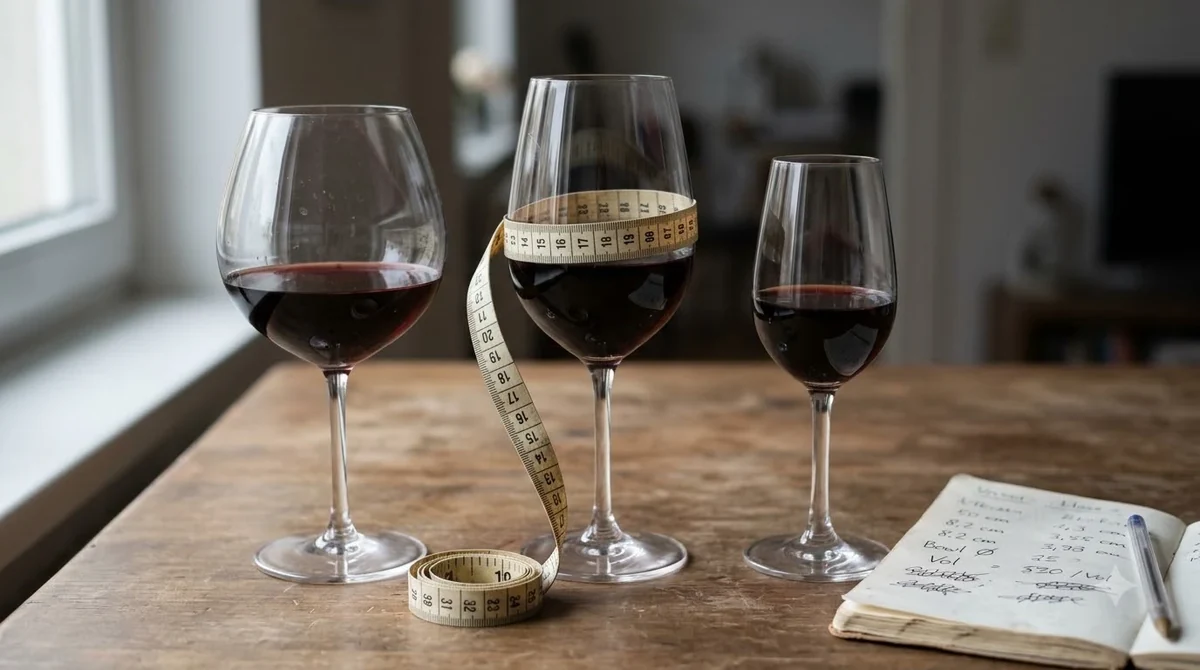
Decanting can help younger reds open up, while very old bottles usually need careful handling. Ask the shop about sediment before you open an older Gran Reserva. Use large glasses for red and smaller tulip-shaped glasses for white.
Tip: Pour smaller amounts and pace your glasses with food. Wines with aging and structure taste better when shared over a long meal rather than rushed.
Buying and Storing Marques de Riscal Wine
Start by deciding what you want to drink. A fresh red for weeknight dinners is different from a reserve for a special occasion. Compare the region, grape and age term on the label. Retail prices change over time and differ by state, so check your local shop or an online listing for current figures.
Storage matters for every bottle. Keep wines in a cool, dark place with steady temperature and low vibration. A basement closet or a wine fridge works well. Store bottles on their side if they have corks, so the cork stays moist. Most whites and roses are best drunk within a few years of release, while well-made reds can improve with time.
Buy from a retailer that keeps bottles in good condition, especially for older vintages. Check the vintage on the label and ask staff how the wine has been stored. For official details on a specific bottling, the producer’s website is the most reliable source. Always drink responsibly and plan a sober ride home.
Frequently Asked Questions
Is Marques de Riscal wine mostly red or white?
The brand is best known for red Rioja made from Tempranillo, including Crianza, Reserva and Gran Reserva wines. It also makes white and rose wines, including Verdejo from Rueda. Most buyers start with the reds, but the whites are worth trying for lighter meals.
What is the best Marques de Riscal wine for beginners?
A Rioja Crianza or the rose is often a good place to start because these styles are approachable. The Crianza shows classic Tempranillo character with a bit more aging than a basic red. Try a few styles to learn what you enjoy most.
Is the Frank Gehry hotel connected to the wine?
Yes. The hotel is part of the estate’s City of Wine complex in Elciego, designed by Frank Gehry and opened in 2006. The building is a major visitor attraction, and it sits alongside the winery’s vineyards and cellars.
How should I store an opened bottle of Marques de Riscal?
Recork the bottle and keep it in the refrigerator if it is a red you plan to finish within a few days. Whites and roses should always be refrigerated after opening. Drink the wine soon, because oxygen slowly changes its flavor.
Marques de Riscal wine offers a useful window into Rioja and Rueda, with a history that goes back to 1858. Start with one or two styles, pay attention to the region and age terms, and build your own favorites over time.
More in Wine Brands
 Underwood Wine Price: Compare Bottles, Cans, and Pack SizesUpdated Nov 21, 2026
 Zenato Wine Price: Compare Styles and Choose the Right BottleUpdated Nov 21, 2026
 Zuccardi Wine Price: Compare Bottles and Find the Right RangeUpdated Nov 21, 2026
 Yellow Tail Moscato Review: Taste, Sweetness and Serving TipsUpdated Nov 21, 2026
 Wolf Blass Yellow Label Review: Choose Your Best StyleUpdated Nov 21, 2026
 Wolffer Estate Rose Review: Choose the Right Bottle for Your TableUpdated Nov 21, 2026