

We may earn a commission when you buy through links on this page, at no extra cost to you. Learn more.
Lopez de Heredia wine comes from R. López de Heredia Viña Tondonia, a family-run bodega in Haro, Rioja, known for traditional reds and whites that age for many years before release. The estate dates to 1877 and is one of the oldest producers in the region. Its bottles are released when the house judges them ready, which often means years after the harvest.
This guide explains who makes Lopez de Heredia wine, how its old-style methods differ from many modern Riojas, and which labels to look for. It also covers how US buyers can approach the vintages, store them, and find them.
Who Is Lopez de Heredia?
The producer is a family bodega that sits in the Rioja Alta subregion, close to the town of Haro. Its wines carry the regulatory protection of the Rioja appellation, and the company is one of the few family-run bodegas in the region under that system.
The estate’s vineyards total 170 hectares, according to Spanish Wine Lover. The flagship vineyard, Viña Tondonia, covers about 100 hectares along the Ebro River. Three other vineyards, Viña Bosconia, Viña Cubillo and Viña Zaconia, make up the rest of the holdings.
Many readers first meet the name through a single bottle, but the house is better understood as a whole range. Its reds, whites and rosés follow the same patient philosophy. If you are new to Spanish producers, the Wine Brands section offers a useful starting point for comparing houses by style.
History of the Haro Bodega
The bodega’s story begins in the middle of the nineteenth century. Phylloxera had wrecked vineyards in France, so French négociants looked to Rioja for quality grapes to make into wine. The founder, Rafael López de Heredia y Landeta, followed them closely and came to know the area around Haro well.
According to the Consejo Regulador page for R. López de Heredia Viña Tondonia, construction of the complex began around 1877. That bodega is the oldest in Haro and one of the first three bodegas in Rioja. The founder believed the local soil and climate together offered an ideal setting for wine.
The family kept building on that foundation. Spanish Wine Lover notes that the original architectural project in the Barrio de la Estación neighborhood was never finished, and later generations have followed the founder’s designs. The fourth generation, led by María José López de Heredia, has also launched a project to catalog the winery’s archives, which include documents, photographs and old field tools.
Traditional Winemaking Style
The house style is built on slow, traditional steps rather than on fast modern techniques. Wines are made with native yeasts, aged for long periods in barrel, and bottled without filtration. Most of these choices are deliberate, and the family treats them as part of its identity.
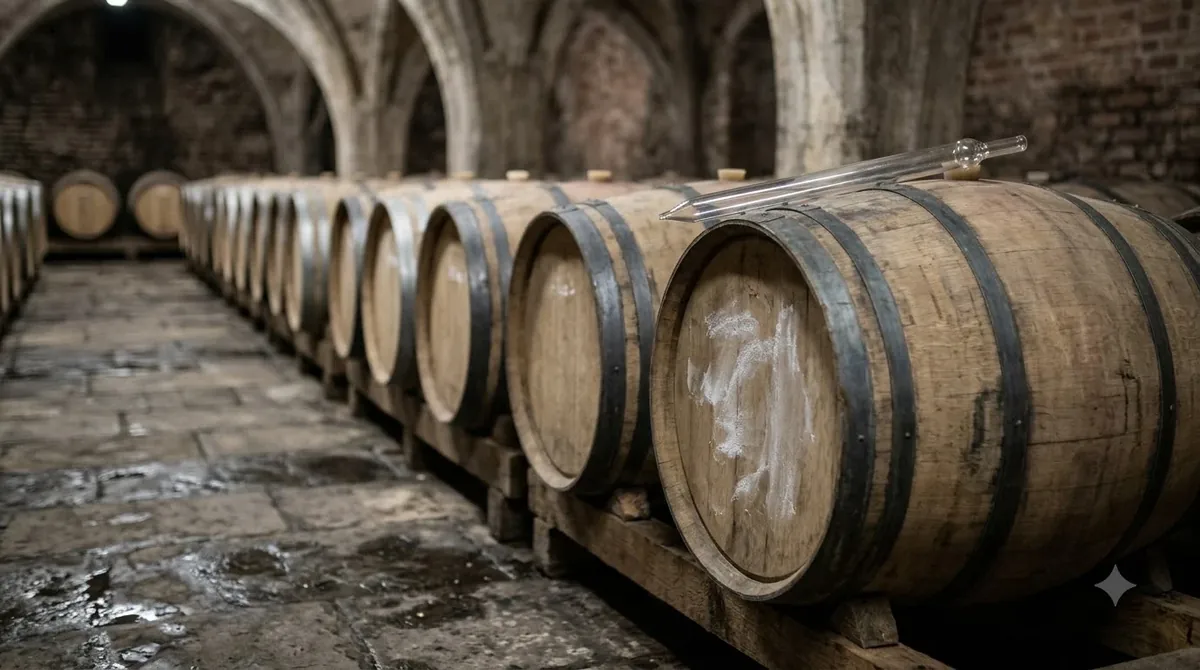
Spanish Wine Lover describes the wines as clarified with egg whites and bottled unfiltered. The same source says the alcohol levels are lower than many other Riojas, while acidity is notably higher. Those two traits give the wines a lively, savory structure that changes slowly in the bottle.
The estate also keeps its own cooperage, which the Rioja UK producer profile describes as one of the few left in Spain. Barrels are repaired and adjusted in-house, which gives the family control over wood and style. Long barrel aging is central to the approach, and the wines are racked and fined by hand according to set routines.
| Practice | Lopez de Heredia approach | Typical modern Rioja approach |
|---|---|---|
| Fermentation | Native yeasts | Often cultured yeasts selected for consistency |
| Barrel aging | Long periods in old American oak | Shorter aging, often in newer oak |
| Clarification | Fined with egg whites | Often filtered or fined with other agents |
| Filtration | Bottled without filtration | Frequently filtered before bottling |
| Release timing | Released when the house judges them ready | Released on a more regular commercial schedule |
Tip: When you read older tasting notes, expect savory, earthy and mineral descriptions. Those notes often reflect the bodega’s long barrel and bottle aging rather than fruit-forward winemaking.
Signature Wines and Reserva Labels
The range is organized by aging category, which is the easiest way to understand it. Entry-level crianzas are aged in barrel for a shorter period, while reservas and gran reservas spend much longer in oak before release. Reading the label tells you a great deal about what you are buying.
Spanish Wine Lover identifies Viña Cubillo Crianza as the entry-level red, aged three years in barrel. Its white Viña Gravonia is aged four years in oak and gives an introduction to the house’s approach to whites. Viña Tondonia Reserva red is the flagship and the largest production, with six years in barrel.
Viña Bosconia is the other reserva, presented in Burgundy-style bottles and aged five years in oak. The Gran Reserva bottlings are made in limited quantities and spend at least ten years in barrel, according to the Rioja UK profile. The house also releases a Gran Reserva white that collectors follow closely, and Spanish Wine Lover calls the 1947 Viña Bosconia a legendary vintage.
Aging in the Bodega’s Cellars
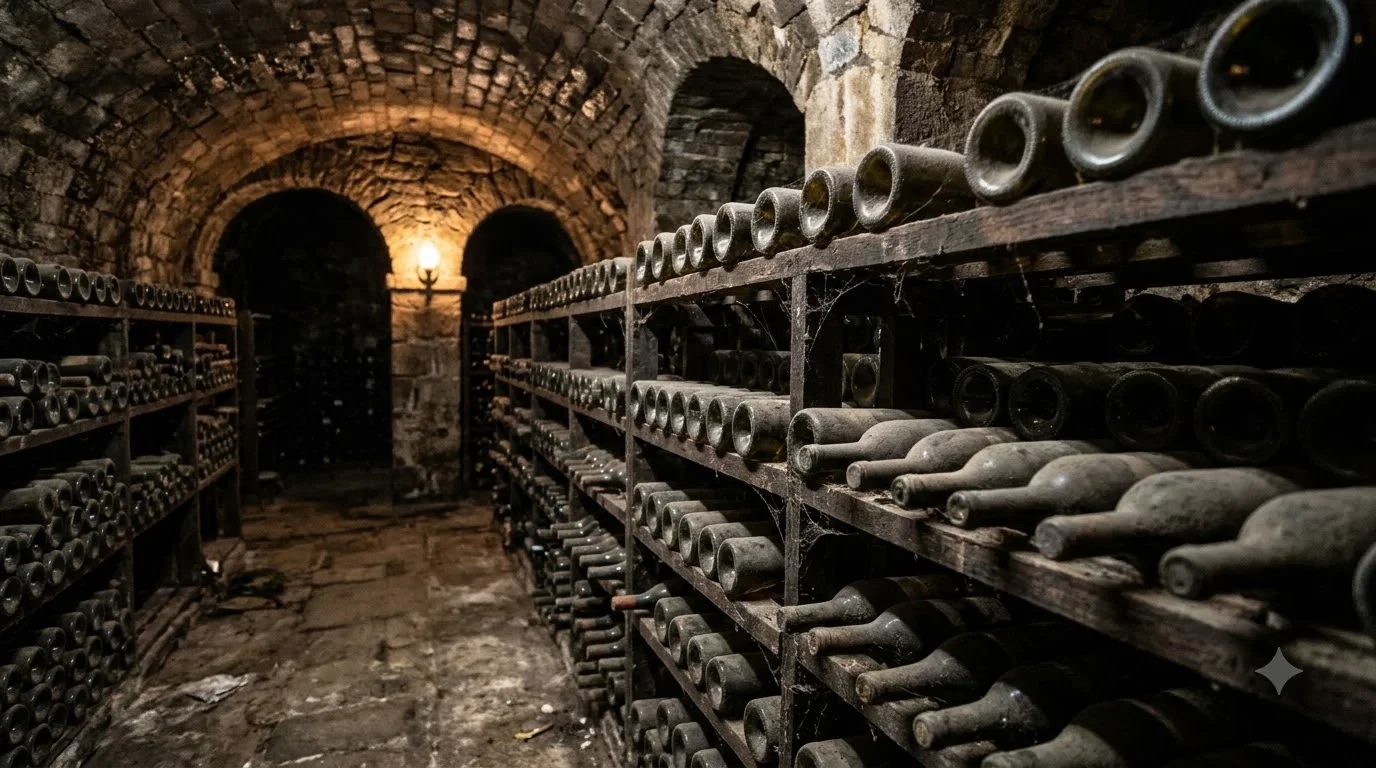
The bodega’s aging cellars are a major part of why the wines develop as they do. Cool, humid conditions help the wines mature slowly, and the underground setting keeps the temperature steady over long periods. Visitors often describe the space as a living record of the house.
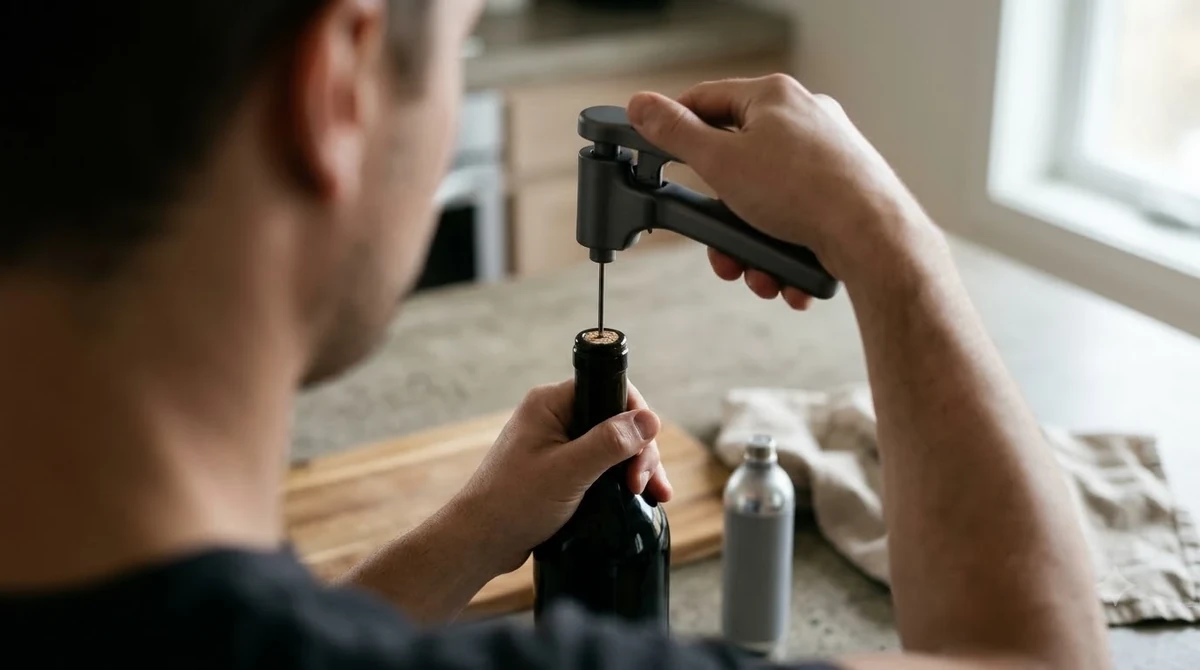
The Rioja UK profile describes a network of underground cellars carved into sandstone. The cellars stretch up to 200 metres in length and lie more than 10 metres below ground. Roughly 12,900 Bordeaux barrels rest there in cool, humid darkness.
Long aging is only half of the story. Releases are often delayed until the wines are fully mature, so a bottle you buy today may have been sitting in the cellar for years before it left the estate. That patience is why many drinkers find these wines feel more settled than younger Riojas, even at a similar age.
How to Buy and Store Lopez de Heredia
Buying this producer rewards careful reading. The vintage, the category and the release year matter more than with many everyday wines. Shoppers who look for a specific label should check the details before they buy.
- Check the category on the front label, such as crianza, reserva or gran reserva, to understand the expected aging.
- Look at the vintage year, and read the release information from the retailer or importer.
- Buy from a retailer that can confirm storage conditions, since these wines benefit from a cool, steady environment.
- Store bottles in a dark place away from heat and vibration. A consistent cellar temperature is more important than a specific number.
- Ask the retailer whether the bottle was stored in a climate-controlled warehouse before it reached you.
Storage at home matters too. Keep bottles away from kitchens, sunny windows and appliances that give off heat. If the bottle has a natural cork, many collectors store it on its side to keep the cork moist. Check the wine’s condition before you open a bottle you have held for a long time.
Food Pairings for Lopez de Heredia
These wines pair well with food because their acidity and savory character give them a natural place at the table. Lower alcohol and firm structure help them work with dishes that have richness, salt and herbs. Matching them to the category of wine is a good rule of thumb.
Aged reds suit roasted meats, grilled lamb, braised beef and earthy mushroom dishes. The savory, composed profile also works with aged cheeses. Younger crianzas can handle simpler dishes such as roast chicken or tomato-based pasta with herbs.
The whites are lively and textured, so they match well with grilled fish, shellfish and dishes with olive oil or herbs. Some drinkers also enjoy them with dishes that have a little salt and smoke. If you want to compare how a Rioja pairs with other styles, the Marqués de Riscal wine guide shows a different Rioja approach for side-by-side comparison.
Where to Find Lopez de Heredia in the US
Availability in the United States varies by state and by season, so there is no single guaranteed source. Specialist wine shops and restaurants with strong Spanish lists are the most common places to look. Importer listings and retailer search tools can help you confirm stock.
Spanish Wine Lover reports that the winery now exports about half of its production. That means US buyers can find the wines, but supply is limited for some labels, especially older releases. Expect the best bottles to sell quickly once they arrive.
If you plan a trip to Haro, check the bodega’s current visiting policy before you travel. The Rioja UK profile says the winery is open to professionals by appointment, closes during harvest, and does not offer public tastings. Confirm the current rules with the bodega directly.
Frequently Asked Questions
What is Lopez de Heredia wine known for?
It is known for traditional Rioja made with long aging in oak and bottle. The wines are often released many years after the harvest, which gives them a savory, mature character. Many drinkers seek them out for that classic style.
When was the Lopez de Heredia bodega founded?
The bodega dates to 1877, when construction of the complex began near Haro. Riojawine describes it as the oldest bodega in Haro and one of the first three in Rioja. The family still runs the estate today.
What wines does Lopez de Heredia make?
The range includes crianza, reserva and gran reserva reds, along with whites and a rosé in the Gran Reserva line. Key names include Viña Cubillo, Viña Gravonia, Viña Tondonia and Viña Bosconia. Check each label for its category and vintage.
Is Lopez de Heredia wine a good choice for a first Rioja?
It can be, if you enjoy savory, earthy wines. Start with an entry-level crianza to see whether the style suits you. Those who prefer fresh fruit and new oak may find the house style more demanding.
Lopez de Heredia wine rewards patience, both in the cellar and at the table. Start with a crianza or white to learn the house style, then move to reservas as you learn what you enjoy. For more background on producers, browse the Wine Brands guides.
More in Wine Brands
 Underwood Wine Price: Compare Bottles, Cans, and Pack SizesUpdated Nov 21, 2026
 Zenato Wine Price: Compare Styles and Choose the Right BottleUpdated Nov 21, 2026
 Zuccardi Wine Price: Compare Bottles and Find the Right RangeUpdated Nov 21, 2026
 Yellow Tail Moscato Review: Taste, Sweetness and Serving TipsUpdated Nov 21, 2026
 Wolf Blass Yellow Label Review: Choose Your Best StyleUpdated Nov 21, 2026
 Wolffer Estate Rose Review: Choose the Right Bottle for Your TableUpdated Nov 21, 2026