

We may earn a commission when you buy through links on this page, at no extra cost to you. Learn more.
The best setting for malbec with salmon is grilled, pan-seared, or roasted fish with a browned surface, matched to a fresh, moderate-tannin wine served slightly cool. Salmon has enough richness to meet a red wine, while its savory crust can connect with Malbec’s dark-fruit flavors. The match is less convincing with delicate poached salmon, sharp lemon sauces, or a heavily tannic bottle.
Pairing a red wine with fish is a matter of matching the wine to the fish’s texture, cooking method, and sauce. Malbec can be a satisfying choice when the plate has char, browned edges, mushrooms, or smoky seasoning; the details below show how to select a bottle and adjust the dish so neither one dominates.
When Malbec Meets Salmon
Malbec is a plausible partner for salmon, but it is not the automatic choice for every preparation. The pairing is strongest when the fish has a firm, rich texture and a browned or smoky surface that can stand beside the wine’s dark fruit and structure.
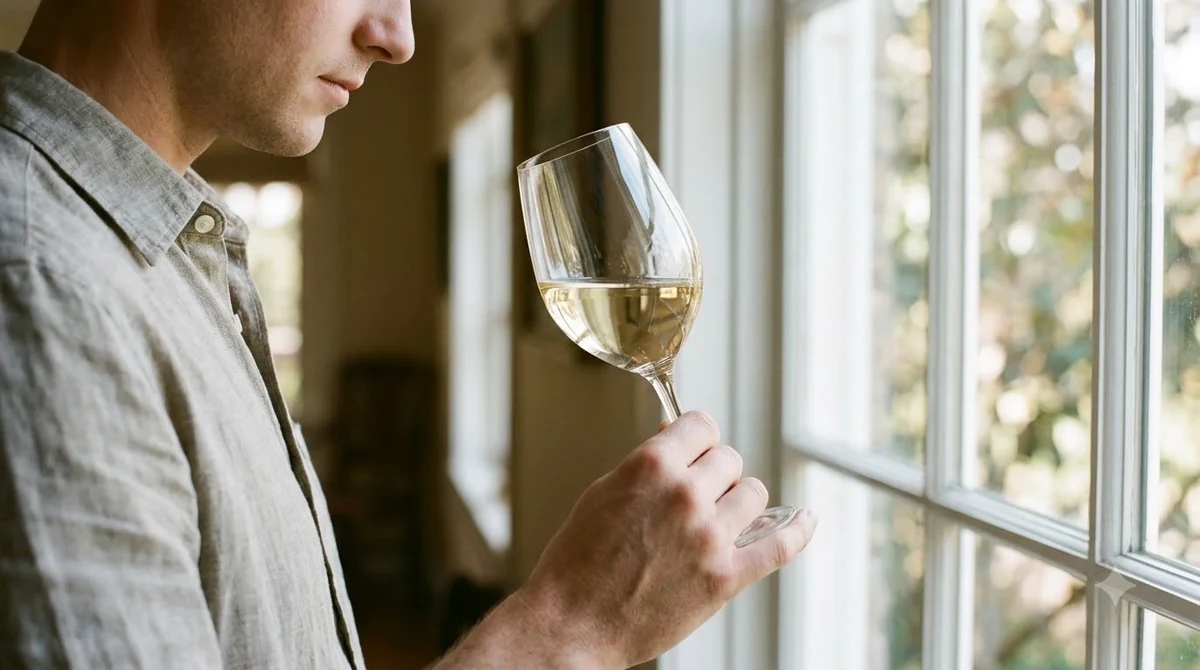
Argentine Malbec commonly shows ripe plum, blackberry, and black cherry, sometimes with a hint of chocolate. Those flavors can echo the browned edge of a fillet cooked over a grill or in a hot skillet. Salmon’s natural fat softens the drying impression of tannin, which helps explain why a carefully chosen red can work better with salmon than with a very lean white fish. Fat does not erase tannin, however: a wine with heavy grip can still mute the fish or leave an overly firm finish. A thick center-cut salmon steak with crisp skin and charred edges has more flavor and texture than a delicately poached portion, making it the better partner for a medium-bodied Malbec.
Region can provide a clue, although it cannot guarantee a particular taste. Decanter describes Argentine Malbec as fruit-forward and juicy, while wines from higher-altitude Uco Valley sites can show fresher red-fruit and violet notes. In Mendoza, warm conditions often produce Malbec above 14% alcohol by volume, so consider ripeness, alcohol, and tannin before serving it with a small or delicately seasoned fillet. Wild salmon may have a leaner, firmer texture than richer farmed Atlantic salmon, so the same bottle can seem more assertive with one fillet than another. Add a savory vegetable or grain side if the fish is mild, rather than trying to make the wine fit by adding more salt or smoke. For more detail on how poached, grilled, seared, smoked, and raw preparations change the pairing, read Decanter’s salmon pairing breakdown.
Match the Cooking Method to the Wine’s Weight
Grilling and pan-searing give Malbec the best opening because they add browned flavors and a firmer surface to the salmon. Baking can also work when the fish develops a roasted edge, while gentle or raw preparations usually call for a lighter, more acidic wine.
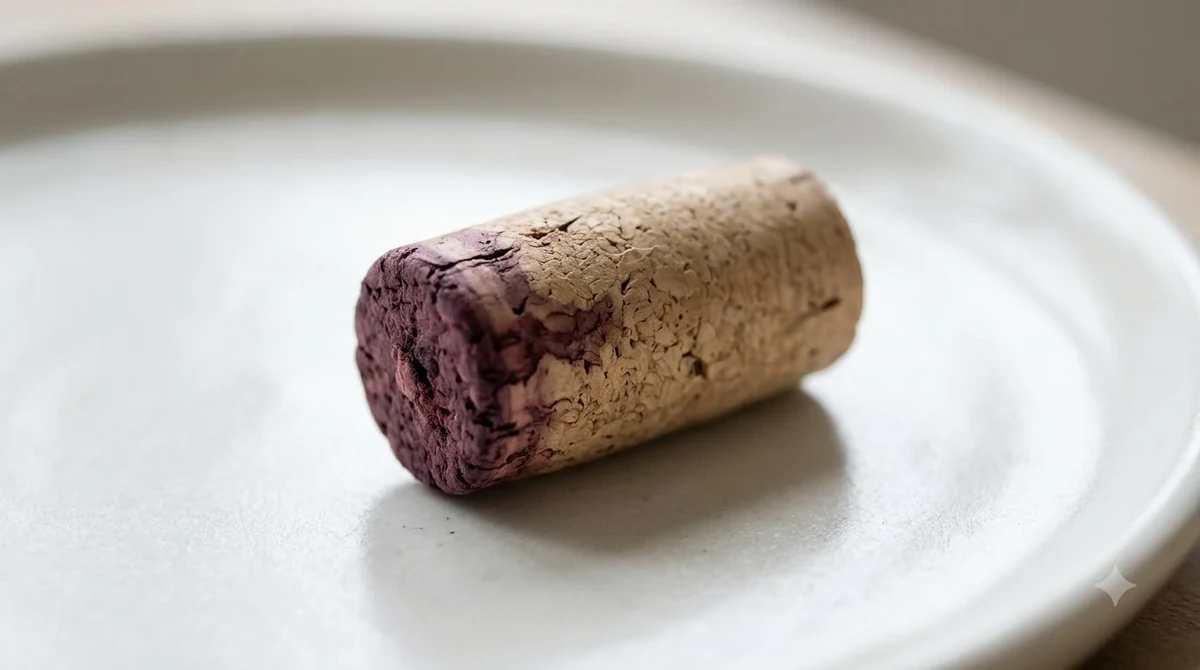
For grilled salmon, choose a Malbec with clear fruit and moderate tannin rather than the most concentrated bottle on the shelf. Grill marks, a little smoke, and a seasoned crust provide enough intensity to meet blackberry and plum flavors. Cedar-planked salmon can work too, particularly with black pepper, garlic, or herbs instead of a thick sugary glaze. Pan-seared salmon is another strong candidate: crisp skin and a golden surface create a savory note that links with dark fruit. Keep the seasoning simple, and serve lemon at the side rather than covering the fillet with citrus.
Roasted salmon is best with Malbec when the accompaniments lean savory: mushrooms, roasted eggplant, onions, or peppers. A mushroom sauce or a small amount of red-wine reduction can make the transition from fish to wine feel natural. By contrast, poached salmon with dill, raw salmon crudo, and simply dressed sushi are usually too delicate or citrus-driven for a full-bodied Malbec. Cold-smoked salmon also tends to favor sparkling wine, crisp whites, or dry rosé. If the dish combines a browned crust with a bright sauce, treat the sauce as the deciding factor and consider serving citrus separately. A 1-inch-thick steak with a smoky rub can take more weight than a thin fillet with just salt and herbs.
| Salmon preparation | Malbec fit | Practical cue |
|---|---|---|
| Grilled or cedar-planked | Strongest | Choose a fresher, moderate-tannin red; serve at 60–65°F and give a young, full-bodied bottle 30–60 minutes of air if needed. |
| Pan-seared with crisp skin | Very good | Keep seasoning savory and use lemon sparingly. |
| Roasted with mushrooms or peppers | Good | Use earthy sides to connect with dark fruit. |
| Poached with dill or lemon | Usually weak | Choose Sauvignon Blanc or Chardonnay instead. |
| Raw or cold-smoked | Usually weak | Choose a crisp white or sparkling wine. |
Choose a Malbec With Freshness and Controlled Tannin
The best bottle for salmon is usually not the biggest or most oak-heavy Malbec. Look for defined fruit, enough acidity to keep the finish lively, and tannin that feels rounded rather than aggressively drying.
Argentina is the most familiar source for Malbec, but the style varies by place and producer. Mendoza includes warm sites and higher-elevation vineyards; some wines are plush and concentrated, while others show more freshness. Decanter notes that higher-altitude areas such as the Uco Valley can bring forward red-fruit character and violet notes. Alcohol is another practical clue: Decanter reports that Malbec from Mendoza commonly reaches more than 14% ABV because of the region’s warm climate. That can suit a substantial grilled salmon steak, but may feel forceful beside a small, gently cooked fillet.
French Malbec from Cahors offers a useful contrast. It can have a darker, earthier character and firmer tannin than the supple, fruit-forward style many American drinkers associate with Argentina. A structured Cahors is more persuasive with salmon that has pronounced char, a peppery crust, or an earthy side dish; a fresh, juicy Malbec is usually easier with a straightforward grilled fillet. Look for descriptions such as fresh, bright, or floral if you want the wine to emphasize fruit rather than oak. Avoid treating words such as reserve or barrel-aged as automatic signs of quality for this meal; they may signal added weight and spice that the fish does not need. The VinePair overview of Malbec also explains how the grape’s profile shifts between France and Argentina’s higher-altitude sites.
Tip: For a first try, select a fruit-forward Malbec that feels fresh rather than dense, then serve it with a simply grilled or pan-seared fillet. Choose a more structured bottle only when the dish has enough char, spice, or savory richness to meet it.
Seasoning, Sauces, and Sides Matter
Seasoning can turn a borderline pairing into a convincing one, or push it in the opposite direction. Savory herbs, roasted vegetables, mushrooms, and moderate smoke tend to support Malbec, while sharp acidity, pronounced sweetness, and intense chili heat create more difficult conditions.
Salt and fat soften the sensation of tannin, so a properly seasoned salmon fillet with a little olive oil or butter can make a red wine feel smoother. Use enough salt to bring out the fish’s flavor, then add savory accents such as black pepper, garlic, parsley, thyme, oregano, or a restrained amount of smoked paprika. Acid needs more care: lemon, vinegar, pickled onions, capers, and bright vinaigrettes can make a moderate-acid red seem less refreshing. Acidic food needs a wine with equal or higher acidity, so add lemon at the table rather than soaking the salmon in citrus before cooking. If the plate is built around lemon and dill, Sauvignon Blanc is often a more natural partner.
Sweet glazes are another challenge. Honey, brown sugar, maple syrup, and teriyaki can make dry Malbec taste tart or bitter when the glaze is noticeably sweeter than the wine. Keep the glaze restrained and balance it with salt, soy, ginger, or savory herbs; for a distinctly sweet dish, choose a wine at least as sweet as the food. Watch chili level as well, because alcohol and tannin can amplify heat. Black pepper and smoked paprika add aroma without the same burn as chili paste or cayenne. Pair smoky salmon with roasted mushrooms, charred peppers, or eggplant, and avoid sides with pronounced bitterness that can make the wine’s tannin seem rougher.
Serve the Wine Cool Enough to Stay Lively
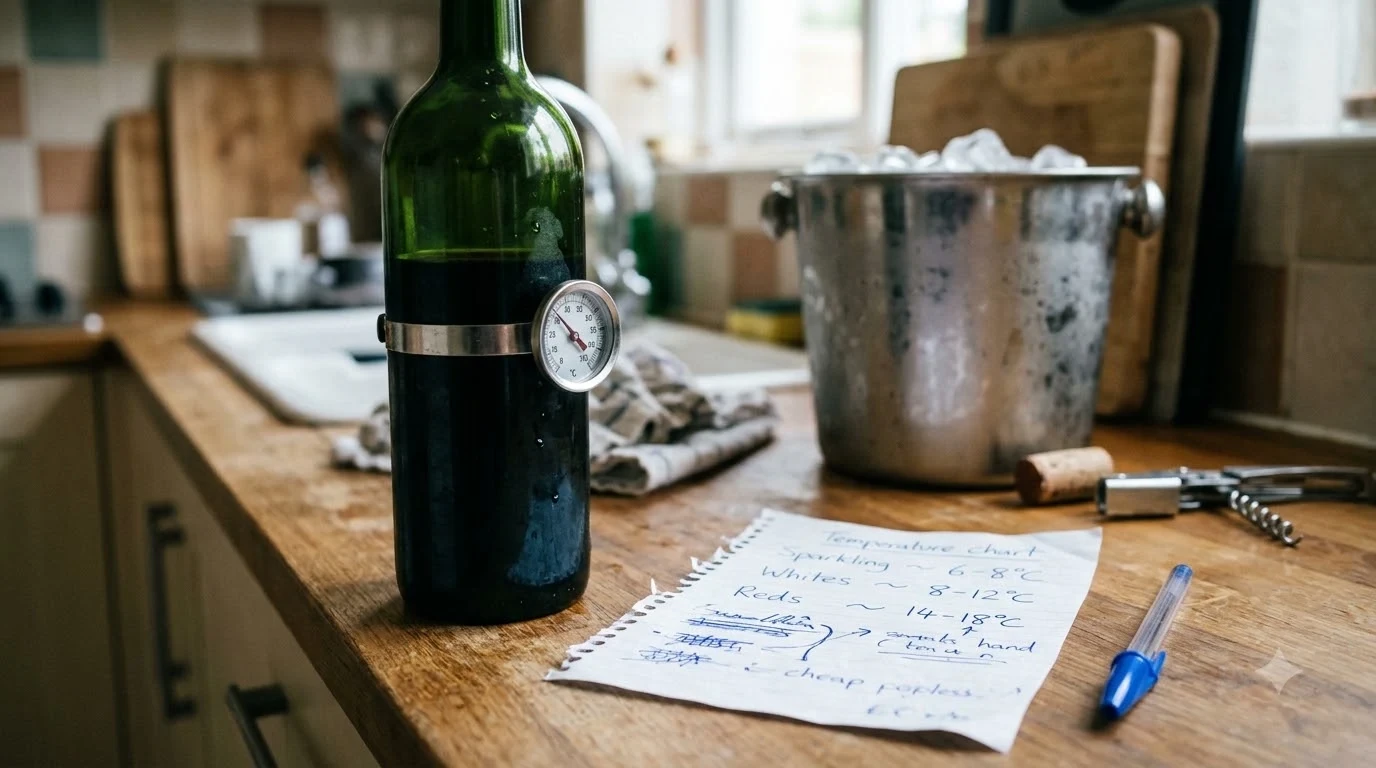
Temperature has a direct effect on how Malbec feels beside salmon. Serve a full-bodied red at 60–65°F rather than at a warm room temperature, so its alcohol seems less prominent and its fruit stays clear.
A bottle that is too warm can make high-alcohol Malbec feel heavy. A modest chill helps it keep its shape beside oily fish, especially outdoors or in a warm dining room; avoid serving it refrigerator-cold, since excessive chilling can mute the fruit and make tannin seem firmer. Young, full-bodied reds can benefit from 30–60 minutes of decanting, but that interval is not required for every Malbec. Taste a small pour first: a fresh, lighter example may already be expressive, while a tightly wound young wine may open with a little air.
Plan the serving order around the food. Pour the first glass once the salmon is ready, not while the fish is still waiting under a hot broiler. If the wine warms in the glass, return the bottle briefly to a cool spot. The same approach works for grilled salmon, roasted vegetables, and an herb sauce: keep the wine cool, keep the sauce measured, and let the browned fish remain the center of the plate.
When a Different Wine Makes More Sense
Malbec is one option rather than a rule. When salmon is delicate, sharply dressed, smoky in a cured way, or covered in a sweet glaze, a wine with higher acidity, lower tannin, or bubbles is often the more balanced choice.
Pinot Noir is the most natural red alternative because it usually has lower tannin and brighter acidity than Malbec. Its red-fruit character works with seared or grilled fish without bringing as much weight. Chardonnay is another reliable route for salmon with butter, cream, or a richer pan sauce; see our guide to chardonnay with salmon for more on matching the wine to the sauce. For lemon, dill, cucumber, or a fresh herb dressing, Sauvignon Blanc has the acidity to meet brighter flavors. Riesling is often more flexible with ginger, chili, or sweet-savory glazes, particularly when a touch of residual sweetness helps balance heat.
Smoked salmon is a separate pairing problem because curing and smoke change the fish’s saltiness and flavor. Champagne or another traditional-method sparkling wine can refresh the palate with bubbles and acidity, while dry rosé or Riesling may work with certain preparations. A smoked-salmon appetizer with cream cheese, capers, and toast has a different balance from a hot-smoked portion served with potatoes, so pay attention to both the cure and the accompaniments. See our guides to champagne with smoked salmon and what wine goes with smoked salmon. For a broader framework, our Grape x Food pairing guide explains how to make the same style-based decision across other meals.
Frequently Asked Questions
Does Malbec have to be served in a large red-wine glass?
A standard universal wine glass is enough for an everyday bottle, though a larger bowl gives a concentrated red more room to release its aromas. Do not fill the glass to the rim; leave space so you can swirl without spilling. The glass matters less than choosing a bottle with the right weight for the salmon.
How much wine should I pour per person?
A standard wine serving is 5 ounces. A 750-milliliter bottle holds about five such glasses, though the number changes with larger pours or wine left in the bottle. For a meal with several courses, smaller pours make it easier to keep the wine and food in balance.
Can I keep an opened Malbec for another dinner?
Yes. Recork the bottle and keep it in the refrigerator; most opened still wines are at their best within 3–5 days. Let the wine warm slightly in the glass before serving again, rather than leaving the whole bottle on the counter.
Is every Malbec bottled as a single-variety wine?
No. Malbec is also used in blends, and Cabernet Franc is one grape that commonly appears alongside it. A blend can change the wine’s aromatic profile, body, and tannin, so the word Malbec on the front label does not tell the whole story.
Can leftover salmon be paired with the same bottle the next day?
It can, but consider how the fish will be served after reheating. A chilled salmon salad with lemon may suit Sauvignon Blanc better, while salmon folded into a warm mushroom pasta can still work with a moderate Malbec. Reheating gently helps preserve the fish’s texture and keeps the wine from seeming more forceful than the food.
Malbec can make a satisfying salmon pairing when the fish is browned, grilled, or served with savory accompaniments, and when the wine has freshness rather than excessive weight. Start with a moderate, fruit-forward bottle, serve it at 60–65°F, and let the sauce guide the final adjustment. For delicate, citrus-led, or cold-smoked salmon, choose a lighter or more acidic style instead.
More in Food & Wine Pairing
 Risotto With White Wine Recipe: Make a Creamy Dinner at HomeUpdated Nov 20, 2026
 Wassail With Wine Recipe for a Festive Spiced Holiday DrinkUpdated Nov 20, 2026
 Spritz Veneziano Recipe: Make a Classic Venetian Aperitivo at HomeUpdated Nov 20, 2026
 Summer Wine Punch Recipe for Easy Homemade EntertainingUpdated Nov 20, 2026
 Bishop Recipe: How to Make a Bright, Citrus-Forward Red Wine CocktailUpdated Nov 20, 2026
 Wine Cupcakes Recipe: Bake Rich Chocolate Cupcakes at HomeUpdated Nov 20, 2026