

We may earn a commission when you buy through links on this page, at no extra cost to you. Learn more.
Malbec with prime rib is a satisfying match because the wine’s dark fruit, medium-to-full body and supple tannins complement the roast’s rich beef flavor without overwhelming its tender texture. Choose a dry Malbec with fresh acidity and enough concentration for the browned exterior, then serve it slightly cool at 60–65°F. Argentine examples are a natural starting point, though a more savory Cahors bottle can also work well with garlic, herbs and pan juices.
Prime rib has several layers of flavor: a browned, sometimes peppery crust; juicy meat; rendered fat; and savory drippings that become au jus. Malbec can meet those layers with plum, blackberry and cherry notes, a broad texture and tannins that feel rounded rather than aggressively drying. The key is to match the wine’s weight and style to the roast and its accompaniments, not simply to choose the darkest bottle on the shelf.
Why Malbec Works with Prime Rib
Malbec suits prime rib because both have generous flavor and enough intensity to hold attention through a substantial meal. A well-made bottle brings dark-fruit character and moderate-to-firm structure, while the roast supplies savory depth and fat that can make the wine’s tannins seem smoother.
Prime rib’s fat helps soften tannin, the drying sensation that can make a red wine feel firm. A Malbec with supple tannins suits a marbled roast, while a firmer example can suit a deeply browned crust.
The wine’s fruit bridges the meat and its seasonings. Black plum and blackberry complement browned edges, while cherry, violet, cocoa and black pepper echo rosemary, cracked pepper and garlic. Wine Enthusiast describes Malbec as a medium- to full-bodied wine with dark fruit flavors, a useful profile for a roast with a strong, savory presence. Its Malbec grape profile also explains why its thick-skinned berries contribute pigment and noticeable tannin.
The best match keeps the roast in front, with the wine adding fruit, freshness and a gentle drying finish. Start with a dry Malbec that has ripe fruit, moderate acidity and smooth rather than hard tannins. The Grape x Food pairing guide explains how body, acidity and tannin shape other pairings.
Which Malbec Style Fits Your Roast
Malbec does not taste exactly the same in every region, so the origin on the bottle can help you decide how it will behave beside the roast. Mendoza is a reliable choice for a fruit-forward, generous style, while Cahors in southwest France often offers a more savory, structured expression.
Mendoza Malbecs often show ripe plum, blackberry and dark cherry, sometimes with cocoa, vanilla or coffee from oak aging. That fruit-forward shape makes a good match for classic prime rib served with simple jus, roasted potatoes and a rosemary or thyme crust. Sites in the Uco Valley and other higher parts of Mendoza can produce versions with fresher acidity and more defined structure, which is useful when the roast is rich but the seasoning is restrained.
Cahors Malbec often shows a firmer, more earthy side, with black fruit, savory herbs and a firmer tannic edge. In the Cahors appellation, Malbec must account for at least 70% of a red wine, according to Wine Enthusiast. This style can work particularly well with a heavily browned exterior, black pepper, garlic or a mushroom-rich side. It may feel more serious and less plush than a ripe Argentine bottle, so give it a little air before serving if it is young and tightly wound.
Look at the style rather than assuming that every Malbec from one country is identical. A warmer-site Argentine wine may taste ripe, generous and sometimes more alcoholic; a cooler or higher-altitude bottling can feel fresher and more linear. Decanter recommends chilling Malbec to 14–16°C before opening, a useful reminder that even a substantial red benefits from a little cooling. Its Malbec buying guide also highlights how site and fermentation or aging vessels can change the grape’s expression.
Pairing by Doneness and Seasoning
The doneness of the roast changes how much weight and tannin the wine needs to bring. Rare and medium-rare slices tend to show more of the meat’s delicate, juicy character, while a darker crust and more thoroughly cooked outer slices offer stronger roasted flavors for a more structured Malbec.
For rare or medium-rare prime rib, choose a Malbec with ripe cherry and plum, moderate acidity and smooth tannins. The tender center can be overwhelmed by heavy oak or rough tannin. A fresher Mendoza style is often a comfortable option, especially when the seasoning is limited to salt, pepper and herbs.
For medium or more deeply browned portions, a fuller Malbec can meet the stronger roasted notes. A bottle with deeper blackberry, cocoa or pepper character can stand up to a thick crust, while a young Cahors can bring a more savory counterpoint. If you serve both rosy center cuts and well-browned end pieces, choose a wine with enough concentration for the crust but enough freshness to keep the leaner slices lively.
Seasoning matters as much as doneness. Rosemary, thyme, garlic and black pepper are natural partners for Malbec’s dark fruit and savory edges. A coffee or chile rub can work with a ripe, fruit-led wine, but use restraint with very hot chile: alcohol and tannin can make the heat feel stronger. For a smoke-forward roast, look for a Malbec with pepper, cocoa or earthy notes rather than one whose only prominent feature is sweet-seeming fruit.
Sauces and Side Dishes That Keep the Match Balanced
The accompaniments can make Malbec with prime rib feel balanced or heavy. Keep the sides savory, let acidity or freshness play a supporting role, and make sure a sweet sauce does not make the dry wine seem harsh.
Au jus is one of the easiest partners because its concentrated beef flavor reinforces the roast rather than introducing a competing taste. A pan sauce made with drippings, stock and a little wine can work too, especially with an Argentine Malbec that has fruit to meet the sauce’s savory depth. Horseradish cream adds a sharp contrast, so serve it as a condiment; its pungency can temporarily dominate the wine’s aromas. Creamy mashed potatoes, roasted fingerlings and Yorkshire pudding offer familiar textures that do not compete with the fruit in the glass.
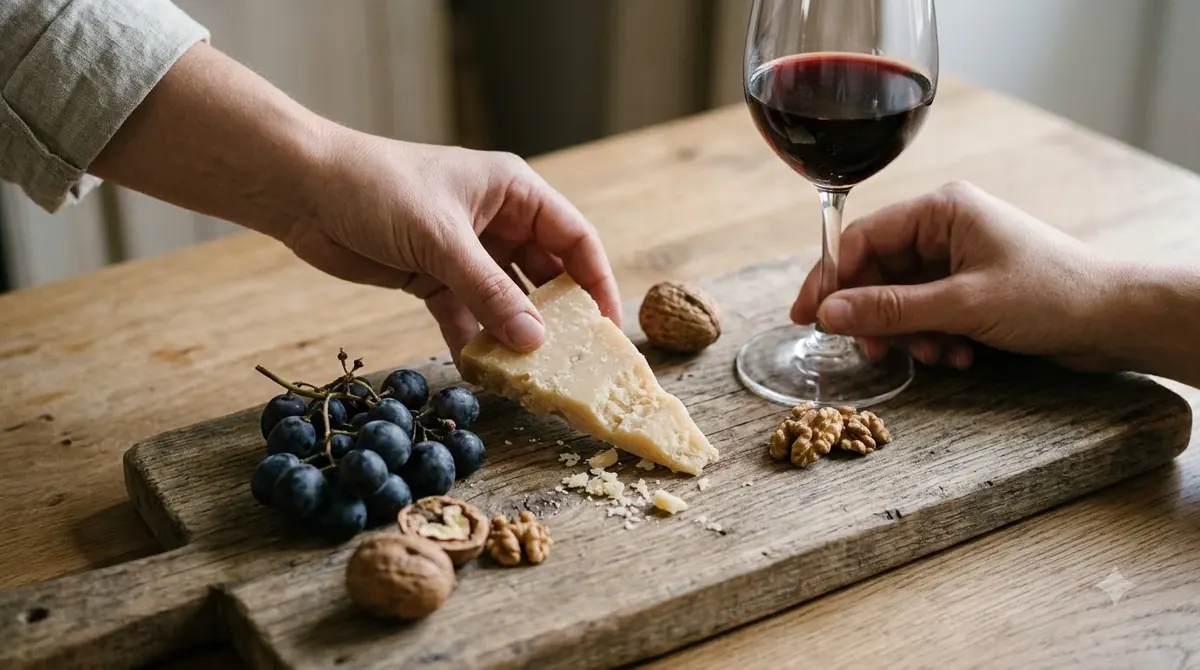
Roasted mushrooms, caramelized onions and grilled eggplant echo Malbec’s earthy and dark-fruit character. Add roasted asparagus, broccolini or green beans with lemon for freshness, but take care with very acidic dressings because the wine needs equal or higher acidity to avoid tasting flat. Serve firm aged cheese in small portions; blue cheese can overwhelm the plate if it becomes the main attraction. For a casual meal with the same bottle, Malbec with pizza offers another way to think about fruit, tomato acidity and savory toppings. Be cautious with sweet glazes: a dry red can taste sour beside food that is noticeably sweeter. Keep sweet onion jam or honey-based glaze modest and serve it on the side; the wine should be at least as sweet as any dessert it is expected to match.
Tip: Taste the Malbec with a slice of prime rib before adding sauce to the plate. Then try a small bite with au jus or horseradish and notice whether the wine still tastes balanced; this quick comparison helps you decide how much condiment to serve.
Serving Malbec at the Dinner Table
Serve Malbec slightly cool rather than at a warm room temperature. Aim for 60–65°F for a full-bodied red, then allow the wine to warm gradually in the glass as dinner progresses.
A bottle that is too warm can emphasize alcohol. In a warm room, refrigerate it for about 15–20 minutes before serving. Decanter’s suggested 14–16°C range is close to the cooler end of the full-red serving window, so a modest chill is a practical approach for a dinner table.
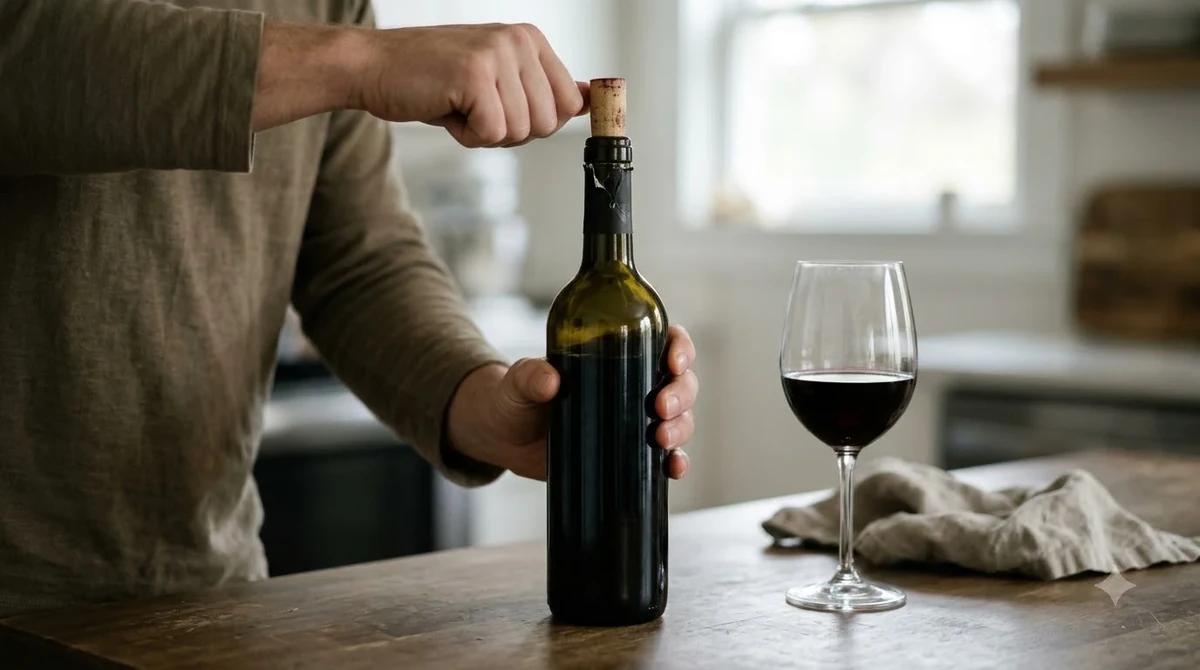
Young, full-bodied reds can benefit from 30–60 minutes in a decanter. This gives a tightly wound Malbec time to open and allows its fruit, spice and savory notes to become easier to distinguish. A softer, ready-to-drink bottle may need little or no decanting; taste it first rather than assuming that every Malbec requires an hour of air. Older bottles should be handled more gently, since extended exposure can cause delicate aromas to fade.
Pour size and bottle planning
A standard 750 ml bottle provides about five 5-ounce glasses. Plan for extra servings when guests may want a second pour, and leave room in each glass for aromas to gather. Recork opened bottles and keep them refrigerated; most still wines are best within about 3–5 days. Store unopened bottles on their side near 55°F, away from direct light and temperature swings.
| Service detail | Practical target | Why it helps |
|---|---|---|
| Serving temperature | 60–65°F | Keeps a full red fresh beside rich beef |
| Young Malbec decant | 30–60 minutes | Allows firm fruit and tannin to open |
| Standard pour | 5 oz | Leaves room in the glass for aromas |
| Typical bottle yield | About 5 glasses per 750 ml | Helps estimate servings for the table |
| Cellar storage | Near 55°F, on its side | Supports stable storage for cork-finished bottles |
When to Choose Cabernet, Pinot Noir or Petite Sirah
Malbec is a strong all-purpose choice for prime rib, but the best alternative depends on the roast and the guests’ preferences. Cabernet Sauvignon brings more tannin, Pinot Noir offers a lighter and more acidic profile, and Petite Sirah provides a firmer, more concentrated contrast.
Choose Cabernet Sauvignon when the roast has a thick charred crust, intense pepper seasoning or a deeply reduced jus. Its high tannin stands up to rich beef, and the fat softens that structure. Merlot suits diners who prefer a softer red, with medium tannin beside mild herbs, creamy potatoes and a gentle pan sauce. Syrah brings medium-plus to high tannin and savory character for cracked pepper, smoke or grilled herbs.
Pinot Noir works when you want a lighter red with higher acidity and low-to-medium tannin, particularly with a simply seasoned roast and mushroom sides. It will not have the same weight as Malbec or Cabernet, but its freshness can be a welcome contrast. Compare the options in our guide to Pinot Noir with prime rib before choosing a lighter style for the table.
For a more forceful, structured red, consider Petite Sirah with prime rib. Its dense fruit and substantial tannin can suit a heavily browned roast, but it may feel too powerful beside a simple, delicate preparation. Malbec remains the flexible middle ground: more weight than Pinot Noir, usually less severe than a highly tannic Cabernet or Petite Sirah, and naturally aligned with beef, mushrooms and roasted vegetables.
Frequently Asked Questions
These quick answers cover bottle selection, dinner planning and a few details that do not fit neatly into the main pairing advice.
Is Malbec or Cabernet better with prime rib?
Both can work, but the choice depends on the crust and preferred texture. Malbec is also permitted in red Bordeaux blends, although it is rarely used there today. A Bordeaux blend may therefore include Malbec alongside other grapes rather than presenting it as a single-variety wine.
Should Malbec be chilled before serving?
Yes. A brief chill helps keep the wine fresh, particularly in a warm dining room. For a dinner that runs through several courses, Decanter suggests keeping Malbec in an ice bucket so it does not warm too quickly. Avoid serving it refrigerator-cold.
Is every Malbec full-bodied?
No. In Touraine in France’s Loire Valley, Malbec may be called Cot and made into lighter red wines with fresh fruit and violet notes. That style can be a better fit for a simply seasoned roast than a particularly dense, oak-aged bottle.
Does Malbec pair with leftover prime rib sandwiches?
It can, especially when the sandwich includes roast beef, sautéed onions or mushrooms. For a cold sandwich with sharp pickles or mustard, a fresher, less heavily oaked Malbec will usually be more comfortable than a powerful, high-alcohol bottle. Keep sweet sauces limited so the dry wine does not taste tart.
Which glass should I use for Malbec?
Use a medium-to-large red wine glass with a bowl wide enough to let the wine’s aromas collect. A glass with a generous bowl is particularly helpful for a young Malbec with dark-fruit and oak aromas. You do not need a separate glass shape for every Argentine subregion or for Cahors.
For most prime rib dinners, choose a dry Malbec with ripe dark fruit, balanced acidity and smooth tannins, then serve it at 60–65°F. Match the bottle to the roast’s crust and sauces, and keep the sides savory so the beef remains the center of the meal.
More in Food & Wine Pairing
 Risotto With White Wine Recipe: Make a Creamy Dinner at HomeUpdated Nov 20, 2026
 Wassail With Wine Recipe for a Festive Spiced Holiday DrinkUpdated Nov 20, 2026
 Spritz Veneziano Recipe: Make a Classic Venetian Aperitivo at HomeUpdated Nov 20, 2026
 Summer Wine Punch Recipe for Easy Homemade EntertainingUpdated Nov 20, 2026
 Bishop Recipe: How to Make a Bright, Citrus-Forward Red Wine CocktailUpdated Nov 20, 2026
 Wine Cupcakes Recipe: Bake Rich Chocolate Cupcakes at HomeUpdated Nov 20, 2026