


We may earn a commission when you buy through links on this page, at no extra cost to you. Learn more.
Malbec with lasagna is an excellent pairing, particularly with traditional beef lasagna made with tomato sauce, ground meat, ricotta, and Parmesan. The wine’s dark cherry and plum flavors complement savory meat, while its moderate tannins work with the richness of melted cheese. Choose a fruit-forward Argentine Malbec with refreshing acidity for the best balance, and serve it slightly cool rather than at room temperature.
Lasagna brings together several ingredients that can make wine selection challenging. Tomato sauce contributes acidity, beef ragù adds savory depth, and layers of ricotta, mozzarella, and Parmesan create richness. A suitable red wine needs enough flavor and body to complement those ingredients without making the tomato taste excessively sharp or the cheese feel heavy. Malbec offers a particularly appealing combination of ripe fruit, savory character, and approachable tannins. However, the best bottle depends on the recipe, the amount of cheese, and whether the lasagna contains meat, vegetables, or béchamel.
Why Malbec Works With Traditional Lasagna
Malbec works particularly well with traditional lasagna because its dark fruit flavors complement beef ragù, its body matches baked pasta, and its tannins interact favorably with rich cheese. The combination creates a satisfying balance between savory food and expressive red wine.
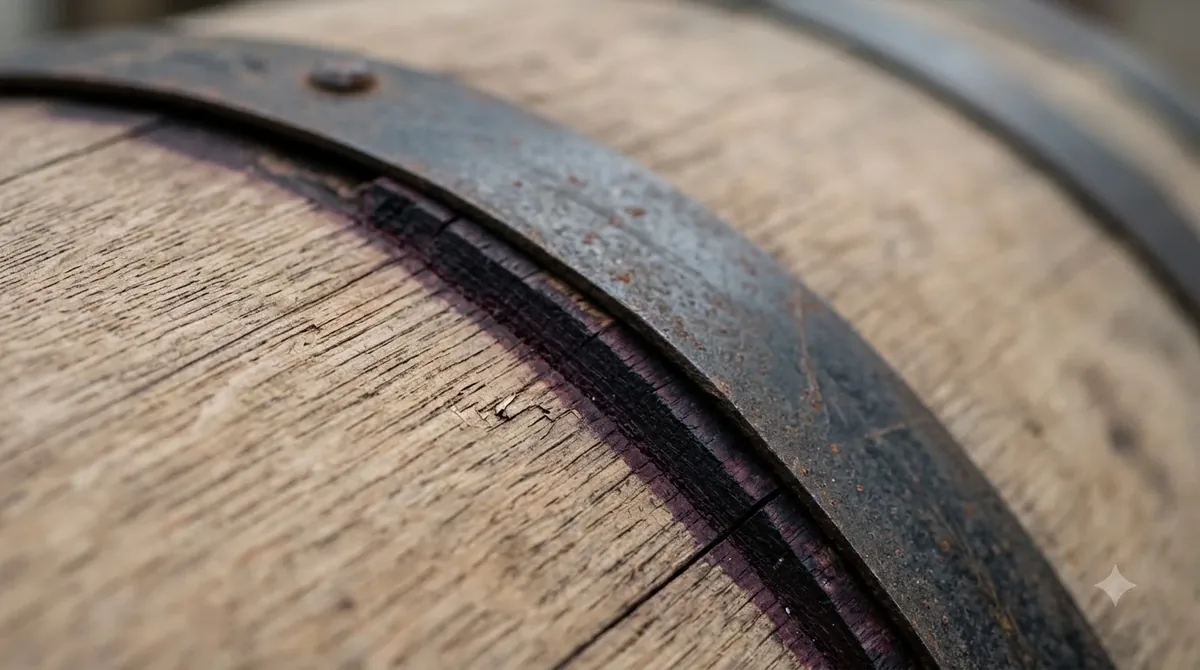
The first reason this pairing succeeds is the relationship between Malbec’s fruit and the meat sauce. Traditional lasagna often contains ground beef or a combination of beef and pork, cooked slowly with tomatoes, garlic, onions, and herbs. These ingredients create concentrated savory flavors that can overwhelm lighter wines. Malbec has enough intensity to remain noticeable alongside them. Its familiar flavors of black cherry, plum, blackberry, and sometimes cocoa provide a complementary contrast to the browned meat and cooked tomato.
The second reason is texture. Lasagna contains several layers of pasta, sauce, and cheese, producing a substantial dish with a creamy, dense mouthfeel. A thin, delicate wine may disappear after a few bites. Malbec generally has medium-to-full or full body, depending on its origin and production style. Its weight makes it suitable for a generous serving of baked pasta without requiring an excessively tannic wine.
Tannins also contribute to the pairing. These natural compounds create the drying sensation associated with many red wines. In a rich dish containing mozzarella, ricotta, and Parmesan, fat and protein can soften the perception of tannin. Malbec often offers a more approachable texture than a particularly firm Cabernet Sauvignon or young Nebbiolo, making it comfortable alongside multiple cheese layers.
Acidity deserves equal attention. Tomato sauce is naturally acidic, so a wine with insufficient freshness can taste flat or unbalanced beside it. Many Argentine Malbecs offer enough natural acidity to maintain definition alongside cooked tomatoes. Nevertheless, Malbec varies by growing region and winemaking approach. A fresh, fruit-driven bottle generally works better than an unusually heavy, alcoholic example with a very ripe flavor profile.
For readers comparing other pasta combinations, Grape x Food offers another way to think about how acidity, body, tannin, and food texture influence a successful pairing.
Choosing the Best Malbec Style for Lasagna
A medium-to-full-bodied Argentine Malbec is the most dependable choice for classic beef lasagna. Look for ripe cherry and plum flavors, moderate tannins, and refreshing acidity rather than choosing a wine solely because it has pronounced oak or high alcohol.
Argentina offers several different expressions of Malbec, with Mendoza providing the best-known reference point. Fruit-forward examples commonly show blackberry, plum, red cherry, and subtle spice. These flavors complement tomato-based ragù and browned cheese without requiring elaborate seasoning. A wine with balanced fruit and acidity is particularly useful when the lasagna includes both beef and pork.
Mendoza’s higher-altitude vineyard areas also produce wines with different combinations of freshness, structure, and aromatic intensity. The Uco Valley is worth exploring for more structured and site-specific expressions. A bottle with restrained oak can preserve fresh fruit and provide enough savory complexity to complement a long-cooked meat sauce.
French Malbec from Cahors offers another interesting direction. These wines are often darker, more savory, and more structured than approachable Argentine examples. Black plum, dark cherry, tobacco, cocoa, and earthy characteristics can complement deeply browned beef and a richly reduced ragù. However, a particularly firm Cahors wine may be less comfortable with a tomato-heavy recipe than a softer, fruit-forward Argentine version.
Malbec from Touraine in France’s Loire Valley can be lighter and more refreshing, with red-fruit characteristics. It may suit vegetable lasagna or a less concentrated meat sauce, although its lighter structure may not provide enough presence for a particularly rich beef-and-cheese recipe.
The following comparison helps match different Malbec styles to common lasagna preparations.
| Malbec style | Typical character | Best lasagna match |
|---|---|---|
| Young Argentine Malbec | Cherry, plum, supple tannins | Classic beef lasagna |
| Oak-aged Argentine Malbec | Dark fruit, vanilla, cocoa, spice | Beef and sausage lasagna |
| Uco Valley Malbec | Fresh fruit, structure, aromatic detail | Rich meat and Parmesan lasagna |
| Cahors Malbec | Black plum, tobacco, earthy notes | Slow-cooked beef ragù |
| Touraine Malbec | Red fruit, lighter body, freshness | Vegetable lasagna |
According to Wines of Argentina, Malbec can show aromas of cherries, strawberries, plums, raisins, and black pepper, while oak aging can introduce coffee, vanilla, and chocolate notes. Those characteristics explain why the grape can complement both traditional meat sauces and more intensely seasoned recipes. The organization’s Argentine grape variety information also identifies pasta among the foods that suit Malbec.
For most home-cooked lasagna, an uncomplicated Argentine Malbec is the safest starting point. Save more structured, oak-influenced bottles for recipes with substantial beef, sausage, browned cheese, or roasted ingredients.
Matching Malbec With Beef, Tomato Sauce, and Cheese
The proportions of beef, tomato, and cheese determine how Malbec performs alongside traditional lasagna. A meat-heavy recipe generally favors a structured wine, while a tomato-dominant recipe needs freshness and moderate tannins to keep the pairing balanced.
Beef ragù is one of the strongest reasons to choose Malbec. Ground beef develops savory, roasted flavors as it browns, while slow cooking concentrates the sauce. Onion, garlic, oregano, and basil contribute additional aromatic complexity. Malbec’s plum and blackberry flavors complement these ingredients without introducing the sharper herbal character that some lighter reds might show.
For lasagna containing Italian sausage, a fruit-forward Argentine bottle is particularly useful. Fennel, black pepper, garlic, and other sausage seasonings add intensity to the filling. Malbec can match these flavors through its dark fruit and spice characteristics. If the sausage is particularly hot, however, avoid a wine with high alcohol and firm tannins. Alcohol and tannin can make chili heat feel stronger, which may turn an otherwise enjoyable dinner into an uncomfortable combination.
Tomato sauce requires a slightly different approach. Tomatoes contribute acidity, especially when the sauce contains plenty of crushed tomatoes or concentrated tomato paste. A wine with adequate freshness can maintain its fruit character alongside this acidity. A very ripe, heavy Malbec with little perceived freshness may seem less balanced. Choose a lively, fruit-driven example if tomato is the dominant ingredient.
Cheese generally makes Malbec more approachable. Ricotta adds creaminess, mozzarella melts into a soft, rich layer, and Parmesan introduces saltiness and concentrated savory flavor. Salt and fat soften the perception of tannin, which helps explain why a medium-to-full-bodied red can work with a cheese-rich baked dish.
Parmesan also brings a slightly nutty, savory quality that complements the darker fruit in Malbec. A small amount of aged provolone can provide additional intensity. The key is proportion: a recipe containing a reasonable mixture of tomato, beef, and cheese usually produces a better match than one dominated by an extremely acidic sauce or an excessive amount of sharp cheese.
Tip: If your lasagna tastes especially tomato-forward, choose a fresh, fruit-driven Malbec rather than the most heavily oaked bottle available. If beef, sausage, and browned Parmesan dominate, a more structured Argentine Malbec can be a better match.
Consider the cooking method as well. A ragù simmered for two hours typically has more concentrated savory flavors than a quick tomato sauce prepared in 20 minutes. The longer-cooked version can support a more structured wine, while the lighter preparation benefits from a fresher, less powerful Malbec.
Pairing Malbec With Vegetable and White Lasagna
Malbec can accompany vegetarian lasagna, but the ingredients determine which style works best. Mushroom, eggplant, roasted pepper, and tomato preparations generally suit red Malbec, while spinach and béchamel recipes may benefit from a lighter, fresher expression.
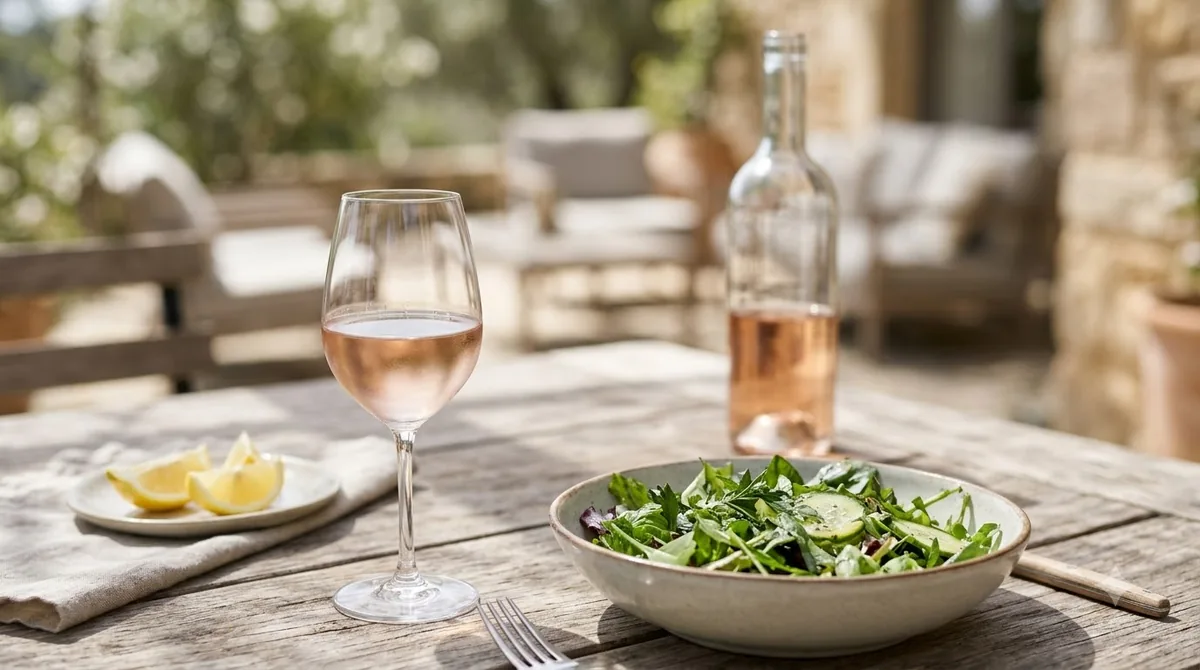
Mushroom lasagna is one of the most convincing vegetarian alternatives to traditional beef lasagna. Mushrooms have an earthy, savory character that provides depth even without meat. Roasted portobello, sautéed cremini, and porcini can create flavors that complement Malbec’s dark fruit and sometimes smoky characteristics. An Argentine bottle with moderate oak and supple tannins is a particularly sensible choice.
Eggplant lasagna is another strong option. Roasted or pan-fried eggplant develops a rich texture, while tomato sauce and Parmesan contribute familiar savory flavors. The combination has enough weight to support a medium-bodied red wine. Malbec’s plum and blackberry characteristics can complement the caramelized vegetable flavors, particularly when the recipe includes roasted garlic and oregano.
Spinach and ricotta lasagna requires more care. Its flavors are generally gentler than those of beef ragù, and a powerful, heavily oaked Malbec may overwhelm the vegetables. Choose a fresher, lighter-bodied expression with less obvious oak. A Touraine Malbec can be a useful alternative if you prefer red wine but want something less concentrated.
White lasagna, made with béchamel instead of tomato sauce, presents another challenge. Butter, milk, flour, cream, and cheese create a smooth, rich filling without the acidity of tomatoes. A lighter Malbec may work with roasted mushrooms or chicken, but a heavily tannic bottle can make the creamy sauce seem less harmonious.
For a white lasagna containing chicken, spinach, and béchamel, Chardonnay may be a more natural alternative. Its medium acidity and body can complement creamy textures without introducing the pronounced dark-fruit profile of Malbec. If you still prefer red wine, select one with restrained tannins and serve it slightly cool.
Vegetarian recipes can also include lentils, walnuts, or caramelized onions to provide extra savory depth. These ingredients make the dish more substantial and create additional points of connection with Malbec. A lentil-and-mushroom filling, for example, can provide enough earthy flavor and texture to support a medium-bodied red.
The most useful principle is to identify the dominant ingredient rather than treating all vegetarian lasagna as one category. Mushroom and eggplant recipes generally offer more compatibility with Malbec than delicate spinach-and-cream preparations. Adjusting the wine to the recipe will produce a more balanced meal.
Serving Temperature, Glassware, and Pouring Malbec
Malbec is best served slightly cool, around 60–65°F for a full-bodied expression. Proper serving temperature helps preserve fresh fruit aromas, prevents alcohol from dominating, and makes the wine more comfortable alongside a hot, cheese-rich lasagna.
Many people serve red wine too warm, particularly when the dining room is heated or the bottle has been sitting on a kitchen counter. At higher temperatures, alcohol can become more noticeable and the wine may seem heavier. A brief period in the refrigerator can restore balance before dinner.
As a practical starting point, refrigerate a room-temperature bottle for approximately 20 minutes, then check its temperature before serving. If the bottle has already been stored in a cool cellar, it may need less chilling. The goal is not to make Malbec cold like a white wine but to preserve freshness and definition.
Glassware also makes a difference. A medium-to-large red wine glass with a rounded bowl gives Malbec room to release its dark fruit and spice aromas. A wider opening also makes it easier to appreciate the wine alongside a plate of hot lasagna. There is no need for specialized glassware, provided the glass is large enough to allow some space above the wine.
For a typical 750 ml bottle, plan on approximately five standard glasses when pouring 5 ounces per serving. This is a useful amount for a dinner involving four adults who may want a second taste, although the number of servings depends on individual preferences.
Decanting is optional rather than essential. A young, particularly concentrated Malbec may benefit from 30–60 minutes of aeration before dinner. This can help soften the impression of firm tannins and make the aromas more expressive. A fresh, approachable bottle generally needs only a few minutes after opening.
Serving temperature should also reflect the wine’s structure. A lighter Touraine Malbec can be served toward the cooler end of the range, while a full-bodied Cahors or oak-aged Argentine example can be served closer to 60–65°F. The difference is subtle but can influence how the wine feels with each bite.
Keep the bottle on the table or in a cool wine sleeve rather than beside a hot oven. Lasagna often arrives directly from a baking dish, so the temperature difference between the food and wine is naturally substantial. Maintaining the wine’s cool serving temperature helps preserve the contrast between the warm, creamy pasta and fresh red fruit.
Malbec Alternatives for Different Lasagna Recipes
Malbec is a reliable choice, but other red wines can work equally well depending on the recipe. Chianti, Barbera, Pinot Noir, and Barolo offer different combinations of acidity, tannin, and body that may suit particular styles of lasagna.
Chianti is a strong alternative for tomato-heavy beef lasagna. Made primarily from Sangiovese, it typically has lively acidity and cherry flavors that complement tomato sauce. Its structure can balance beef and Parmesan, while its freshness helps prevent the wine from seeming flat beside acidic ingredients.
Barbera is another useful option, particularly when the sauce contains plenty of tomatoes. Its naturally high acidity provides a direct response to the sauce, and its generally approachable tannins make it comfortable with mozzarella and ricotta. Barbera can be especially effective when the lasagna contains both tomato and a generous amount of cheese.
Pinot Noir is worth considering for mushroom lasagna or lighter vegetable preparations. It typically has lower-to-medium tannins and high acidity, along with red cherry, raspberry, and earthy flavors. These characteristics make it a more delicate alternative to Malbec. Explore Pinot Noir with lasagna for a closer comparison of how lighter reds work with baked pasta.
Barolo is a more structured option for a particularly rich beef ragù. Made from Nebbiolo, it has pronounced acidity and firm tannins, with savory and earthy characteristics that complement slow-cooked meat. However, its tannic structure can be demanding with a simple tomato-and-cheese recipe. Consider Barolo with lasagna when the sauce contains substantial beef and the meal is designed around a more powerful wine.
Merlot is another practical alternative. Its medium tannins and softer texture can work well with a cheese-heavy lasagna. It tends to be less assertive than a highly structured Cabernet Sauvignon and can provide a comfortable match for ground beef, tomato sauce, and mozzarella.
Cabernet Sauvignon has higher tannins than Malbec, so it is better suited to a particularly meat-heavy lasagna with substantial fat and protein. A lean, tomato-dominant recipe may make the wine seem excessively firm. For a simpler family-style dinner, Malbec or Merlot will generally be easier choices.
For a completely different meal, Malbec also works with pizza, particularly when toppings include beef, sausage, mushrooms, or other savory ingredients. See Malbec with pizza for another practical application of the grape’s dark fruit and approachable structure.
The important distinction is that no single wine must accompany every lasagna recipe. Tomato intensity, meat content, cheese quantity, and seasoning all influence the final result. Malbec is a particularly flexible starting point, while high-acid wines such as Barbera and Sangiovese can be preferable when tomato acidity dominates.
Frequently Asked Questions
Does Malbec have to come from Argentina to pair with lasagna?
No. Malbec from France, particularly Cahors, can also accompany lasagna successfully. The grape is also known as Côt in parts of France, and its traditional French expressions can have a more savory profile than many fruit-forward Argentine examples. The best choice depends on whether the recipe emphasizes concentrated meat flavors or a softer tomato-and-cheese balance.
Can you cook lasagna with Malbec wine?
Yes. A small quantity of dry Malbec can be added to beef ragù during cooking. Allow the wine to simmer with the browned meat and vegetables so its sharper alcoholic aromas dissipate and its flavor integrates into the sauce. Approximately 4 ounces is a reasonable starting quantity for a ragù prepared with about 1 pound of ground beef, depending on the other liquids in the recipe.
Does Malbec pair with lasagna that contains lamb?
Yes. Lamb’s savory character and distinctive flavor work well with Malbec, especially when the filling contains rosemary, garlic, and black pepper. A Cahors expression can provide an earthy contrast, while Argentine Malbec offers a fruitier accompaniment. A lamb-and-eggplant lasagna is another preparation worth considering.
Can sparkling red wine replace Malbec with lasagna?
Yes. Dry Lambrusco from Emilia-Romagna is an interesting alternative, particularly for cheese-heavy lasagna. Its bubbles and refreshing acidity provide a contrast to béchamel, Parmesan, and melted mozzarella. Choose a dry Secco style rather than a sweeter expression for a savory main course.
Does older Malbec work better with lasagna than young wine?
Not necessarily. A young Malbec often provides vivid cherry and blackberry flavors that work especially well with tomato-based ragù. Mature examples can develop more complex secondary aromas, including leather, tobacco, and dried fruit, making them interesting with slow-cooked beef. The wine’s overall balance and structure matter more than its age alone.
Malbec with lasagna is a dependable combination because dark fruit, moderate tannins, and substantial body complement the meat, tomato, and cheese in traditional baked pasta. Start with a fresh Argentine Malbec for classic beef lasagna, then explore Cahors, lighter regional expressions, or alternatives such as Barbera and Pinot Noir as the recipe changes. With the right bottle and a slightly cool serving temperature, lasagna becomes an excellent opportunity to appreciate the versatility of this red grape.
More in Food & Wine Pairing
 Risotto With White Wine Recipe: Make a Creamy Dinner at HomeUpdated Nov 20, 2026
 Wassail With Wine Recipe for a Festive Spiced Holiday DrinkUpdated Nov 20, 2026
 Spritz Veneziano Recipe: Make a Classic Venetian Aperitivo at HomeUpdated Nov 20, 2026
 Summer Wine Punch Recipe for Easy Homemade EntertainingUpdated Nov 20, 2026
 Bishop Recipe: How to Make a Bright, Citrus-Forward Red Wine CocktailUpdated Nov 20, 2026
 Wine Cupcakes Recipe: Bake Rich Chocolate Cupcakes at HomeUpdated Nov 20, 2026