

We may earn a commission when you buy through links on this page, at no extra cost to you. Learn more.
Malbec with duck is an excellent pairing, particularly with grilled duck breast, roast duck, and rich duck confit. Malbec’s dark cherry and plum flavors, savory spice, and substantial tannins complement duck’s rich meat and browned skin. Argentine Malbec offers a fruit-forward match, while French Malbec from Cahors brings firmer structure and earthy character that works especially well with slow-cooked preparations.
Duck occupies an interesting position in food and wine pairing. Although it is poultry, its dark meat, rich fat, and concentrated savory flavor make it suitable for many of the same red wines served with lamb or beef. Malbec is a natural candidate, but the best bottle depends on how the duck is prepared, what sauce accompanies it, and whether the wine is fruity and supple or structured and savory. Here is how to make the combination work across different duck dishes.
Why Malbec Works With Duck
Malbec and duck complement each other through dark fruit, savory flavors, and substantial texture. Duck has enough richness to support a full-bodied red, while Malbec provides the fruit concentration and tannin needed to stand alongside the meat.
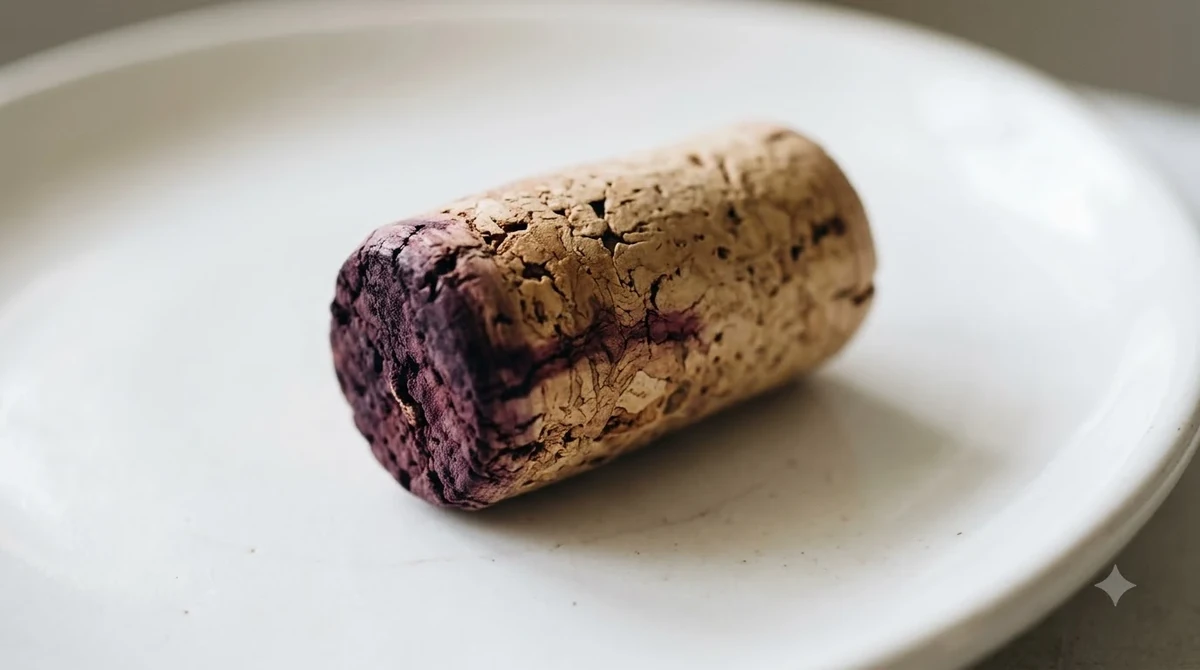
Malbec commonly displays aromas of black cherry, plum, strawberry, raisin, and black pepper. According to Wines of Argentina’s grape variety reference, oak aging can introduce additional notes of coffee, vanilla, and chocolate, while the grape’s tannins often feel sweet and silky on the palate. These characteristics provide several useful connections with duck. Dark fruit complements the browned exterior, peppery notes suit grilled or roasted preparations, and oak-derived flavors echo caramelization from high-heat cooking.
Duck is richer than chicken because its meat and skin contain substantial fat. A pan-seared breast with crisp skin, for example, offers concentrated savory flavors that can stand up to Malbec’s body. The fat and protein also help soften the wine’s tannins, making the combination feel more balanced than it might with a delicate white meat.
There is a useful distinction between matching richness and balancing it. A powerful wine can match a rich dish without refreshing the palate. Malbec typically has moderate acidity, so it is important to consider how much fat remains in the finished dish. A heavily rendered duck breast served with a fresh cherry reduction may work better with a more vibrant, restrained Malbec than with an extremely concentrated, heavily oaked bottle.
The International Wine & Food Society specifically includes Malbec among its recommended wines for duck confit and smoked duck. The grape also appears in the broader tradition of pairing red wines with richly flavored game birds. Its suitability is not limited to one cooking method, although some preparations are more dependable matches than others.
For a broader introduction to choosing wines according to ingredients, cooking methods, and sauces, explore our Grape x Food pairing resource.
Argentine Malbec vs. French Malbec From Cahors
Both Argentine Malbec and French Malbec can accompany duck, but they create different experiences. Argentine examples generally emphasize ripe dark fruit and a generous texture, while Cahors wines often bring firmer tannins, earthy notes, and a more savory profile.
Argentina is particularly important to understanding modern Malbec. Mendoza is the country’s leading wine-producing province, and the grape has become its signature red variety. Argentine Malbec frequently displays blackberry, black cherry, plum, violet, and spice. Depending on the producer and growing conditions, the wines can be rounded and approachable or more structured and concentrated.
This fruit-forward character makes Argentine Malbec especially appealing with grilled duck breast, roast duck, and dishes featuring cherry or plum sauces. The fruit in the wine creates an aromatic connection with the meat and its accompaniments. A moderately oaked example can also complement crispy skin without making the meal taste excessively woody or sweet.
French Malbec has its historic home in Cahors, in southwest France, where the grape is also known as Côt. Cahors wines can be darker, firmer, and more savory than many Argentine examples. They are sometimes blended with Merlot or Tannat, adding further complexity to their structure and flavor.
This style is particularly useful with duck confit, smoked duck, and preparations involving mushrooms or dark reductions. Its firmer tannins and earthy character stand up to concentrated cooking flavors. However, the amount of salt in a confit preparation matters because salt can make tannins seem more pronounced and drying.
The difference is not absolute. Some Argentine Malbecs have considerable structure, and some Cahors wines are supple and approachable. Producer choices, vineyard conditions, grape ripeness, and winemaking techniques all influence the finished wine.
For a straightforward decision, consider the following:
- Choose Argentine Malbec for juicy duck breast, grilled duck, cherry sauce, and fruit-forward roast preparations.
- Choose Cahors Malbec for duck confit, smoked duck, mushroom accompaniments, and savory reductions.
- Choose a softer, less heavily oaked Malbec when the duck is tender and the sauce is delicate.
- Choose a more structured Malbec when the preparation includes substantial browning, concentrated meat juices, or earthy ingredients.
Both regional styles can be excellent choices. The important point is to match the wine’s intensity and tannin level to the finished dish rather than choosing by country alone.
Malbec With Pan-Seared and Grilled Duck Breast
Malbec works particularly well with grilled duck breast when the meat has a browned exterior and a juicy interior. The combination of dark fruit, peppery aromas, and moderate-to-firm tannins complements the meat’s concentrated savory character.
Pan-seared duck breast is one of the more versatile preparations for red wine. Cooking the breast skin-side down renders some of its fat and produces a crisp, browned surface. The meat is often served pink in the center, creating a contrast between the crisp exterior and tender interior. This combination can handle Malbec’s body, especially when the wine has fresh fruit and reasonably supple tannins.
Grilled duck breast introduces another dimension. Contact with the grill creates charred flavors that connect naturally with the black pepper, dark fruit, and occasional smoky notes found in Malbec. A Mendoza Malbec with restrained oak is a particularly appealing choice because its ripe fruit complements the meat without dominating its flavor.
Cooking technique matters. A lightly seared breast with a delicate pan sauce needs a more restrained wine than a deeply charred breast served with a concentrated reduction. If the wine is too powerful, its tannins and oak can overwhelm the subtler flavors of the duck.
Choosing a sauce for duck breast
Cherry sauce is one of the most natural accompaniments to Malbec. The dark fruit in the wine echoes the fruit in the sauce, while the savory character of the meat prevents the combination from becoming overly sweet. A sauce made with sour cherries can be especially effective because its acidity provides freshness.
Blackberry and plum reductions are also suitable. Their concentrated fruit flavors connect with Malbec’s aromatic profile, particularly in wines that show ripe black fruit. Keep the sauce balanced rather than heavily sweetened, since a very sweet sauce can make a dry red wine taste harsh.
For a more savory preparation, try a pan sauce made with shallots, stock, and a modest amount of red wine. Mushrooms, thyme, and black pepper can add further connections with Malbec’s earthy and spicy characteristics. These ingredients are especially useful with a structured Cahors.
There is one important exception: duck breast with a strongly citrus-based sauce. Orange and lemon bring pronounced acidity, which can make a moderate-acid red wine seem flat. A brighter red with more noticeable acidity may be preferable. If the citrus sauce is also sweet, a fruity wine with restrained tannins is the safer choice.
If you are comparing different preparations, our guide to what wine goes with duck breast explains how the cooking method and sauce influence the final pairing.
Malbec With Duck Confit and Roast Duck
Duck confit is one of the strongest traditional matches for Malbec, particularly Cahors. Slow cooking creates concentrated savory flavors, crisp skin adds roasted notes, and the richness of the meat provides enough weight to accompany a structured red wine.
Confit de canard is traditionally prepared by salting duck legs and cooking them slowly in duck fat. The result is tender meat with an intensely savory character. When the legs are finished in a hot pan or oven, the skin becomes crisp and provides additional roasted flavors.
Malbec has the body and dark-fruit character to stand alongside this preparation. The wine’s tannins interact with the protein and fat in the meat, while its savory and spicy notes complement the browned exterior. A Cahors Malbec can be especially appealing because its firmer structure suits the concentrated character of confit.
Vintage Roots also identifies Malbec as a suitable partner for duck confit, highlighting its dark fruit and smoky finish. The guide describes a Cahors example blended with 15% Merlot as a softer, supple option and identifies Argentine Malbec as a fruitier alternative.
However, confit is often salty, and that makes wine selection important. Salt can intensify the sensation of tannin, so an extremely firm young Cahors may feel drying beside a heavily seasoned duck leg. A rounder Malbec with ripe fruit and moderate tannins can provide a more comfortable match.
Roast duck and crispy skin
Roast duck offers a different balance. The skin becomes browned and crisp, while the meat retains its characteristic richness. Argentine Malbec is a good option when the roast has a straightforward seasoning of salt, pepper, garlic, and herbs.
For a traditional roast served with roasted potatoes, carrots, or mushrooms, look for a wine with moderate oak and expressive fruit. These sides reinforce Malbec’s savory and earthy characteristics without introducing excessive sweetness.
Duck served with a fruit-based stuffing or glaze needs a slightly different approach. Plum, cherry, and blackberry accompaniments are generally easier to match than very sweet glazes. Choose a Malbec with fresh fruit and avoid wines that are exceptionally tannic or dominated by new oak.
Slow-roasted duck with a dark gravy can accommodate a more structured Cahors. The gravy adds concentrated savory flavor, and the richer preparation provides enough intensity to support the wine.
For a closer look at the preparation most associated with Cahors Malbec, see our guide to what wine goes with duck confit.
Sauces, Seasonings, and Side Dishes That Complement Malbec
The sauce can determine whether Malbec is an excellent match or an awkward one. Dark fruit, mushrooms, herbs, and savory reductions generally work well, while very sweet glazes, sharp citrus, and intense chili heat require more care.
Malbec naturally connects with ingredients that share its dark-fruit and savory characteristics. Cherries, plums, blackberries, black pepper, thyme, rosemary, and mushrooms are all useful starting points. They complement the wine’s aromatic profile while reinforcing the flavors created during roasting or searing.
Fruit sauces are particularly effective when they retain some acidity. A sour cherry sauce, for example, can bring freshness to rich duck breast and connect with the cherry aromas found in many Malbecs. Plum sauce can work equally well, especially when balanced with stock, herbs, and a small amount of vinegar.
Sweetness requires attention. A very sweet sauce can make dry Malbec taste bitter or unusually acidic. The general pairing principle is to serve a wine at least as sweet as the dessert or sweet accompaniment. Although duck sauces are not desserts, the same practical consideration applies: as sweetness increases, the wine needs enough fruit concentration or actual residual sugar to avoid tasting austere.
Useful ingredients for the pairing
- Cherries: Echo Malbec’s red and dark fruit aromas, particularly with pan-seared duck breast.
- Plums: Work well with roast duck and fruit-based reductions.
- Mushrooms: Add earthy depth that complements savory Cahors Malbec.
- Black pepper: Connects with the peppery aromas found in many Malbec wines.
- Thyme and rosemary: Provide herbal notes that work with grilled and roasted preparations.
- Roasted root vegetables: Add sweetness and browned flavors without necessarily making the dish too sweet.
- Lentils: Provide an earthy, substantial accompaniment that suits duck confit and structured French reds.
Spicy preparations require additional consideration. Chili heat can become more pronounced with alcoholic, tannic red wines. A heavily spiced duck dish may therefore be less successful with a powerful, high-alcohol Malbec than with a softer red or aromatic white. If the dish contains significant chili, reduce the heat and choose a fruit-forward wine with moderate alcohol.
Salt and fat also affect the combination. Duck fat can soften tannin, but heavy seasoning can make the wine feel more astringent. Balance the salt in the sauce, include fresh or acidic accompaniments, and avoid relying on a particularly tannic wine to solve every problem.
Another useful consideration is the side dish. A plate of duck breast with buttery mashed potatoes and rich gravy will feel heavier than the same breast served with lentils and a lightly dressed salad. The latter introduces freshness and helps balance the richness of the meat and wine.
Malbec can also accompany a broader range of meals beyond duck. For another example of how its fruit and structure work with savory food, read our article about Malbec with pizza.
Serving Temperature, Decanting, and Pairing at the Table
Serving Malbec at the correct temperature helps preserve its fruit and balance its alcohol and tannins. Full-bodied Malbec is generally best served between 60 and 65 degrees Fahrenheit, while a younger, particularly concentrated bottle may benefit from 30 to 60 minutes of decanting.
Red wine is often served too warm, particularly in heated dining rooms. Excessive warmth can make alcohol seem more prominent and reduce the impression of freshness. A slightly cool serving temperature keeps Malbec’s dark fruit and savory characteristics more clearly defined.
For a full-bodied Mendoza Malbec, aim for approximately 62 degrees Fahrenheit. A structured Cahors can also be served within the 60-to-65-degree range. If the bottle has been stored at room temperature in a warm kitchen, a short period in the refrigerator can bring it closer to the ideal serving temperature.
Decanting is useful for some young Malbecs, especially concentrated wines with firm tannins. Allowing 30 to 60 minutes can help the wine open aromatically and become more expressive. This is particularly useful when serving a structured Cahors with duck confit or roast duck.
Decanting is not essential for every bottle. An approachable Argentine Malbec with soft tannins and lively fruit may be enjoyable immediately after opening. Older bottles also require more care because extended exposure to oxygen can cause delicate aromas to fade.
Malbec serving guide for duck
| Wine style | Serving temperature | Suggested preparation | Decanting |
|---|---|---|---|
| Fruit-forward Argentine Malbec | 60–65°F | Grilled duck breast | Optional |
| Structured Cahors Malbec | 60–65°F | Duck confit | 30–60 minutes if young |
| Oak-aged Mendoza Malbec | 60–65°F | Roast duck with dark gravy | 30–60 minutes if concentrated |
| Softer, medium-bodied Malbec | 55–60°F | Duck breast with cherry sauce | Usually unnecessary |
The final row is intended for lighter, less concentrated examples rather than a typical full-bodied Malbec. The serving temperature should follow the wine’s actual weight and structure, not simply its grape variety.
Tip: If your Malbec tastes unusually warm or alcoholic, chill the bottle briefly before serving. Aim for approximately 62 degrees Fahrenheit, and pour a modest 5-ounce glass so the wine has room to develop in the glass without becoming warm too quickly.
Glassware also makes a difference. A large red wine glass with a reasonably broad bowl gives Malbec enough space to release its aromas. Pouring approximately 5 ounces into the glass is a useful standard serving, and a 750-milliliter bottle provides roughly five such glasses.
Consider the order of service if the meal includes several courses. A lighter appetizer should generally come before a rich duck preparation, allowing the Malbec to accompany the main course rather than competing with delicate opening flavors.
Finally, think about the wine’s role in the entire meal. If duck is served with a rich reduction, roasted vegetables, and mushrooms, a structured red makes sense. If the plate is lighter, with pink duck breast and a fresh fruit sauce, a younger, more vibrant Malbec is likely to be the better choice.
Frequently Asked Questions
Does Malbec go better with duck than Cabernet Sauvignon?
It often does, particularly when the duck is pan-seared or served with fruit. Cabernet Sauvignon generally has higher tannin than Malbec, which can make it feel more aggressive alongside tender duck breast. However, a structured Cabernet can work with a substantial preparation such as duck cassoulet, where beans, meat, and concentrated cooking juices provide additional weight.
Can you pair Malbec with duck pâté?
Malbec can accompany a strongly flavored duck pâté, particularly one served with toasted bread and savory accompaniments. However, traditional duck pâté often works better with Beaujolais, dry sparkling wine, or aromatic whites. For a richer liver-based preparation, a sweet wine such as Sauternes can provide a particularly interesting contrast.
Does Malbec work with Peking duck?
It can work, but it is not always the easiest choice. Peking duck is commonly served with pancakes, scallions, cucumber, and sweet hoisin sauce. These sweet and aromatic ingredients can make a dry, tannic Malbec taste less balanced. Off-dry Riesling or Gewürztraminer is often a more flexible choice for the traditional preparation.
Can you serve Malbec with duck liver or foie gras?
Malbec is possible with savory duck liver preparations, but it is not the classic pairing for foie gras. Sauternes, Tokaji, and late-harvest Semillon are traditional alternatives because their sweetness contrasts with the rich texture of the liver. A dry Malbec is more appropriate when the preparation includes substantial roasted meat or savory ingredients.
Is older Malbec better with duck than young Malbec?
Not necessarily. Bottle age can soften tannins and develop secondary aromas such as leather, dried leaves, and tobacco, which can complement slow-cooked duck. However, a younger Malbec with fresh fruit can be more appealing with grilled breast and cherry sauce. The best choice depends on the preparation and the condition of the individual bottle.
Malbec with duck is a rewarding combination when the wine’s fruit, tannin, and body suit the preparation. Choose Argentine Malbec for juicy grilled breast and fruit-based sauces, or explore Cahors for duck confit and deeply savory roast dishes. Pay attention to the sauce, keep the serving temperature around 60 to 65 degrees Fahrenheit for full-bodied examples, and let the character of the duck guide your final choice.
More in Food & Wine Pairing
 Risotto With White Wine Recipe: Make a Creamy Dinner at HomeUpdated Nov 20, 2026
 Wassail With Wine Recipe for a Festive Spiced Holiday DrinkUpdated Nov 20, 2026
 Spritz Veneziano Recipe: Make a Classic Venetian Aperitivo at HomeUpdated Nov 20, 2026
 Summer Wine Punch Recipe for Easy Homemade EntertainingUpdated Nov 20, 2026
 Bishop Recipe: How to Make a Bright, Citrus-Forward Red Wine CocktailUpdated Nov 20, 2026
 Wine Cupcakes Recipe: Bake Rich Chocolate Cupcakes at HomeUpdated Nov 20, 2026