

We may earn a commission when you buy through links on this page, at no extra cost to you. Learn more.
In a head-to-head comparison of malbec vs montepulciano, Malbec is typically fuller-bodied, higher in alcohol, and richer in dark plush fruit, while Montepulciano offers brighter acidity and more savory herbal notes. Argentine Malbec leans toward blackberry, red plum, and cocoa with 13.5% to 15% ABV, whereas Italian Montepulciano d’Abruzzo emphasizes sour cherry, brambly berries, and dried oregano around 12% to 14% ABV. Choose Malbec for grilled steaks and blue cheese burgers, and reach for Montepulciano when serving tomato-based pasta, pizza, or roasted pork.
Both grapes produce deeply colored, dry red wines that deliver generous fruit without demanding decades in a cellar, making them staples on American dinner tables. Yet their origins in South America, France, and central Italy shape noticeably different structures in the glass. Exploring how these two varieties differ in flavor, growing climate, oak aging, and food compatibility helps match the right bottle to tonight’s menu—a core goal across Wine vs Wine comparisons.
Side-by-Side Comparison of Malbec and Montepulciano
While Malbec and Montepulciano share an opaque ruby-purple hue and dry finish, they diverge sharply in acidity, alcohol strength, and regional identity. The table below outlines their typical benchmarks across standard bottlings.
| Attribute | Malbec | Montepulciano |
|---|---|---|
| Primary Regions | Mendoza (Argentina), Cahors (France) | Abruzzo, Marche, Molise (Italy) |
| Body | Full | Medium-full |
| Acidity | Medium-low (4–6 g/L typical) | Medium-high |
| Tannins | Medium (Argentina) to high (Cahors) | Medium, supple |
| Typical ABV | 13.5%–15% | 12%–14% |
| Core Fruit Notes | Blackberry, red plum, cassis | Dark cherry, plum, brambly berries |
| Savory & Oak Notes | Cocoa, vanilla, sweet tobacco | Dried herbs, black pepper, leather |
| Serving Temperature | 60–65°F | 60–65°F (or slightly cooler at 58–60°F) |
According to Wine Folly’s Malbec grape guide, top-rated Malbec bottlings generally sit at a pH of 3.65 to 3.75 with residual sugar below 1 gram per liter, giving the wine a dense, velvety mouthfeel. By contrast, regulatory standards tracked by Italian Wine Central show that non-subzone Montepulciano d’Abruzzo DOC starts at a minimum of 12.0% alcohol (12.5% for named subzones and 13.0% for Riserva) and permits up to 9 grams per liter of residual sugar in basic Rosso or 4 grams per liter in Superiore bottlings. Despite that slightly higher legal sugar ceiling, Montepulciano’s lively natural acidity keeps the finish crisp rather than heavy.
Color alone rarely separates the two varieties at first glance because both grapes possess thick, pigment-rich skins loaded with anthocyanins. Swirling the glass reveals subtle clues: Malbec frequently displays a vivid magenta rim against an inky core, while Montepulciano leans toward deep ruby with violet highlights in youth that shift toward garnet after five or more years in bottle.
Flavor Profile, Body, and Structure in the Glass
Malbec delivers a plush, mouth-coating wave of dark fruit and chocolate, whereas Montepulciano balances juicy red-and-black cherry fruit with brisk acidity and earthy spice. These structural differences determine how each wine feels on the palate from the first sip through the finish.
Fruit and Aromatic Spectrum
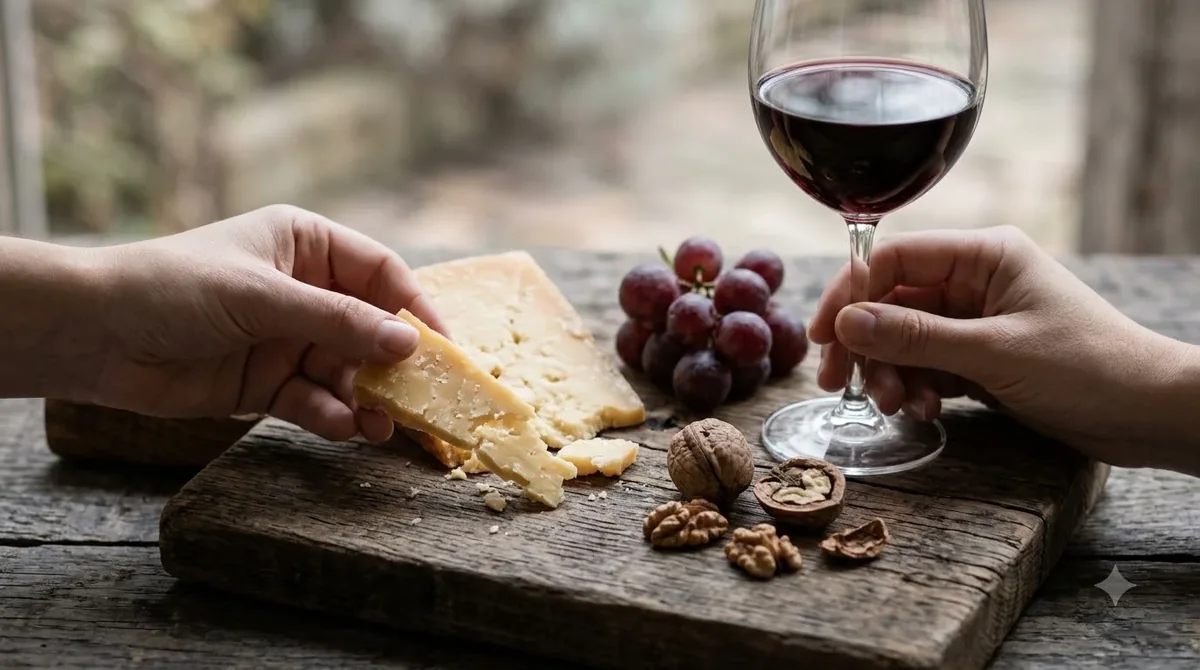
In Mendoza, sunny days and cool mountain nights ripen Malbec’s small, thick-skinned berries into concentrated notes of ripe blackberry, black plum, and crushed violets. Oak maturation adds secondary layers of cocoa powder, vanilla bean, mocha, and sweet pipe tobacco. French expressions from Cahors dial back the jammy sweetness in favor of tart raspberry, blackcurrant, licorice, and damp earth.
Montepulciano d’Abruzzo occupies a middle ground between red and black fruit profiles. Young, stainless-steel-fermented bottles burst with sour Montmorency cherry, wild blackberry, and red plum accented by dried oregano, black pepper, and a faint whiff of woodsmoke. Aged Riserva versions evolve toward cured leather, black olive tapenade, and roasted espresso beans, sharing certain savory Mediterranean traits seen when comparing montepulciano vs sangiovese.
Tannin Grip, Acidity, and Alcohol Weight
Acidity is the clearest structural dividing line between the two wines. Malbec naturally carries medium-low acidity, which makes its tannins feel round, plush, and cocoa-like on the mid-palate—especially in warm-climate Argentine bottlings. Because alcohol regularly reaches 14% to 14.8% ABV, Malbec generates noticeable warmth on the finish and feels substantially heavier on the tongue.
Montepulciano brings noticeably higher mouthwatering acidity alongside medium, fine-grained tannins. Even when an Abruzzo Riserva hits 13.5% or 14% ABV, its brisk acid backbone lifts the fruit and prevents palate fatigue across a multi-course meal. That brighter tension makes Montepulciano feel lighter on its feet than Malbec, even though both wines share deep color extraction.
Key Wine Regions and Labeling Rules
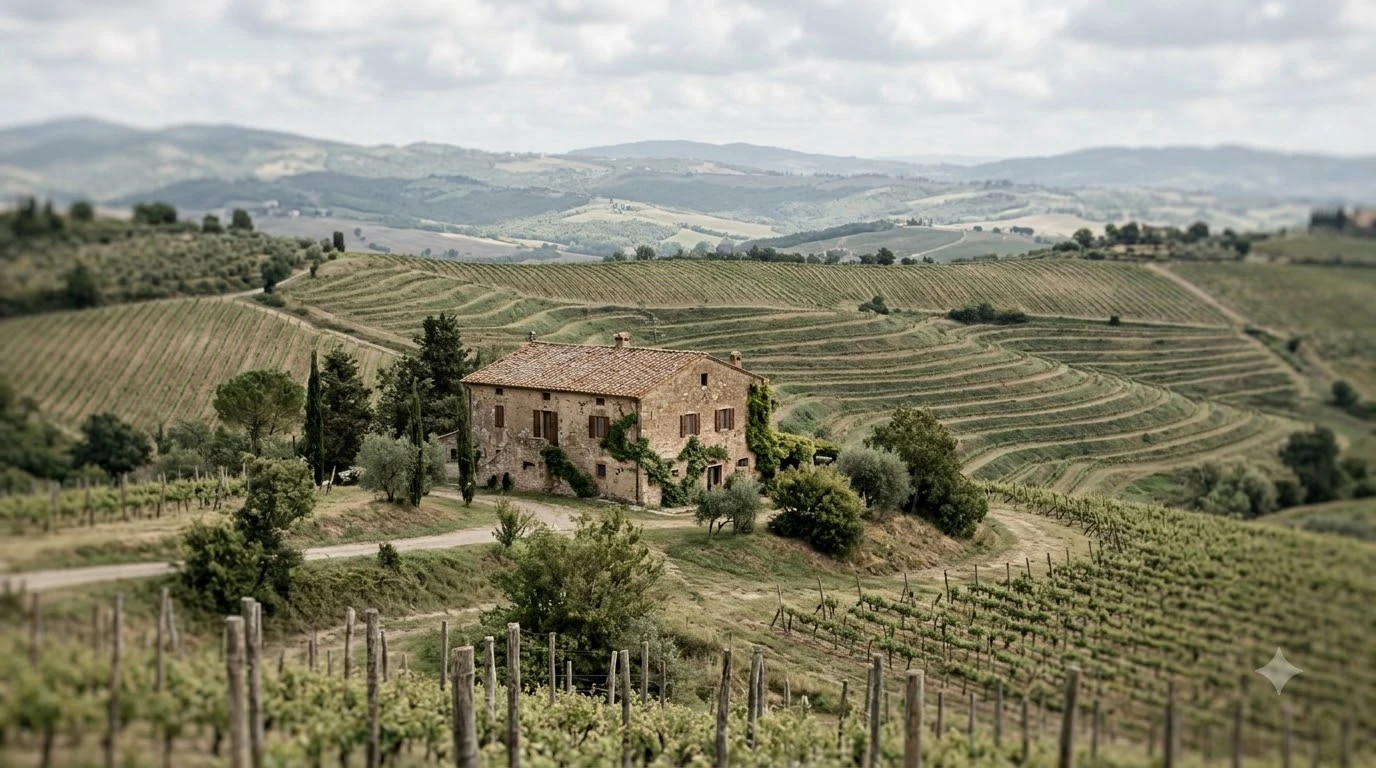
Argentina dominates global Malbec production while Southwest France preserves its savory ancestral style, whereas central Italy’s Abruzzo region serves as the undisputed homeland of Montepulciano. Understanding regional names on the front label prevents common buying mistakes and points toward the exact style inside the bottle.
Mendoza vs. Cahors for Malbec
French botanist Michel Pouget introduced Malbec to Mendoza, Argentina in 1868, and the grape has since grown to cover 40% of Argentina’s red vineyard acreage. High-elevation sub-regions such as Luján de Cuyo and the Uco Valley—where vineyards climb above 3,000 feet—rely on dramatic day-to-night temperature swings to keep floral aromatics intact while ripening thick skins. Producers like Bodega Catena Zapata, Achával-Ferrer, and Viña Cobos showcase how altitude shifts Malbec from lush and velvety to taut and mineral-driven.
In Southwest France, where the grape goes by the local synonyms Côt or Auxerrois, the Cahors appellation mandates at least 70% Malbec alongside supporting amounts of Merlot and Tannat. Grown on limestone plateaus and gravel terraces along the Lot River, Cahors wines—crafted by estates such as Château du Cèdre and Clos Triguedina—pack firmer tannins and higher acidity than most South American bottles.
Abruzzo Appellations and the Tuscan Name Trap
Established in 1968, the Montepulciano d’Abruzzo DOC spans rolling hills between the Apennine Mountains and the Adriatic Sea in east-central Italy, capping vineyard elevation at 600 meters (or 700 meters on south-facing slopes). Non-subzone Rosso requires at least 85% Montepulciano, while recognized subzones like Terre di Chieti, Colline Pescaresi, and Alto Tirino raise the minimum to 90% or 95%. Two prestigious subzones—Colline Teramane (2003) and Casauria (2025)—hold raised DOCG status with stricter yield limits and longer aging mandates. Abruzzo also produces Cerasuolo d’Abruzzo DOC, a deep cherry-pink rosé made from at least 85% Montepulciano.
Tip: Do not confuse Montepulciano d’Abruzzo with Tuscan bottles labeled Vino Nobile di Montepulciano or Rosso di Montepulciano. Those Tuscan wines are named after the hill town of Montepulciano and are made primarily from Sangiovese rather than the Montepulciano grape.
Winemaking, Oak Aging, and Cellar Potential
Winemakers typically age Malbec in small French or American oak barrels to amplify its vanilla and mocha richness, while Montepulciano producers split between stainless-steel freshness for everyday bottles and extended barrel maturation for Riserva releases. These cellar choices govern how long each wine should rest before opening.
Affordable Argentine Malbecs often spend just 4 to 6 months in oak barrels to preserve their juicy plum and blackberry core, making them ready to drink upon release and best enjoyed within 3 to 5 years of the vintage. Reserve and single-vineyard Malbecs commonly mature for 15 to 24 months in barrel and bottle before hitting store shelves, allowing their dense fruit and oak tannins to integrate smoothly over 5 to 10 years in a temperature-controlled cellar near 55°F. Structured Cahors bottlings frequently require 5 to 8 years of bottle age to soften their rustic grip.
For Montepulciano d’Abruzzo DOC, basic Rosso requires only about 3 months of aging prior to release, with many producers fermenting and resting the wine entirely in stainless steel or concrete vats to highlight bright cherry fruit and herbal lift. Moving up the quality ladder, Riserva bottlings must age for at least 24 to 30 months—including 6 to 12 months in wooden barrels depending on the subzone—and producers such as Masciarelli Wine Company and Ciavolich craft single-parcel Riservas capable of evolving gracefully for 8 to 15 years.
Food Pairing: Matching Malbec and Montepulciano to Dinner
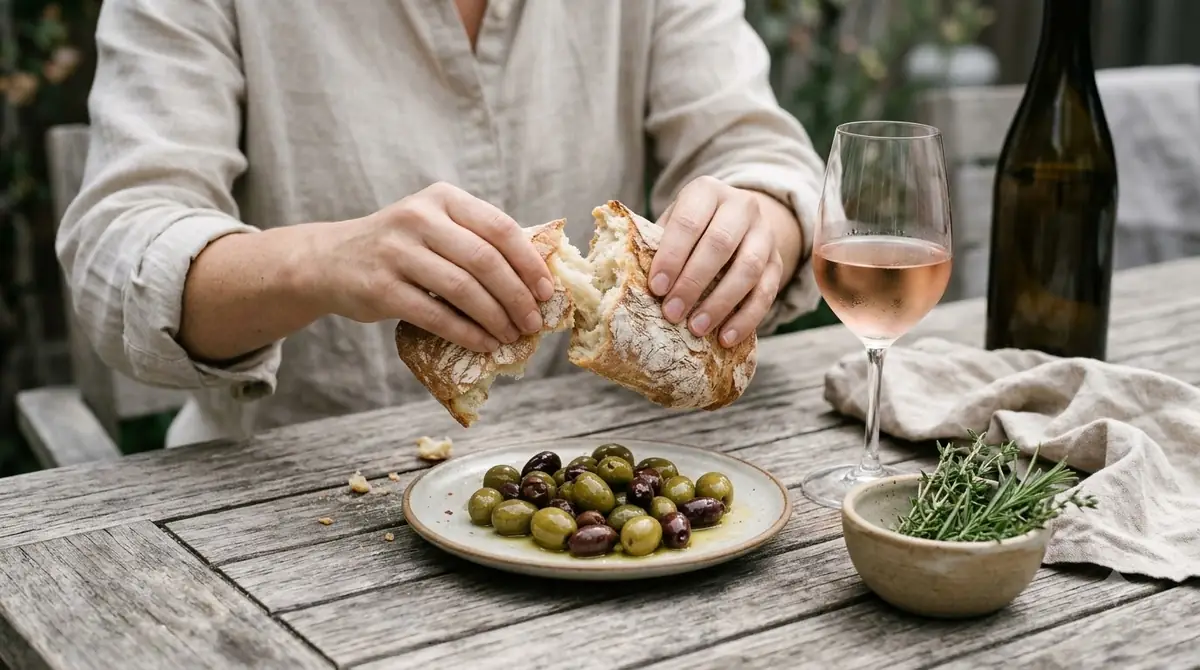
Malbec thrives alongside richly marbled red meats and smoky barbecue where fat and salt tame its broad fruit and alcohol, while Montepulciano excels with acidic tomato sauces, cured meats, and herb-roasted poultry. Choosing between them comes down to the dominant sauce, fat level, and spice profile on the plate.
Best Dishes for Malbec
Because salt and fat soften tannins and cushion higher alcohol, Argentine Malbec is a natural partner for ribeye steak, chimichurri-topped flank steak, lamb chops, and bacon-cheddar burgers. The wine’s dark plum and cocoa notes also complement braised short ribs, mole negro, and aged blue or Gouda cheeses. When pairing with chili heat—such as spicy sausage or peppercorn-crusted steak—keep in mind that high alcohol and firm tannins amplify capsaicin burn, so stick to moderate-ABV bottles or add creamy sauces to buffer the spice.
Cahors Malbec, with its firmer tannin frame and savory blackcurrant profile, pairs especially well with duck confit, cassoulet, and wild mushroom ragù. Its earthy edge bridges the gap between rich roasted meats and umami-heavy root vegetables.
Best Dishes for Montepulciano
High-acid foods demand a wine with equal or higher acidity so the wine does not taste flat or flabby, making Montepulciano d’Abruzzo an easy match for marinara-drenched spaghetti, lasagna, eggplant Parmesan, and wood-fired Margherita pizza. As noted in Food & Wine’s guide to Montepulciano, the grape’s bright acidity and supple tannins also shine alongside porchetta, grilled sausages, cured salumi, and roasted mushrooms.
Avoid pairing either red wine with delicate white fish or oily salmon, as red wine tannins clash with fish oils and create a metallic aftertaste. For seafood pasta in red sauce, a chilled glass of Cerasuolo d’Abruzzo rosé offers the same Montepulciano fruit character without heavy skin tannins.
Serving Temperature, Glassware, and Storage Tips
Both Malbec and Montepulciano taste best served slightly below room temperature at 60°F to 65°F in large-bowled red wine glasses, though young wines benefit from brief aeration before pouring. Proper temperature control prevents high alcohol from smelling sharp while keeping fruit aromatics lifted.
Thick-skinned red varieties benefit from generous oxygen exposure in youth, so decanting a young Mendoza Reserve or Cahors bottle for 30 to 60 minutes softens its grip and opens up floral violet notes. Everyday stainless-steel Montepulciano d’Abruzzo needs little to no decanting—a 15-minute splash in the glass suffices—while a structured Colline Teramane Riserva opens up nicely after 45 minutes in a decanter.
Use a standard 5-ounce pour, which yields roughly five glasses per 750-milliliter bottle, and pour into Bordeaux-style glasses with tall bowls that direct aromas toward the nose. Store unopened bottles horizontally on their sides in a dark space near 55°F with 50% to 70% humidity so corks remain moist. Once opened, recork both wines and store them upright in the refrigerator, where they will stay fresh for 3 to 5 days before oxidation dulls their fruit.
How to Choose Between Malbec and Montepulciano
Pick Malbec when you want a bold, velvety red wine packed with dark fruit and oak spice for grilled meats, and choose Montepulciano when you want a brighter, food-friendly Italian red with lively acidity for pasta, pizza, or weeknight grazing. Checking three quick cues—meal style, alcohol preference, and palate weight—makes the decision straightforward.
- Choose Malbec if: Dinner centers on grilled steak, barbecue, or rich braised meats; you prefer plush blackberry and chocolate notes over tart red fruit; or you enjoy full-bodied reds similar to those explored in malbec vs zinfandel.
- Choose Montepulciano if: The menu features tomato sauce, melted mozzarella, cured meats, or herb-roasted vegetables; you prefer moderate alcohol around 12.5% to 13.5% ABV; or you want a versatile, high-acid bottle that refreshes the palate between bites.
- Bridge the gap: Look for a high-altitude Uco Valley Malbec or a French Cahors bottling when you want Malbec’s dark fruit paired with brisker acidity, or select an oak-aged Montepulciano d’Abruzzo Riserva when you crave deeper body and savory spice.
Understanding how Montepulciano stacks up against other Italian staples—such as in chianti vs montepulciano—further clarifies why Abruzzo’s signature grape feels rounder and softer than Sangiovese while remaining distinctly more acidic and savory than South American Malbec.
Frequently Asked Questions
Which grape has thicker skins and deeper color, Malbec or Montepulciano?
Both grapes feature thick, dark skins that produce deeply pigmented wines, though Malbec berries are smaller and hold an exceptionally high concentration of anthocyanins—the same pigment compounds responsible for its signature ink-black core and bright magenta rim. Winemakers in Bordeaux historically used small percentages of Malbec specifically to darken paler Cabernet Sauvignon and Merlot blends.
Is Montepulciano grown outside of Italy?
Yes, while central Italy accounts for the vast majority of plantings—including neighboring regions like Marche, Molise, Puglia, and Umbria—Montepulciano has gained traction in warm-climate New World regions. Notable plantings thrive in the Texas Hill Country AVA, where producers such as Duchman Family Winery bottle varietal Montepulciano, as well as in South Australia’s Riverland and McLaren Vale.
Why is Malbec also called Côt or Auxerrois in France?
Malbec originated in Southwest France and accumulated dozens of regional synonyms across neighboring valleys before becoming internationally standardized under the name Malbec. In Cahors and the Loire Valley, growers still legally label and refer to the grape as Côt or Auxerrois, though Cahors bottlings are increasingly permitted to display Malbec on export labels.
What does Superiore mean on a bottle of Montepulciano d’Abruzzo?
Under Montepulciano d’Abruzzo DOC regulations, the Superiore designation requires grapes harvested from stricter vineyard yields with higher natural sugar ripeness, resulting in a higher minimum alcohol requirement and extended aging before release compared to standard Rosso bottlings. Superiore bottlings also undergo slightly longer aging before release than entry-level wines.
Which wine is better for warm-weather drinking?
Montepulciano is generally better suited to warm-weather meals because its higher acidity and lower typical alcohol feel refreshing when chilled slightly to 55°F–58°F for 20 minutes in the refrigerator. Abruzzo also produces Cerasuolo d’Abruzzo, a vibrant, dry cherry-colored rosé made from Montepulciano grapes that is specifically crafted for summer patio dining.
Whether stocking a wine fridge for weekend cookouts or weeknight pasta dinners, keeping both a bottle of Argentine Malbec and an Italian Montepulciano d’Abruzzo on hand covers nearly every red-wine pairing need. Malbec brings concentrated dark fruit and velvety weight to smoky grilled meats, while Montepulciano delivers crisp acidity and savory herbal balance for tomato-rich Italian classics.
More in Wine vs Wine
 Chenin Blanc vs Pinot Gris: Acidity, Body, and Pairing DifferencesUpdated Nov 20, 2026
 Chianti vs Lambrusco: How Tuscany and Emilia-Romagna Reds CompareUpdated Nov 20, 2026
 Chianti vs Primitivo: Key Differences in Taste, Body, and PairingUpdated Nov 20, 2026
 Chianti vs Rioja: Key Differences in Taste, Aging, and PairingUpdated Nov 20, 2026
 Chianti vs Shiraz: How Acidity, Body, and Food Pairings CompareUpdated Nov 20, 2026
 Chianti vs Syrah: Key Differences in Taste, Body, and Food PairingUpdated Nov 20, 2026