

We may earn a commission when you buy through links on this page, at no extra cost to you. Learn more.
The best malbec under 50 is generally an Argentine bottle from Mendoza or the Uco Valley that balances ripe dark fruit, fresh acidity, smooth tannins, and restrained oak. At this budget level, shoppers can explore more distinctive vineyard origins, carefully managed oak aging, and greater regional character without automatically paying for a prestigious label. The smartest choice depends on whether you prefer plush, powerful reds or fresher, more structured Malbec with savory complexity.
Malbec has become one of the most recognizable Argentine wines for good reason. Its combination of blackberry, plum, violet, and naturally approachable tannins makes it versatile at dinner and enjoyable without extensive cellaring. However, not every bottle offers the same experience. Mendoza’s traditional growing areas, the high-altitude vineyards of the Uco Valley, and cooler southern regions can produce noticeably different wines. Understanding those differences makes it easier to choose a bottle that delivers genuine quality rather than simply an impressive label.
Who This Buying Guide Is For
This guide is for shoppers who want a more interesting Malbec than an ordinary inexpensive supermarket red but do not want to spend beyond their established bottle budget. The category includes everyday dinner wines, more polished single-region bottlings, and serious vineyard-focused examples suitable for special meals.
Malbec is particularly appealing to drinkers who enjoy ripe fruit and a relatively generous texture. Typical flavors include black cherry, plum, blackberry, strawberry, and black pepper. Oak-aged examples can introduce vanilla, coffee, chocolate, and baking-spice characteristics. The result can range from fresh and approachable to concentrated and structured, depending on the fruit, climate, and winemaking.
Shoppers who usually choose Cabernet Sauvignon may appreciate Malbec’s dark fruit and substantial body, although the tannins are often softer. Someone who prefers Merlot may also enjoy its smooth texture, while Pinot Noir drinkers may prefer Malbec from cooler locations rather than a heavily ripe, oak-driven style. Readers comparing red-wine alternatives can also consult this guide to best Cabernet Sauvignon under 20 for a different balance of tannin, acidity, and fruit.
This guide is also useful for people buying wine for a particular meal. Malbec works naturally with grilled beef, burgers, lamb, roasted vegetables, and tomato-based pasta. Its fruit and moderate-to-full structure make it an especially practical choice for barbecue dinners and casual entertaining.
The budget is sufficient to investigate regional distinctions rather than choosing exclusively by brand recognition. That matters because two bottles made from the same grape can have different levels of freshness, alcohol, tannin, and oak influence. A good purchase should match the drinker’s preferred style, not simply occupy the highest possible price point.
Key Factors to Compare
The most useful buying criteria are vineyard origin, fruit character, tannin structure, oak treatment, and balance. These characteristics help distinguish an easy-drinking Mendoza Malbec from a more detailed high-altitude Uco Valley expression.
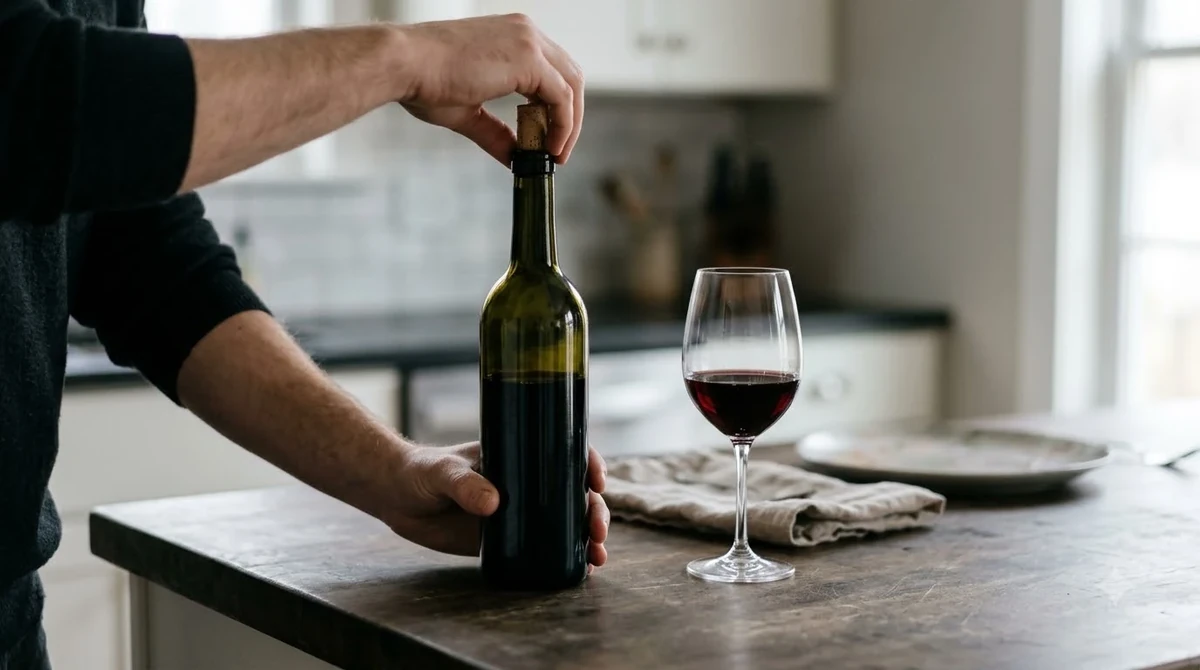
Origin is a particularly useful starting point. Mendoza dominates Argentine wine production, but it is not one uniform growing environment. The Uco Valley contains several distinct growing areas, including Tupungato, Tunuyán, and San Carlos. Differences in elevation, sunlight, temperature, and soil can influence how ripe and structured the resulting wines become.
High-altitude vineyards deserve particular attention. San Pablo, for example, sits above 3,860 feet according to Wine Enthusiast. Cooler temperatures and rocky soils can help produce fresher, more structured expressions with pronounced acidity. These wines may offer more tension and savory detail than fruit-forward examples from warmer locations.
Oak is another important distinction. New oak can contribute vanilla, toast, coffee, and chocolate notes, while older or neutral vessels generally allow the fruit and vineyard character to remain more prominent. Neither approach is automatically superior. The best choice depends on whether the drinker enjoys a polished, generous red or a more transparent expression of Malbec.
Use the following comparison when evaluating bottles:
| Buying factor | What to look for | Typical indication |
|---|---|---|
| Origin | Mendoza, Luján de Cuyo, Uco Valley | Different combinations of ripeness and structure |
| Elevation | Named high-altitude growing areas | Potentially fresher acidity and firmer structure |
| Fruit profile | Cherry, plum, blackberry | Fresh, ripe, or concentrated fruit character |
| Tannin | Fine-grained or silky texture | Smoother drinking and food compatibility |
| Oak treatment | New, used, or neutral oak | Different levels of spice and wood influence |
| Alcohol | ABV printed on the bottle | Clue to perceived warmth and weight |
| Vintage | Harvest year and drinking maturity | Can affect freshness, concentration, and development |
| Production origin | Regional or single-vineyard designation | More specific information about grape origin |
Balance should carry more weight than any individual specification. A wine with abundant fruit but excessive alcohol can feel heavy. A heavily oaked bottle may conceal the freshness that makes Malbec appealing. Conversely, a more restrained wine can seem less immediately powerful but provide greater detail throughout the glass.
For a useful comparison, consider the regional Malbec examples discussed by Wine Enthusiast’s Argentine Malbec selections. Their descriptions illustrate how freshness, herbal notes, mineral character, and tannin texture distinguish individual wines.
Tip: When comparing two bottles, prioritize the origin and winemaking style before the label design or the words Reserva and Gran Reserva. Those terms do not guarantee identical aging standards or quality across different producers.
Step-by-Step: How to Choose a Bottle
A systematic buying process makes it easier to find a bottle that suits both the occasion and personal taste. Start with the intended meal, narrow the regional style, and then compare the wine’s structure and production details.
-
Decide how you intend to drink it.
For a relaxed weeknight dinner, choose an approachable Mendoza Malbec with generous plum and blackberry character. For a more formal meal, consider a regional or single-vineyard Uco Valley bottling with additional structure and complexity. A special occasion does not automatically require the fullest or most heavily oaked wine.
-
Choose the preferred regional expression.
Start with Mendoza if you enjoy ripe fruit, generous texture, and familiar Malbec character. Look toward Luján de Cuyo for traditional, polished expressions. Consider Tupungato, San Carlos, or Tunuyán in the Uco Valley if you want to investigate differences in elevation, soil, and freshness.
-
Read the producer’s description carefully.
Look for meaningful details about vineyard location, harvest conditions, oak vessels, and aging. Descriptions mentioning dark fruit, spice, fresh acidity, or mineral character provide more useful information than vague claims about exceptional quality.
-
Decide how much oak you enjoy.
If vanilla, chocolate, and toasted spice appeal to you, investigate bottles with a noticeable barrel-aging influence. If you prefer blackberry, cherry, and herbal notes, choose a wine where oak is secondary to the fruit. Neutral oak and concrete vessels can help preserve a less overtly woody profile.
-
Compare alcohol and structural details.
Check the ABV and consider how it may affect the overall impression. A fuller, warmer style may suit grilled beef, while a fresher wine with more noticeable acidity can work better with tomato-based dishes. Alcohol alone does not determine quality or body.
-
Consider the producer and regional consistency.
Producers with several vineyard-designated wines can provide useful comparisons between growing locations. Catena Zapata, Altos Las Hormigas, and Familia Zuccardi are examples associated with distinct Argentine Malbec expressions. Their regional bottlings offer a starting point for understanding differences in vineyard character.
-
Match the bottle to the occasion and drinking window.
Choose a youthful, fruit-forward example when immediate drinkability matters. A more structured wine may benefit from additional bottle development or some time in a decanter. Avoid assuming every premium Malbec needs extended aging before opening.
This process also works when shopping online. Retailer listings often provide the region, grape variety, vintage, professional descriptions, and alcohol content. Comparing those details is more reliable than selecting a wine solely because its packaging looks premium. For broader buying fundamentals, the site’s wine buying guide provides additional context on reading labels and evaluating bottles.
Types and Styles of Malbec Explained
Malbec is not a single uniform style. Argentine examples can range from soft, fruit-forward reds to complex wines with firm structure, noticeable acidity, and distinctive vineyard character. Understanding the major regional and production differences helps narrow the selection.
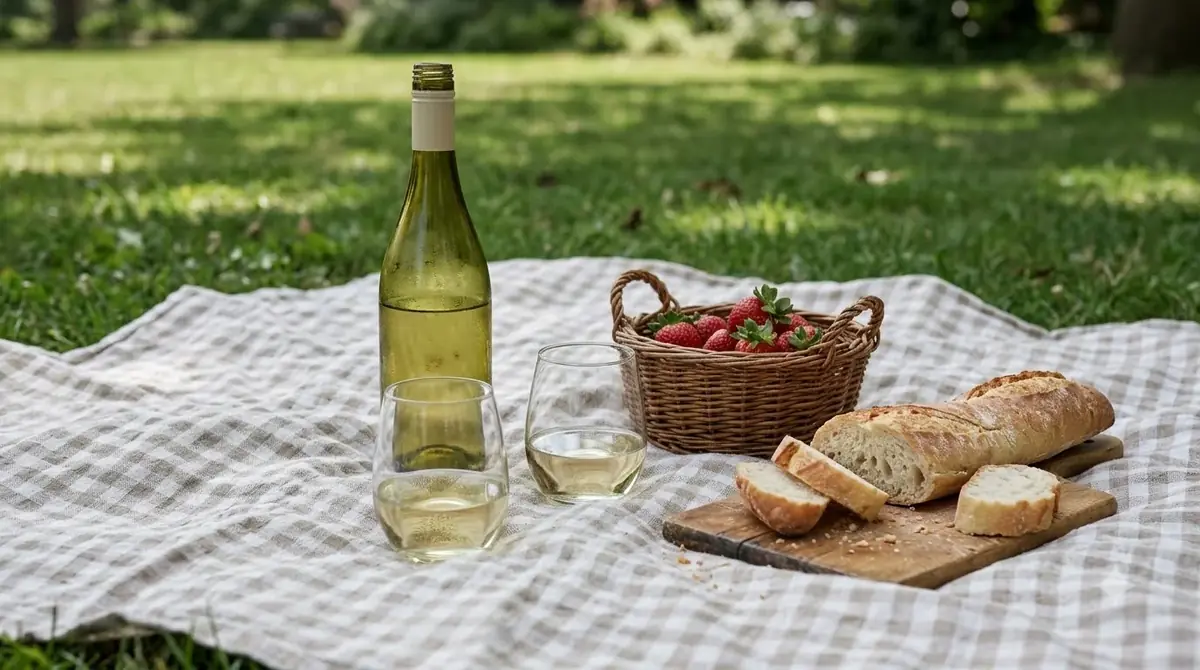
Classic Mendoza Malbec
Mendoza is the natural starting point for anyone exploring Argentine Malbec. Its broad range of growing conditions allows producers to create everything from accessible, fruit-led wines to concentrated reserve bottlings. Common flavors include ripe plum, blackberry, dark cherry, and sweet spice.
These wines are generally attractive to people who enjoy a generous red with relatively approachable tannins. They work particularly well with hamburgers, grilled sausages, roasted meats, and everyday pasta dishes. Their fruit-forward character also makes them useful when serving a mixed group of red-wine drinkers with different preferences.
Luján de Cuyo Malbec
Luján de Cuyo is an established Mendoza growing area associated with classic Argentine Malbec. Wines from this region can combine ripe fruit, a rounded palate, and substantial structure. Depending on the producer, oak aging may introduce vanilla, cocoa, cedar, and spice.
This style is a good option for drinkers who want recognizable Malbec character with additional polish. It can be especially satisfying alongside grilled ribeye, roasted lamb, or dishes featuring browned mushrooms. The exact character varies by vineyard and producer, so regional origin should be considered alongside the individual wine description.
Uco Valley Malbec
The Uco Valley has become an important destination for vineyard-specific Argentine wines. Its three departments, Tupungato, Tunuyán, and San Carlos, include considerable variation in elevation, temperature, sunlight, and soil composition.
High-altitude locations can produce Malbec with fresher acidity, more defined tannins, and less obvious jamminess. Some wines show violet, wild berries, herbs, pepper, and mineral characteristics alongside the expected dark fruit. These are particularly interesting choices for drinkers who appreciate structure and regional expression rather than sheer richness.
VinePair’s reporting on Uco Valley producers highlights the diversity of the region and discusses the work of Altos Las Hormigas, Bodega TeHo, Catena Zapata, and Familia Zuccardi. Its discussion of geographical indications is useful for understanding why a more specific origin can provide additional information about a wine’s character.
Single-Vineyard and Site-Specific Malbec
Single-vineyard bottlings identify a more specific grape-growing source than a broad regional designation. They can provide an opportunity to explore differences between neighboring locations, especially in the Uco Valley. Soil composition, altitude, exposure, and harvest timing all influence the resulting wine.
These bottles are often worth considering when the goal is a more distinctive drinking experience. However, a single-vineyard designation does not automatically mean a wine will be better than a regional blend. Blending fruit from different sites can provide balance, complexity, and consistency.
Oak-Aged and Fruit-Forward Malbec
Oak-aged Malbec generally emphasizes additional layers of texture and aroma. Vanilla, coffee, chocolate, toast, and baking spices may complement plum and blackberry. The amount of oak influence depends on the type of vessel, the age of the barrels, and the length of maturation.
Fruit-forward Malbec places greater emphasis on fresh or ripe fruit, with less obvious wood character. It can be easier to enjoy without decanting and is often a practical option for casual meals. Neither style is inherently superior: the right choice depends on whether oak complexity or direct fruit expression is more appealing.
Shoppers interested in certified production practices can also explore organic Malbec. Organic certification concerns vineyard and production standards; it does not automatically determine whether a wine tastes fruit-forward, earthy, or oak-driven.
Common Mistakes When Buying Malbec
The biggest buying mistakes involve treating all Argentine Malbec as interchangeable, confusing powerful flavor with quality, and relying too heavily on marketing terminology. A few simple distinctions can prevent disappointment.
Assuming Every Mendoza Wine Tastes the Same
Mendoza contains multiple growing areas with different conditions. A broad regional wine can be fruit-forward and approachable, while a high-altitude Uco Valley example may show fresher acidity, firmer structure, and more herbal or mineral detail. Treating both as identical overlooks an important part of Malbec’s appeal.
Choosing Only by Alcohol Content
Higher alcohol can contribute to a fuller and warmer impression, but it does not necessarily indicate concentration, balance, or quality. A wine with lower alcohol may have greater freshness and precision. Look at fruit, acidity, tannin, and oak together rather than treating ABV as a quality score.
Confusing Oak Flavor with Overall Complexity
Strong vanilla and chocolate notes can make a wine seem impressive initially, but excessive wood influence can obscure its fruit and regional character. Good oak integration should support the wine rather than dominate it. Look for descriptions that mention balance, freshness, and fine-grained tannins alongside barrel-derived flavors.
Assuming Reserva Always Means Better
Reserva and Gran Reserva are useful terms to investigate, but their interpretation and aging requirements can vary between wine-producing countries and producers. A regional designation or vineyard description may tell you more about the style than an aging term alone.
Ignoring Food Compatibility
Malbec is a natural companion for beef, but it is not limited to steak. Grilled vegetables, roasted mushrooms, tomato-based pasta, and lamb can also work well. Conversely, strongly tannic reds can be difficult with delicate oily fish because the combination may create an unpleasant metallic impression.
Expecting Every Premium Bottle to Need Cellaring
Some Malbecs are designed to be enjoyed while their fruit is expressive and fresh. Others have firmer tannins and greater structural depth that can support additional aging. A premium label does not automatically mean the wine should remain unopened for several years.
Care, Serving, and Storage Tips
Proper serving and storage help Malbec show its fruit, acidity, and tannin without excessive alcohol warmth or muted aromas. A few practical adjustments make a noticeable difference, particularly with fuller-bodied Argentine reds.
Serve at the Right Temperature
Full-bodied Malbec is best served around 60–65°F. This is slightly cooler than many room-temperature environments, particularly in warm climates. Excessive warmth can make alcohol seem more prominent and cause the wine to feel heavier than intended.
For a bottle stored at room temperature, place it in the refrigerator briefly before serving. If the wine becomes too cold, allow it to warm gradually in the glass. This helps preserve the aromas of plum, blackberry, cherry, and spice.
Decant When the Wine Benefits from Air
Young, concentrated Malbec can benefit from approximately 30–60 minutes of decanting. Exposure to air can help loosen the wine’s initial structure and make its fruit and savory aromas more expressive. However, lighter, approachable examples may be enjoyable immediately after opening.
Decanting is particularly useful for structured wines intended for a substantial dinner. Pour a small sample first, then decide whether the wine needs additional air. There is no reason to decant every bottle simply because it is Malbec.
Choose Suitable Glassware
A medium-to-large red wine glass with enough room for swirling works well. The larger bowl allows aromas to collect above the wine and makes it easier to evaluate the fruit, oak, and herbal notes. A comfortable stem also helps keep warm hands away from the bowl.
Specialized Malbec glassware is optional. A good general-purpose red wine glass is sufficient for most bottles, including more structured Uco Valley examples.
Store Unopened Bottles Correctly
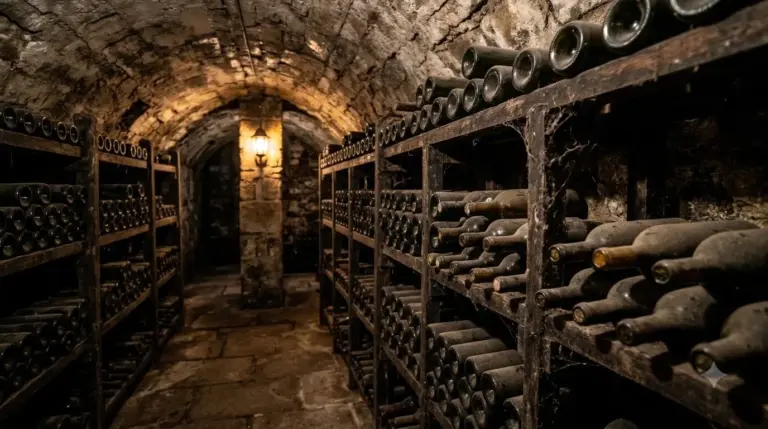
Store wine away from direct sunlight, excessive heat, and repeated temperature changes. A cool location near 55°F is a useful target for longer-term storage. Bottles sealed with natural cork are generally stored horizontally to keep the cork from drying out.
Avoid keeping Malbec in a warm kitchen, near an oven, or beside a sunny window. Temperature stability is more important than elaborate storage equipment for most everyday bottles. If the bottle is intended for extended aging, a consistently cool and dark environment becomes more important.
Preserve Opened Wine
Recork an opened bottle promptly and store it in the refrigerator. Most opened still red wines retain their best qualities for approximately three to five days, although the exact period depends on the wine, closure, and exposure to oxygen.
Before serving again, allow the wine to move closer to its recommended serving temperature. Refrigeration slows oxidation, but it does not stop it entirely. If the wine develops noticeably stale aromas or loses its fruit, it may have passed its best drinking window.
Pair Malbec with the Right Food
Grilled steak and Malbec are a classic combination because the wine’s fruit and tannin structure complement browned meat. Salt and fat can soften the perception of tannin, making a structured red feel smoother alongside a rich dish.
Other suitable combinations include lamb chops, beef burgers, grilled eggplant, roasted peppers, mushroom dishes, and tomato-based pasta. Acidic tomato sauces generally benefit from wines with enough acidity to keep the pairing balanced. Avoid pairing a heavily tannic Malbec with delicate oily fish, and be careful with very spicy dishes because alcohol and tannin can intensify chili heat.
Frequently Asked Questions
Is Malbec originally from Argentina?
No. Malbec originated in France and is associated with Cahors, where it is traditionally known as Côt. Argentina later became its most internationally recognized home, developing distinctive expressions through its climate, vineyard elevations, and winemaking traditions.
Is Malbec a blend or a single grape wine?
Malbec can be bottled as a single-variety wine or used in blends. Some Argentine producers combine it with Cabernet Sauvignon, Cabernet Franc, or other red varieties to add structure and aromatic complexity. The grape composition is normally described in the technical information or on the bottle.
Does Malbec have a lot of sugar?
Most conventional Argentine Malbec is made as a dry red wine, despite its ripe fruit flavors. The perception of sweetness often comes from concentrated fruit aromas and relatively soft tannins rather than substantial residual sugar. Sweetness levels vary by individual wine and production method.
Can Malbec be made without oak aging?
Yes. Malbec can be fermented and matured in stainless steel or concrete vessels rather than oak barrels. These methods can emphasize fruit and preserve a more direct expression of the grape. The absence of barrel aging does not mean that a wine is necessarily simple or lacking complexity.
What is the difference between Malbec and Cahors?
Malbec is the grape variety, while Cahors is a French wine appellation where Malbec is the principal grape. Cahors wines are generally made under regional blending rules and can have a firmer, more savory character than many fruit-forward Argentine examples. The difference reflects growing conditions and appellation practices rather than two unrelated grape varieties.
The best Malbec under 50 is the bottle that combines the right regional character, fruit, acidity, and tannin for your preferences. Mendoza offers approachable classic expressions, while the Uco Valley provides particularly interesting options for exploring altitude and vineyard differences. Start with the style you enjoy, compare producers carefully, and choose a balanced wine that makes the meal more enjoyable.
More in Wine Buying Guides
 Best Nova Scotia Wineries to Visit for Distinctive Cool-Climate WinesUpdated Nov 21, 2026
 Best Moscato Under 20 for Sweet, Fresh FlavorUpdated Nov 21, 2026
 Best Prosecco At Whole Foods for Brunch, Cocktails, and Everyday EnjoymentUpdated Nov 21, 2026
 Best Pinot Grigio Under 50 for Every TableUpdated Nov 21, 2026
 Best Orange Wineries for Exceptional Cool-Climate Wine TastingUpdated Nov 21, 2026
 Best Mudgee Wineries for Memorable Cellar Door Visits and Great WineUpdated Nov 21, 2026