


We may earn a commission when you buy through links on this page, at no extra cost to you. Learn more.
The best malbec at whole foods for an approachable everyday red is Alamos Malbec, while Finca Decero and Luigi Bosca are alternatives worth exploring when available. Whole Foods carries a changing wine selection, so the right bottle depends on your local store, available producers, and preferred flavor profile. Start with Argentine Malbec from Mendoza, compare fruit and oak characteristics, and choose a bottle that suits your meal rather than assuming the most expensive selection is automatically the best.
Malbec is one of the easiest red wine grapes to recognize once you understand its character. It typically combines dark plum, blackberry, and black cherry with a full body, medium tannins, and sometimes additional cocoa, vanilla, or spice. Whole Foods Market provides a convenient place to look for this style, with online listings that have included familiar Argentine producers such as Alamos, Finca Decero, and Luigi Bosca. The challenge is that selection changes between locations and over time. This guide explains which names to look for, how to compare the available bottles, and how to choose a Malbec that suits your taste and dinner plans.
Who This Is For
The best Malbec at Whole Foods is a sensible choice for shoppers who enjoy full-bodied red wine with dark fruit flavors, moderate tannins, and enough structure to accompany a substantial meal. It is particularly suitable for people who want an approachable Argentine red without needing extensive knowledge of wine regions or winemaking.
Start with Alamos if you prefer recognizable fruit flavors and a relatively smooth drinking experience. Whole Foods’ online listing has included Alamos Malbec as a 750 ml bottle. The wine is a useful starting point for shoppers interested in the familiar Argentine style, particularly if they enjoy plum, blackberry, and dark cherry characteristics. Its approachable profile makes it a practical candidate for an ordinary dinner rather than a bottle that requires a special occasion.
More adventurous shoppers can look for Finca Decero or Luigi Bosca. Both have appeared in Whole Foods’ online wine selection, although their presence does not guarantee availability at every store. These are useful names to recognize when comparing Argentine Malbec producers. Luigi Bosca, in particular, publishes technical information for its De Sangre Valle de Uco Malbec, including vineyard altitude, oak aging, and alcohol content.
Malbec also makes sense for people who regularly prepare grilled beef, burgers, roasted vegetables, lamb, or rich pasta. Its dark fruit and medium tannins can complement these foods without requiring an elaborate menu. It is less suitable for a delicate white-fish dinner, where a lighter white wine would generally create a more balanced pairing.
If you are comparing different grocery-store wine departments, the same selection principles apply to the best red wine at whole foods. A broader introduction to comparing grapes, regions, and wine labels is available in our wine-buying guide.
Key Factors to Compare
The most useful way to compare Malbec bottles is to consider their origin, fruit profile, tannin level, oak influence, and intended drinking occasion. These characteristics provide a better indication of what is inside the bottle than the producer name alone.
Argentina should be the first place to look when shopping for classic, fruit-forward Malbec. Mendoza is the country’s best-known source, and bottles from this region commonly show ripe plum, blackberry, cherry, and supple tannins. More specific regional descriptions, such as Uco Valley or Luján de Cuyo, provide additional information about growing conditions and potential wine character.
The following table summarizes the main characteristics to compare while shopping. The figures are general references for Malbec rather than specifications for every bottle available at Whole Foods.
| Factor | What to Look For | Why It Matters |
|---|---|---|
| Origin | Mendoza, Argentina | A reliable starting point for classic Argentine Malbec. |
| Specific region | Uco Valley or Luján de Cuyo | Provides additional information about growing conditions and wine character. |
| Body | Medium-full to full | Helps match the wine with the weight of the meal. |
| Tannins | Medium, generally supple | Creates structure without excessive dryness. |
| Acidity | Medium-low to moderate | Influences freshness and food compatibility. |
| Alcohol | 13.5%–15% ABV typical range | Provides context for the wine’s warmth and body. |
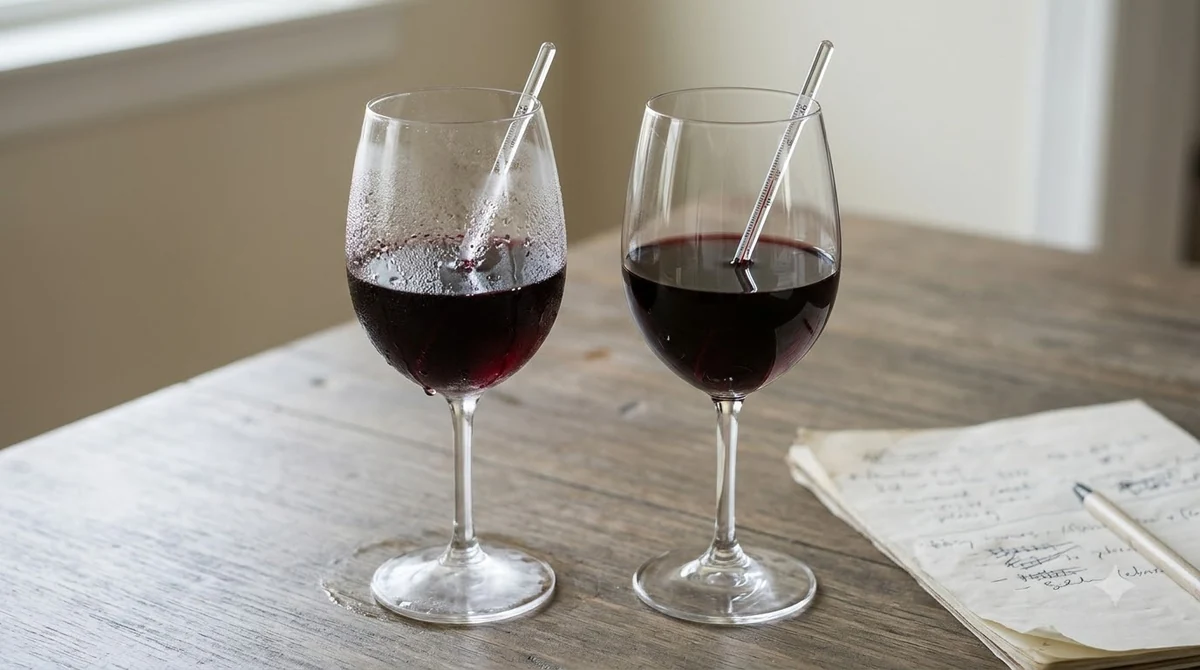
| Serving temperature | 60–65°F | Helps preserve fruit and balance the alcohol impression. |
| Decanting | Approximately 30 minutes | Can help a young, concentrated red open up. |
| Bottle size | 750 ml | Provides approximately five standard 5-ounce pours. |
Oak is another important consideration. Some Malbecs emphasize fresh fruit, while others show additional notes of vanilla, chocolate, coffee, toast, or baking spice from oak aging. Neither approach is automatically superior. If you want a relaxed dinner wine, a fruit-forward bottle may be more appealing. If you prefer a richer, more layered red, a wine with measured oak influence may be a better fit.
Wine Folly’s Malbec grape guide describes the variety as dry and full-bodied, with medium tannins, medium-low acidity, and characteristic flavors including red plum, blackberry, vanilla, tobacco, and cocoa. These characteristics offer a useful baseline for evaluating unfamiliar bottles. A wine does not need to display every flavor to qualify as a good example of the grape.
Whole Foods’ online assortment also demonstrates why checking several producers is worthwhile. Its listings have included Alamos and Finca Decero in addition to Luigi Bosca Malbec DOC. That variety gives shoppers an opportunity to compare familiar entry-level names with bottles that identify more specific Argentine origins.
Step-by-Step: How to Choose a Bottle
A simple shopping routine makes it easier to find a suitable Malbec without spending too much time comparing unfamiliar labels. Start with the grape and origin, narrow the selection by flavor preference, and then consider the meal and occasion.
-
Find the red wine section.
Whole Foods separates its online wine selection into categories such as red, white, sparkling, rosé, and dessert wine. Start with the red wine section and look for bottles labeled Malbec. Argentina is the most useful starting point if you want the familiar dark-fruit style.
-
Look for Mendoza on the label.
Mendoza is the most recognizable starting point for Argentine Malbec. If the label names Uco Valley or Luján de Cuyo, you have additional regional information to use when comparing bottles. A named subregion can tell you more than a generic country designation.
-
Choose the producer according to your preference.
Alamos is a practical name to investigate if you want an accessible everyday Argentine red. If you find Finca Decero or Luigi Bosca, compare their regional and winemaking descriptions before deciding. Do not assume that a familiar producer will have the same wine available at every location.
-
Decide how much oak you enjoy.
Look for descriptions such as vanilla, cocoa, chocolate, or toasted oak if you enjoy a richer profile. Choose a fruit-forward description featuring plum, blackberry, or cherry if you prefer a more direct expression of the grape. Oak aging can change texture as well as aroma.
-
Match the bottle to your food.
For grilled steak, burgers, or lamb, choose a fuller style. For roasted chicken, mushrooms, or pasta, a medium-bodied and fruit-forward bottle may provide a more balanced match. The wine should complement the food rather than overwhelm it.
-
Check the specific store’s selection.
Online inventory and physical-store availability can differ. Search your local Whole Foods listing or ask a wine department employee whether a particular producer is currently available. Online listings are useful for identifying possible choices, not for guaranteeing local inventory.
-
Consider the drinking occasion.
An uncomplicated, fruit-forward Malbec is convenient for an ordinary dinner. A bottle with a named vineyard or specific Mendoza subregion may be more interesting when you want to explore the grape in greater detail. Think about whether you intend to drink the bottle immediately or save it for a more substantial meal.
Tip: If you are new to Argentine Malbec, start with a medium-bodied bottle that emphasizes plum, blackberry, and soft tannins. Once you know whether you prefer fruit-forward or oak-influenced wine, compare more specific Mendoza and Uco Valley selections.
This process also prevents a common shopping mistake: selecting a bottle solely because its label looks impressive. A clear understanding of the wine’s origin, fruit profile, and structure is much more useful than decorative packaging.
Types or Styles Explained
Malbec is not a single uniform style. Its character changes according to growing region, vineyard elevation, climate, and winemaking decisions, so understanding the main styles helps you select a bottle that matches your preferences.
Mendoza Malbec
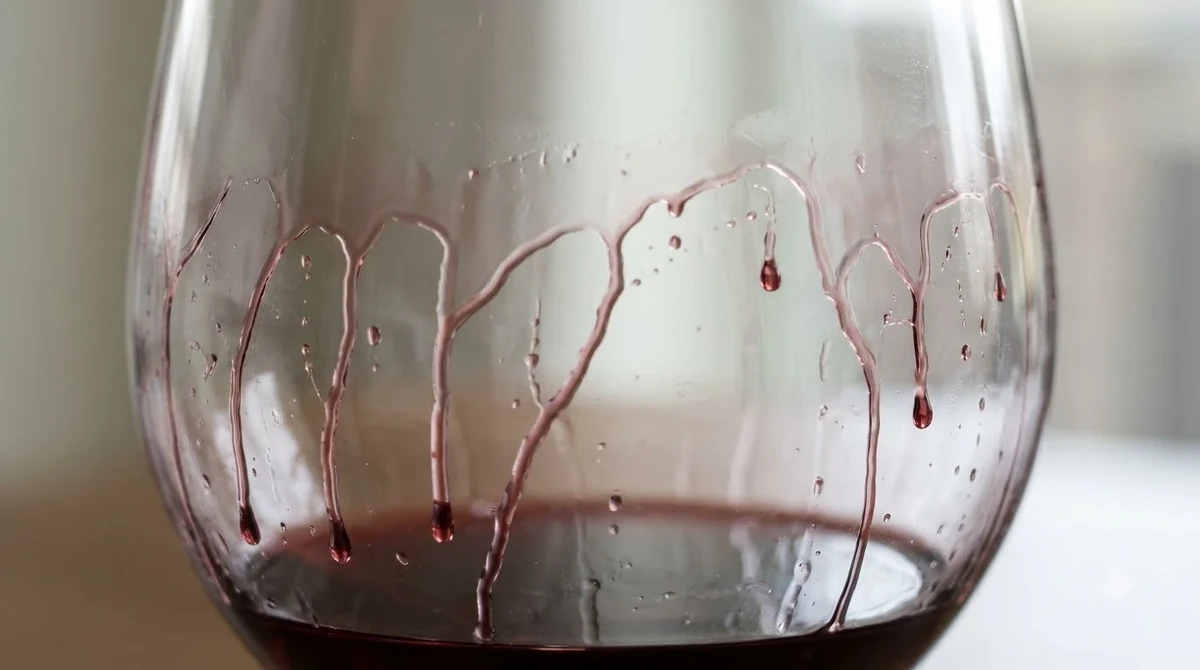
Mendoza is the classic starting point for shoppers seeking Argentine Malbec. The region’s sunny conditions help grapes develop deep color and ripe fruit characteristics. Typical aromas include plum, blackberry, black cherry, and violet, with chocolate, vanilla, or tobacco appearing in some oak-aged examples.
For an everyday grocery-store purchase, this is generally the easiest style to understand. A bottle that emphasizes ripe fruit and supple tannins can work with burgers, grilled chicken, meatballs, and beef stew. Alamos is a useful producer name to investigate when looking for an accessible Argentine profile at Whole Foods.
Uco Valley Malbec
The Uco Valley is an important high-altitude winegrowing area in Mendoza. Its cooler conditions and substantial differences between daytime and nighttime temperatures can help grapes retain freshness while developing concentrated flavors. This combination is one reason the region has become an important source of distinctive Argentine Malbec.
Compared with some warmer Mendoza expressions, Uco Valley Malbec may show more pronounced freshness, floral aromas, and a firmer structure. It can be a good option for shoppers who enjoy dark fruit but want something more detailed and less overtly plush. Look for the regional name on the front or back label when available.
Luigi Bosca’s published De Sangre Valle de Uco technical document provides a specific example. It identifies 100% Malbec from vineyards at an average altitude of 1,050 meters, with grapes sourced from Finca Los Miradores and Finca Miralejos. The document also describes 12 months of oak-barrel aging and a profile featuring cherry, other red and black fruits, fine tannins, and balanced acidity.
Luján de Cuyo Malbec
Luján de Cuyo is another important Mendoza area associated with quality Malbec. Wines from this region can combine ripe plum, blackberry, and cherry with smooth tannins and a developed texture. Some examples emphasize richness and oak, while others keep the focus on fresh fruit.
This style is worth exploring if you enjoy a traditional Argentine red with enough body for grilled beef and roasted meat. The producer and individual vineyard matter, so do not assume that every bottle from the same region will taste identical. Comparing two wines from different Mendoza subregions can reveal how much growing conditions influence the grape.
Cahors Malbec
Cahors in southwestern France is the historic home of Malbec. French examples can be darker, more savory, and firmer in structure than the familiar fruit-forward Argentine style. Depending on the producer, flavors may include black plum, earthy notes, tobacco, and spice.
Whole Foods shoppers are likely to encounter Argentine Malbec as the more familiar grocery-store option, but recognizing Cahors is helpful when comparing international bottles. The name Côt may also appear on French wine labels. If you usually prefer softer reds, Argentine Malbec is generally the easier starting point.
Oak-Aged and Fruit-Forward Malbec
Winemaking choices create another important distinction. Fruit-forward Malbec tends to emphasize blackberry, plum, and cherry, with less obvious influence from oak. Oak-aged versions can introduce vanilla, coffee, cocoa, toasted spice, and a more layered finish.
Wine Folly explains that some affordable Malbecs receive approximately four to six months in oak, while certain premium examples spend 18 to 20 months in barrels. These are illustrative aging ranges rather than universal rules. The amount of new oak, barrel size, and the condition of the wood also influence the finished wine.
Terms such as Reserva and Gran Reserva can provide useful clues, although their precise legal meanings depend on the wine’s country and labeling rules. Do not use an aging term as the only measure of quality. Consider the producer, growing region, and your preference for oak alongside the terminology.
For a broader comparison of grocery-store red wine choices, our guide to the best red wine at Trader Joe’s provides another perspective on selecting wines by grape, style, and food pairing.
Common Mistakes
The most frequent Malbec shopping mistakes involve confusing fruitiness with sweetness, assuming all Argentine bottles taste alike, and choosing a wine based on appearance instead of its actual characteristics. A little attention to the label and the region can prevent these problems.
Assuming Fruity Means Sweet
Malbec is generally a dry red wine. However, ripe blackberry, plum, and cherry aromas can create an impression of sweetness even when the wine contains little residual sugar. This distinction matters if you prefer dry wine but dislike strongly tannic or bitter reds.
A fruit-forward bottle can taste generous without being sweet. If you want a dry red, look for a conventional Argentine Malbec rather than assuming that prominent fruit descriptions indicate added sugar. The variety’s natural fruit expression is one of its defining characteristics.
Choosing Only by the Word Reserva
Reserva can indicate additional oak aging in Argentine wine, but extra aging does not automatically make a bottle more enjoyable. Some people prefer the freshness and straightforward fruit of a younger Malbec, while others enjoy the vanilla, spice, and developed texture associated with oak.
Think about your own preference before choosing a more aged style. A straightforward fruit-driven bottle can be a better dinner companion than a more concentrated wine if you want something uncomplicated. Aging choices should support your preferred flavor profile rather than determine the purchase by themselves.
Expecting Every Mendoza Wine to Taste the Same
Mendoza covers different growing conditions, and the Uco Valley and Luján de Cuyo do not necessarily produce identical wines. Elevation, temperature variation, vineyard conditions, and production methods all influence the finished wine.
Pay attention to more specific regional descriptions when they are available. A bottle identifying its particular subregion gives you more information than one labeled only as Argentine Malbec. This is especially helpful when comparing wines from different producers.
Serving Malbec Too Warm
Full-bodied red wine is often served too close to normal indoor room temperature. Excessive warmth can make alcohol seem more prominent and reduce the impression of freshness. For Malbec, a slightly cool serving temperature is usually more effective than serving the bottle warm.
A practical serving target is 60–65°F. Wine Folly gives a broader recommended range of 60–68°F, while Luigi Bosca recommends 15–18°C for its De Sangre Malbec. Refrigerating a bottle briefly before serving can help bring it closer to the preferred range, depending on its starting temperature.
Pairing It With Delicate Seafood
Malbec’s body and tannins can overpower delicate white fish and subtle seafood preparations. Its structure is better suited to grilled beef, lamb, roasted vegetables, and other flavorful dishes. Oily fish can also clash with tannic red wines, making a crisp white or a lighter red a more sensible choice.
Another common error is pairing a full-bodied Malbec with very spicy food. Chili heat can seem more intense alongside alcoholic, tannic reds. If the meal contains substantial chili, consider a softer, lower-alcohol alternative. A moderately seasoned grilled dish is generally easier to pair successfully.
Care and Storage Tips
Proper storage and serving make a noticeable difference to Malbec’s flavor and texture. Keep unopened bottles in a cool, stable environment, serve the wine slightly chilled, and refrigerate any remaining wine after opening.
Store Unopened Bottles Correctly
For bottles with natural cork closures, horizontal storage helps keep the cork in contact with the wine. A consistent temperature near 55°F is a useful target for longer-term storage. Avoid placing bottles in direct sunlight, beside an oven, or in a location with repeated temperature changes.
For an everyday bottle intended to be opened soon, a cool cupboard away from heat and sunlight is generally more practical than attempting to create elaborate cellar conditions. The important point is stability. Repeated warming and cooling can affect wine quality over time.
Serve at the Right Temperature
Malbec is generally best served at 60–65°F. This is cooler than many heated homes, particularly during warmer months. A short period in the refrigerator before serving can help keep the wine balanced.
A standard wine glass with a reasonably generous bowl allows the aromas to develop. You do not need an expensive specialist glass to enjoy the wine. A clean universal red wine glass is sufficient for most everyday bottles. Pour approximately 5 ounces per serving, which means a standard 750 ml bottle provides about five glasses.
Decant When Appropriate
Young, full-bodied Malbec can benefit from approximately 30 minutes of decanting. Exposure to air may help soften the initial impression of a concentrated wine and make its fruit and spice aromas easier to recognize.
Not every bottle needs decanting. An uncomplicated everyday Malbec can be poured directly into glasses, while a concentrated or tightly structured example may benefit from a little breathing time. If you do not own a decanter, opening the bottle and allowing it to stand briefly can provide some aeration.
Preserve Leftover Wine
Recork an opened bottle and keep it in the refrigerator. Still wines generally retain their best qualities for approximately three to five days after opening, although the result depends on the wine, closure, storage temperature, and amount of air remaining in the bottle.
Before serving the remaining wine, allow it to warm slightly toward its preferred drinking temperature. Do not leave the bottle on a kitchen counter for several days, especially in a warm room. Smaller storage bottles can also reduce the amount of air inside the container when only a little wine remains.
For another grocery-store wine comparison, our guide to the best white wine at Whole Foods offers alternatives for lighter meals, seafood, and dishes that do not call for a full-bodied red.
Frequently Asked Questions
Is Malbec originally from Argentina?
No. Malbec originated in southwestern France, particularly around Cahors, where it is also known as Côt. It became internationally famous after establishing itself in Argentina, where the grape developed a distinctive identity through the country’s growing conditions and winemaking traditions.
Does Malbec contain more alcohol than Cabernet Sauvignon?
Not necessarily. Malbec commonly falls around 13.5%–15% ABV, but Cabernet Sauvignon can occupy a similar range depending on climate, ripeness, and producer choices. The alcohol percentage of the individual bottle is more useful than comparing grape names alone.
Can Malbec improve after several years in the bottle?
Some premium Malbecs can develop additional complexity with age, particularly examples from recognized vineyards and producers with careful winemaking. Wine Folly identifies five to ten years as a potential cellar-aging range for suitable examples. Ordinary entry-level bottles are usually intended for earlier enjoyment rather than extended cellaring.
Is Malbec suitable for cooking with red wine?
Yes. Dry Malbec can be used in beef stews, pan sauces, and braised dishes. Its dark fruit and savory characteristics work particularly well with beef, mushrooms, onions, and herbs such as rosemary and thyme. Use a wine whose flavor you would also enjoy drinking with the finished meal.
What is the difference between Malbec and Petit Verdot?
Both grapes can produce deeply colored red wines, but Petit Verdot is generally more strongly tannic and is frequently used in Bordeaux-style blends. Malbec is commonly bottled as a single-varietal wine in Argentina and is often recognized for its ripe plum, blackberry, and softer texture. They can serve different purposes depending on whether you want a plush red or a more firmly structured wine.
For most shoppers, Alamos Malbec is a sensible starting point at Whole Foods because it is an established name in the store’s online wine assortment and represents the approachable Argentine style. If you want to explore further, compare Finca Decero and Luigi Bosca when your local store carries them, paying attention to regional origin, tannins, and oak influence. The best bottle is the one whose structure and flavor match your meal and personal preference, not simply the one with the most elaborate label.
More in Wine Buying Guides
 Riesling Gift: Choose a Bottle They’ll LoveUpdated Nov 21, 2026
 Sweet Red Wine Gift: Choose a Bottle They’ll LoveUpdated Nov 21, 2026
 Malbec Gift: How to Choose a Memorable Bottle for Any OccasionUpdated Nov 21, 2026
 Sherry Gift Ideas That Match Every Wine LoverUpdated Nov 21, 2026
 Moscato Gift: How to Choose a Sweet Wine They’ll LoveUpdated Nov 21, 2026
 Merlot Gift: How to Choose a Bottle They’ll AppreciateUpdated Nov 21, 2026