

We may earn a commission when you buy through links on this page, at no extra cost to you. Learn more.
Luigi Bormioli crystal wine glasses are a worthwhile choice for wine drinkers who want clear, lead-free crystal, attractive Italian designs, and practical everyday durability. The company’s proprietary SON.hyx material, reinforced stems, and dishwasher-safe construction make many collections appealing alternatives to more delicate premium stemware. However, individual collections differ in bowl shape, weight, rim thickness, and intended wine style, so choosing the right design matters more than buying the brand name alone.
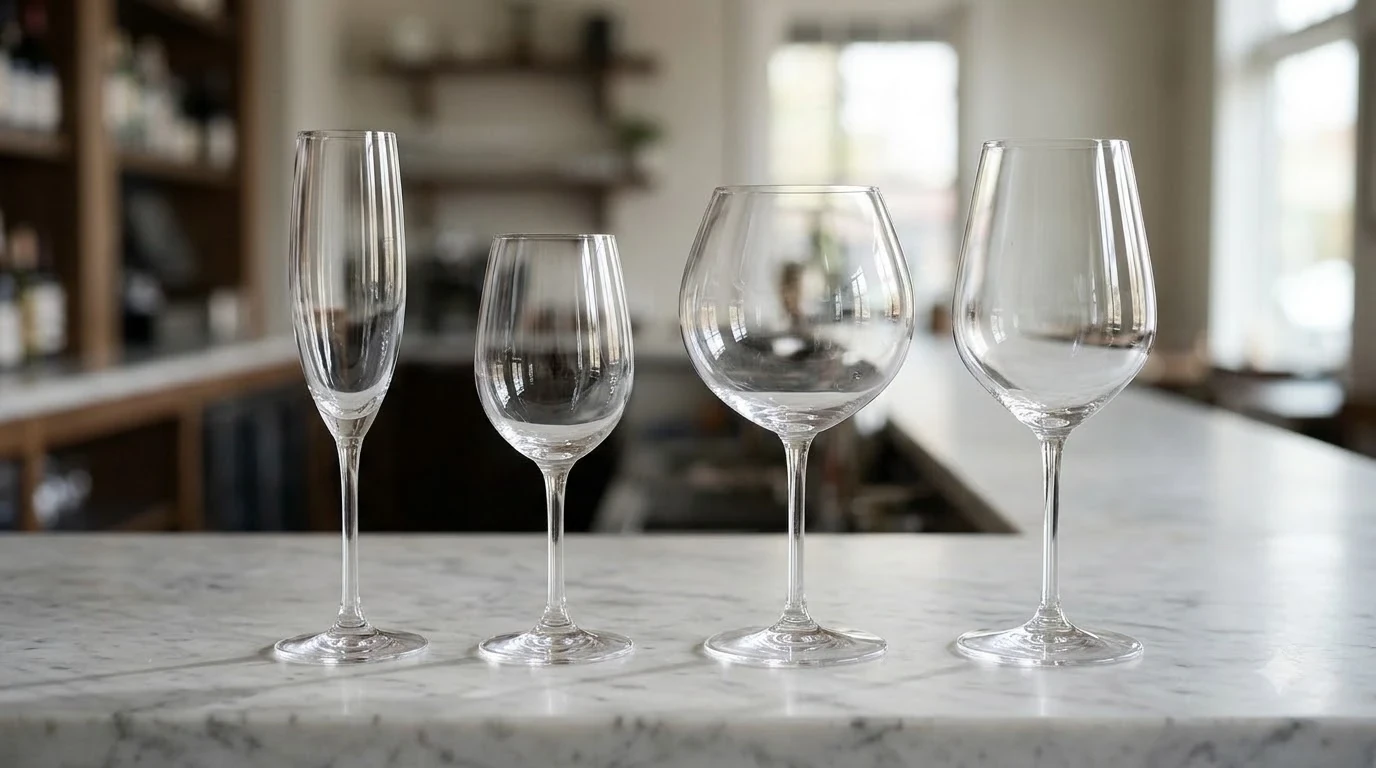
Good wine glasses should do more than look attractive on a dining table. Their proportions influence how comfortably wine reaches the palate, how easily aromas collect above the bowl, and how pleasant each pour feels in the hand. Luigi Bormioli approaches these requirements through a combination of traditional Italian glassmaking aesthetics and proprietary glass technology. Its selection includes compact white wine glasses, generous Bordeaux bowls, distinctive patterned designs, and specialized tasting shapes. This review examines the material, construction, individual collections, reported ownership experiences, and practical limitations to help determine whether these glasses deserve a place in a home wine collection.
Specs and Key Features of Luigi Bormioli Crystal Wine Glasses
Luigi Bormioli’s main technical selling point is SON.hyx, a proprietary lead-free crystal glass developed for transparency and mechanical resistance. The company’s wine glass collections combine this material with different bowl profiles, reinforced stems, and carefully finished rims, although specifications vary between individual designs.
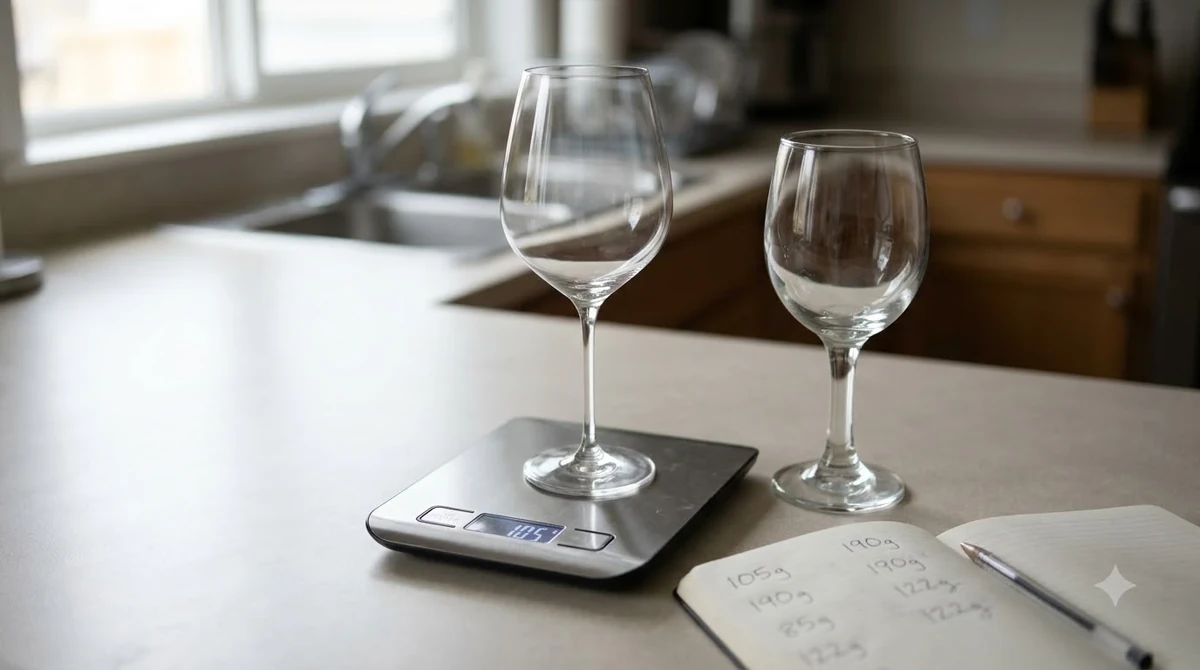
SON.hyx is not simply a decorative label for ordinary drinking glasses. Luigi Bormioli describes it as a high-tech blown crystal glass engineered to provide optical clarity, durability, and an enhanced acoustic experience. The manufacturer reports 105% greater impact resistance and 37.5% higher rim resistance, along with the ability to maintain clarity through more than 4,000 industrial dishwasher cycles. These are manufacturer-reported performance figures rather than a guarantee that a household glass cannot break.
Another important feature is the absence of lead in the material. SON.hyx is manufactured using lead-free components, making it an alternative to traditional lead-containing crystal. The manufacturer’s materials information also describes improved color neutrality, which helps wine retain its natural visual appearance when viewed through the glass. This matters during tastings because color can provide useful clues about grape variety, age, and winemaking style.
Many collections also feature titanium-reinforced stems. This treatment is intended to improve resistance to abrasion and breakage, particularly around an area that can experience considerable handling stress. Fine, laser-cut rims and pulled stems are additional features found on selected models. They are not necessarily identical across every Luigi Bormioli collection.
| Collection or model | Wine style | Capacity | Height | Notable specification |
|---|---|---|---|---|
| Bach Red | Red wine | 13.5 fl oz | 8.7 in | Faceted design, reinforced stem |
| Grandioso Sauvignon | White wine | 12.5 fl oz | 8.3 in | SON.hyx and titanium reinforcement |
| Optica Bordeaux | Full-bodied red wine | 23.75 fl oz | 9.6 in | Broad bowl and flat bowl base |
| Talismano Chardonnay | White wine | 15.25 fl oz | 8.5 in | 0.95 mm ultra-thin rim |
| Diamante Sangiovese | Red wine | 17.5 fl oz | 9.3 in | Decorative design and reinforced stem |
| Magnifico Medium | Versatile wine service | 15.5 fl oz | 9.5 in | Universal bowl shape |
These specifications illustrate why the brand should not be judged as though it offers one standardized glass. A 12.5-ounce white wine glass has a different purpose from a 23.75-ounce Bordeaux glass. The smaller design provides a more compact serving environment, while the larger bowl gives fuller-bodied reds additional room for swirling and aromatic development.
The Bach collection is especially distinctive because of its vintage-inspired faceted appearance. Its 13.5-ounce red wine glass measures 3.2 inches across and 8.7 inches high. By comparison, the Talismano Chardonnay glass emphasizes a particularly thin 0.95 mm rim, making it a more appropriate consideration for shoppers who prioritize a refined drinking edge.
For broader bowls, Optica offers a noticeably different approach. Its Bordeaux glass has a 4-inch maximum diameter and a 23.75-ounce capacity. That generous interior is intended to encourage aeration and provide space for aromatic development. These differences make the collection more important than the brand’s general marketing claims when selecting a particular set.
The manufacturer’s product pages provide additional specifications for individual collections at Luigi Bormioli’s materials and technology information.
What Owners Like About the Glasses
The strongest reasons to consider Luigi Bormioli are its lead-free crystal construction, visual clarity, varied designs, and practical approach to stem reinforcement. Independent feedback also highlights attractive bowl proportions, although the overall feel can differ considerably between collections.
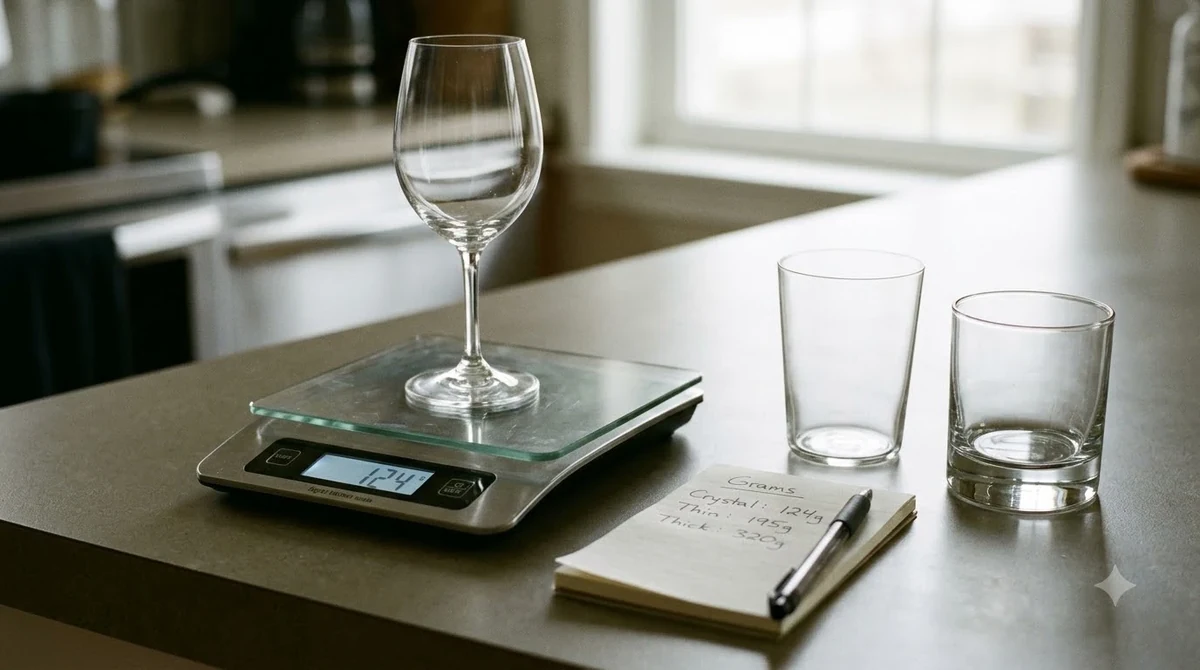
Clear presentation without traditional lead crystal. Wine drinkers often want glassware that displays a wine’s natural color without introducing a noticeable tint. SON.hyx is designed to provide high transparency and color neutrality. This makes the glasses suitable for comparing pale Pinot Grigio, golden Chardonnay, ruby-colored Pinot Noir, and deeply colored Cabernet Sauvignon.
The lead-free construction is another practical advantage. Consumers who specifically want lead free crystal wine glasses can consider SON.hyx collections without needing to select conventional lead-containing crystal. The material combines the clarity associated with fine crystal glassware with a construction intended for regular use.
Reinforced construction for frequent handling. Wine glasses experience repeated contact during serving, washing, drying, and storage. Their stems are particularly vulnerable because they are relatively narrow compared with the bowl and foot. Luigi Bormioli’s titanium reinforcement is designed to improve resistance in this area. The company also describes its pulled stems as flexible and free of mold seams on selected collections.
This does not make a wine glass unbreakable. A glass can still fracture if knocked against a sink, dropped onto a hard surface, or placed under uneven pressure. However, reinforced construction offers a useful design advantage for households that regularly use stemware rather than reserving it exclusively for formal occasions.
Useful variety across wine styles. The range is another strength. A household that serves Cabernet Sauvignon, Chardonnay, sparkling wine, and lighter reds can choose different bowl profiles without committing to a single universal design.
The Optica Bordeaux glass is an example of a model intended for aromatic development in fuller-bodied reds. Grandioso Sauvignon takes a more compact approach for white wine, while the Talismano Chardonnay glass provides a wider 15.25-ounce capacity and a very thin rim. The different proportions help shoppers match glassware to their usual drinking habits.
Attractive presentation. Some collections are understated and suitable for contemporary dining rooms, while others have more recognizable decorative details. Bach, for example, uses a faceted vintage-inspired design. Diamante also introduces decorative visual interest, whereas collections such as Optica emphasize the bowl’s shape and proportions.
These choices matter for entertaining. A coordinated collection can create a consistent table setting, while distinctive designs can help distinguish wine glasses from ordinary household drinkware.
Reasonable practicality. Many consumers prefer crystal glassware that does not require constant specialist cleaning. Luigi Bormioli identifies its SON.hyx products as dishwasher safe, and its manufacturer instructions explain how to clean them using either a dishwasher or gentle hand washing.
That flexibility is attractive for households that regularly serve several guests. A dishwasher-safe specification reduces routine cleaning effort, while the clear glass construction helps preserve an elegant presentation for everyday meals and special occasions.
For shoppers comparing different designs and construction approaches, our overview of crystal wine glasses provides additional context about the characteristics that distinguish premium stemware from ordinary drinking glasses.
Common Complaints and Practical Limitations
Luigi Bormioli glasses have several attractive features, but they are not automatically the right choice for every wine enthusiast. Reported concerns include weight, stem thickness, breakage during handling, and differences between the advertised durability of crystal and real-world experiences.
Weight can affect the drinking experience. A glass can have excellent clarity and a pleasing shape but still feel heavier than expected. An independent review of the Atelier Pinot Noir glass describes it as functional and attractive but somewhat heavy in the hand. The reviewer also identifies its stem as relatively thick.
This is an important distinction for people who prefer extremely delicate stemware. Some premium tasting glasses have a noticeably light construction and very fine stems. Luigi Bormioli offers designs with refined rims, but shoppers should not assume every collection will provide the same lightweight feel as the most delicate specialist glassware.
Durability claims need realistic expectations. The manufacturer reports substantial improvements in impact and rim resistance for SON.hyx. However, these laboratory and industrial performance claims do not eliminate the possibility of accidental breakage at home.
The independent Atelier review describes mixed experiences reported by users. Some owners reported strong resistance to accidental knocks, while others reported breakage during dishwasher cleaning. The reviewer did not personally conduct a dishwasher test on the reviewed glass, so these experiences should be interpreted as reported feedback rather than a controlled durability comparison.
Glass thickness also varies by model. A relatively substantial stem may appeal to someone who prefers a reassuring grip, but it can disappoint a shopper expecting an almost weightless tasting glass. Conversely, a thinner rim may feel more refined but can require additional care during handling and storage.
Not every bowl suits every wine. The larger Optica Bordeaux glass is designed around fuller-bodied wine service. It may be unnecessarily large for someone who mainly drinks crisp Sauvignon Blanc or sparkling wine. A compact white wine glass is often easier to handle and store for that purpose.
There is also a practical distinction between capacity and serving size. A 23.75-ounce glass is not intended to be filled to the rim. Its larger interior provides room for swirling and aromatic development. Most standard wine servings are approximately 5 ounces, leaving substantial headspace in a generously proportioned glass.
Storage can be inconvenient. Taller stemware needs sufficient cabinet clearance, and larger bowls require more space between glasses. An Optica glass measuring 9.6 inches high may not fit comfortably in every kitchen cabinet. Households with limited storage should measure shelf height before choosing a tall collection.
Finally, dishwasher-safe construction should not be confused with careless dishwasher handling. Glasses can collide with plates, cookware, and other stemware during a wash cycle. This is particularly relevant in crowded dishwashers, where the risk of physical contact can outweigh the material’s improved mechanical resistance.
Who Should Buy and Who Should Skip Luigi Bormioli
Luigi Bormioli is most appealing to wine drinkers who want the appearance of crystal with a more practical construction approach. It is less suitable for shoppers whose highest priority is the lightest possible stemware or a completely uniform feel across every collection.
Who should consider buying
Everyday wine drinkers. People who enjoy a glass of wine several evenings each week can benefit from SON.hyx’s lead-free construction and dishwasher-safe design. The reinforced stem technology provides an additional consideration for households where glasses are frequently washed and reused.
Hosts and frequent entertainers. Different collections make it possible to serve several wine styles with appropriate glass shapes. A household might choose 12.5-ounce Grandioso Sauvignon glasses for white wine and larger Optica Bordeaux glasses for Cabernet Sauvignon. Coordinated designs also help create a polished table setting.
Consumers seeking lead-free crystal. Anyone specifically looking for transparent, lead-free crystal can consider the SON.hyx range. The proprietary material is a meaningful feature rather than simply an aesthetic description. It provides a combination of optical clarity and manufacturer-reported resistance to mechanical stress.
People who appreciate Italian glassware design. The brand offers everything from restrained contemporary designs to decorative vintage-inspired patterns. Bach is a particularly interesting option for people who enjoy traditional visual details, while Optica and Talismano appeal to those who place greater emphasis on bowl geometry.
Who should consider another option
Enthusiasts seeking ultra-lightweight stemware. The Atelier review highlights a heavier feel and thick stem. People who strongly prefer delicate, lightweight glasses should compare the physical dimensions and construction of several designs before making a decision.
Households with very limited cabinet space. Large bowls and tall stems can be inconvenient in small kitchens. A 9.6-inch glass needs more vertical room than a shorter everyday tumbler, and broad bowls need more spacing during storage.
People who frequently handle glassware roughly. Reinforcement improves resistance but does not prevent breakage. Households where glasses are regularly knocked together, stacked, or stored without adequate protection may benefit more from simpler, less delicate drinkware.
Collectors seeking a specific specialist tasting experience. A dedicated Pinot Noir enthusiast may prefer a particularly light, thin-walled glass designed around a specific aromatic profile. A versatile or more substantial design may not provide the same tactile experience.
Before choosing, consider how many glasses are needed, the wines normally served, and whether the priority is appearance, weight, storage, or cleaning convenience. Those factors will often have a greater effect on satisfaction than small differences in the manufacturer’s performance claims.
Tip: If choosing only one set for a mixed collection of wines, start with a moderately sized bowl around 15 to 17 ounces. It offers a practical balance for many red and white wines without taking up as much storage space as oversized Bordeaux stemware.
How Luigi Bormioli Compares to Alternative Glassware
Luigi Bormioli occupies an interesting position between everyday glassware and more specialized premium stemware. Its lead-free SON.hyx material, varied bowl designs, and reinforced stems make it attractive to shoppers who want a balance of appearance and practical construction.
One useful comparison is with traditional lead crystal. Traditional lead crystal is associated with brilliance, weight, and a distinctive visual appearance. SON.hyx instead uses lead-free materials while pursuing high transparency and durability. For shoppers who specifically want to avoid lead-containing glassware, this distinction is particularly relevant.
Another comparison is with ordinary soda-lime glass. Standard glassware is widely available and often appropriate for casual everyday use. However, shoppers interested in refined wine presentation may prefer the clarity and specialized construction offered by SON.hyx. The reinforced stems and carefully finished rims are additional features worth considering.
Against specialist premium stemware, the comparison becomes more dependent on personal preferences. The independent Atelier review mentions Riedel as an alternative for serious wine enthusiasts seeking a different level of refinement. The review considers Atelier functional and attractive but less impressive in weight and overall feel than higher-end alternatives.
That observation should not be treated as a universal ranking of every Luigi Bormioli collection against every competing glass. The Atelier Pinot Noir glass is one particular design. Its weight and proportions do not necessarily describe the Talismano Chardonnay, Optica Bordeaux, or other models.
The best comparison is therefore based on the exact glass rather than the brand alone. A shopper who wants a distinctive decorative glass may prefer Bach or Diamante. Someone prioritizing a thin rim may be more interested in Talismano. A person who regularly serves Cabernet Sauvignon and other fuller-bodied reds may find Optica’s large bowl more appropriate.
For another perspective on material choices, lead free crystal wine glasses are worth comparing as a category. This helps separate the benefits of lead-free construction from other features such as bowl shape, stem thickness, and rim finishing.
Shoppers who want to compare the wider selection of shapes and everyday options can also consult our guide to wine glasses. It provides a useful starting point for determining whether a specialized crystal design or a more versatile household glass is the better fit.
Overall, Luigi Bormioli’s advantage is the combination of lead-free crystal, distinctive Italian styling, and practical engineering. Its limitation is that individual models can feel more substantial than the delicate stemware some experienced wine drinkers prefer. Buyers should compare dimensions and handling characteristics rather than assuming that a more expensive-looking glass automatically offers a better tasting experience.
Frequently Asked Questions
Where are Luigi Bormioli wine glasses manufactured?
The manufacturer’s product listings identify selected collections, including Bach and Grandioso, as Made in Italy. Individual product descriptions are the appropriate place to confirm the stated origin of a particular model. This is useful for shoppers who specifically want Italian-made glassware rather than simply an Italian brand name.
Can Luigi Bormioli crystal glasses be used for cocktails?
Yes. The company makes glassware for wine, cocktails, spirits, and other beverages. Its Bach collection is described as suitable for wine and cocktail enthusiasts, and its wider drinkware catalog includes dedicated cocktail and barware designs. A dedicated cocktail glass may still be more appropriate for drinks requiring a specific serving shape.
Does SON.hyx crystal contain heavy metals?
Bormioli Luigi’s raw-material information states that lead, mercury, and hexavalent chromium are not detectable in SON.hyx below the stated 100 ppm limit. This is the manufacturer’s published material specification. It distinguishes SON.hyx from traditional crystal formulations that use lead oxide.
Does the brand make stemless wine glasses?
Yes. The Crescendo collection includes stemless drinking glasses with a 23.25-fluid-ounce capacity and a 4.7-inch height. The manufacturer identifies these glasses as lead-free SON.hyx crystal and describes them as dishwasher safe. Stemless designs can be convenient for casual serving and storage where tall stemware is impractical.
Does Luigi Bormioli offer a warranty against every type of breakage?
No. A published SON.hyx limited guarantee document describes coverage for qualifying rim or foot chipping and washing-related discoloration or cloudiness, subject to its conditions. It explicitly excludes ordinary breakage and damage resulting from improper handling or care. Warranty eligibility and terms should be confirmed for the exact collection and seller before purchase.
Luigi Bormioli crystal wine glasses offer a compelling combination of lead-free SON.hyx construction, attractive Italian designs, and useful everyday features. The Bach, Grandioso, Optica, and Talismano collections each serve different preferences, so matching the bowl shape and physical feel to the wines normally enjoyed is essential. For buyers seeking clear crystal glassware with reinforced construction rather than extremely delicate stemware, Luigi Bormioli deserves serious consideration.
More in Wine Glasses
 Spiegelau Crystal Wine Glasses That Bring Clarity to Every PourUpdated Nov 21, 2026
 Zalto Crystal Wine Glasses: Are They Worth the Investment?Updated Nov 21, 2026
 Villeroy And Boch White Wine Glasses for a More Cohesive TableUpdated Nov 21, 2026
 Zalto Wine Glasses On Sale: Find the Right Denk’Art GlassUpdated Nov 21, 2026
 Zwiesel Glas Champagne Glasses: Features, Quality and Buying AdviceUpdated Nov 21, 2026
 Zwiesel Glas Decanter Review: A Durable, Elegant Choice for Wine ServiceUpdated Nov 21, 2026