

We may earn a commission when you buy through links on this page, at no extra cost to you. Learn more.
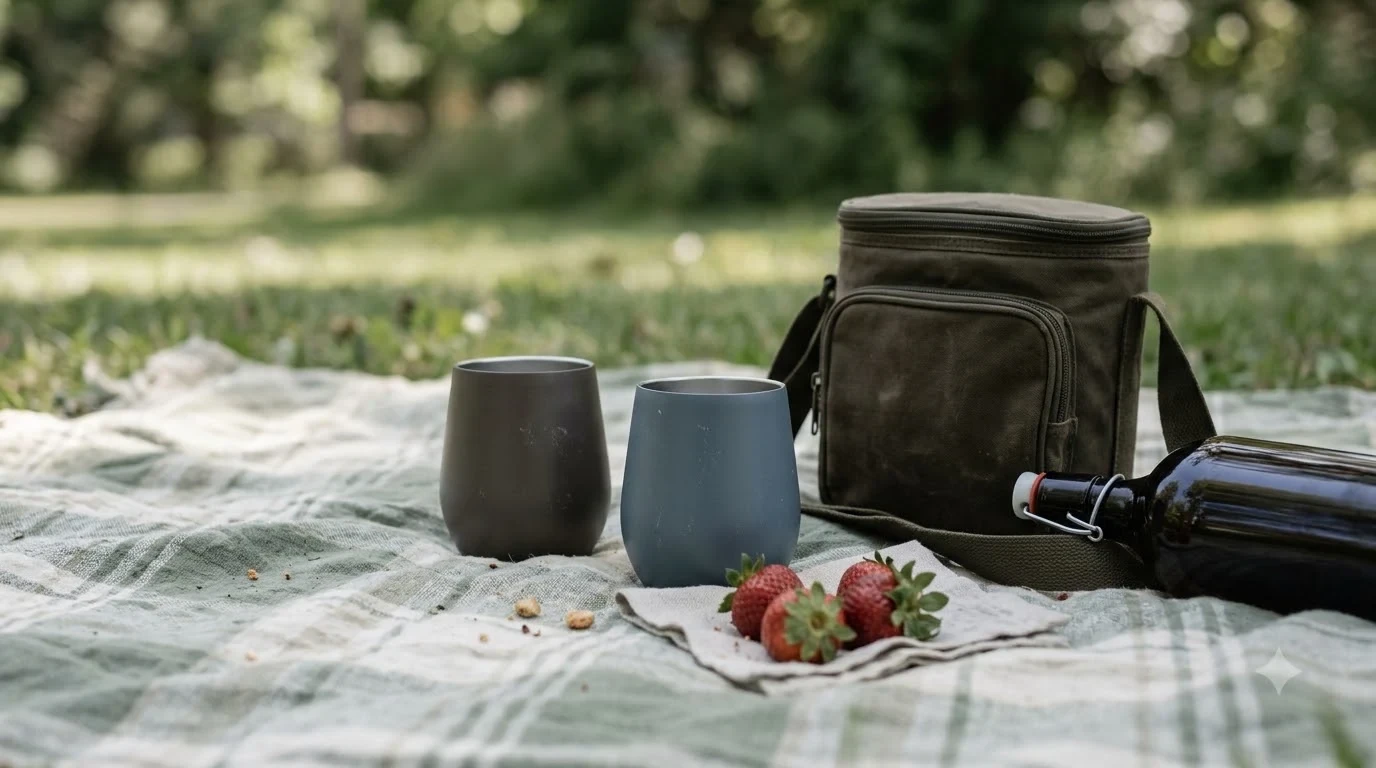
The best unbreakable wine glasses are made from Eastman Tritan copolyester, a BPA-free polymer that mimics the crystal-clear look of real glass while surviving hard drops on concrete, stone, and boat decks. For shoppers who prioritize temperature retention over seeing the wine’s color, double-wall insulated stainless steel tumblers keep whites chilled in direct sun without sweating. Meanwhile, mineral-fortified break-resistant crystal offers genuine glassware elegance for indoor dining tables, while flexible silicone and lidded travel tumblers solve packing and spill-proofing challenges on the trail.
Replacing shattered stemware is an expensive, frustrating ritual, especially when you move the party onto a stone patio, pool deck, or crowded picnic blanket. Because “unbreakable” is a marketing label rather than a single regulated standard, choosing the right vessel comes down to matching the material—copolyester plastic, stainless steel, silicone, or strengthened crystal—to the exact environment where you drink.
Quick Comparison
Different shatterproof materials trade off visual clarity, rim thinness, and impact survival depending on whether you are hosting indoors or packing a cooler.
| Glass Type | Primary Material | Drop Survival | Visual Clarity | Dishwasher Safe | Best Use Case |
|---|---|---|---|---|---|
| Stemless Tritan Glasses | Eastman Tritan Copolyester | Survives concrete and tile | High, glass-like shine | Yes, top rack | Poolside, patios, and casual outdoor hosting |
| Stemmed Tritan Glasses | Eastman Tritan Copolyester | High flex, resists snapping | High, glass-like shine | Yes, top rack | Outdoor weddings, dinner parties, and formal patios |
| Insulated Stainless Steel Tumblers | Double-Wall 18/8 Steel | Indestructible (may dent) | Opaque (cannot see wine) | Varies by coating | Hot beaches, boats, and sun-drenched afternoons |
| Break-Resistant Crystal | Titanium- or Mineral-Fortified Glass | Survives knocks, breaks on stone | Crystal clear | Yes | Indoor dining rooms and everyday dinner parties |
| Collapsible Silicone & Lidded Cups | Food-Grade Silicone / Acrylic | Crushproof and unbreakable | Translucent or clouded | Yes | Backpacking, camping, and choppy boat rides |
Best for Poolside and Everyday Outdoor Use: Stemless Tritan Wine Glasses
Stemless copolyester tumblers deliver the closest visual and tactile experience to real wine glasses without any risk of leaving dangerous shards near bare feet. Their low center of gravity keeps them planted on uneven patio tables, picnic blankets, and wicker ottomans.
According to materials guidance from Eastman Tritan drinkware specifications, this specific copolyester resists impact, staining, and lingering odors while staying free of BPA and BPS. Unlike older acrylic or polycarbonate cups that turn hazy after a few runs through hot water, quality Tritan holds its optical transparency through repeated dishwasher cycles. Many stemless designs also incorporate subtle ergonomic thumb notches or textured ripples that prevent wet hands from losing their grip.
Keep in mind that while copolyester will bounce off brick pavers without cracking, it is softer than mineral glass and can develop fine surface scratches if stacked carelessly or scrubbed with abrasive sponges. It also lacks thermal insulation, meaning chilled Pinot Grigio will warm up faster in direct summer heat than it would in metal. These glasses are best for backyard hosts, families with active kids, and anyone stocking a vacation rental or pool house where glass bans apply.
Best for Outdoor Dinner Parties: Stemmed Tritan Wine Glasses
Stemmed copolyester glasses preserve the traditional silhouette, swirling mechanics, and formal table presence of classic stemware while remaining completely shatterproof. They allow guests to hold the stem rather than warming the bowl, maintaining proper serving temperatures during al fresco meals.
Why this category stands out comes down to bowl geometry and rim refinement. Modern injection-molded Tritan stems are engineered with tapered bowls that concentrate aromatics for red wine glasses and crisp whites alike, paired with thin, smooth lips that avoid the chunky, rolled-plastic feel of disposable party cups. Because the polymer flexes slightly under stress rather than snapping at the narrowest point of the stem, an accidental elbow bump on a stone terrace results in a harmless bounce rather than a broken stem.
Keep in mind that tall stems remain more top-heavy than stemless tumblers, so gusty winds on an exposed rooftop or deck can still blow an empty glass over. They also take up more vertical clearance in standard kitchen cabinets and dishwasher racks. Choose stemmed Tritan sets when you are hosting outdoor weddings, garden brunches, or holiday dinners on a patio where plastic tumblers feel too casual.
Best for Hot Beaches and Boats: Insulated Stainless Steel Wine Tumblers
Double-wall vacuum-insulated stainless steel tumblers are virtually indestructible and act like a miniature thermos, keeping white, rosé, and sparkling wines crisp for hours in blistering sun. They eliminate condensation rings completely, so your hand stays dry even in high humidity.
Stainless steel stands out whenever temperature control matters more than traditional wine presentation. Because the vacuum barrier blocks ambient heat transfer, a chilled pour stays cold long after wine in a plastic or glass vessel would turn lukewarm. Most models come with press-fit sipper lids that block sand, insects, and splashes on moving boats, and their heavy-gauge steel walls will survive being dropped onto rocky shorelines or shoved inside an overloaded cooler.
The primary trade-off is sensory: opaque metal walls prevent you from admiring a wine’s color, clarity, or legs, and the thicker rolled metal rim feels noticeably different against your lips than a tapered glass edge. Some sensitive tasters also notice a faint metallic aroma if the rim is unlined, and powder-coated exteriors often require hand washing to preserve the finish. Reach for insulated steel on beach days, boat outings, and long tailgates.
Best for Indoor Dining Tables: Break-Resistant Fortified Crystal
Break-resistant crystal bridges the gap between delicate handblown stemware and utilitarian plastic by reinforcing real lead-free glass with strengthening minerals like titanium or magnesium. You get authentic acoustic chime, razor-thin rims, and brilliant light refraction with far better survival odds during everyday use.
As explained in Wine Enthusiast’s guide to break-resistant glassware, manufacturers use ion-exchange treatments, pulled-stem single-piece construction, and mineral additives to give the glass microscopic flex and shock absorption. Reviewers at Wine Enthusiast note that this engineering significantly reduces breakage from everyday tipping, cabinet bumps, and dishwasher loading while preserving the lightweight balance sommeliers expect. Smooth pulled stems also eliminate the weak glue joint where traditional two-piece stems frequently snap.
Keep in mind that “break-resistant” is not synonymous with shatterproof. While fortified crystal routinely survives falling over onto a wooden dining table or getting bumped in the sink, dropping it onto ceramic tile or concrete will still shatter it. These are best for indoor dining rooms, frequent dinner party hosts, and wine lovers tired of snapping delicate stems while hand-drying.
Best for Backpacking and Travel: Flexible Silicone and Lidded Tumblers
Food-grade silicone wine cups and nested acrylic travel tumblers are built to be squashed inside backpacks, stuffed into carry-on bags, or clipped to camp gear without cracking. They weigh almost nothing and shrug off impacts that would crush rigid drinkware.
Silicone stands out for pure packability: you can fold or flatten a silicone tumbler inside a tight hiking pack or kayak hatch and watch it pop right back into its original bowl shape at camp. For bumpy boat anchorages or uneven campsites, rigid BPA-free travel tumblers with splash-proof sliding lids—or nested double-wall cup-in-cup designs—prevent spills even if the cup gets knocked sideways on a folding camp chair. Both styles clean up easily in camp sinks or home dishwashers.
Keep in mind that silicone has a soft, flexible wall that can squeeze unexpectedly if you grip it too tightly, and its translucent, matte surface dulls the visual appeal of fine wine. Lidded travel cups also block your nose from the wine’s bouquet unless you pop the top off before sipping. Reserve this category for wilderness camping, backpacking, festivals, and rugged travel.
How to Choose
Selecting the right shatterproof option starts with an honest look at the flooring beneath your feet and how closely you evaluate what is in your cup. Use these four criteria to narrow down the field before buying a full set:
- Match the material to the drop surface: If you are drinking over concrete, stone pavers, tile, or fiberglass boat decks, stick strictly to Eastman Tritan copolyester, stainless steel, or silicone. Save mineral-fortified crystal for indoor dining rooms with hardwood floors or rugs.
- Check rim thickness and taper: A thin, smooth rim directs wine cleanly onto the center of your palate, whereas thick, rolled edges feel clunky. Look for tapered bowls even in plastic or steel vessels so aromas collect near your nose rather than dissipating into the air.
- Verify dishwasher and heat tolerances: Confirm that plastic drinkware uses high-temperature-stable copolyester rather than basic acrylic or polystyrene, which can warp, craze, or turn cloudy after a few hot wash cycles.
- Consider bowl capacity for aeration: Full-bodied reds need room to breathe, so look for bowls holding at least 14 to 16 ounces even in outdoor sets. Compact 10- to 12-ounce tumblers work better for crisp whites, rosés, and spritzes.
Tip: Even when using stemmed Tritan or fortified crystal outdoors, practice proper how to hold a wine glass technique by gripping the stem rather than cradling the bowl—your hand heat warms chilled white wine surprisingly fast through thin polymer walls.
Frequently Asked Questions
Are unbreakable wine glasses really completely unbreakable?
No single material is indestructible under extreme force, because “unbreakable” is a retail description rather than a standardized laboratory rating. High-grade Eastman Tritan copolyester, food-grade silicone, and stainless steel will survive everyday drops onto concrete, stone, and tile without shattering, though steel can dent and plastic can scratch over time.
Does plastic or stainless steel change how wine tastes?
BPA-free Eastman Tritan copolyester is non-porous and odor-resistant, so it does not impart any chemical flavor to wine. Uncoated stainless steel can occasionally give off a faint metallic scent at the rim, and thick rims or opaque walls in either material subtly alter your sensory perception compared to thin crystal.
Can you put unbreakable wine glasses in the dishwasher?
Most Eastman Tritan glasses and silicone tumblers are top-rack dishwasher safe and resist clouding through hundreds of wash cycles. Traditional acrylic glasses and powder-coated stainless steel tumblers usually require hand washing to prevent heat crazing or peeling finishes.
What is the difference between shatterproof plastic and break-resistant crystal?
Shatterproof wine glasses are molded from flexible polymers like Tritan copolyester that bounce rather than break when dropped on hard outdoor surfaces. Break-resistant crystal is real lead-free glass fortified with minerals like titanium so it survives minor table knocks and dishwasher bumps, though it will still shatter if dropped onto stone or tile.
Upgrading to durable drinkware means you no longer have to choose between enjoying a proper pour and protecting your patio from broken glass. Whether you stock up on crystal-clear Tritan tumblers for poolside weekends or keep fortified crystal in the dining room cabinet, matching the material to the setting keeps every gathering stress-free. Explore our full Wine Glasses hub for more glassware comparisons and care guides.
More in Wine Glasses
 Spiegelau Crystal Wine Glasses That Bring Clarity to Every PourUpdated Nov 21, 2026
 Zalto Crystal Wine Glasses: Are They Worth the Investment?Updated Nov 21, 2026
 Villeroy And Boch White Wine Glasses for a More Cohesive TableUpdated Nov 21, 2026
 Zalto Wine Glasses On Sale: Find the Right Denk’Art GlassUpdated Nov 21, 2026
 Zwiesel Glas Champagne Glasses: Features, Quality and Buying AdviceUpdated Nov 21, 2026
 Zwiesel Glas Decanter Review: A Durable, Elegant Choice for Wine ServiceUpdated Nov 21, 2026