

We may earn a commission when you buy through links on this page, at no extra cost to you. Learn more.
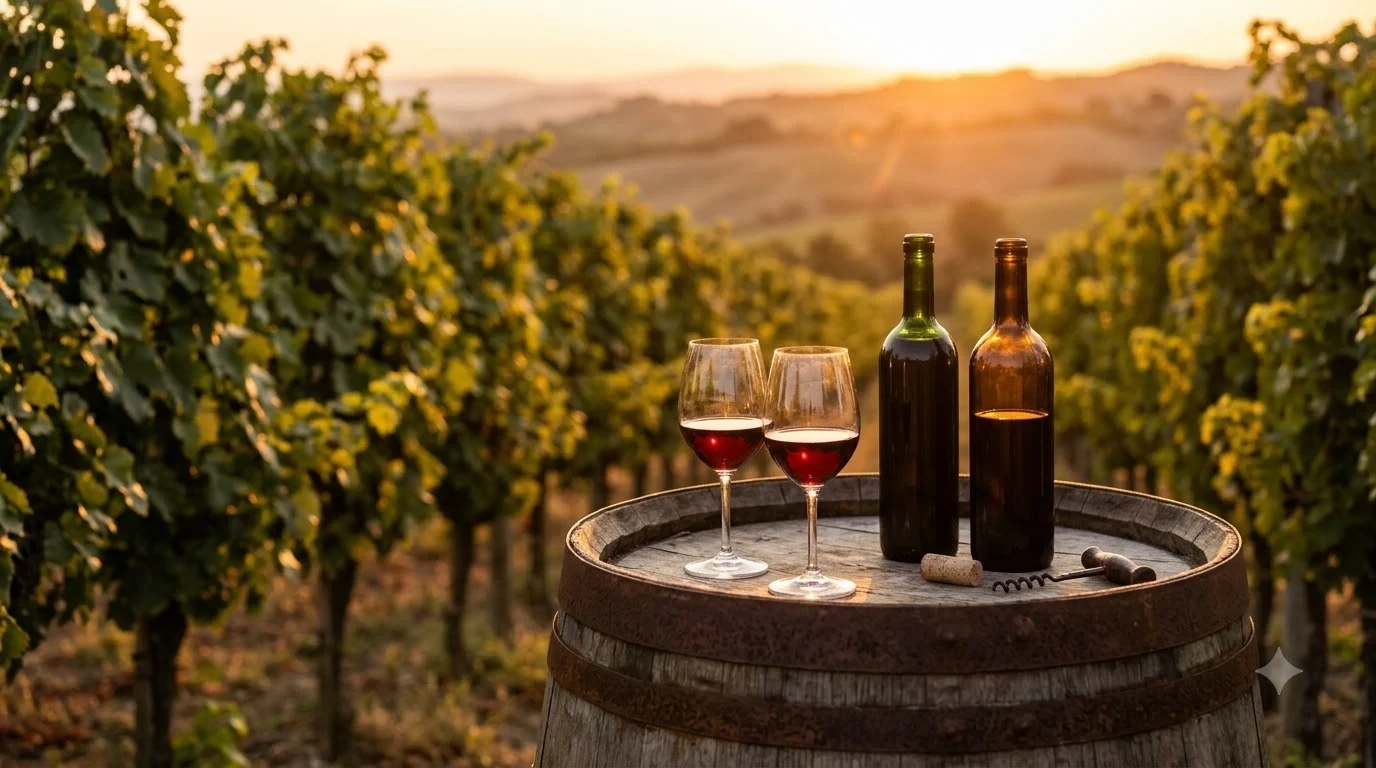
The term lubbock vineyards refers to West Texas growing sites near Lubbock that form part of the Texas High Plains, a region that grows more than 80% of the state’s wine grapes. The vineyards benefit from long, sunny days, cool nights, low rainfall, and elevations generally between 3,000 and 4,000 feet. Their grapes supply wineries across Texas, while Lubbock-area producers also make distinctive wines close to the source. For visitors and wine buyers, the best way to understand the area is to look at both its agricultural role and the bottles made from its grapes.
Lubbock is better known nationally for agriculture, Texas Tech, and its wide-open South Plains landscape than for wine tourism. Yet the surrounding vineyards are central to the Texas wine business. The region’s dry conditions and high plateau favor a wide selection of grapes, and its growers work with everything from Cabernet Sauvignon and Tempranillo to Roussanne and Picpoul Blanc. Knowing where the vineyards sit, what they grow, and how producers use the fruit makes it easier to choose a bottle or plan a tasting visit.
Lubbock vineyards and the Texas High Plains AVA
The vineyards around Lubbock belong to a much larger growing area: the Texas High Plains American Viticultural Area, or AVA. The appellation covers roughly 8 million acres west of Lubbock, and regional wine organizations identify it as the source of more than 80% of Texas wine grapes.
The AVA is not a single town or a compact cluster of tasting rooms. It extends across West Texas, with its eastern edge following the Caprock Escarpment near the 3,000-foot elevation contour and the plateau rising to about 4,100 feet in the northwest. Lubbock is a useful base for exploring, but vineyard sites also lie in surrounding communities and rural counties. A wine may be made or poured in one Texas region while its grapes were grown on the High Plains.
That grape-growing role gives the area influence well beyond its own tasting rooms. The Texas Wine and Grape Growers Association describes the High Plains as a very dry region at 3,000 to 4,000 feet and says it grows over 80% of Texas wine grapes. Growers supply fruit to wineries throughout the state, so a bottle made or poured elsewhere in Texas may still have a connection to High Plains vineyards.
Grape growing and winemaking have taken place here since the mid-1970s, as local farmers and winemakers learned which varieties could handle the climate. The result is both a regional wine destination and an agricultural source for other Texas wine areas. For a broader explanation of appellations and regional names, see Wine Regions.
Elevation, weather, and soils shape the grapes
High elevation and a very dry climate are the main environmental features of the Texas High Plains. Hot, sunny summer days help grapes ripen, while cooler evenings slow the loss of natural acidity and give growers a useful day-to-night temperature shift.
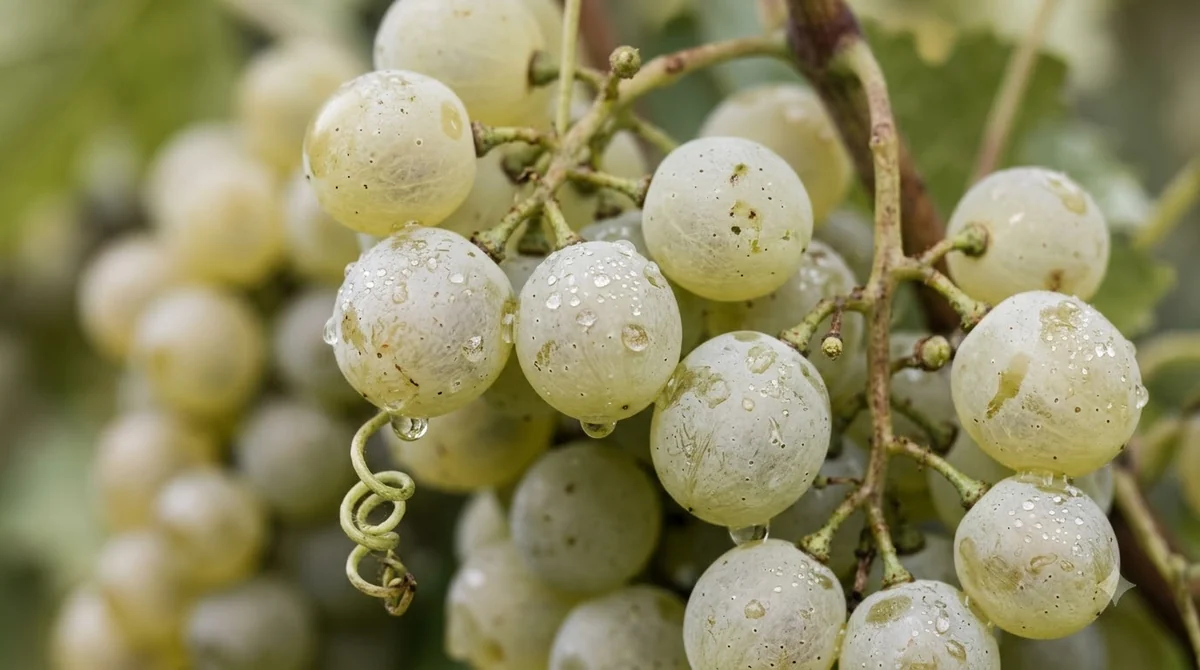
Most vineyards sit on relatively level land between about 3,000 and 4,000 feet. Altitude, sunshine, and low humidity can support healthy fruit, but growers must still plan for strong winds, limited rainfall, and summer heat. A dry climate can reduce some disease pressure while making water management central to vineyard work.
Soils vary across the appellation. High Plains Winegrowers identifies 31 soil associations, with five accounting for about 75% of the region’s acreage. Sandy loam and sandy clay loam layers are common, and some sites have deeper limestone deposits. These profiles influence drainage, available water, root growth, and irrigation decisions; there is no single soil type shared by every vineyard.
Because rainfall is limited, irrigation is essential at many sites, with water from the Ogallala Aquifer an important regional supply. Reddy Vineyards describes using drip irrigation alongside fruit thinning and canopy management. These practices direct water toward the roots, manage leaf growth around the fruit, and adjust crop levels as the season develops. Long sunny periods help grapes mature, while cool nights can preserve freshness; heat and wind remain risks, so site-specific management matters as much as the broad climate.
Grape varieties grown around Lubbock
The Texas High Plains is not limited to one signature grape. High Plains Winegrowers lists more than 75 wine-grape varieties in the AVA, including international staples and Mediterranean varieties that suit warm, dry growing conditions.
Cabernet Sauvignon, Merlot, Chardonnay, Riesling, Grenache, Malbec, and Pinot Noir are among the established names planted in the region. Other varieties include Tempranillo, Sangiovese, Montepulciano, Primitivo, Viognier, Chenin Blanc, and Orange Muscat. Reddy Vineyards’ published list also includes Tannat, Picpoul Blanc, Touriga Nacional, Aglianico, and Picardan, giving local producers choices for single-variety wines and blends. Tempranillo, associated with Spain, is a useful warm-climate red to look for; Sangiovese invites comparison with Chianti Classico vineyards, while Tannat offers a point of comparison with Uruguay vineyards without suggesting the regions make identical wines.
| Regional detail | Reported figure | What it means |
|---|---|---|
| Texas High Plains AVA area | About 8 million acres | A large geographic appellation, not a single vineyard estate |
| Typical vineyard elevation | 3,000–4,000 feet | High-altitude growing conditions and cool nights |
| Planted vineyard acreage | More than 3,700 acres | A substantial commercial grape-growing base |
| Wine-grape varieties | More than 75 | Broad options for red, white, and blended wines |
| Share of Texas wine grapes | More than 80% | The region supplies wineries across the state |
These figures describe the AVA, not Lubbock city limits, and show why it is misleading to treat the area as a one-grape region. A flight might move from Cabernet Sauvignon to Tempranillo, then to Viognier or a bright white blend; vineyard site and cellar choices shape each style. Climate and grape choice belong together: dry, high-elevation sites help fruit ripen while cool nights retain freshness, but the producer decides how much to emphasize fruit, acidity, oak, or blending. The cooler maritime conditions of Tasmania vineyards make a useful contrast with West Texas.
What Texas High Plains wines taste like
There is no single flavor profile for Lubbock-area wine: the region grows many varieties and supplies fruit to different winemaking teams. Start with the grape, then consider whether the wine is unoaked, barrel-aged, blended, dry, or sweet.
Cabernet Sauvignon generally gives firmer tannin and a fuller structure than Merlot, whose tannins tend to feel softer and more moderate. Tempranillo can offer a balanced middle ground for drinkers who like savory red-fruit character and food-friendly structure. Syrah often brings more substantial tannin and darker-fruited intensity, while Pinot Noir usually has lower-to-medium tannin and higher acidity. Those are grape-level expectations, not guarantees for every Texas bottle; ripeness, extraction, oak, and vintage conditions can change the result.
White wines offer another way to understand the region’s range. Chardonnay usually has medium acidity and can be made in a crisp stainless-steel style or with oak influence. Viognier is typically aromatic and fuller in texture, while Roussanne can add body and savory character to a blend. Picpoul Blanc and Picardan are useful names to recognize when looking for whites beyond the most familiar international varieties. Sauvignon Blanc and Riesling usually bring higher acidity, which can make them especially useful at the table.
Local wine portfolios span styles: the Lubbock Economic Development Alliance describes bottles ranging from light Picardan to barrel-aged Merlot. The same growing area can supply grapes for fresh whites, aromatic varieties, structured reds, and oak-influenced wines. Compare wines by grape and production choice, such as a stainless-steel white beside an oak-influenced Chardonnay or a young Tempranillo beside Cabernet Sauvignon. Note acidity, tannin, alcohol warmth, body, and oak before focusing on fruit notes; the winemaker’s decisions are as important as the place name.
Wineries and vineyard producers to know
Lubbock and its surrounding area have several names that appear frequently in discussions of Texas wine. The Lubbock Economic Development Alliance lists McPherson Cellars, Llano Estacado Winery, English Newsom Cellars, Burklee Hill Vineyards, Reddy Vineyards, and Adelphos Cellars among the area’s wine businesses. They do not all offer the same visit: some focus on winery and tasting-room experiences, while others are important growers or grape suppliers. A Lubbock tasting room may pour wines made from several High Plains sites, so confirm visitor arrangements before driving out.
Reddy Vineyards is a clear example of a grower with an estate winery close to Lubbock. Its vineyard page describes a 400-acre estate in the Texas High Plains AVA with 38 grape varieties, with the winery on the estate so harvested grapes can be pressed nearby. The producer describes stainless steel and French oak barrels, as well as fruit thinning, drip irrigation, canopy management, and a Pellenc harvester. Fruit thinning adjusts crop load, canopy management controls leaf growth and fruit exposure, and drip irrigation delivers water near the roots. Together, these choices show how one grower responds to a dry, windy site, although no single practice guarantees quality.
Reddy offers vineyard tours and tastings by appointment, so confirm dates and booking details before setting out. For a wider tasting-room day, check which businesses welcome visitors, how far they are from central Lubbock, and whether reservations are needed; not every working vineyard is a drop-in attraction. For details, see Reddy Vineyards’ winery and vineyard information; regional geography, acreage, and growing conditions are outlined in the grower group’s Texas High Plains AVA profile.
How to taste, serve, and pair local wines
Serve wine at a temperature that suits its style. Too much warmth can emphasize alcohol, while excessive chill can mute aroma and texture; use the grape and body as a starting point.
Serve light whites and rosé at about 45–50°F, fuller-bodied whites at 50–55°F, light reds at 55–60°F, and fuller reds at 60–65°F. If a local producer makes sparkling wine, a range of 40–50°F will keep it refreshing, while sweet whites are generally best around 43–50°F. These are practical service ranges, not strict rules. A red wine that feels hot from alcohol may benefit from a little cooling, and a delicate white can lose aromatic detail if it is nearly ice-cold.
Balance acidity and tannin against the food. High-acid Sauvignon Blanc or Riesling can keep pace with tomato-based dishes, medium-acid Chardonnay can suit richer preparations, and softer Merlot may be gentler than tannic Cabernet Sauvignon. Salt and fat soften tannin, making structured reds more comfortable with grilled or rich foods. Choose a wine at least as sweet as its dessert; chili heat is amplified by alcohol and tannin, and oily fish can clash with tannic reds. Try a high-acid white with goat cheese, a medium-bodied red with roasted vegetables, or Tempranillo with grilled lamb, matching the food’s acidity with equal or higher wine acidity.
Tip: Taste a Lubbock-area white first, then move to a lighter red and finish with a fuller, more tannic red. Keep a note of the grape, serving temperature, and food alongside each pour; the contrast will make differences in acidity, oak, and tannin easier to recognize.
A standard 5-ounce pour gives room to assess aroma and structure; a 750-milliliter bottle holds about five servings. Young, full-bodied reds may benefit from 30–60 minutes of decanting, while lighter reds and fresh whites usually need less intervention. Store unopened bottles on their sides near 55°F, away from sun and temperature swings. Refrigerated still wines generally last three to five days after opening, sparkling wines one to three days, fortified wines several weeks, and bag-in-box wines four to six weeks.
Frequently Asked Questions
How does the Texas High Plains rank among the state’s AVAs?
It is the second-largest AVA in Texas, covering roughly 8 million acres. Its size reflects a broad agricultural region rather than a compact cluster of tasting rooms.
How many American Viticultural Areas does Texas have?
The Texas Wine and Grape Growers Association identifies eight established AVAs in the state. They include the Texas High Plains, Texas Hill Country, Texoma, and Texas Davis Mountains.
Which soil association covers a particularly large area of the High Plains?
The Amarillo-Acuff-Olton association covers more than 1.7 million acres, primarily in the west-central part of the AVA. Its upper 12 inches are sandy loam, transitioning to sandy clay loam below.
What is required to put the Texas High Plains AVA on a wine label?
At least 85% of the wine’s volume must come from grapes grown in the named AVA. The rule applies to the wine’s grape origin, not simply to the location of the winery or tasting room.
How does water-holding capacity vary in High Plains soil?
For the Amarillo-Acuff-Olton association, the reported available water capacity is 15 centimeters at 0–100 centimeters of depth, 22 centimeters at 100–150 centimeters, and 28 centimeters at 150–250 centimeters. Those figures illustrate why growers consider soil profile and depth when planning vineyard water use.
Lubbock’s place in Texas wine begins in the vineyard: high plains, dry air, cool nights, varied soils, and a wide range of grapes. That agricultural foundation supplies wineries across the state while giving local producers the chance to make distinctive wines of their own. Start with a bottle that names its grape variety, then explore the region’s growers and tasting rooms to discover how West Texas expresses it.
More in Wine Regions
 Willcox Wine Trail: Discover Arizona’s High-Elevation Wine CountryUpdated Nov 20, 2026
 Yakima Valley Wine Region: Find the Best Styles to TryUpdated Nov 20, 2026
 Vosne Romanee Wine Tasting: Identify Aromas and Choose Better PairingsUpdated Nov 20, 2026
 Yakima Valley Wine Festival: Find the Best Seasonal Wine EventsUpdated Nov 20, 2026
 Wales Vineyards: Discover Cool-Climate Wines and Where to VisitUpdated Nov 20, 2026
 Yountville Wine Festival: Discover Napa Wines and Local FoodUpdated Nov 20, 2026