

We may earn a commission when you buy through links on this page, at no extra cost to you. Learn more.
Louis Jadot white wine is Burgundy white, mostly Chardonnay, from a family house founded in 1859 in Beaune. The house makes its wines from its own vineyards and from grapes bought from other growers, and it produces only Appellation d’Origine Contrôlée wines. Its whites range from light, mineral styles to richer, oak-influenced bottles, so the village or appellation on the label matters more than the brand name.
Louis Jadot is one of the best-known names in Burgundy, and its white wines can look confusing on a shop shelf because the labels mention villages, appellations, and vineyard names rather than a single style. This guide explains the house behind the wines, what Burgundy white tends to taste like, how to serve and pair these bottles, and how to read a label so you can choose the style you enjoy.
The house behind the bottles
According to the history of Maison Louis Jadot, the company was founded in 1859 by Louis Henry Denis Jadot. The family’s first vineyard purchase was the Beaune vineyard Clos des Ursules, in 1826, which gave the house an early foothold in one of Burgundy’s best-known wine towns. The company makes and markets Burgundy wine, and it produces only AOC wines, meaning wines that meet the rules of their named appellations.
The house controls about 270 hectares of vineyards in Burgundy, including Beaujolais crus, and it also owns estates in other parts of the region. Those holdings include Domaine Ferret in Fuissé in the Mâconnais, and Château des Jacques in Moulin-à-Vent in Beaujolais. Owning vineyards across several sub-regions lets the house offer whites from different soils and climates under one name.
What Burgundy white tastes like
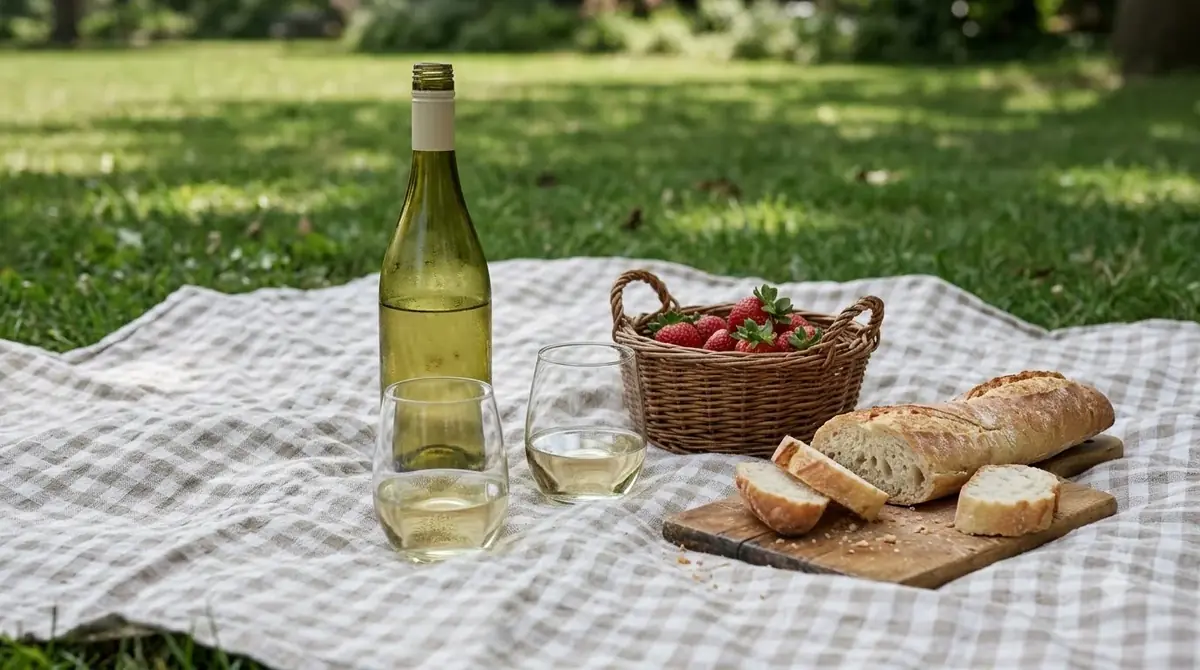
Most Louis Jadot whites are made from Chardonnay, the grape that originated in Burgundy and is now grown in nearly every winemaking country. The grape takes on very different character depending on where and how it is grown, so two bottles with the same name can taste quite different. Cooler sites tend to give leaner wines with high acidity and flavors of green apple, pear, and citrus. Chablis, in the north of Burgundy, is the classic example, with a steely, mineral edge.
Warmer sites produce fuller, riper wines with stone fruit and tropical notes. Meursault, a village in the Côte de Beaune, is often described as leaning toward buttered toast and hazelnut. The oak used in ageing adds butter, vanilla, and baking spice, and malolactic fermentation can soften the acidity and add a creamy texture.
| Style of white Burgundy | Typical aromas and flavors | Body and acidity | Usually served |
|---|---|---|---|
| Lean, mineral style (northern Burgundy) | Green apple, lemon, wet stone | Light, high acidity | Chilled, with oysters or light fish |
| Mid-weight Chardonnay (Côte de Beaune and Mâconnais) | Pear, citrus, white flowers | Medium, balanced acidity | Chilled, with chicken or pork |
| Oaked, richer style (Meursault-type) | Toast, hazelnut, butter, ripe stone fruit | Full, creamy texture | Slightly warmer, with rich sauces |
The table is a general guide, because the same village can produce several styles depending on the producer and the vintage. Use it to set expectations, then read the back label for the appellation, the village, and any mention of oak.
Tip: Burgundy labels can be confusing. A bottle labeled simply Bourgogne Blanc usually comes from a broad regional appellation, while a village name points to a more specific site and often a more defined style.
How to serve Louis Jadot white wine
Most white Burgundy tastes best when it is served chilled but not icy. Wine Folly’s Chardonnay guide suggests serving lean styles such as Chablis around 45°F, which is a useful starting point for the mineral, high-acid wines from northern Burgundy. Oaked styles are better served a little warmer, around 55°F, so the creamy texture and toasty notes can come through rather than being hidden by cold.
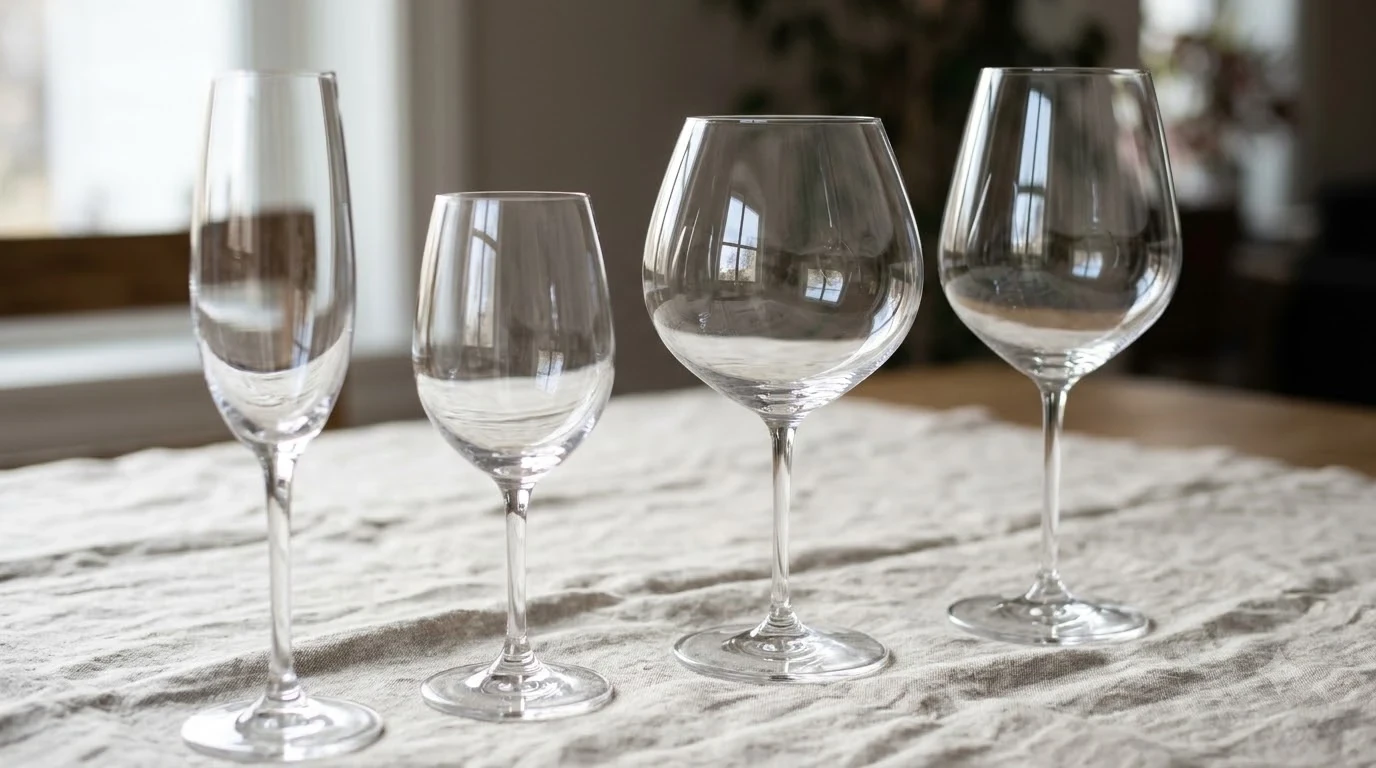
Pour into a medium-sized white wine glass with a tapered rim, which keeps the aromas focused without trapping too much heat. Give the wine a few minutes in the glass as it warms, and taste it again. A bottle that tastes tight at first often opens up as it reaches a better temperature.
Once opened, reseal the bottle and keep it refrigerated. Most fresh whites lose their brightness within a few days, so taste the wine again before serving it later.
Food pairing for Burgundy whites
Lean, mineral Burgundy whites are a natural match for seafood. Oysters, grilled or poached white fish, and shellfish suit their acidity and salty edge. They also work with soft goat cheese and fresh herbs, because the wine’s freshness cuts through creamy textures without overwhelming them.
Mid-weight Chardonnay from the Côte de Beaune and the Mâconnais fits roast chicken, pork chops, and vegetable dishes with butter or cream sauce. The fruit is rounder than a Chablis, so it can handle richer food without losing balance. Try it with mushrooms or a simple risotto for an easy dinner pairing.
Richer, oaked styles are the best choice for lobster, roast turkey with a buttery sauce, or a creamy pasta with mushrooms. Their toast and butter notes match these dishes, and their weight keeps the wine from feeling thin beside a heavy plate.
How to choose a bottle
Start with the style you like. If you enjoy crisp, zesty whites, look for a village or appellation known for lean styles, such as the northern Burgundy wines that are built on steely minerality. If you prefer a softer, rounder white, a Côte de Beaune or Mâconnais bottle may suit you better. Those who like toast and vanilla should look for a label that mentions oak treatment.
Next, read the appellation. A broad Bourgogne Blanc is a reasonable starting point for trying the house style. A village or premier cru bottle usually costs more and tells you more about where the grapes grew, so it suits a special meal. You can compare styles over a few purchases rather than trying to find the one perfect bottle.
If you want to compare the brand with another large French house, the Louis M. Martini wine page covers a different producer that also carries the Louis name. For a broader look at how brands and producers are organized, visit the Wine Brands section.
Frequently Asked Questions
What grape is Louis Jadot white wine made from?
Most of the house’s white wines are Chardonnay, the grape that originated in Burgundy. Check the label for the specific village or appellation, since that detail shapes how the wine tastes.
Does Louis Jadot make its own wine or buy grapes?
According to the house’s history, Maison Louis Jadot makes wine from its own vineyards and from grapes bought from other growers. It controls about 270 hectares of vineyards in Burgundy.
Should Louis Jadot white wine be oaked or unoaked?
Both styles exist in Burgundy. Unoaked or lightly oaked whites are crisp and mineral, while oaked styles are richer and creamier. Read the back label for oak notes and the appellation to know which style you are buying.
How cold should I serve Burgundy white wine?
Lean styles such as Chablis are best served around 45°F, while oaked styles are better around 55°F. Let the glass warm slightly if the wine tastes too tight.
Louis Jadot white wine rewards a bit of label reading. Learn the appellation and the style, then match the bottle to the meal you are planning. Start with a lean white for seafood, move to a mid-weight Chardonnay for chicken or pork, and try an oaked bottle when you want something rich and creamy.
More in Wine Brands
 Underwood Wine Price: Compare Bottles, Cans, and Pack SizesUpdated Nov 21, 2026
 Zenato Wine Price: Compare Styles and Choose the Right BottleUpdated Nov 21, 2026
 Zuccardi Wine Price: Compare Bottles and Find the Right RangeUpdated Nov 21, 2026
 Yellow Tail Moscato Review: Taste, Sweetness and Serving TipsUpdated Nov 21, 2026
 Wolf Blass Yellow Label Review: Choose Your Best StyleUpdated Nov 21, 2026
 Wolffer Estate Rose Review: Choose the Right Bottle for Your TableUpdated Nov 21, 2026