

We may earn a commission when you buy through links on this page, at no extra cost to you. Learn more.
Lombardy vineyards are located across northern Italy, producing celebrated Franciacorta sparkling wines, Alpine Nebbiolo reds from Valtellina, Pinot Nero wines from Oltrepò Pavese, and refreshing Lugana whites. The region stretches from the Alps to the Po Valley, with Lake Garda and Lake Iseo influencing several important growing areas. Its five DOCG appellations and 21 DOC appellations cover a remarkably varied selection of traditional-method sparkling wines, still whites, structured reds, rosés, and sweet wines.
Lombardy, or Lombardia in Italian, is often associated with Milan, fashion, lakes, and business, but its wine culture deserves equal attention. Its vineyards occupy mountain terraces, rolling glacial hills, and warmer southern slopes. Each landscape supports different grapes and winemaking traditions, making the region particularly interesting for anyone exploring Italian wine beyond Tuscany, Piedmont, and Veneto. Understanding its principal vineyard areas is the easiest way to discover what belongs in a Lombardy wine collection.
Where Lombardy’s Vineyards Are Located
Lombardy’s vineyards are distributed across northern Italy, between the Alpine mountains and the Po Valley. The most important growing areas include Franciacorta near Lake Iseo, Valtellina in the northern mountains, Oltrepò Pavese south of the Po River, and Lugana along Lake Garda.
Lombardy borders Piedmont to the west, Veneto to the east, and Emilia-Romagna to the south. Its geography creates several distinct vineyard environments rather than one continuous wine-growing landscape. The northern province of Sondrio contains Valtellina’s dramatic mountain vineyards, while Brescia province includes Franciacorta, Lugana, and several smaller wine-producing districts. Pavia province is home to Oltrepò Pavese, one of the region’s important sources of Pinot Nero.
Large lakes play an important role in the local growing environment. Lake Garda, Lake Iseo, Lake Como, and Lake Maggiore moderate temperatures around their shores. These bodies of water help reduce temperature extremes and create conditions favorable for grape cultivation. Higher elevations introduce cooler conditions and longer ripening periods, while southern hills generally experience warmer growing conditions.
Soil composition also varies considerably. Glacial deposits and morainic soils characterize parts of Franciacorta and the Garda area. Alpine vineyard soils include rocky, calcareous, and sandy components, while clay and limestone appear in several southern growing districts. These differences help explain why a Chardonnay-based sparkling wine from Franciacorta tastes quite different from a Nebbiolo red grown on Valtellina’s steep slopes.
According to ProWein’s regional overview, Lombardy has 15 IGTs, 21 DOCs, and five DOCGs. The number of designations reflects its diverse production rather than a single dominant wine style. Readers exploring the wider Italian landscape can also compare these growing conditions with Chianti Classico vineyards, where Tuscany’s hillside vineyards and Sangiovese traditions create a different regional identity.
For practical orientation, the principal areas can be summarized as follows:
| Wine area | Province or location | Principal grapes | Best-known styles |
|---|---|---|---|
| Franciacorta | Brescia, south of Lake Iseo | Chardonnay, Pinot Nero, Pinot Bianco | Traditional-method sparkling |
| Valtellina | Sondrio, Alpine valley | Nebbiolo (Chiavennasca) | Structured and elegant red wines |
| Oltrepò Pavese | Pavia, south of the Po River | Pinot Nero, Barbera, Croatina | Sparkling, red, and sweet wines |
| Lugana | Southern Lake Garda | Turbiana | Fresh white and sparkling wines |
| Valtènesi | Western Lake Garda | Groppello | Rosé and light reds |
| Scanzo | Near Bergamo | Moscato di Scanzo | Sweet red dessert wine |
These areas provide a useful starting point when choosing bottles or planning a wine-focused visit. They also demonstrate why Lombardy should not be treated as a region specializing exclusively in sparkling wine. Its Alpine reds and lake-influenced whites are equally important parts of its identity.
Franciacorta and Its Traditional-Method Sparkling Wines
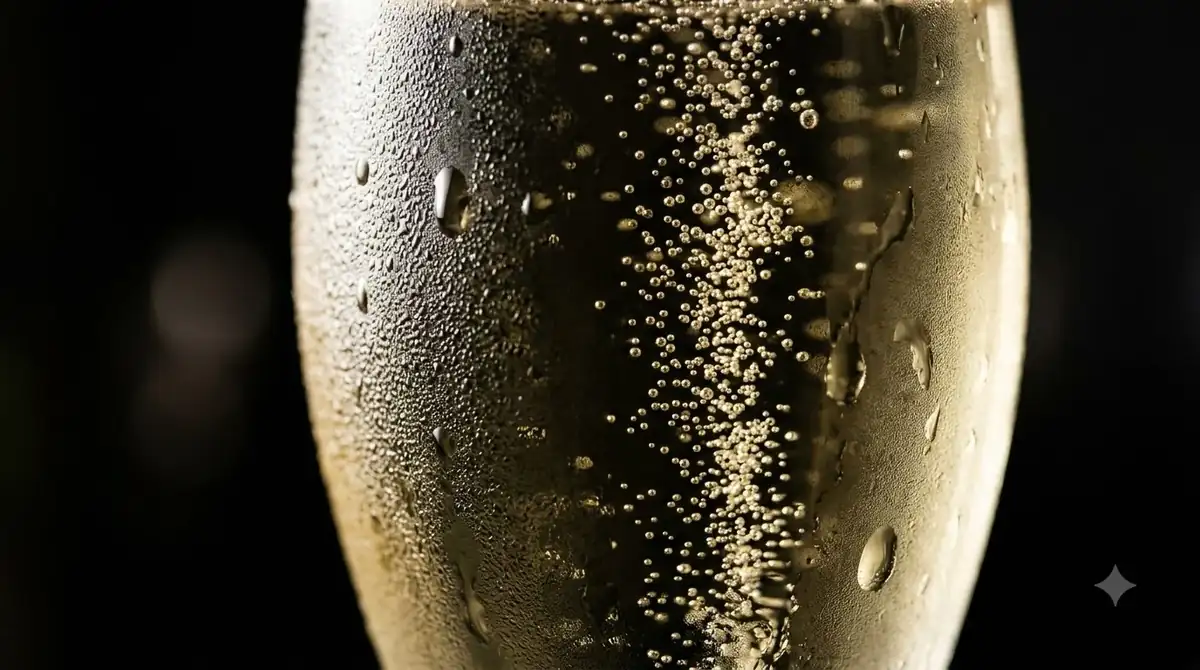
Franciacorta is Lombardy’s most internationally recognized sparkling wine district, located in Brescia province south of Lake Iseo. Its DOCG wines use bottle fermentation, with Chardonnay, Pinot Nero, and Pinot Bianco forming the principal grape varieties.
The Franciacorta landscape consists largely of rolling hills shaped by glacial activity. The resulting soils include gravel, stones, and mineral-rich deposits, with variations between individual vineyard sites. The proximity of Lake Iseo helps moderate local conditions, while the surrounding hills offer a range of exposures and elevations.
Unlike Prosecco, which typically uses the tank method for its secondary fermentation, Franciacorta follows the traditional method. The second fermentation occurs inside the bottle, producing the bubbles and allowing the wine to develop through contact with its lees. This approach can contribute to textures and aromas associated with bread crust, brioche, citrus, and toasted nuts.
Chardonnay commonly provides freshness, structure, and citrus character. Pinot Nero contributes body, red-fruit complexity, and additional structure. Pinot Bianco can add further balance and texture. Producers work with different proportions to create several styles, including white sparkling wine, rosé, and the distinctive Satèn category.
Franciacorta labels also provide useful information about sweetness and production style. Brut is a dry category, while Extra Brut and Brut Nature generally indicate progressively lower residual sugar levels. Rosé is produced with a proportion of red grapes, and Satèn is a distinctive Franciacorta style with a softer pressure and fine mousse.
Understanding Franciacorta’s main styles
- Franciacorta Brut: A dry sparkling wine suited to aperitivo, seafood, and fried appetizers.
- Franciacorta Extra Brut: A particularly dry style that works well with oysters, shellfish, and salty snacks.
- Franciacorta Rosé: A pink sparkling wine with red-fruit character, suitable for cured meats and salmon.
- Franciacorta Satèn: A softer-textured sparkling style that pairs naturally with delicate fish dishes and mild cheeses.
- Franciacorta Riserva: A longer-aged category that can develop additional savory and toasted notes.
For American wine drinkers, Franciacorta is a useful alternative to Champagne when looking for traditional-method Italian sparkling wine. Both use bottle fermentation, although their regional regulations, permitted grapes, and growing conditions differ. A bottle of Franciacorta is also a practical way to introduce guests to Lombardy without beginning with a less familiar Alpine red.
The official Regione Lombardia wine information portal provides an overview of the region’s wine denominations and highlights Franciacorta alongside Valtellina and Oltrepò Pavese. These three areas offer a useful introduction to the region’s principal production traditions.
Valtellina Vineyards and Alpine Nebbiolo
Valtellina is Lombardy’s principal mountain wine district, located in Sondrio province near the Swiss border. Its steep, south-facing terraces produce Nebbiolo-based wines known locally as Chiavennasca, including Valtellina Superiore and Sforzato di Valtellina.
The vineyard landscape is one of Italy’s most distinctive. Rows of vines occupy narrow terraces cut into steep mountain slopes, often supported by dry-stone walls. Cultivating these sites requires considerable manual work because the terrain makes extensive mechanization difficult. Access, maintenance, and harvesting can all be more demanding than in flatter vineyard regions.
The south-facing orientation of many slopes helps maximize sunlight in a relatively cool Alpine environment. The valley’s geography also produces temperature differences between daytime and nighttime. These conditions can help Nebbiolo develop aromatic complexity while retaining freshness and acidity.
Nebbiolo is widely associated with Piedmont, particularly Barolo and Barbaresco, but Valtellina provides a distinctive expression of the grape. The local name Chiavennasca appears on regional discussions and wine descriptions, although international labels frequently retain the name Nebbiolo to make the variety recognizable to consumers.
Valtellina reds typically emphasize red cherry, raspberry, dried herbs, floral notes, and earthy complexity. Their tannins can be noticeable, but the wines often present a more restrained profile than some powerful examples from warmer locations. Acidity provides freshness and makes them useful companions for traditional mountain cooking.
The five Valtellina Superiore subzones
Valtellina Superiore DOCG includes five recognized subzones, each with its own vineyard geography:
- Maroggia: A smaller western sector of the appellation, associated with steep hillside cultivation.
- Sassella: One of the best-known subzones, with vineyards around the area west of Sondrio.
- Grumello: Located near Sondrio, with a landscape of terraces and mountain exposures.
- Inferno: A particularly steep vineyard area whose name reflects its hot vineyard conditions during summer.
- Valgella: An eastern subzone extending toward Teglio, with numerous terraced vineyards.
These names help consumers understand the geographical differences between bottles. A Sassella and an Inferno may both be based on Chiavennasca, but their individual vineyard environments and producer choices can produce different expressions.
Sforzato and partially dried grapes
Sforzato di Valtellina, also called Sfursat, offers a more concentrated interpretation of the local Nebbiolo grape. Producers partially dry harvested grapes before fermentation, concentrating sugars and flavor compounds. The resulting wines are generally fuller and more powerful than standard Valtellina reds.
Expect darker fruit, dried cherries, spice, and a more pronounced structure. These wines are especially suitable for slow-cooked beef, braised meats, mature cheeses, and richer Alpine dishes. Their combination of concentration and acidity makes them interesting choices for people who enjoy structured Italian reds but want something different from Barolo or Amarone.
For readers comparing Italian wine regions, Valtellina demonstrates how elevation, slope orientation, and traditional vineyard work can influence a familiar grape variety. It is one of the clearest examples of how Lombardy’s mountain geography translates directly into the character of its wines.
Oltrepò Pavese and Its Pinot Nero Heritage
Oltrepò Pavese is a hilly wine-growing district in Pavia province, south of the Po River. It is particularly important for Pinot Nero, producing both traditional-method sparkling wines and still wines alongside regional specialties made from Barbera and Croatina.
The area’s vineyards occupy rolling hills at the northern edge of the Apennines. Compared with Valtellina’s steep Alpine terraces, the terrain is generally more accessible, with a mixture of hillside exposures and varied soil compositions. Clay, limestone, and other sedimentary materials contribute to differences between vineyard sites.
Pinot Nero is central to the district’s reputation. The grape is particularly useful for traditional-method sparkling wine because its naturally balanced acidity and structure can support extended maturation on the lees. Oltrepò Pavese Metodo Classico DOCG provides a regional expression of this style, with Pinot Nero as its principal variety.
The same grape can also produce still red wines. These bottles generally offer a different profile from sparkling versions, emphasizing red berries, gentle spice, and earthy complexity. Rosé and other sparkling expressions provide further variety for consumers interested in comparing different uses of Pinot Nero.
Red wines beyond Pinot Nero
Oltrepò Pavese has a strong tradition of producing reds from Barbera and Croatina. Barbera contributes bright acidity and dark-fruit flavors, while Croatina is closely associated with the local Bonarda wines. The grape’s fruit-forward character makes it an important part of the area’s red-wine identity.
Bonarda dell’Oltrepò Pavese DOC is a recognizable regional designation. Depending on the producer and style, these wines can be approachable, fruity, and suitable for everyday meals. Buttafuoco is another local appellation, associated with blends that can include Croatina, Barbera, and other permitted varieties.
The area also produces Sangue di Giuda dell’Oltrepò Pavese, a sweet red wine made from Barbera, Croatina, and Uva Rara. Its fruit-driven profile makes it suitable for desserts and selected cheese pairings. It is a useful reminder that Oltrepò Pavese produces considerably more than Pinot Nero sparkling wine.
Tip: When comparing Oltrepò Pavese wines, distinguish between Metodo Classico sparkling bottles and still Pinot Nero reds. They share a grape-growing heritage, but their production methods create very different drinking experiences. Start with a dry traditional-method sparkling wine for aperitivo, then try a still Pinot Nero with roasted poultry or mushroom dishes.
Oltrepò Pavese deserves particular attention from wine drinkers interested in exploring Italian Pinot Nero outside the country’s most famous northern regions. Its combination of traditional-method sparkling wines, approachable reds, and sweet regional specialties makes it one of Lombardy’s most versatile wine districts.
Lugana, Lake Garda, and Lombardy’s Other Wine Areas
Lugana is one of Lombardy’s leading white-wine appellations, situated around the southern shore of Lake Garda. Its principal grape, Turbiana, produces fresh, aromatic wines with noticeable acidity and a mineral character, while other districts around the lake specialize in rosé and red wines.
Turbiana is closely associated with Lugana DOC and is sometimes called Trebbiano di Lugana. Despite the similarity in name, it should be understood as a distinct regional grape identity rather than casually equated with every other Trebbiano variety. It is valued for its ability to retain freshness while producing wines with aromatic detail and structure.
Young Lugana often shows citrus, green apple, white flowers, and fresh stone-fruit characteristics. Some examples develop more complex notes with bottle age, including honeyed and savory elements. The combination of freshness and moderate body makes the wine suitable for a wide range of foods.
Lake Garda’s influence helps moderate the local growing environment. The southern lakeshore has a relatively mild climate, while the surrounding morainic hills provide different vineyard exposures and soil conditions. These geographical characteristics help explain why Lugana has developed a strong identity among Italian white wines.
Other Lake Garda wine districts
Valtènesi, on the western side of Lake Garda, is particularly associated with Groppello-based wines and rosé. Its Chiaretto-style rosés are generally fresh and berry-driven, making them suitable for warm-weather meals, grilled vegetables, seafood, and light pasta dishes.
Garda DOC covers a broader production area and includes several varieties. Depending on the location and producer, the wines can be made from Corvina, Rondinella, Sangiovese, Merlot, Cabernet Sauvignon, and other permitted grapes. The result is a diverse range of whites and reds rather than one uniform style.
San Martino della Battaglia, another designation around the southern Lake Garda area, is associated with the white grape Tocai Friulano. These wines provide another alternative for people who want to explore regional whites beyond Lugana.
Smaller wine districts around Bergamo and Brescia
Further west and north, the Bergamo area includes Valcalepio and Moscato di Scanzo. Valcalepio produces both red and white wines, with local production incorporating varieties such as Merlot, Cabernet Sauvignon, Chardonnay, and Pinot Bianco.
Moscato di Scanzo DOCG is particularly distinctive. Produced near Bergamo from Moscato di Scanzo grapes, it is a rare sweet red wine with concentrated fruit and spice characteristics. Its dessert-wine style makes it quite different from the dry Nebbiolo reds of Valtellina or the sparkling wines of Franciacorta.
Brescia province also contains Botticino, Cellatica, and Capriano del Colle. These appellations contribute to the region’s red and white wine diversity. The wines are generally less internationally recognized than Franciacorta, but they help explain the depth of Lombardy’s local vineyard culture.
How to Choose, Serve, and Pair Lombardy Wines
The easiest way to choose a Lombardy wine is to start with the grape and production style. Franciacorta suits sparkling-wine occasions, Lugana offers a refreshing white, Valtellina provides structured Nebbiolo reds, and Oltrepò Pavese offers several styles ranging from Pinot Nero sparkling wine to fruit-forward reds.
Serving temperature makes a noticeable difference. Sparkling wines should generally be served between 40 and 50 degrees Fahrenheit, while light whites and rosés are best around 45 to 50 degrees. Full-bodied whites benefit from slightly warmer service, around 50 to 55 degrees Fahrenheit.
For red wines, lighter styles such as Rosso di Valtellina are generally enjoyable around 55 to 60 degrees Fahrenheit. Fuller Valtellina Superiore and Sforzato wines can be served around 60 to 65 degrees. Serving red wine too warm can make alcohol more prominent and reduce the perception of freshness.
Food pairing is another practical way to explore Lombardy’s regional diversity. Franciacorta Brut works with fried appetizers, shellfish, and salty foods. Lugana complements freshwater fish, grilled vegetables, risotto, and mild cheeses. Valtellina Nebbiolo works especially well with mushroom dishes, roasted meats, and regional buckwheat preparations.
Regional food and wine combinations
- Franciacorta with fried seafood: Acidity and bubbles help refresh the palate between rich, crispy bites.
- Lugana with lake fish: Its freshness and moderate weight complement freshwater fish without overwhelming delicate flavors.
- Valtellina Nebbiolo with pizzoccheri: This buckwheat pasta dish, traditionally prepared with potatoes, cabbage, butter, and cheese, provides enough richness to balance the wine’s tannins and acidity.
- Oltrepò Pavese Bonarda with salumi: Fruit-forward red wine pairs naturally with cured meats and savory appetizers.
- Moscato di Scanzo with chocolate desserts: Its concentrated fruit and sweetness make it suitable for rich chocolate-based dishes.
- Valtènesi rosé with grilled seafood: Its berry character and refreshing acidity complement lighter grilled dishes.
For sweet wines, a basic pairing principle is especially important: the wine should be at least as sweet as the dessert. A dry wine served with a very sweet dessert can taste thin or excessively acidic. Moscato di Scanzo therefore makes more sense with sweet foods than a dry Valtellina red.
Acidic dishes also benefit from wines with equal or higher acidity. Salt and fat can soften the perception of tannins, which helps explain why structured Nebbiolo works with rich meat dishes and aged cheeses. On the other hand, highly tannic red wines are generally poor companions for delicate oily fish.
For a straightforward introduction, purchase one traditional-method sparkling wine, one Lugana white, and one Valtellina red. These three bottles demonstrate three different vineyard environments and winemaking traditions without requiring an extensive tasting collection.
Planning a Visit to Lombardy’s Wine Country
A wine trip through Lombardy is best planned around individual vineyard districts rather than attempting to cover the entire region in a single day. Franciacorta, Valtellina, and Oltrepò Pavese are geographically distinct, and each deserves enough time for winery appointments, vineyard visits, and local food.
Franciacorta is a convenient starting point for travelers staying in or around Brescia. The area south of Lake Iseo offers rolling vineyard scenery and opportunities to learn about traditional-method sparkling wine production. A winery visit can include an explanation of bottle fermentation, lees aging, grape selection, and the differences between Brut, Rosé, and Satèn.
Lake Iseo also provides an appealing setting for a longer stay. Travelers can combine vineyard visits with lakeside villages, restaurants, and outdoor activities. It is a particularly good choice for visitors who want to explore wine country without spending the entire trip driving between mountain locations.
Valtellina requires a different approach. The Alpine landscape and terraced vineyards make it particularly attractive for travelers interested in mountain scenery and traditional agriculture. Towns such as Sondrio and Tirano provide useful starting points for exploring the wine district. Visitors can also look for tastings featuring Sassella, Inferno, and Grumello to understand the differences between the subzones.
Oltrepò Pavese offers another rewarding itinerary, particularly for people interested in Pinot Nero. Its hills and smaller wine communities provide opportunities to discover sparkling and still wines from the same grape-growing district. Winery appointments are advisable because tasting arrangements and opening schedules vary between producers.
When to visit
Late spring and early autumn are generally attractive periods for visiting Lombardy’s vineyards. Spring brings fresh green landscapes and growing vines, while September and early autumn offer the possibility of seeing grape harvesting activity in several districts.
Harvest dates vary according to grape variety, elevation, weather, and vineyard location. Alpine Valtellina and warmer lakeside vineyards do not necessarily harvest at the same time. Travelers interested in seeing harvest operations should contact individual wineries before arranging their itinerary.
Summer can be a pleasant time for exploring the lakes and combining winery visits with outdoor activities, although daytime temperatures can become high. Winter offers a quieter experience, especially in mountain areas, but some winery visits require advance arrangements.
It is also sensible to organize transportation before scheduling multiple tastings. Vineyard roads can be narrow, and mountain routes require more time than a map might suggest. A designated driver or organized wine tour makes it easier to enjoy tastings responsibly.
For broader comparisons, Lombardy provides an interesting contrast with other geographically distinctive growing regions, including Tasmania vineyards and Uruguay vineyards. Each demonstrates how climate, terrain, and grape selection influence a wine region’s identity.
Frequently Asked Questions
How many wineries are there in Lombardy?
The number of active wineries changes with producer registrations, business structures, and vineyard ownership. Regional appellation counts describe protected wine designations rather than individual winery numbers. For a practical visit, it is better to select a specific district and contact its producers directly.
Is Lombardy a good region for organic wine?
Organic wine production is represented among Lombardy’s independent producers, including wineries in Oltrepò Pavese and other districts. Certification is producer-specific rather than an automatic characteristic of any DOC or DOCG appellation. Travelers interested in organic viticulture should ask wineries about their farming certification and vineyard practices.
What does the word Chiavennasca mean on a wine label?
Chiavennasca is the local name for Nebbiolo in Valtellina. It identifies the grape associated with the valley’s principal red-wine tradition. International wine descriptions frequently use Nebbiolo alongside the local name to make the variety easier for consumers to recognize.
Can visitors buy wine directly from Lombardy wineries?
Many producers offer direct cellar sales or winery tasting experiences, although availability varies by estate. Some smaller mountain producers operate with limited visitor facilities and require advance appointments. Visitors should also ask about shipping arrangements if they intend to send purchases outside Italy.
What is the difference between DOC and DOCG on Lombardy wine labels?
DOC stands for Denominazione di Origine Controllata, while DOCG means Denominazione di Origine Controllata e Garantita. Both are protected Italian origin classifications with production rules, but DOCG has additional regulatory requirements and controls. Neither designation alone guarantees that an individual bottle will suit every consumer’s preferences.
Lombardy’s vineyards offer a compelling introduction to northern Italian wine, from the traditional-method sparkling wines of Franciacorta to the terraced Nebbiolo vineyards of Valtellina and the Pinot Nero hills of Oltrepò Pavese. Lugana, Valtènesi, and Moscato di Scanzo add further variety to a region that rewards exploration beyond its most famous bottles. Start with these principal districts, compare their grapes and styles, and Lombardy’s diverse wine identity becomes much easier to appreciate.
More in Wine Regions
 Willcox Wine Trail: Discover Arizona’s High-Elevation Wine CountryUpdated Nov 20, 2026
 Yakima Valley Wine Region: Find the Best Styles to TryUpdated Nov 20, 2026
 Vosne Romanee Wine Tasting: Identify Aromas and Choose Better PairingsUpdated Nov 20, 2026
 Yakima Valley Wine Festival: Find the Best Seasonal Wine EventsUpdated Nov 20, 2026
 Wales Vineyards: Discover Cool-Climate Wines and Where to VisitUpdated Nov 20, 2026
 Yountville Wine Festival: Discover Napa Wines and Local FoodUpdated Nov 20, 2026