

We may earn a commission when you buy through links on this page, at no extra cost to you. Learn more.
Bonarda wine is a plush, fruit-forward red wine primarily produced in Argentina from the French grape variety Douce Noir, known in California as Charbono. Despite its Italian-sounding name, Argentine Bonarda is genetically distinct from Italian Bonarda wines made from Croatina or Uva Rara. It delivers deep purple color, juicy dark berry and plum flavors, lively acidity, and soft, supple tannins.
While Malbec commands the international spotlight for South American reds, Bonarda stands as Argentina’s second most widely planted red wine grape. Understanding what sits inside the bottle—and how regional naming differs between Argentina, California, and northern Italy—makes exploring different Wine by Type much easier when browsing a restaurant list or retail shelf.
What Bonarda Wine Is
Bonarda wine refers most commonly to dry, medium-to-full-bodied red wines grown in Argentina, though the name carries a complicated transatlantic identity. Ampelographers and DNA researchers confirmed that the vine planted across South America as Bonarda is actually Douce Noir (also called Corbeau), an alpine red grape originally native to France’s Savoie region.
European immigrants carried the vine to South America in the late nineteenth century, assuming it was one of the northern Italian varieties called Bonarda back home. The borrowed name stuck in Argentina, even though the grape in the ground had French roots. Meanwhile, the same Douce Noir cutting traveled to California in the nineteenth century, where winemakers adopted the name Charbono—a label still used across Napa Valley and Mendocino today.
In northern Italy, bottles labeled Bonarda tell an entirely different story. In Lombardy’s Oltrepò Pavese zone, Bonarda refers to wines made predominantly from Croatina, often vinified with a light, frothy frizzante sparkle. In Piedmont, winemakers sometimes use the Bonarda name for Uva Rara or Bonarda Piemontese. Checking the country of origin on the front label immediately tells you which grape you are pouring.
Flavor Profile and Winemaking Styles
Argentine Bonarda is defined by vibrant dark fruit, soft tannins, and refreshing natural acidity that keeps the wine feeling buoyant rather than heavy. On the nose and palate, reviewers at Wine Folly highlight primary aromas of plum sauce, black cherry, fig paste, cardamom, and graphite, often accompanied by subtle violet and cocoa notes.
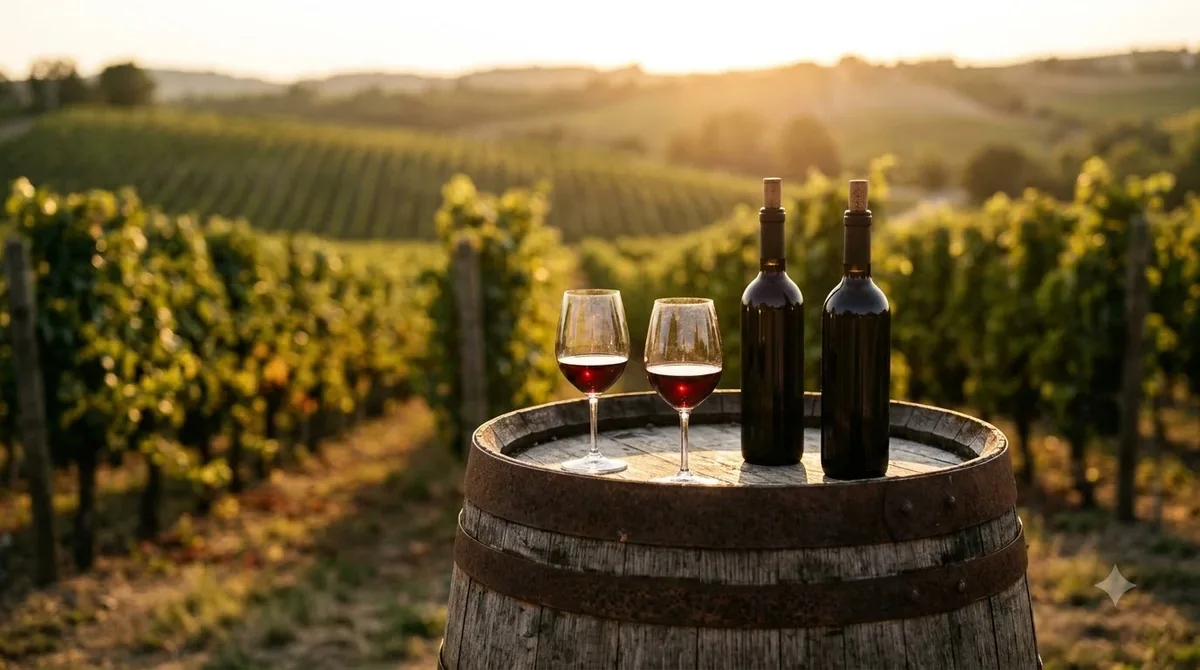
Because Bonarda develops deep, inky purple pigment in its skins without accumulating harsh, astringent tannins, it offers an approachable, velvety mouthfeel right upon release. Alcohol levels typically sit in a moderate range around 12.5% to 13.5% ABV, giving the wine a balanced, easy-drinking frame compared to higher-alcohol New World reds. Winemakers generally craft Bonarda in three distinct styles depending on vineyard yields and cellar choices:
- Unoaked and Fresh: Harvested from warmer sites and fermented in stainless steel or concrete, these everyday bottles emphasize pure cherry, blackberry, and plum fruit with brisk acidity and minimal oak influence.
- Old-Vine and Oak-Aged: Produced from low-yielding, decades-old vines and aged in neutral or lightly toasted oak barrels, these concentrated bottlings layer dried fig, dark chocolate, tobacco, and sweet baking spices onto a longer finish.
- Experimental and Sparkling: A wave of modern Argentine producers vinify Bonarda using carbonic maceration for a chilled, Beaujolais-like profile, or craft traditional-method sparkling rosé and blanc de noirs bottlings.
Historically, Argentine wineries prized Bonarda as a blending workhorse to add color and plush mid-palate fruit to Malbec and Cabernet Sauvignon. Once growers began restricting yields per hectare on older parcels, single-varietal Bonarda emerged as a compelling category in its own right.
Where Bonarda Grows
Argentina dominates global production, accounting for the vast majority of the world’s Douce Noir plantings across more than 17,000 hectares of vineyards. Because Bonarda is a late-ripening variety that requires a long, warm growing season to reach full phenolic maturity, growers plant it primarily in sun-drenched, lower-to-mid-elevation zones rather than the coolest high-altitude Andean foothills.
Mendoza holds the largest concentration of Argentine Bonarda, particularly in the eastern sub-regions of San Martín, Rivadavia, and Maipú, alongside select high-elevation sites in the Uco Valley such as El Cepillo and Paraje Altamira. Further north, the arid, sun-baked vineyards of San Juan, La Rioja, and Catamarca also produce expressive, ripe bottlings from old pergola-trained vines.
Outside South America, California maintains the second-largest footprint under the Charbono name, led by historic dry-farmed vineyards in Napa Valley’s Calistoga district. Small, dedicated plantings also survive in eastern France’s Savoie region under the traditional Douce Noir and Corbeau names, while Italy continues to cultivate unrelated Croatina and Bonarda Piemontese across Piedmont and Lombardy.
| Region | Local Grape Name | Genetic Identity | Typical Wine Style |
|---|---|---|---|
| Mendoza & San Juan, Argentina | Bonarda | Douce Noir (Corbeau) | Plush, dark-fruited, soft-tannin dry red |
| Napa Valley, California | Charbono | Douce Noir (Corbeau) | Structured, earthy, age-worthy dry red |
| Savoie, France | Douce Noir / Corbeau | Douce Noir (Corbeau) | Light-to-medium-bodied, crisp mountain red |
| Oltrepò Pavese, Italy | Bonarda | Croatina | Fruity, lightly sparkling (frizzante) or still red |
Bonarda vs. Malbec and Other Everyday Reds
Comparing Bonarda directly to Malbec—its famous Argentine vineyard neighbor—clarifies why many wine drinkers reach for it on weeknights. While both grapes share a deep violet-purple hue and generous dark fruit core, their structural blueprints diverge noticeably in the glass.
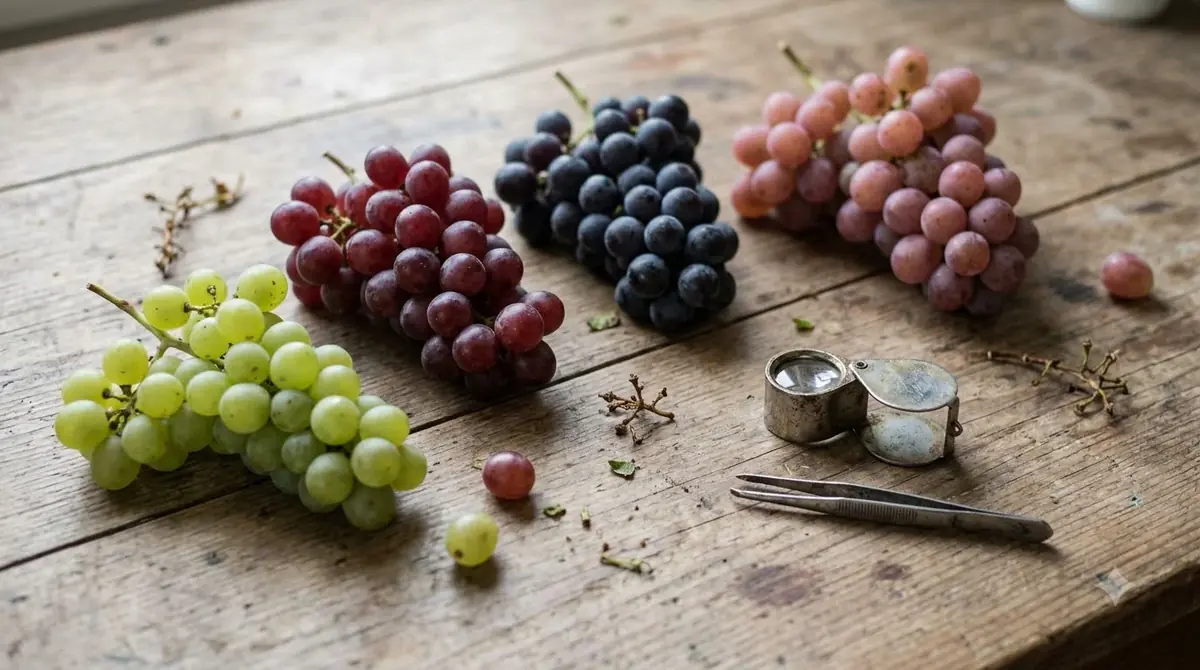
Malbec typically builds a fuller body with firmer, medium-to-high tannins and higher alcohol, making it a classic partner for heavily marbled ribeye steaks and rich pan reductions. Bonarda trades some of that muscular grip for juicier acidity, lighter tannin structure, and a rounder, more supple texture that shines without heavy oak aging.
Wine drinkers who enjoy the bright red-fruit snap of chianti grape bottlings or the approachable softness of Merlot often gravitate toward Bonarda. Unlike crisp white varieties such as the catarratto grape or colombard grape, Bonarda brings plush berry weight to the table while retaining enough natural tartness to keep the palate refreshed.
How to Serve and Store Bonarda
Serving Bonarda slightly cooler than full-bodied Cabernet Sauvignon or Malbec highlights its bright berry aromatics and prevents the fruit from feeling jammy. Aim for a serving temperature between 59°F and 63°F (15°C to 17°C), which translates to roughly 15 to 20 minutes in the refrigerator before pouring.
A standard universal red wine glass with a medium-sized bowl gathers the plum, cherry, and subtle spice aromas effectively without needing specialized stemware. Younger, unoaked bottles are built for immediate enjoyment—simply pull the cork and pour without decanting. If you open an oak-aged, single-vineyard Bonarda or a structured California Charbono, giving the wine 30 minutes in a decanter helps soften the frame and unfurl secondary notes of cocoa and dried herbs.
Tip: Chill unoaked Argentine Bonarda for 20 minutes before serving outdoors; its low tannins and bright acidity make it a standout warm-weather red.
For short-term storage, keep unopened bottles on their sides in a dark, cool place around 50°F to 59°F (10°C to 15°C). Most everyday Argentine Bonarda bottlings are crafted to drink fresh within two to five years of the vintage date, though concentrated old-vine selections can evolve gracefully in a cellar for five to ten years.
Food Pairing Ideas
Bonarda’s combination of juicy acidity, low astringency, and dark fruit makes it one of the most adaptable red wines at the dinner table. Because it lacks aggressive tannins, it avoids clashing with spicy seasonings, smoky glazes, or savory tomato sauces that can make heavier reds taste bitter.
In its Argentine homeland, Bonarda is a staple alongside traditional asado—grilled chorizo sausages, morcilla, flank steak, and beef empanadas—where the wine’s lively acidity cuts cleanly through smoky fat. As Decanter notes, the variety’s balanced fruit and gentle grip also make it an ideal companion for dishes that bridge sweet, savory, and spiced elements.
- Weeknight Classics: Wood-fired pepperoni pizza, lasagna, baked ziti, and bacon cheeseburgers pair effortlessly with Bonarda’s bright acidity and ripe plum notes.
- Spiced and Global Dishes: Tacos al pastor, chicken mole, curried potatoes, and teriyaki-glazed pork or grilled salmon echo the grape’s subtle cardamom and brown-spice undertones.
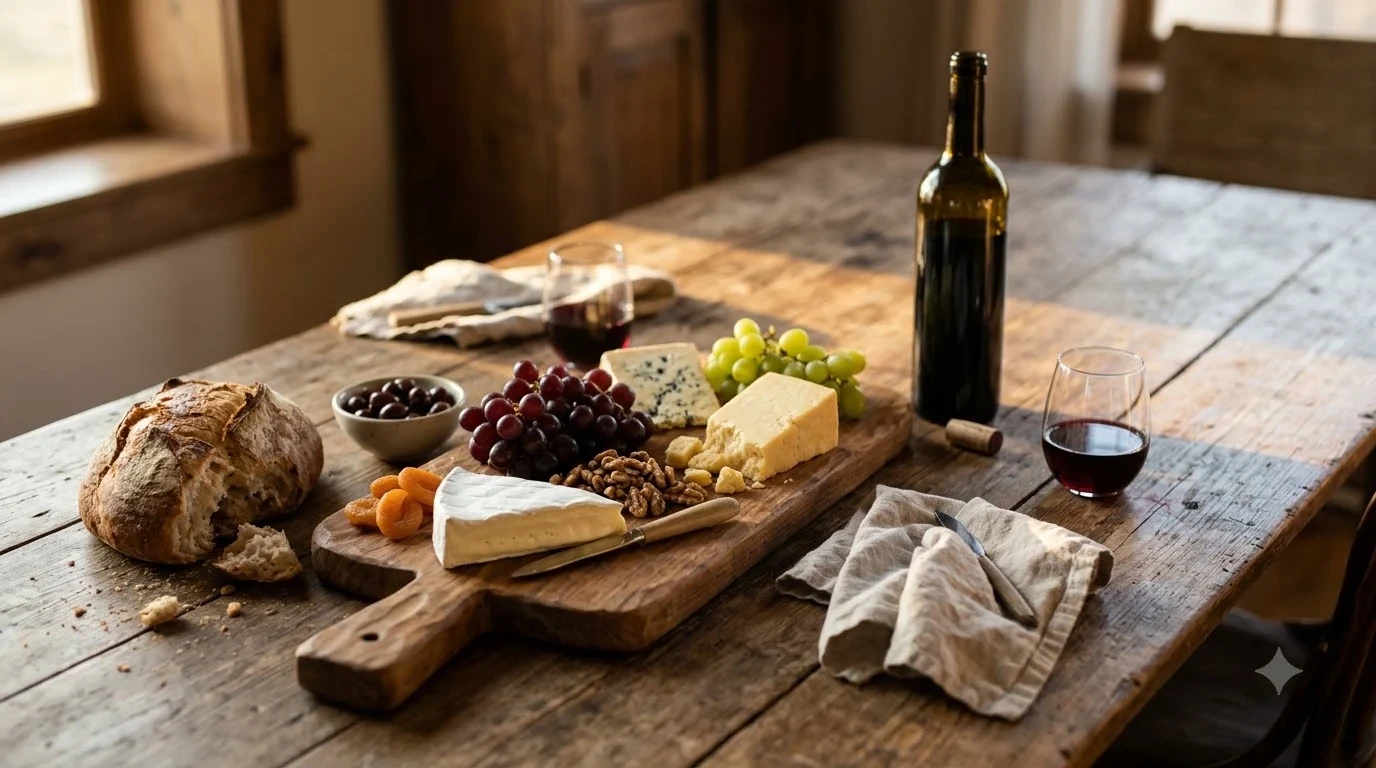
- Charcuterie and Cheese: Cured salami, smoked ham, aged Gouda, and creamy blue cheeses match the wine’s velvety texture without overwhelming its fruit core.
How to Choose a Bottle of Bonarda
Shopping for Bonarda starts with reading the origin on the label to match the style you want in your glass. Bottles from Mendoza or San Juan in Argentina deliver the classic plush, dark-fruited Douce Noir profile, while bottles from Lombardy or Piedmont in Italy offer lighter, often lightly fizzy Croatina or Uva Rara expressions.
Look closely at vineyard and winemaking cues on the back label to gauge body and richness. Terms such as “Reserva,” “Single Vineyard,” or “Old Vines” (Viñas Viejas) signal lower-yielding parcels and barrel aging, resulting in deeper concentration and darker chocolate and fig complexity. Conversely, stainless-steel or concrete-fermented bottlings from recent vintages highlight vibrant cherry and blackberry freshness meant for casual weeknight pouring.
Frequently Asked Questions
Is Bonarda a sweet or dry red wine?
Bonarda is almost always vinified as a dry red wine. Its generous flavors of ripe plum, blackberry, and sweet baking spices can create an impression of richness on the palate, but virtually all grape sugars are fermented out during winemaking.
Are Argentine Bonarda and Italian Bonarda the same grape?
No, they are completely different grape varieties. Argentine Bonarda is genetically the French grape Douce Noir (known as Charbono in California), whereas Italian Bonarda from regions like Oltrepò Pavese is typically made from Croatina or Uva Rara.
How does Bonarda compare to Malbec?
Both grapes produce deeply colored, dark-fruited Argentine reds, but Bonarda has softer tannins, slightly higher acidity, and usually a touch lower alcohol than Malbec. While Malbec is fuller and firmer for heavy steaks, Bonarda feels juicier and more versatile for everyday meals.
Should you decant Bonarda wine before drinking?
Most everyday, unoaked Bonarda bottles do not require decanting and are ready to drink as soon as they are opened. However, concentrated old-vine bottlings or oak-aged reserves benefit from 30 minutes of aeration in a decanter to open up their deeper spice and cocoa notes.
Whether you discover it as an unoaked Argentine weeknight red or an old-vine single-vineyard bottling, Bonarda offers vibrant dark fruit and effortless drinkability. Keep a bottle slightly chilled on hand the next time you want a smooth, food-friendly alternative to heavier reds.
More in Wine Types & Grapes
 Zinfandel Sugar Content: Dry Red vs. White Zinfandel GramsUpdated Nov 21, 2026
 Best Zinfandel Substitute Options for Sipping and CookingUpdated Nov 21, 2026
 Zweigelt Food Pairing: Best Dishes, Cheeses, and Serving TipsUpdated Nov 21, 2026
 Zinfandel Tannins Explained: How Structure Shapes Every BottleUpdated Nov 21, 2026
 Zinfandel Sweetness Level: Dry Red vs. Sweet White Zin ExplainedUpdated Nov 21, 2026
 Xinomavro Food Pairing: Best Dishes, Styles, and Serving TipsUpdated Nov 21, 2026