

We may earn a commission when you buy through links on this page, at no extra cost to you. Learn more.
Livermore Valley wine tasting offers visitors a chance to explore historic California wineries, distinctive Chardonnay, expressive Cabernet Sauvignon and small-production wines in a relaxed wine country setting east of San Francisco. Located in Alameda County, this established wine region combines more than a century of winemaking history with a diverse selection of tasting rooms and vineyard experiences. Visitors can explore historic estates, discover lesser-known grape varieties and enjoy a rewarding day of wine tasting without traveling to Napa or Sonoma.
Livermore Valley deserves a place on any California wine itinerary, particularly for people interested in the origins of American Chardonnay and the development of the state’s early wine industry. Its combination of established family wineries, independent producers, accessible tasting rooms and varied wine styles makes it suitable for both beginners and experienced wine enthusiasts. Understanding the region’s geography, signature grapes and winery layout will help you make the most of a visit.
Livermore Valley’s Wine History and Distinctive Geography
Livermore Valley combines a long winemaking tradition with growing conditions that support a surprisingly broad range of grape varieties. Its east-west orientation, gravel-based soils and cooling marine influences help explain why the region produces both expressive whites and structured reds.
The valley’s commercial wine history dates to the 1840s, when Robert Livermore planted some of its first commercial wine grapes. Important developments followed quickly. Charles Wetmore established Cresta Blanca Vineyards in 1882, while Carl H. Wente and James Concannon founded their wineries in 1883. These early producers helped establish Livermore Valley as an important center of California winemaking.
A major milestone arrived in 1889, when Charles Wetmore’s Livermore Valley dry white wine received the Grand Prix at the International Paris Exposition. This recognition helped introduce California wine to international audiences. The region continued influencing American wine production during the twentieth century: Wente Vineyards produced the first varietally labeled Chardonnay in 1936, and Concannon Vineyard produced the first varietally labeled Petite Sirah in 1961, according to the Livermore Valley Winegrowers Association.
The region received its American Viticultural Area designation in 1982. Its location approximately 30 miles east of San Francisco places it within the San Francisco Bay appellation and the broader Central Coast appellation. The valley stretches approximately 15 miles from east to west and 10 miles from north to south, surrounded by coastal mountain ranges and foothills. This orientation creates conditions that differ from many other Northern California wine-growing areas.
Marine air moves inland from San Francisco Bay and the Pacific Ocean, helping moderate daytime temperatures and cool vineyards during the evening. The resulting contrast between warm days and cooler nights allows grapes to develop ripe flavors while retaining useful acidity. Gravel-based soils also contribute to the region’s identity. Their drainage characteristics can limit excessive vine vigor and help concentrate grape flavors.
For visitors, these conditions matter because they help explain the diversity of wines available within a relatively compact destination. The region has more than 40 wineries and over 3,000 acres of vineyards, according to the local winegrowers association. Its producers work with everything from familiar Bordeaux varieties to Italian, Rhône and Spanish grapes. That diversity makes Livermore particularly interesting for visitors who want to compare different wine styles during one trip.
The Grapes and Wine Styles to Look For
Livermore Valley is particularly associated with Chardonnay, Sauvignon Blanc, Cabernet Sauvignon and Petite Sirah, although its producers make considerably more than these familiar varieties. Tasting across several grape types is one of the best ways to understand the region’s personality.
Chardonnay deserves special attention because of Livermore’s historical contribution to California viticulture. The Wente clone originated in the region, and nearly 80% of California’s Chardonnay vines trace their genetic roots to a Livermore Valley clone, according to the regional winegrowers association. Local Chardonnay can range from bright, citrus-driven expressions to richer wines with apple, pear, vanilla and creamy oak characteristics. Ask whether a particular bottle was fermented or aged in stainless steel, neutral oak or newer barrels to understand its style.
Sauvignon Blanc is another important variety. Expect fresh acidity, citrus, green fruit and sometimes herbal or mineral characteristics. Its refreshing profile makes it a useful starting point for a tasting flight, especially when visiting on a warm afternoon. It also provides an interesting contrast with Chardonnay because the latter can have a rounder texture and more noticeable oak influence.
Red wine enthusiasts should look for Cabernet Sauvignon, Petite Sirah, Merlot, Cabernet Franc and Petit Verdot. Cabernet Sauvignon typically delivers black cherry, cassis, tobacco and substantial tannin. Petite Sirah is generally darker and more concentrated, with blackberry-like fruit, spice and a firm structure. Merlot offers a softer alternative, while Cabernet Franc can introduce savory herbal notes and fresh red-fruit character.
Several producers also explore grapes that are less familiar to many American wine drinkers. Sangiovese, Barbera, Tempranillo, Albariño, Verdelho and Rhône-style blends broaden the selection. These varieties are particularly worthwhile for visitors who already know California Cabernet and Chardonnay and want to explore something different.
| Grape or wine style | Typical characteristics | What to explore |
|---|---|---|
| Chardonnay | Medium acidity, apple, pear, citrus | Oak-aged and unoaked examples |
| Sauvignon Blanc | High acidity, citrus, herbs | Fresh, crisp white wines |
| Cabernet Sauvignon | High tannin, cassis, black cherry | Structured reds and blends |
| Petite Sirah | High tannin, blackberry, spice | Full-bodied, concentrated reds |
| Merlot | Medium tannin, plum, soft fruit | Approachable red wines |
| Cabernet Franc | Medium tannin, red fruit, herbs | Varietal wines and Bordeaux blends |
| Sangiovese | Bright acidity, cherry, savory notes | Italian-inspired red wines |
| Tempranillo | Medium tannin, red and dark fruit | Spanish-inspired reds |
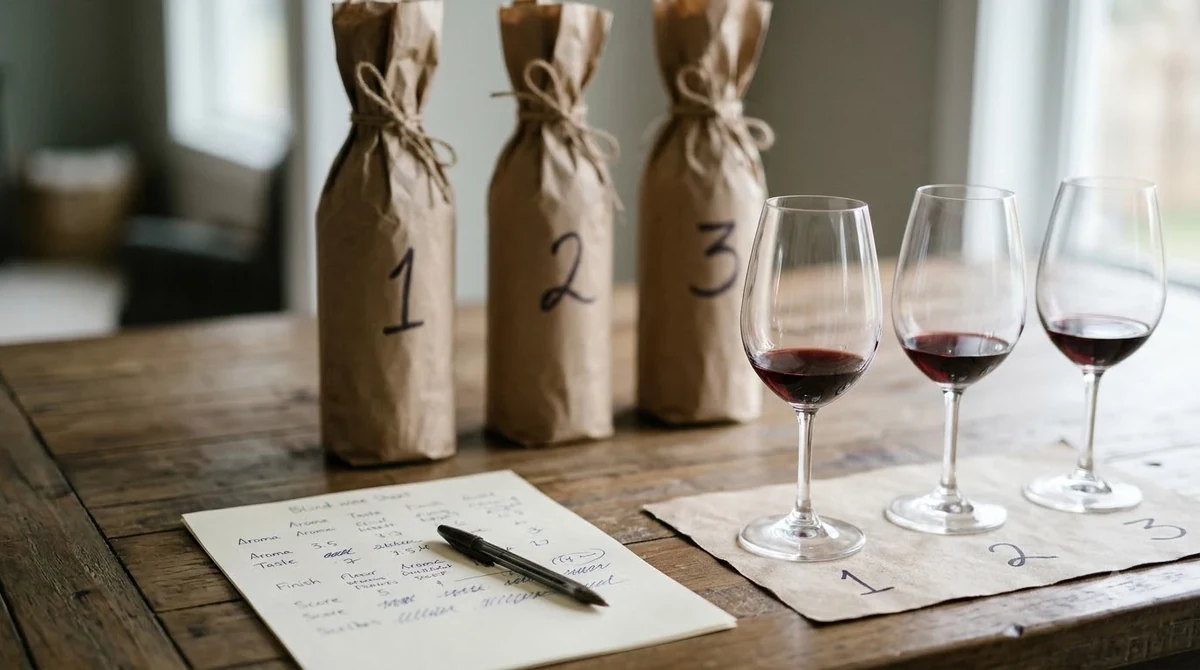
Rather than choosing every tasting based on a familiar grape, try to include one contrasting style in your itinerary. For example, compare Wente-style Chardonnay with a crisp Sauvignon Blanc, then move to a Cabernet Sauvignon and a Petite Sirah. This progression demonstrates differences in acidity, body, tannin and winemaking choices without making the tasting experience unnecessarily complicated.
Wineries Worth Including in a Livermore Valley Visit
The strongest winery itinerary combines historical estates with smaller producers and tasting rooms that specialize in particular wine styles. Wente Vineyards, Concannon Vineyard, Darcie Kent Vineyards and Las Positas Vineyards provide useful starting points for understanding the region.
Wente Vineyards is an especially meaningful first stop for anyone interested in California Chardonnay. Founded in 1883, the winery has a significant place in the history of the Livermore Valley and the development of American Chardonnay. Its heritage makes it an appropriate place to compare different expressions of the grape while learning about the region’s influence on California viticulture. Visitors interested in broader experiences can also explore its winery hospitality and vineyard surroundings.
Concannon Vineyard offers another important historical perspective. Established in 1883, it is closely associated with the development of varietally labeled Petite Sirah in the United States. Its importance to the region makes it a worthwhile stop for visitors interested in structured red wines and the history of California’s Bordeaux varieties. Compare its red wine offerings with lighter wines from another producer to appreciate the range of styles available in the valley.
Darcie Kent Vineyards is a useful option for visitors interested in estate-grown wines and a selection that includes Cabernet Franc, Sauvignon Blanc and Pinot Noir. Its Tesla Road location makes it a natural consideration when planning a route through the southern part of the valley. Visitors can use the tasting to explore how different grape varieties express themselves under the region’s growing conditions.
Las Positas Vineyards offers another broad selection, including Chardonnay, Cabernet Sauvignon, Barbera, Malbec, Petite Sirah, Petit Verdot, Verdelho and Tempranillo. The winery is located at 1828 Wetmore Road. Its range of international varieties makes it especially useful for curious visitors who want to go beyond the region’s best-known grapes.
Other producers can add variety to a visit. McGrail Vineyards is associated with Cabernet Sauvignon and vineyard views, while 3 Steves Winery offers wines from varieties including Barbera and Sangiovese. Cuda Ridge Wines focuses on Bordeaux-inspired varieties such as Cabernet Franc, Carménère, Malbec and Petit Verdot. Wood Family Vineyards also provides opportunities to explore Bordeaux-style blends and several familiar California grapes.
For a broader selection, the local tourism organization maintains a directory of regional wineries, tasting rooms and wine bars. The Visit Tri-Valley wine country directory is a useful starting point for checking the locations of producers and identifying additional stops. Since tasting formats, opening days and reservation policies differ, confirm current arrangements directly with each winery before traveling.
How to Plan a One-Day Wine Tasting Itinerary
A successful Livermore Valley wine day usually includes three wineries, enough time for lunch and a manageable route between tasting appointments. Trying to visit too many producers can make the experience rushed and leave little time to appreciate individual wines.
Begin the morning with a historic estate such as Wente Vineyards or Concannon Vineyard. Starting with a winery that offers several recognizable grape varieties provides useful context for the rest of the day. If Chardonnay is a particular interest, begin with Wente. If you prefer structured reds and the history of Petite Sirah, consider Concannon. Allow approximately 75 to 90 minutes for a relaxed tasting and time to explore the property, depending on the experience booked.
Schedule lunch before the afternoon appointments. Livermore and the surrounding Tri-Valley area offer restaurants and winery dining options, making it possible to combine local food with regional wines. A meal also provides a welcome break between flights. After lunch, choose a smaller producer such as Cuda Ridge or Wood Family Vineyards, or visit Darcie Kent for a different perspective on Sauvignon Blanc, Cabernet Franc and other estate wines.
Finish with a producer that offers a contrasting style rather than simply repeating the same grape varieties. Las Positas is an interesting option for visitors curious about Spanish and Portuguese grapes, while 3 Steves provides another opportunity to explore Italian-inspired varieties. If your afternoon includes a final tasting, allow enough time for travel and avoid scheduling appointments too closely together.
Suggested three-stop itinerary
Morning: Start at Wente Vineyards for a historical introduction and a comparison of Chardonnay and Sauvignon Blanc. Allow time to explore the tasting experience rather than treating the visit as a quick glass of wine.
Midday: Take a lunch break in Livermore or arrange a winery dining experience. A relaxed meal gives you time to reset before tasting more structured red wines.
Afternoon: Visit Concannon Vineyard for Petite Sirah and Cabernet Sauvignon, then choose either Darcie Kent or Las Positas for a final tasting if appointment times and transportation allow. This combination provides a useful overview of the region’s history and variety.
For visitors who prefer not to drive, the Livermore wine trolley, private guided tours and small-group wine outings provide alternatives. These options can be especially helpful for groups visiting several tasting rooms in one afternoon. Check departure schedules, winery inclusions and booking arrangements before committing to a tour.
Tip: Book two or three winery appointments before arriving, especially for weekends and larger groups. Choose stops that are geographically convenient, allow at least 30 minutes between appointments for travel and parking, and designate a sober driver or arrange transportation before beginning the tasting day.
Visitors planning a longer California wine trip can also compare the region with Hunter Valley wine tasting for a different wine-country experience, or explore Russian River Valley wine tasting to discover another California region known for distinctive vineyard conditions and grape varieties.
Best Seasons, Reservations and Practical Tasting Tips
Livermore Valley can be visited throughout the year, but spring, summer and harvest season offer different experiences. Planning around the weather, winery schedules and your preferred tasting environment will make the trip more enjoyable.
Spring is a pleasant time to explore vineyards as the growing season gets underway. Outdoor seating and vineyard scenery can be particularly appealing during mild weather. Winery visits tend to focus on tasting-room experiences, wine releases and seasonal activities. Spring is a good choice for visitors who prefer comfortable daytime temperatures and a less intense outdoor environment.
Summer brings warmer afternoons and longer daylight hours. It is an attractive season for patio tastings, vineyard views and outdoor winery events. However, the temperature can become uncomfortable during the hottest part of the day, so morning appointments are often preferable. Bring water, plan for shade and allow enough time between stops.
Fall is associated with grape harvest and a particularly interesting period in wine country. Visitors may find harvest celebrations, special releases and events at participating wineries. Harvest schedules depend on grape variety and seasonal conditions, so not every vineyard will be harvesting at the same time. If harvest activities are important to your trip, contact wineries before choosing a date.
Winter provides an opportunity for a quieter tasting-room visit. Outdoor vineyard experiences may be more weather-dependent, but indoor tastings allow visitors to focus on wine comparisons and conversations with winery staff. This season can be attractive for people who prefer a less crowded itinerary.
Reservations are advisable, particularly for weekend visits, special tastings, guided experiences and groups. Some wineries accept walk-ins, while others use appointment-based tasting formats. Policies can vary even between producers located on the same road. Confirm the number of guests allowed, tasting duration, available seating and whether food is included before setting off.
It also helps to understand standard wine-tasting portions and serving temperatures. A typical wine pour is 5 ounces, and a 750-milliliter bottle contains approximately five standard glasses. Tasting flights may use smaller portions, allowing visitors to compare more wines without consuming a full glass of each selection.
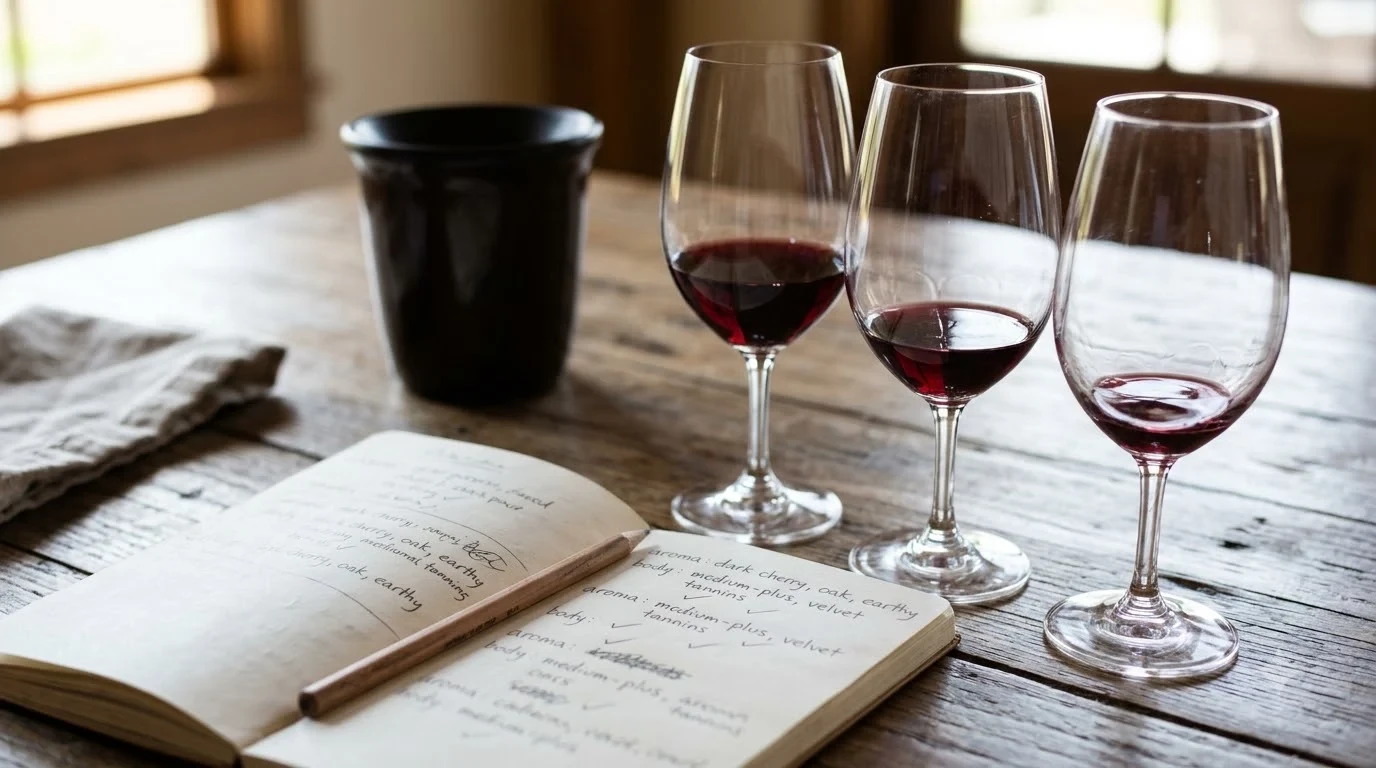
For a more informative tasting, pay attention to four characteristics: acidity, tannin, body and finish. Acidity creates freshness, tannin contributes structure in red wines, body describes the wine’s weight on the palate, and finish refers to the flavors that remain after swallowing. These characteristics provide a more useful framework for comparing wines than simply deciding whether a bottle tastes fruity or dry.
Serving temperature also affects how a wine presents itself. Light whites and rosé generally show well at 45–50 F, while fuller-bodied whites are usually served at 50–55 F. Light reds are often best around 55–60 F, and fuller-bodied reds around 60–65 F. These temperatures provide a helpful reference when purchasing bottles to enjoy later.
Food Pairings and Wines to Enjoy After Your Visit
Livermore Valley’s range of white and red wines makes food pairing straightforward, provided you consider acidity, tannin, sweetness and the weight of the dish. Sauvignon Blanc and Chardonnay work well with different preparations of seafood and poultry, while Cabernet Sauvignon and Petite Sirah are better suited to richer dishes.
Sauvignon Blanc’s high acidity makes it a natural partner for foods with fresh citrus, herbs and bright sauces. Consider grilled shrimp, oysters, goat cheese, green salads and grilled vegetables. Its freshness can balance the richness of creamy dishes, while its herbal character works well with parsley, basil and other green ingredients. When a dish has strong acidity from lemon or vinegar, choose a wine with equal or greater acidity so the wine does not taste flat.
Chardonnay offers several pairing possibilities because winemaking choices influence its texture and flavor. A fresh, unoaked Chardonnay works well with grilled fish, roast chicken and shellfish. A richer, oak-influenced example can complement roasted poultry, creamy pasta and dishes with browned butter. The wine’s medium acidity provides balance without overwhelming delicate ingredients.
Cabernet Sauvignon is a strong match for grilled beef, lamb and other substantial meat dishes. Its high tannin can soften when paired with protein and fat, while the wine’s dark fruit and savory characteristics complement grilled and roasted flavors. Petite Sirah also works well with hearty dishes such as braised beef, barbecue and aged hard cheeses. Its substantial structure benefits from foods with enough richness and flavor to match.
Merlot offers a softer alternative for roast pork, mushroom dishes and grilled chicken. Cabernet Franc can pair nicely with herb-seasoned lamb, roasted vegetables and tomato-based dishes. Italian-inspired Sangiovese, with its bright acidity and cherry character, is particularly useful with tomato sauces, pizza and traditional pasta dishes.
For a cheese board, consider combining firm cheeses with softer and harder styles of wine. Aged cheddar and aged Gouda can complement Cabernet Sauvignon or Petite Sirah, while fresh goat cheese is a natural match for Sauvignon Blanc. Salt and fat in food can soften the perception of tannin, making structured reds more approachable alongside richer cheeses.
Spicy food requires a little more care. Chili heat can become more noticeable alongside wines with high alcohol or substantial tannin. If you are pairing a strongly spiced dish with wine, a refreshing white or a slightly sweeter style may work better than a powerful red. For dessert, choose a wine that is at least as sweet as the food so the wine does not taste sour or thin by comparison.
Visitors who purchase bottles during their trip should consider how they will transport and store them. Keep wine away from prolonged heat and direct sunlight. At home, bottles intended for longer storage should generally be kept on their sides in a cool, stable environment near 55 F. After opening, refrigerate still wines and aim to enjoy them within approximately three to five days. These practices help preserve the wines you bring home from the valley.
Livermore Valley also works well as part of a wider wine-region itinerary. Travelers interested in comparing destinations can explore Verde Valley wine tasting or browse Wine Regions to learn how geography, climate and grape selection influence wine styles in different parts of the world.
Frequently Asked Questions
Is Livermore Valley worth visiting for wine tasting?
Yes. Livermore Valley has a particularly important place in California wine history because of its influence on Chardonnay and Petite Sirah production. The region also offers more than 40 wineries, making it possible to explore historic estates and independent producers in one destination. Its proximity to the San Francisco Bay Area makes it convenient for a day trip.
How many wineries are there in Livermore Valley?
The Livermore Valley Winegrowers Association reports more than 50 wineries across the region and identifies 44 wineries on its Wine Heritage District map. The precise number depends on the geographic area and directory being counted. This gives visitors plenty of options beyond the best-known historic estates.
What is the Livermore Valley Wine Heritage District?
The Wine Heritage District was established in 2021 to recognize the area’s winemaking history and organize important historic wine-country destinations. Its map identifies 44 wineries and provides visitors with a useful way to understand the region’s heritage. It can be a helpful starting point when planning a history-focused winery itinerary.
Which winery produced California’s first varietally labeled Petite Sirah?
Concannon Vineyard produced the first varietally labeled Petite Sirah in 1961, according to the Livermore Valley Winegrowers Association. This milestone is one reason the winery remains an important destination for visitors interested in the development of American red wine. Petite Sirah continues to be one of the region’s historically significant varieties.
Can visitors explore Livermore Valley without driving themselves?
Yes. Visitors can consider the Livermore wine trolley, private guided transportation and small-group wine tours. These services provide alternatives to driving between tasting rooms and can make group visits easier to organize. Some tours include multiple wineries in one afternoon, although the exact stops and schedules depend on the operator.
Livermore Valley offers an appealing combination of California wine history, diverse grape varieties and approachable tasting experiences. Start with its historic Chardonnay and Petite Sirah producers, then add smaller wineries to discover the region’s broader range of styles. With a thoughtful itinerary, advance reservations and time for a good meal, a visit can provide a memorable introduction to one of California’s most historically significant wine regions.
More in Wine Regions
 Willcox Wine Trail: Discover Arizona’s High-Elevation Wine CountryUpdated Nov 20, 2026
 Yakima Valley Wine Region: Find the Best Styles to TryUpdated Nov 20, 2026
 Vosne Romanee Wine Tasting: Identify Aromas and Choose Better PairingsUpdated Nov 20, 2026
 Yakima Valley Wine Festival: Find the Best Seasonal Wine EventsUpdated Nov 20, 2026
 Wales Vineyards: Discover Cool-Climate Wines and Where to VisitUpdated Nov 20, 2026
 Yountville Wine Festival: Discover Napa Wines and Local FoodUpdated Nov 20, 2026