

We may earn a commission when you buy through links on this page, at no extra cost to you. Learn more.
Lebanon wine tasting introduces you to distinctive Mediterranean wines, combining high-altitude Bekaa Valley reds, indigenous white grapes such as Obaideh and Merwah, and distinctive coastal and mountain-grown bottlings. Lebanon produces Cabernet Sauvignon, Syrah, Merlot, Cinsault, and other familiar varieties alongside grapes rarely encountered elsewhere. Understanding the country’s growing regions and indigenous varieties makes it easier to recognize the differences between individual bottles and build a rewarding tasting.
Lebanon has a long history of grape growing and winemaking, with vineyards shaped by mountain landscapes, Mediterranean weather, and a mixture of traditional and modern production methods. Its wines can be surprisingly varied: one tasting might move from a floral mountain-grown white to a structured Cabernet-based blend and finish with a distinctive indigenous red. Whether you are exploring Lebanese bottles for the first time or comparing them with wines from established European regions, a little knowledge of the country’s geography and grapes makes every glass more interesting.
Lebanon’s Wine Geography and High-Altitude Growing Conditions
Lebanon’s wine character begins with its mountainous geography and Mediterranean climate. The Bekaa Valley is the country’s best-known wine-producing area, while coastal Batroun, Mount Lebanon, and southern Jezzine provide additional growing environments that contribute different expressions of Lebanese wine.
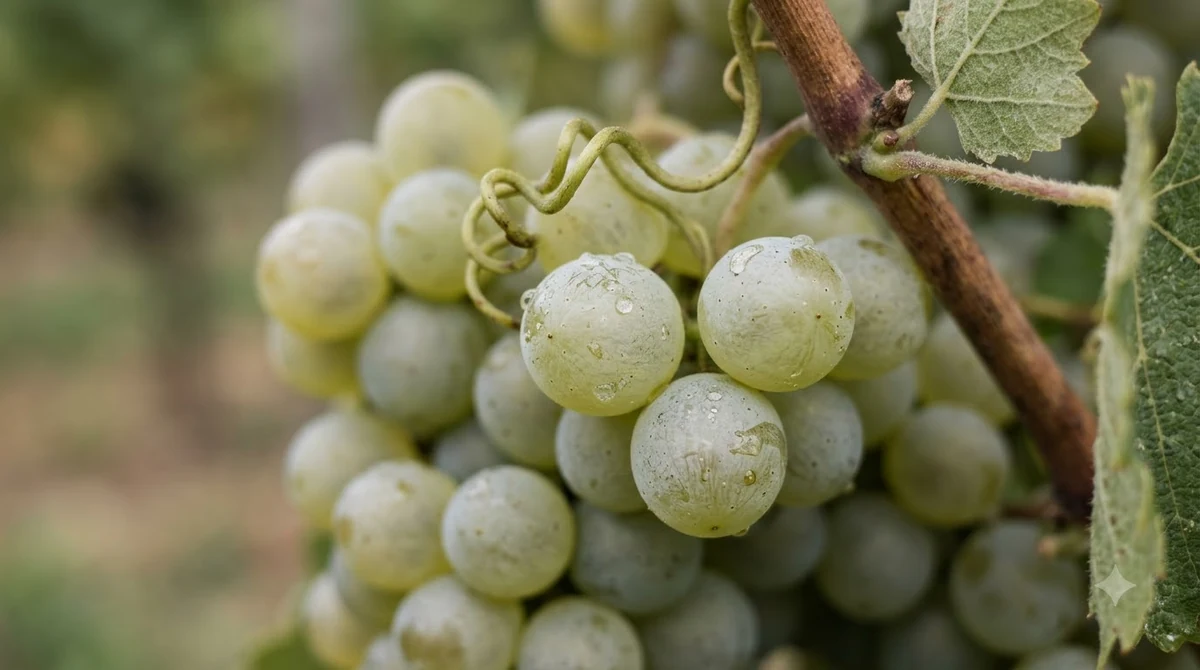
The Bekaa Valley lies between the Mount Lebanon range to the west and the Anti-Lebanon Mountains to the east. Its elevated agricultural plain provides substantial sunshine, while surrounding mountains influence exposure and weather conditions. According to Wine from Lebanon, many Bekaa vineyards grow above 3,000 feet. This elevation helps explain why grapes can develop substantial ripeness during warm days while retaining freshness through cooler nights.
Soil conditions are another important part of the region’s identity. Decanter describes Bekaa Valley soils as limestone beneath loam or clay, with some vineyards containing rocky and gravelly ground. These differences affect drainage, water availability, and the growing conditions experienced by individual vines. A wine from a limestone-rich site may express itself differently from one grown in heavier clay, although grape variety, harvest decisions, and winemaking remain equally important.
Elevation also makes Lebanon interesting beyond the Bekaa. Batroun, north of Beirut, has vineyards on mountain slopes where the Mediterranean provides a moderating influence. Wine from Lebanon identifies vineyards reaching approximately 1,300 meters in this region. Jezzine, in the south, offers another elevated environment, while Mount Lebanon contributes smaller-scale wine production.
These regional differences explain why Lebanese wines should not be treated as a single uniform style. A full-bodied Bekaa red, a fresh coastal white, and an indigenous mountain-grown bottling can offer very different tasting experiences despite sharing the same national origin.
The Four Main Lebanese Wine-Growing Areas
The four commonly identified wine-growing areas are the Bekaa Valley, Batroun, Mount Lebanon, and South Lebanon, particularly the Jezzine area. Each contributes a different combination of elevation, exposure, climate, and grape varieties.
The Bekaa Valley is the natural starting point for anyone exploring Lebanese wine. It is the country’s principal wine-producing area and home to established producers including Château Ksara, Château Kefraya, Domaine Wardy, and Château St. Thomas. The region is particularly associated with Cabernet Sauvignon, Syrah, Merlot, Cinsault, and Carignan. Red blends are especially prominent, although white varieties and rosé wines also deserve attention.
Batroun offers a different perspective. Located in northern Lebanon, this coastal and mountainous area combines Mediterranean influence with elevated vineyard sites. Its wines can include familiar international grapes as well as locally distinctive bottlings. Atibaia and Mersel are among the producers associated with the area. A Chardonnay-Viognier blend from Batroun, for example, provides a useful comparison with a more concentrated Bekaa Valley Chardonnay.
Mount Lebanon adds another dimension through vineyards at substantial elevations. Producers such as Château Oumsiyat, Château Cana, and Vertical 33 are identified with this broader growing area in the Wine from Lebanon program. Their portfolios provide opportunities to explore both familiar international varieties and less common Lebanese grapes.
South Lebanon, particularly Jezzine, completes the four-area picture. Karam is one of the producers identified in this region. The southern landscape is known for its agricultural diversity, and vineyard elevation creates conditions distinct from the Bekaa plain. Regional bottlings are particularly interesting for tasters who want to explore Lebanese wines beyond the country’s most internationally recognized production center.
The following overview helps organize a regional tasting:
| Wine-growing area | Geographical character | Producers to recognize | Tasting focus |
|---|---|---|---|
| Bekaa Valley | Elevated inland plain | Château Ksara, Domaine Wardy, Château Kefraya | Cabernet Sauvignon, Syrah, Merlot, indigenous whites |
| Batroun | Coastal and mountainous vineyards | Atibaia, Mersel | White blends, Mediterranean varieties, distinctive reds |
| Mount Lebanon | Elevated mountain sites | Château Oumsiyat, Château Cana, Vertical 33 | Indigenous grapes and international varieties |
| South Lebanon | Southern hills around Jezzine | Karam | Regional varieties and mountain-grown wines |
These are broad regional descriptions rather than rigid classifications. Lebanon’s wine-growing landscape is relatively compact, but differences in altitude, soil, and exposure can be substantial between neighboring vineyards.
For a useful comparison, consider tasting a Bekaa Valley Cabernet-based red beside a Batroun red blend. Pay attention to fruit concentration, acidity, tannin, and alcohol warmth. The contrast can reveal how regional conditions and winemaking choices influence the final wine.
Indigenous Lebanese Grapes to Recognize
Lebanon’s indigenous varieties are among its most compelling wine discoveries. Obaideh, Merwah, Meksassi, and Sobbaghieh offer a connection to local viticulture and provide tasting experiences that are difficult to reproduce with internationally familiar grape varieties.
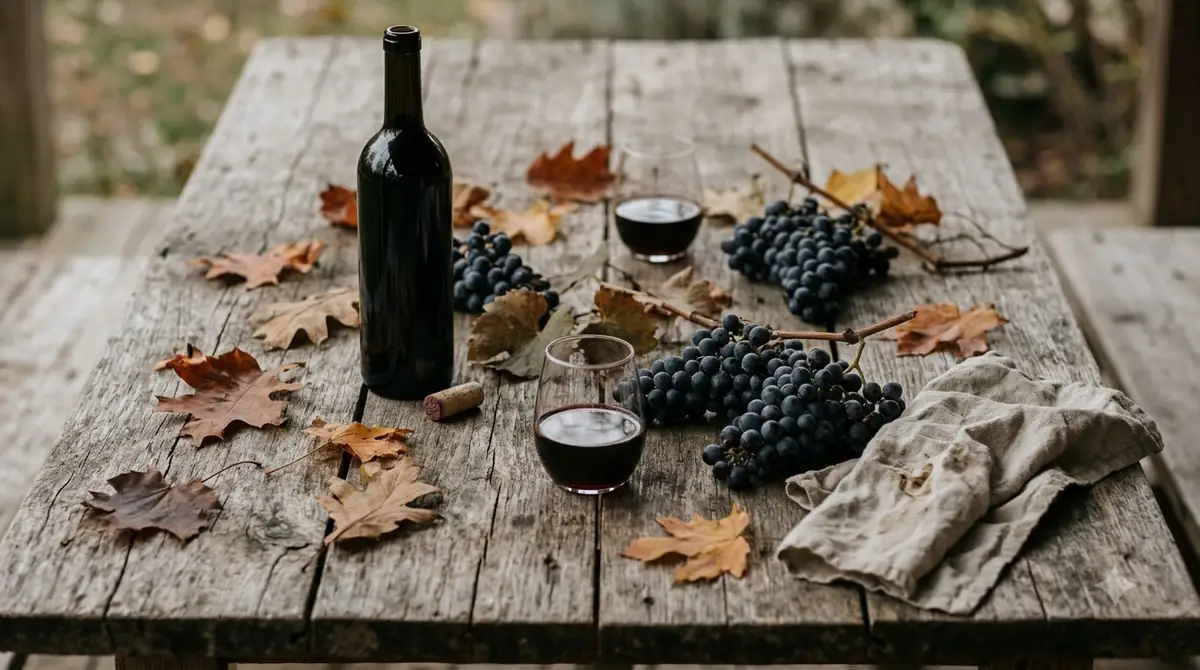
Obaideh is an indigenous white grape with an important historical connection to arak, Lebanon’s traditional anise-flavored spirit. It was historically used primarily for spirit production, but modern producers increasingly bottle it as wine. According to Wine from Lebanon, the variety is naturally low in acidity and high in sugar. In the glass, Obaideh can offer a rounded texture with honey, lemon, and gentle floral or savory characteristics.
Its relatively soft acidity makes it especially interesting in a comparative tasting. Try it alongside a Sauvignon Blanc or a crisp Chardonnay. Sauvignon Blanc generally has higher acidity and a more pronounced citrus or herbal profile, while Obaideh can feel broader and softer. The comparison highlights differences in both grape character and structural balance.
Merwah is another indigenous white variety associated with Lebanon’s mountain vineyards. It is considered related to Sémillon and can produce wines with citrus, floral, and nutty characteristics. Its profile makes it particularly interesting for tasters who enjoy textured white wines rather than exclusively light, sharply acidic styles.
Merwah is produced in different forms. It can appear in blends, as a single-variety wine, and in pét-nat bottlings. Mersel, for example, produces a pét-nat from Merwah and Viognier. This is an interesting option for a tasting because the sparkling format provides a contrast to the still white wines commonly associated with Lebanese indigenous varieties.
Meksassi is a lesser-known indigenous white grape. Wine from Lebanon describes its citrus, stone-fruit, and tree-fruit aromas, as well as its association with oak aging. Karam Wines produces it as a single-variety wine, giving curious drinkers an opportunity to examine the grape without the influence of a larger blend.
Sobbaghieh is particularly unusual because it is a teinturier grape, meaning its flesh is colored as well as its skin. It can produce medium-bodied wines with dark berry and sweet-spice characteristics. Château Cana is identified as a producer of a single-variety Sobbaghieh bottling, although production is limited.
These four varieties deserve a place in a serious Lebanese tasting, even if they are not equally easy to find. They demonstrate that the country’s identity is not limited to international grapes or Bordeaux-inspired blends.
For additional background on these varieties and the producers working with them, the Wine from Lebanon regional and grape FAQ provides a useful starting point.
Lebanese Red Wines and Their International Grape Varieties
Lebanese red wines are particularly appealing to drinkers who enjoy Mediterranean reds and structured Bordeaux-inspired blends. Cabernet Sauvignon, Merlot, Syrah, Cinsault, Carignan, and Grenache are among the varieties that contribute to the country’s diverse red-wine styles.
Cabernet Sauvignon is commonly associated with darker fruit, firm tannins, and a structured finish. In Lebanon, it can appear as a single-variety bottling or in blends with Syrah, Merlot, and other grapes. Its tannic structure makes it a useful reference point when tasting different Lebanese producers.
Merlot provides a softer contrast. Its medium tannin and rounder fruit profile can make a blend more approachable, especially when combined with Cabernet Sauvignon. A Lebanese red containing both grapes can offer the familiar structure of a Bordeaux-inspired blend while expressing the warmer Mediterranean growing environment.
Syrah adds another important dimension. Depending on the vineyard and winemaking approach, it can contribute dark fruit, pepper, savory spice, and substantial tannin. It is particularly useful to compare Syrah-dominant Lebanese bottlings with Cabernet-based wines because their fruit and spice profiles can differ considerably.
Cinsault, Carignan, and Grenache broaden the possibilities further. These Mediterranean varieties can bring red-fruit character, herbal notes, and varying degrees of body and structure. Cinsault is especially interesting for drinkers who prefer a more moderate tannin profile, while Carignan can provide acidity and a firmer structure.
Several Lebanese producers are worth recognizing when building a tasting selection.
Producers to explore
Château Musar is one of Lebanon’s internationally recognized wine names. It is particularly associated with distinctive red blends and indigenous varieties. Its wines provide an interesting introduction to a more traditional and individual expression of Lebanese winemaking.
Château Ksara is an established Bekaa Valley producer with a broad portfolio. It is a useful reference for comparing Lebanese red and white styles and understanding the region’s long-standing commercial wine culture.
Château Kefraya is another important Bekaa name. Its range of varieties includes Cabernet Sauvignon, Syrah, Chardonnay, and Viognier, providing opportunities to compare different grape combinations and wine styles.
Domaine Wardy is worth exploring for its connection with indigenous white varieties, including Obaideh, as well as its broader wine portfolio.
Château St. Thomas is another producer associated with Obaideh. Its single-variety bottlings provide an opportunity to examine the grape’s texture and flavor without the influence of other varieties.
Rather than focusing on producer reputation alone, compare wines according to their grape composition, structure, and regional origin. A flight of three different Lebanese reds can reveal more about the country’s wine character than tasting several similar bottles from one producer.
How to Conduct a Lebanon Wine Tasting
A successful Lebanese wine tasting should move from lighter wines to fuller reds, allowing the palate to adjust gradually. A selection of five or six wines can cover indigenous varieties, regional differences, and the country’s best-known international grapes without making the session overwhelming.
Begin with a light sparkling wine or a fresh white. A Merwah pét-nat is an interesting opening choice because its bubbles and citrus characteristics create a refreshing start. Follow it with a still Obaideh or Meksassi to explore the differences between indigenous white varieties.
Next, introduce a Chardonnay or Viognier-based blend. These familiar international grapes provide a reference point for evaluating the native varieties. Compare acidity, body, aromatic intensity, and texture rather than concentrating only on individual fruit flavors.
Move to the reds with a Cinsault or lighter Mediterranean blend before introducing a Merlot-based or Cabernet Sauvignon-based wine. Finish with a structured Syrah or a fuller Lebanese red blend. This progression makes it easier to identify differences in tannin, alcohol, and concentration.
Recommended tasting order
- Merwah pét-nat or another Lebanese sparkling wine.
- Obaideh or Meksassi white wine.
- Chardonnay or Viognier-based white blend.
- Cinsault or a lighter Mediterranean red.
- Merlot or Cabernet Sauvignon blend.
- Syrah or a fuller-bodied Lebanese red.
Serve each wine at an appropriate temperature rather than pouring every bottle directly from the refrigerator or storing all reds at room temperature.
| Wine style | Recommended serving temperature | What to examine |
|---|---|---|
| Sparkling | 40–50°F | Bubbles, freshness, citrus |
| Light white and rosé | 45–50°F | Fruit, acidity, aromatic clarity |
| Full-bodied white | 50–55°F | Texture, body, oak influence |
| Light red | 55–60°F | Red fruit, freshness, tannin |
| Full-bodied red | 60–65°F | Dark fruit, structure, finish |
Use standard tasting pours of approximately 5 ounces when serving wines for general enjoyment. A 750 ml bottle provides about five such glasses. For a comparative tasting, smaller pours are often preferable because participants can revisit wines without consuming a full serving of each bottle.
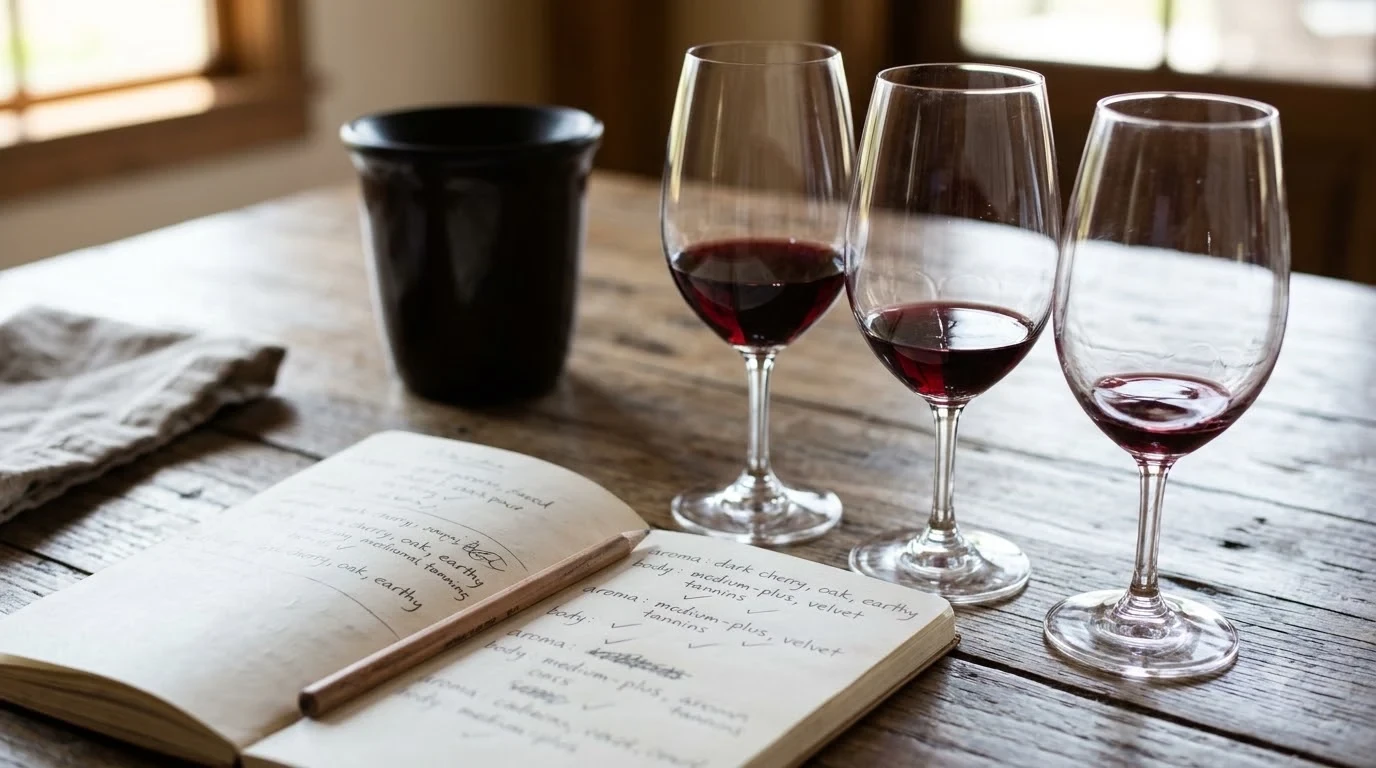
Look at the color first, then assess the aromas before tasting. Swirl the glass gently and consider whether the wine shows citrus, stone fruit, flowers, dark berries, herbs, spice, or oak. On the palate, evaluate acidity, sweetness, alcohol warmth, body, tannin, and the length of the finish.
Record the grape variety and producer alongside your impressions. This is especially useful when tasting Obaideh and Merwah for the first time, as their characteristics may be unfamiliar compared with more widely available Chardonnay and Sauvignon Blanc.
Tip: Keep a glass of water and plain bread available between wines. When comparing several reds, take a short break before moving to the next bottle. This makes differences in tannin, acidity, and fruit concentration easier to recognize.
Lebanese Wine and Food Pairing Ideas
Lebanese cuisine provides natural companions for the country’s wines because both share Mediterranean ingredients, herbs, vegetables, grilled meats, and generous use of olive oil. The best pairing depends on the wine’s acidity, tannin, body, and alcohol rather than simply matching its country of origin with the food.
Start with white wines and lighter dishes. Obaideh can work with grilled chicken, creamy hummus, mild cheeses, and dishes featuring lemon and herbs. Its softer acidity makes it especially useful with foods that do not require a sharply acidic wine to balance richness.
Merwah can be paired with grilled fish, seafood, vegetable dishes, and lighter poultry preparations. Its citrus and nutty characteristics provide useful connections with grilled vegetables, fresh herbs, and dishes featuring toasted nuts.
For Meksassi, consider roasted vegetables, grilled chicken, and mild cheeses. Its citrus and stone-fruit profile can complement dishes with moderate richness, while an oak-aged example may be particularly suitable with roasted poultry.
Rosé and lighter Lebanese reds can accompany mezze, grilled vegetables, lentil dishes, and spiced chicken. Cinsault-based reds are particularly useful when a dish contains herbs and spices but does not have enough richness to balance a highly tannic wine.
Cabernet Sauvignon and fuller Syrah blends are natural choices for grilled lamb, beef kebabs, and roasted meats. Their tannins can be softened by the protein and fat in these dishes. Merlot-based blends offer another option for roasted meats, particularly when the preparation includes mushrooms, herbs, or a savory sauce.
When choosing food for a Lebanese tasting, consider the following combinations:
- Obaideh: Hummus, grilled chicken, mild cheeses, and creamy vegetable dishes.
- Merwah: Grilled fish, seafood, roasted vegetables, and herb-based salads.
- Meksassi: Roasted poultry, grilled vegetables, and mild cheeses.
- Cinsault: Mezze, grilled vegetables, lentils, and moderately spiced chicken.
- Merlot blends: Roasted lamb, mushrooms, and herb-seasoned poultry.
- Cabernet Sauvignon blends: Grilled beef, lamb kebabs, and rich roasted meats.
- Syrah blends: Grilled lamb, spiced beef, and savory meat dishes.
Acidity is particularly important when pairing wine with food containing lemon, tomatoes, or vinegar. Highly acidic dishes need a wine with equal or greater acidity to avoid making the wine taste flat. This is one reason a crisp white or sparkling wine can be more successful with lemon-heavy dishes than a soft, low-acid white.
Salt and fat can soften the perception of tannin, making structured Cabernet Sauvignon or Syrah more comfortable alongside grilled meats and rich dishes. On the other hand, oily fish generally works better with white wines or lighter reds than with heavily tannic reds.
Be careful with chili heat. Alcohol and tannin can amplify the sensation of spice, so heavily peppered or chili-rich dishes are often better with lower-tannin wines and moderate alcohol. Sweetness can also help with spicy preparations, provided the wine is not overwhelmed by the food.
For dessert, choose a wine that is at least as sweet as the dish. A dry Lebanese white served alongside a very sweet pastry can taste thin or overly sharp. Keeping the final course simple with fruit, nuts, or a moderately sweet dessert can make it easier to find a suitable pairing.
These principles are useful beyond Lebanese cuisine. For additional comparisons, explore Alsace wine tasting for aromatic whites and acidity, or Bolgheri wine tasting for structured Mediterranean reds and food pairings.
Buying, Serving, and Storing Lebanese Wines
Finding the right Lebanese wine is easier when you start with the grape variety and style rather than choosing a bottle solely because it comes from a familiar producer. Look for indigenous Obaideh and Merwah if you want a distinctive introduction, or choose Cabernet Sauvignon, Merlot, and Syrah if you prefer more recognizable red-wine profiles.
When buying Lebanese wine in the United States, availability can vary considerably by state and importer. Some producers have broader distribution than others, while small-production indigenous varieties may be harder to find. Specialist wine retailers and shops with Mediterranean selections are useful places to begin.
Consider buying two bottles with different grape compositions rather than several bottles of the same style. For example, an Obaideh and a Merwah offer an opportunity to compare indigenous whites, while a Cabernet-based blend and a Syrah bottling demonstrate different approaches to Lebanese red wine.
Pay attention to alcohol levels and grape composition when comparing bottles. A warm-climate red with substantial alcohol can feel heavier than a lighter Mediterranean blend. This does not automatically indicate better quality; it simply helps determine the wine’s suitability for the occasion and food.
Proper storage preserves the wine’s character after purchase. Keep unopened bottles in a cool, dark location near 55°F, away from direct sunlight and large temperature fluctuations. Bottles with natural cork closures are generally best stored on their sides to keep the cork from drying out.
Once opened, most still wines are best enjoyed within three to five days when refrigerated and properly resealed. Sparkling wines generally retain their best qualities for approximately one to three days after opening when closed with a suitable sparkling-wine stopper. Fortified wines can last several weeks, depending on their style and storage conditions.
Full-bodied young Lebanese reds may benefit from 30 to 60 minutes of decanting before serving. This allows the wine to interact with oxygen and can help soften the initial impression of tannin and concentrated fruit. Older bottles require more care because prolonged exposure to air can reduce their aromatic complexity.
Temperature also matters after opening. A refrigerator is useful for preserving both red and white wines, but take a red bottle out shortly before serving so that it does not taste excessively cold. Likewise, a full-bodied white may show more texture and aromatic detail when served slightly warmer than a light, crisp white.
For broader regional comparisons, the Willcox wine tasting experience provides another perspective on high-elevation wine growing in a different part of the world. Comparing wines from different climates can help illustrate how geography and grape selection influence the finished bottle.
Lebanese wine is an especially rewarding category for curious drinkers because it combines internationally recognized varieties with indigenous grapes that have distinctive histories and flavor profiles. A tasting that includes both the Bekaa Valley and wines from Batroun or Jezzine offers a more complete understanding than a selection based only on familiar red blends.
Frequently Asked Questions
Is Lebanese wine made from grapes grown in Lebanon?
Yes. Lebanese wine is produced from grapes grown in the country’s vineyards, including both international and indigenous varieties. Imported grape varieties such as Cabernet Sauvignon and Chardonnay grow alongside local grapes including Obaideh and Merwah. Some producers also experiment with less common varieties and small-production bottlings.
What does the word Obeidy mean on a Lebanese wine label?
Obeidy is an alternative spelling commonly associated with the indigenous Lebanese white grape Obaideh. The spelling can vary between producers and wine descriptions. Both names refer to the same distinctive local grape variety rather than two separate international grape varieties.
Does Lebanon have a history of winemaking before modern commercial wineries?
Yes. Lebanon has a long historical association with grape growing and wine production dating back to ancient Mediterranean civilizations. Archaeological discoveries, including ancient wine-production installations, provide evidence of this history. The country’s Phoenician heritage is also closely connected with the historical trade of wine around the Mediterranean.
Is arak the same thing as Lebanese white wine?
No. Arak is a distilled spirit flavored with anise, whereas Lebanese white wine is a fermented grape beverage. Obaideh grapes have historically been used in arak production, which helps explain the grape’s longstanding importance in Lebanese agriculture. Modern producers also use Obaideh to make still wines.
How do you say cheers in Lebanese?
Wine from Lebanon gives the expression Keesak for a masculine singular toast, Keeskon for a plural toast, and Keesik for a feminine singular toast. Pronunciation is approximately kay-sack, kay-skon, and kay-sick, respectively. These expressions provide a simple cultural touch for a Lebanese-themed tasting.
Lebanon offers much more than familiar international grape varieties: its indigenous whites, distinctive mountain vineyards, and structured Mediterranean reds make it a fascinating wine country to explore. Start with Obaideh, Merwah, and a Bekaa Valley red blend, then expand your tasting to Batroun and Jezzine to discover the country’s wider regional character.
More in Wine Regions
 Willcox Wine Trail: Discover Arizona’s High-Elevation Wine CountryUpdated Nov 20, 2026
 Yakima Valley Wine Region: Find the Best Styles to TryUpdated Nov 20, 2026
 Vosne Romanee Wine Tasting: Identify Aromas and Choose Better PairingsUpdated Nov 20, 2026
 Yakima Valley Wine Festival: Find the Best Seasonal Wine EventsUpdated Nov 20, 2026
 Wales Vineyards: Discover Cool-Climate Wines and Where to VisitUpdated Nov 20, 2026
 Yountville Wine Festival: Discover Napa Wines and Local FoodUpdated Nov 20, 2026