

We may earn a commission when you buy through links on this page, at no extra cost to you. Learn more.
Laurent Perrier rose is a Champagne from one of the region’s family-owned houses, founded in 1812, and its style is closely tied to the maceration of Pinot Noir. The house describes its rosé wines, including the Alexandra Rosé Millésimé and the Cuvée Rosé, as expressions of that Pinot Noir savoir-faire. This guide explains where the wine comes from, what to expect in the glass, and how to serve it with food.
Rosé Champagne sits between the pale, delicate sparkling wines most people know and the deeper, more structured pink bottles that show up at celebrations. Laurent-Perrier is one of the houses that many drinkers look for when they want a pink Champagne with a clear house identity. The sections below explain the background, the production philosophy, and the best ways to enjoy it.
Where Laurent-Perrier Comes From
According to the house, Laurent-Perrier was established in 1812 in Tours-sur-Marne, in the Champagne region of France. It describes itself as a family-owned, independent Champagne house that has long played a pioneering role in the region. That independence is a point the house emphasizes, because it means decisions about blending and style remain within the family rather than in a larger group.
Champagne itself is a protected appellation, and the region’s identity is central to how these wines are sold. The regional body states that Champagne is a UNESCO World Heritage site and that Champagne only comes from Champagne, France. You can read more about the region’s history and climate on the official Champagne region website, which covers its landscapes, climate, and tourist trails.
For buyers, the origin matters because a bottle labeled Champagne has to follow the region’s rules. A rosé Champagne is still a Champagne, with the same appellation requirements, so the house’s choices about grapes and blending are what set one bottle apart from another.
The House Philosophy: Three Savoir-Faire
Laurent-Perrier describes its approach around three savoir-faire: blending reserve wines, maceration of Pinot Noir, and non-dosage. Each one shapes how the wine tastes, so it helps to understand them before you buy.
Blending reserve wines means the house combines wines from different years, which allows a consistent style across releases. Maceration of Pinot Noir is the method most closely linked to the rosé, and the house states that its rosé wines express that savoir-faire. Non-dosage refers to the practice of not adding sugar at the final stage, so the wine shows its natural fruit and acidity rather than a sweetened finish. The house also points to sustainable viticulture in its Champagne vineyards as part of its approach.
Styles and What to Expect in the Glass
The house names two rosé wines on its website: the Alexandra Rosé Millésimé, which is a vintage release, and the Cuvée Rosé, which is the house’s non-vintage rosé. Vintage wines reflect a single harvest year, while non-vintage wines blend several years to keep the house style steady. Both are built on the Pinot Noir savoir-faire the house describes.
In general, rosé Champagne tends to show red berry flavors such as strawberry, raspberry, and cherry, together with the crisp acidity and fine bubbles that define the region’s sparkling wines. Pinot Noir often contributes a sense of structure and a little savory depth, which gives the wine more presence than a light pink sparkler. Expect a dry finish, since the house emphasizes non-dosage.
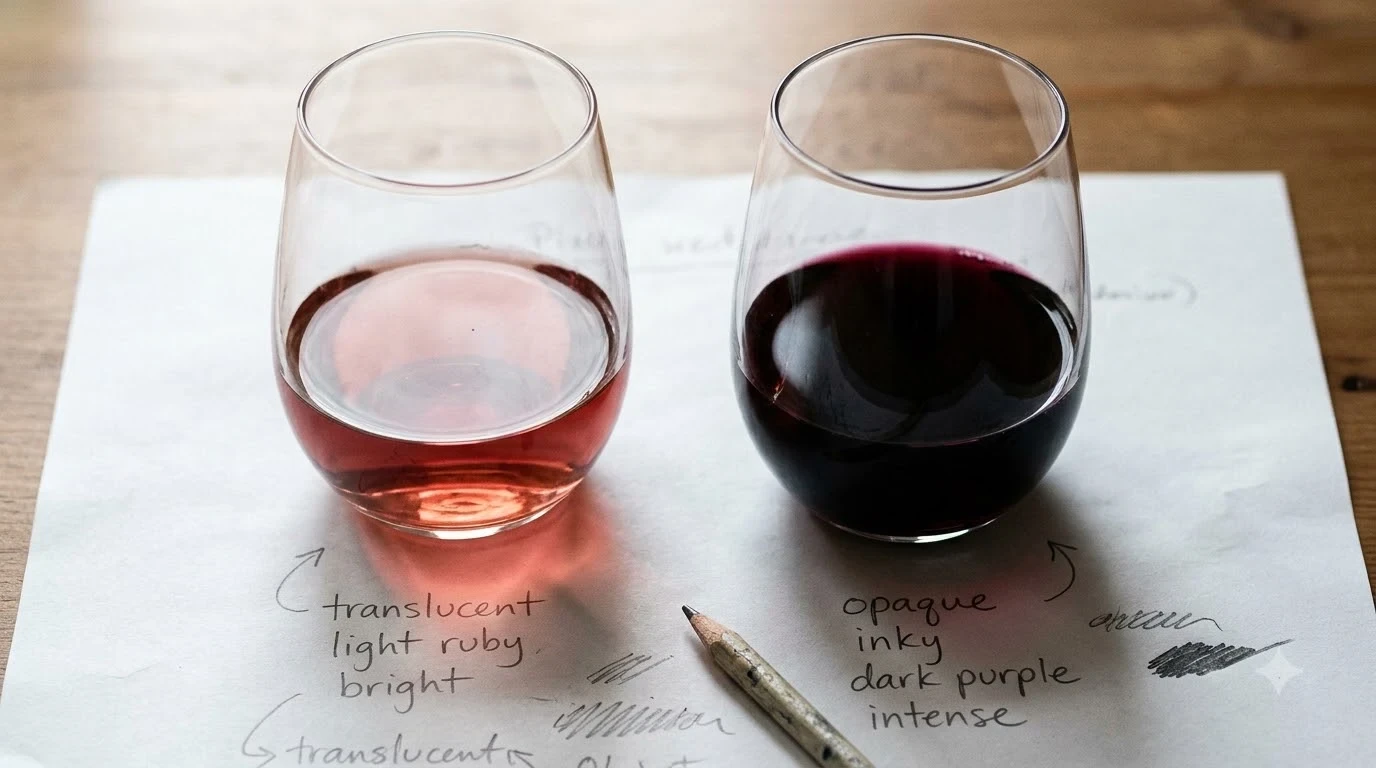
Color is another clue to the style. Rosé Champagne ranges from pale salmon to a deeper copper pink, and the depth depends on how long the juice stays in contact with the skins and how the blend is built. A lighter color usually signals a more delicate, floral wine, while a deeper hue often points to richer fruit and more body. Neither is a sign of quality on its own, so use color as a hint about what to expect rather than a rating.
Because specific tasting notes change with each release, check the label or the producer’s description for the bottle you are considering. The general character is more reliable than any single description, so treat it as a guide to the style rather than a fixed promise.
| Feature | What it means for the glass |
|---|---|
| Pinot Noir maceration | Gives rosé color, red fruit, and structure |
| Reserve blending | Helps keep the house style steady across releases |
| Non-dosage | Dry finish with natural fruit and acidity |
| Alexandra Rosé Millésimé | Vintage expression of the house rosé |
| Cuvée Rosé | House rosé blended across years |
Tip: Choose a Cuvée Rosé for a reliable house style at a table with many guests, and save a vintage bottle for a special occasion where the year itself is part of the story.
How to Serve Rosé Champagne
Serve rosé Champagne well chilled, since cold temperatures keep the bubbles fine and the acidity lively. Use a flute or a tulip-shaped glass so the aromas gather near the rim, and pour gently to keep the bubbles from rushing out. Once opened, a bottle can be kept in the refrigerator with the cork replaced or a proper stopper, and it should be finished within a day or two for the best freshness.
Glassware also shapes the experience. A flute keeps the bubbles visible and narrows the aromas, which suits a young, lively rosé. A tulip glass opens the bouquet a little more and lets you notice the fruit and the savory edge. For a dinner where the wine is meant to be sipped over a long meal, many tasters prefer the tulip shape because it gives the aromas more room to develop as the glass warms slightly.
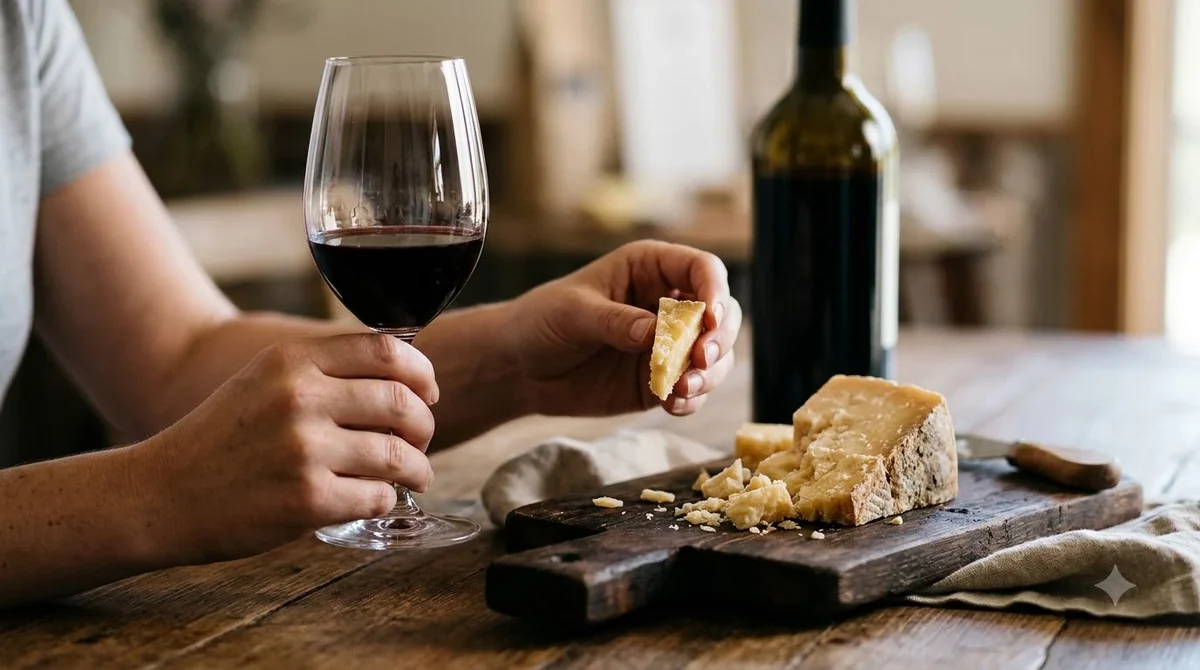
Rosé Champagne is more flexible at the table than many people expect. It works as an aperitif, and it also pairs with a wide range of dishes. Try it with salmon, roast chicken with herbs, soft cheeses, or a platter of fresh fruit. Its dry, crisp profile makes it a good match for foods that would overwhelm a lighter white.
Who Laurent-Perrier Rosé Suits and How to Choose
Laurent-Perrier rosé suits drinkers who want a Champagne with a clear house identity and a pink color that comes from Pinot Noir rather than a sweetened style. It is a natural choice for celebrations, brunches, and any meal where a dry sparkling wine is welcome.
It may be less appealing for those who prefer a sweeter pink wine or who want a sparkling option at a lower price point. If you like the idea of a pink wine with a more fruit-forward character, you might compare it with a rosé from another region, such as the josh rose guide on this site. For a broader view of how brands and styles are organized, the Wine Brands guide is a useful reference.
When buying, decide between the vintage and the non-vintage bottle. A non-vintage Cuvée Rosé gives you a consistent style for everyday celebrations. A vintage Alexandra Rosé Millésimé is better suited to a special gift or a bottle you plan to keep for a while. Either way, store the bottle on its side in a cool, dark place until serving time.
Frequently Asked Questions
When was Laurent-Perrier founded?
According to the house, Laurent-Perrier was established in 1812 in Tours-sur-Marne, in the Champagne region. It remains a family-owned, independent Champagne house.
What makes Laurent-Perrier rosé different?
The house highlights the maceration of Pinot Noir as the savoir-faire behind its rosé, along with reserve blending and non-dosage. Together these shape a dry, fruit-driven style.
What is the difference between the Alexandra Rosé Millésimé and the Cuvée Rosé?
The Alexandra Rosé Millésimé is a vintage wine that reflects a single harvest year. The Cuvée Rosé is the house’s non-vintage rosé, blended across years to keep a consistent style.
How should I serve Laurent-Perrier rosé?
Serve it well chilled in a flute or tulip glass. It pairs with salmon, roast chicken, soft cheeses, and fresh fruit, and it works well as an aperitif.
Laurent-Perrier rosé offers a clear window into a family Champagne house with a long history and a defined approach to Pinot Noir. Choose between the vintage and non-vintage bottle based on the occasion, serve it cold, and pair it with dishes that match its dry, crisp character. With those steps, you can enjoy the rosé as the house intends.
More in Wine Brands
 Underwood Wine Price: Compare Bottles, Cans, and Pack SizesUpdated Nov 21, 2026
 Zenato Wine Price: Compare Styles and Choose the Right BottleUpdated Nov 21, 2026
 Zuccardi Wine Price: Compare Bottles and Find the Right RangeUpdated Nov 21, 2026
 Yellow Tail Moscato Review: Taste, Sweetness and Serving TipsUpdated Nov 21, 2026
 Wolf Blass Yellow Label Review: Choose Your Best StyleUpdated Nov 21, 2026
 Wolffer Estate Rose Review: Choose the Right Bottle for Your TableUpdated Nov 21, 2026