

We may earn a commission when you buy through links on this page, at no extra cost to you. Learn more.
Lambrusco alcohol content usually falls between 10% and 11.5% ABV, which places it below most dry red wines. The exact number depends on the style, the producer and the sugar left in the bottle. Cheaper bottled and box versions sold under the name are often around 10% ABV, while the best-known Italian bottlings sit close to the upper end of that range.
Lambrusco is an Italian sparkling red, and its alcohol level is one of the first things people ask about. Because the wine is often slightly sweet and lightly fizzy, it can seem lighter than it is or stronger than expected. This guide explains the typical ABV range, how sweetness and alcohol interact, what the label tells you and how to serve the wine at its best.
If you want a broader look at the red wines that often sit next to Lambrusco on a wine shelf, the Wine by Type section groups bottles by style and grape.
Typical alcohol by volume for Lambrusco
Most Lambrusco sits between 10% and 11.5% ABV. The Wine Folly deep-dive on Lambrusco lists that range. A bottle at the lower end of the range is easy to pair with a casual lunch, while the upper end suits a longer dinner with several courses.
The lower figures are most common in inexpensive bottled and box Lambrusco-style wines. Those products are often produced in large volumes and blended for a sweet, easy-drinking profile, so the alcohol level stays modest. Most Lambrusco is made by the Charmat process, a second fermentation in a sealed tank, which keeps the fizz light and the style easy to drink.
| Style | Typical sweetness | Typical ABV |
|---|---|---|
| Secco (dry) | Little to no residual sugar | About 10–11.5% |
| Amabile (off-dry) | Noticeable sweetness, balanced by acidity | About 10–11.5% |
| Dolce (sweet) | High residual sugar | Usually at the lower end of the range |
How sweetness and alcohol interact
Lambrusco comes in dry, off-dry and sweet styles. The dryness level is set by how much sugar remains after fermentation. Yeast converts sugar into alcohol, so a wine with more residual sugar has less alcohol than the sugar it started with. That is one reason sweeter Lambrusco often tastes softer without tasting stronger.
The relationship is not a simple rule, though. Two bottles with the same ABV can taste very different if one is dry and tart and the other is sweet and round, because sugar masks alcohol warmth on the palate. Reading the sweetness level on the label, or the producer’s description, tells you more about how the wine will feel than the alcohol number alone.
Some producers label their Lambrusco with terms that describe sweetness, such as secco, amabile or dolce. These words appear on Italian bottles and help buyers choose a style quickly. Dry secco wines are generally fuller and darker in color, while sweet styles are usually lighter and fizzier.
What the label tells you about strength
The alcohol percentage is printed on most bottles, usually near the producer’s name or on the back label. It is the most reliable way to compare strength between bottles. When it is missing, check the producer’s website or the retailer listing, since most Italian wines carry the figure under EU labeling rules.
Look also for the appellation. Lambrusco is grown in several protected areas, including Lambrusco di Sorbara, Lambrusco Grasparossa di Castelvetro and Lambrusco Salamino di Santa Croce. Each appellation has its own rules about grape blends, and the grape named on the label gives a clue to how the wine will taste and feel.
Keep in mind that the label figure is a measured average for the bottle, not a guarantee for every glass. Small variations from batch to batch are normal, so treat the printed number as a guide.
How Lambrusco strength fits a meal or an evening
Because Lambrusco sits in the lower-middle range of wine strength, it works well when you want a glass or two without feeling heavy. A dry bottle can carry a long lunch or a bar-style gathering, where the fizz keeps the pace light. A sweeter bottle is better for a slower dessert course, since the sugar and the modest alcohol balance each other.
Plan quantities the same way you would for any wine. A standard bottle holds about five glasses at a typical pour, and most people find that a bottle of Lambrusco feels lighter at the end of the meal than a bottle of a full-bodied red would. That makes it a practical choice for groups who want to pour more than one round.
Think about the setting too. Lambrusco is often served outdoors, at casual dinners and with a crowd, where a lower-strength wine is easy to share. If you are hosting, offer both a dry and a sweet bottle so guests can choose the style that suits them, and keep water on the table alongside.
How to serve Lambrusco at the right strength
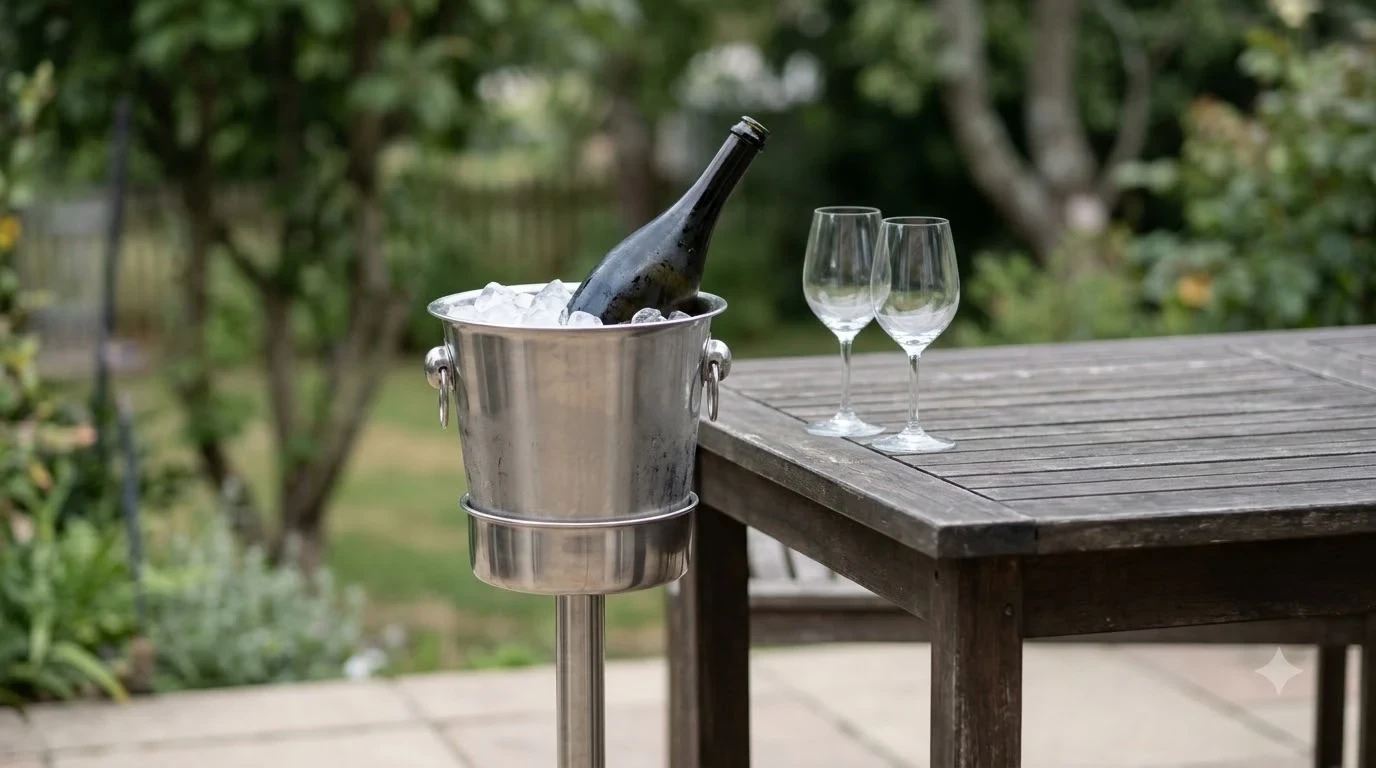
Serve Lambrusco chilled. The Wine Folly guide suggests 45–55°F (7–12°C), a range that keeps the fizz lively and the fruit clear. A wine served too warm can taste heavy and hot, which makes a modest-strength bottle seem stronger than it is.
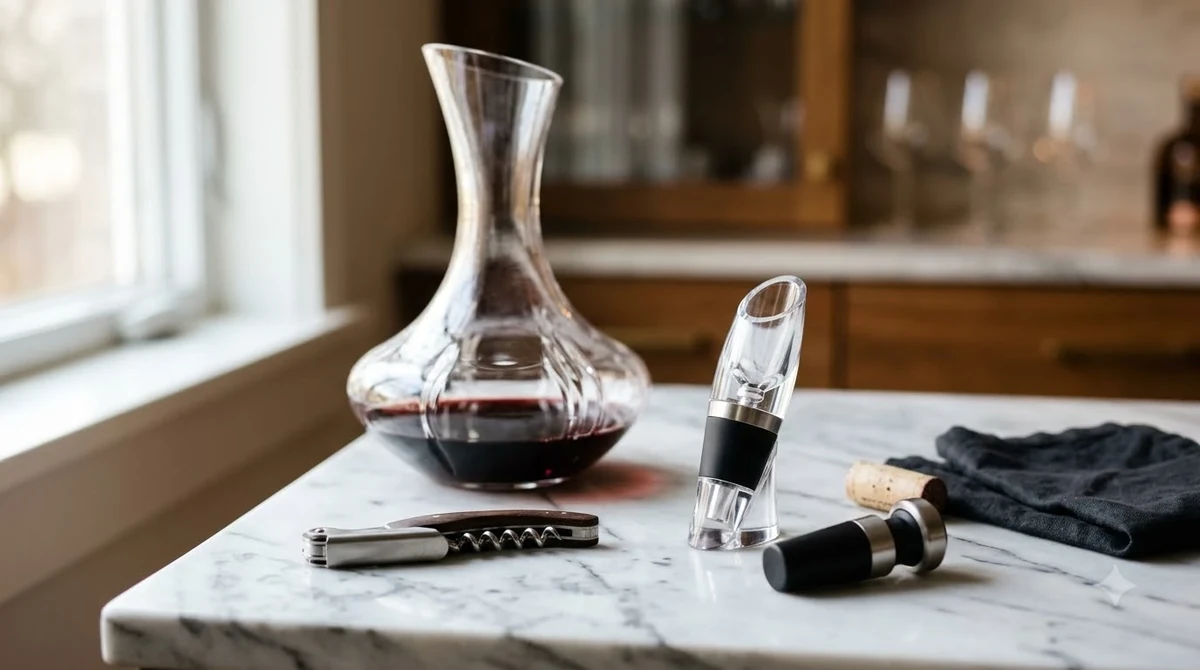
Pour into a standard wine glass rather than a flute. The wider bowl lets the aromas develop, and it suits both dry and sweet styles. Once opened, keep the bottle sealed with a stopper and refrigerate it. The fizz fades over a day or two, so finish the bottle within a few days for the freshest taste.
Food pairings that balance Lambrusco
Lambrusco is one of the more food-friendly red wines because its fizz and acidity cut through fat and salt. Dry styles suit cured meats, pizza and fried foods, while sweeter styles work with rich desserts and salty cheeses. The lower alcohol level makes it a good match for a long meal where you want to keep pace with the table.
For a similar comparison of how sugar and alcohol shape a red wine, the Pinot Noir sugar content guide explains how residual sugar changes the taste of a lighter red. For a stronger red for contrast, the Cabernet Sauvignon sugar content page covers the other end of the range.
Lambrusco alcohol compared with mulled wine
Many drinkers compare Lambrusco with warm spiced drinks in winter. Mulled wine usually starts from a base of red wine with added spirit, so it can be noticeably stronger than a glass of Lambrusco. If you are planning a party, the mulled wine alcohol content guide shows how much strength to expect from a spiced serving.
Frequently Asked Questions
How much alcohol is in Lambrusco?
Most Lambrusco falls between 10% and 11.5% ABV. Cheaper bottled and box versions are often around 10%, so the figure depends on the style and producer.
Is sweet Lambrusco weaker than dry Lambrusco?
Not always. Sweet styles can have slightly less alcohol because some sugar stays in the wine, but the difference is often small. Check the printed ABV on the bottle for an exact comparison.
Is Lambrusco a sparkling wine?
Many Lambrusco wines are lightly sparkling, often labeled frizzante. Some are still, and the style is shown on the label.
What temperature should Lambrusco be served at?
Serve it chilled at about 45–55°F (7–12°C). That range keeps the fizz lively and the fruit clear.
Lambrusco alcohol content is modest for most bottles, and the label is the best guide to strength and sweetness. Check the printed ABV, decide between dry and sweet styles, and serve the wine chilled. For more on how wine styles are grouped, return to the Wine by Type guides.
More in Wine Types & Grapes
 Zinfandel Sugar Content: Dry Red vs. White Zinfandel GramsUpdated Nov 21, 2026
 Best Zinfandel Substitute Options for Sipping and CookingUpdated Nov 21, 2026
 Zweigelt Food Pairing: Best Dishes, Cheeses, and Serving TipsUpdated Nov 21, 2026
 Zinfandel Tannins Explained: How Structure Shapes Every BottleUpdated Nov 21, 2026
 Zinfandel Sweetness Level: Dry Red vs. Sweet White Zin ExplainedUpdated Nov 21, 2026
 Xinomavro Food Pairing: Best Dishes, Styles, and Serving TipsUpdated Nov 21, 2026